
Main Courses
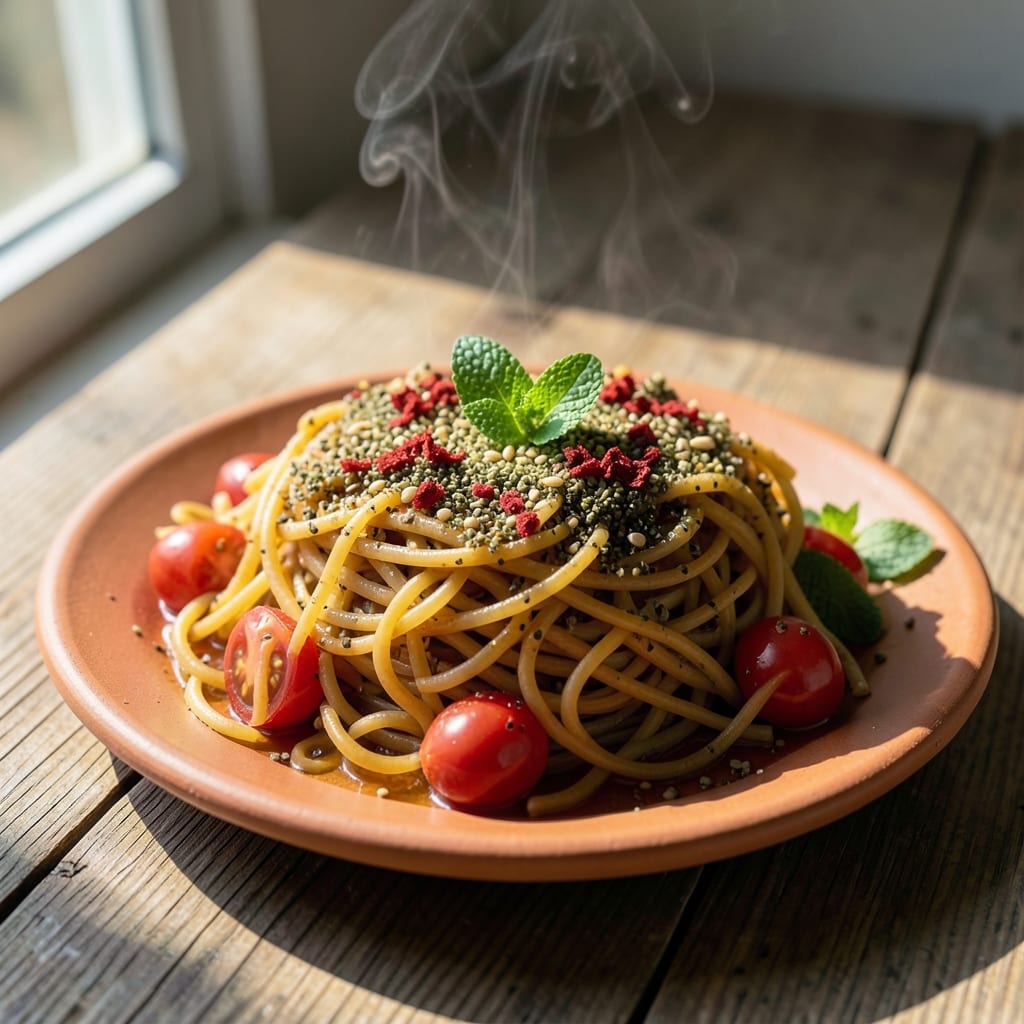
This Arabic rice vermicelli recipe transforms delicate golden threads into a fragrant, spice-kissed masterpiece that bridges tradition and modern flavors. 🌟 The secret lies in perfectly toasted vermicelli infused with warm za'atar and sumac, creating a dish that's both comforting and vibrant. What makes this recipe special is its versatility—equally at home as a light salad or hearty bowl, with optional protein additions like grilled chicken or chickpeas.
At its core, this dish celebrates the balance of textures: tender vermicelli with a satisfying bite, creamy yogurt or tahini dressing, and crisp vegetables or toasted nuts. The aromatic spices—cumin, coriander, and a touch of cardamom—build layers of warmth that linger long after the first bite. Unlike traditional rice dishes, this recipe delivers a lighter yet equally satisfying option perfect for any meal.
What you'll achieve is a dish that's elegant yet effortless, with vermicelli that stays al dente while absorbing the rich flavors of the dressing. The golden strands glisten with toasted spice magic, promising a harmonious blend of Middle Eastern warmth and freshness. Whether served as a main course or side, this recipe delivers restaurant-quality results with minimal effort.
Best of all, it adapts seamlessly to dietary preferences—vegetarian, vegan, or protein-packed. The foundation is simple: vermicelli, spices, and a dressing of your choice, but the possibilities are endless. Let's create this dish that brings the heart of Arabic cuisine to your table.
Ingredients for arabic rice vermicelli
Transform delicate rice vermicelli into aromatic, spice-kissed golden threads with these carefully selected ingredients.
| Ingredient | Amount | Notes |
|---|---|---|
| Arabic Rice Vermicelli Noodles 🍜 | 8 oz | Dried, thin rice noodles |
| Extra-Virgin Olive Oil 🫒 | ½ cup | High-quality, fruity variety |
| Za'atar Spice Blend 🌿 | 2 tbsp | Traditional Middle Eastern mix |
| Sumac Spice 🍃 | 1 tbsp | Finely ground, tangy flavor |
| Ground Cumin 🌶️ | 1 tsp | Toasted for deeper aroma |
| Ground Coriander 🌿 | 1 tsp | Freshly ground preferred |
| Cardamom Pods 🌱 | 4 whole | Lightly crushed for subtle flavor |
| Plain Greek Yogurt 🥛 | ½ cup | Full-fat for creaminess |
| Tahini 🥜 | ¼ cup | Sesame paste for richness |
| Fresh Lemon Juice 🍋 | 2 tbsp | Freshly squeezed |
| Fresh Cilantro 🌿 | ¼ cup | Chopped, for garnish |
| Toasted Pine Nuts 🥜 | ¼ cup | Optional crunchy topping |
| Salt 🧂 | 1 tsp | Diamond Crystal preferred |
| Black Pepper 🌶️ | ½ tsp | Freshly ground |
The vermicelli is the star here—opt for Arabic rice noodles from specialty markets or well-stocked grocery stores like Whole Foods or Middle Eastern delis for authentic texture. Za'atar and sumac are non-negotiable for that signature tangy warmth; brands like Al Wadi or Bahar deliver the most vibrant flavors. Toast your spices lightly in a dry pan before using to deepen their aroma—cardamom pods should be crushed just enough to release their essence without turning bitter. For the yogurt, full-fat Greek yogurt adds luxurious creaminess, while tahini from Caldor or Soom ensures that nutty richness that ties everything together.
No za'atar? Mix equal parts dried thyme, sesame seeds, and sumac for a close approximation. Sumac can be tricky to find—Trader Joe's often carries it, or check the international aisle at Kroger. Fresh cilantro is ideal, but dried oregano at half the amount works in a pinch. The pine nuts can be swapped for toasted almonds or walnuts if budget is a concern. For the dressing, lemon juice should be freshly squeezed—bottled lacks the bright acidity. And if you're avoiding dairy, vegan yogurt and extra tahini will keep the dish rich and satisfying.
Toasted vermicelli keeps best in an airtight container for up to 3 days, though it's best enjoyed fresh. The dressing components—yogurt, tahini, and lemon—should be stored separately and mixed just before serving to prevent sogginess. For meal prep, portion the dry vermicelli and spices in advance; toast and dress just before eating. The pine nuts and cilantro can be toasted and chopped ahead, then sprinkled on top at the last minute for maximum freshness. This dish reheats beautifully—gentle warming in a dry pan preserves the delicate texture.
Why You'll Love This Recipe
- No Boil Required: I just toss those delicate rice noodles in boiling water for 2 minutes—no soggy mess, no overcooking. The thin strands soak up the za’atar and olive oil like a sponge, turning them into something crisp-tender without the fuss.
- Earthy Zing Combo: That sumac and cumin? It’s like sunshine in a bowl. The tangy kick from sumac cuts through the richness of the olive oil, while the cumin adds this warm, toasty depth that makes every bite feel like a little flavor adventure.
- Lunchbox Hero: Between us, this is my go-to for packed lunches. The noodles stay firm for hours, and I just toss them with leftover chicken or roasted veggies—no reheating needed. My kids actually eat their lunch now. (Yes, even on a Tuesday night.)
- Pantry Staple Magic: Honestly, I keep these ingredients on hand just for this. The noodles are cheap, the spices last forever, and I can throw together a full meal for four with what’s already in my cupboard. Budget-friendly doesn’t get much better than this.
Step-by-step instructions for Arabic rice vermicelli with toasted spice magic
Transform delicate rice noodles into fragrant golden threads using this authentic technique.
🍳 Step 1: Toast the Spice Blend and Infuse the Oil
Heat the 0.5 cup extra-virgin olive oil in a medium saucepan over low heat until just shimmering. Add the 4 whole cardamom pods (lightly crushed between your palms) and the 2 tbsp za'atar spice blend. Toast for 2-3 minutes until fragrant—you'll smell the warm, nutty notes of sesame and thyme.
Remove from heat and immediately stir in the 1 tbsp sumac spice, 1 tsp ground cumin, and 1 tsp ground coriander. Let the spice mixture steep in the warm oil for 5 minutes to fully infuse. This step develops the complex layers of flavor that define this dish—don't rush it. The oil should take on a golden hue and carry the aroma of toasted spices.
👨🍳 Step 2: Prepare the Tahini-Lemon Dressing
In a separate bowl, whisk together the 0.25 cup tahini with the 0.5 cup plain Greek yogurt until smooth. Gradually add the 2 tbsp fresh lemon juice while whisking continuously to prevent curdling. The mixture should become silky and slightly thickened—like a creamy, tangy emulsion.
Season with the 1 tsp salt and 0.5 tsp black pepper, then set aside. This dressing is the heart of the dish, balancing the toasted spices with cool, creamy richness. If it thickens too much, thin with 1-2 teaspoons of warm water to achieve a pourable consistency that will beautifully coat the noodles.
🔥 Step 3: Cook the Vermicelli to Al Dente Perfection
Bring a large pot of water to a rolling boil. Add the 8 oz Arabic rice vermicelli noodles and cook for exactly 2 minutes—these delicate noodles cook faster than you might expect. They're done when they're tender but still slightly firm to the bite, with a subtle chew.
Drain immediately in a colander and rinse briefly under cold water to stop the cooking process. Shake vigorously to remove excess water, then transfer to a large bowl. The noodles should be glossy and separate—like golden threads ready to be dressed. If they clump, gently separate them with chopsticks or a fork while still warm.
🥘 Step 4: Combine and Garnish with Toasted Crunch
Pour the spice-infused oil over the warm noodles and toss gently with tongs to coat evenly. Add the tahini-lemon dressing and toss again until every strand is beautifully glazed. The noodles should take on a golden hue from the spices and appear glossy from the dressing.
Garnish immediately with the 0.25 cup toasted pine nuts and 0.25 cup fresh cilantro, chopped. The pine nuts add a delightful crunch that contrasts perfectly with the tender noodles, while the cilantro brings fresh brightness. Serve while warm, with additional lemon wedges on the side for those who prefer extra tang.
Pro Tips For Making Arabic Rice Vermicelli
- SOAK THE NOODLES FIRST: These vermicelli are stubborn when dry—toss them in warm water for 10 minutes before cooking. I learned this the hard way after watching them clump into a single sad lump mid-fry. The goal is just enough hydration to separate the strands without turning them mushy.
- USE LOW HEAT FOR FRYING: High heat burns olive oil and turns your noodles greasy. Keep the oil at a gentle simmer (180°F/82°C)—drop a noodle in and it should float without sizzling wildly. I used to rush this and ended up with a pan of oil smoke and sad, limp noodles.
- TOAST THE ZA’ATAR DRY: Bloom the za’atar in the oil for 30 seconds before adding anything else—this wakes up its flavors. Skip this, and you’re just sprinkling dry spices on top. My grandmother swore by this, and now I do too: the nutty, toasty aroma is what makes this dish sing.
- SAVE THE SUMAC FOR LAST: Add sumac at the very end—it’s acidic and can turn bitter if cooked too long. Toss it in after the noodles are out of the pan, or even sprinkle it on top of the dish. I was skeptical until I tried it: that bright, tangy punch is the finishing touch.
Essential equipment for this recipe
Spice Toasting Pan
Start with a 10-inch non-stick skillet like the Calphalon Tri-Ply—its even heat distribution is perfect for toasting spices without burning. Heat over medium-low to maintain control, as spices like cardamom and cumin can scorch quickly if the heat is too high. I like to use a wire mesh strainer to remove whole spices after toasting, keeping the infused oil free of debris for a smoother texture in your dish. 🌶️
High-Quality Olive Oil
Invest in a fruity, extra-virgin olive oil with a low acidity level (below 0.5%) to ensure the best flavor. Brands like Colavita or California Olive Ranch are excellent choices—their rich, peppery notes complement the toasted spices beautifully. Store your oil in a dark glass decanter away from direct sunlight to preserve its freshness and prevent oxidation, which dulls the flavor over time.
Precision Measuring Tools
A digital kitchen scale (like the OXO Good Grips) is essential for measuring the 8 oz vermicelli accurately—rice noodles can vary in density, and precise measurement ensures perfect texture. For spices, a small measuring spoon set with ¼ tsp increments helps achieve the delicate balance of 1 tsp cumin and 1 tsp coriander without overpowering the dish. I also recommend a fine-mesh strainer for rinsing the noodles to remove excess starch.
Mixing Bowls and Whisk
Use a large, deep mixing bowl (at least 3-quart capacity) to toss the noodles—something like the Le Creuset Stoneware bowl keeps them warm while preventing sticking. For the tahini-lemon dressing, a whisk with a long handle (like the Cuisinart Stainless Steel Whisk) ensures smooth emulsification without splattering. A small ramekin for holding the dressing while you work keeps it contained and ready to pour.
Tongs for Tossing
Kitchen tongs (preferably stainless steel) are a game-changer for evenly coating the noodles in the spice-infused oil. Look for 6-inch, spring-loaded tongs like the OXO Good Grips—they provide the right grip and leverage to toss without breaking the delicate strands. I also keep a small bowl of cold water nearby to rinse the tongs between tosses, preventing the dressing from sticking to them.
Optional: Mandoline Slicer
If you’re adding fresh vegetables (like cucumbers or radishes) for extra crunch, a mandoline slicer (like the Benriner) ensures uniform, paper-thin slices that complement the vermicelli’s texture. Always use the safety guard and cut away from your body—this tool makes quick work of prep while adding a professional touch to your presentation. 💡
Nutrition facts
Frequently asked questions
Can I use regular rice noodles instead of Arabic rice vermicelli?
While regular rice noodles will work in a pinch, they lack the delicate texture and subtle sweetness of authentic Arabic vermicelli. For the best results, look for "shirataki" or "rice vermicelli" labeled specifically for Middle Eastern dishes—brands like Al Wadi or Bahar offer the perfect thin, golden strands. If you can't find them, opt for fine rice noodles (like angel hair) and reduce cooking time by 1 minute to prevent mushiness.
How do I prevent the vermicelli from sticking together?
After draining, rinse the noodles under cold water for 10 seconds, then shake vigorously in the colander to remove excess moisture. Transfer to a bowl and toss immediately with a tiny bit of olive oil (just 1 teaspoon) before adding the dressing. For extra insurance, use chopsticks to separate any clumps while the noodles are still warm. The key is working quickly—don't let them sit after draining!
Can I make this recipe vegetarian or vegan?
Skip the yogurt and use vegan yogurt, extra tahini, or coconut yogurt for a dairy-free version. For protein, add chickpeas*, roasted eggplant, or marinated tofu. The tahini-lemon dressing remains vegan-friendly as written, and the spice-infused oil provides all the flavor without animal products. Just ensure your vermicelli is certified vegan (some contain egg).
Why does my dressing separate when I add lemon juice?
This happens when the tahini and yogurt aren't properly emulsified or when cold ingredients are mixed too quickly. Whisk the tahini and yogurt first until completely smooth, then add lemon juice drop by drop while whisking vigorously. Warm the yogurt slightly (up to 100°F) before mixing to help the emulsion form. If it still separates, add 1 teaspoon of water at a time until it thickens back into a creamy consistency.
What's the best way to store leftovers?
Store the dressed vermicelli in an airtight container with parchment paper between layers to prevent sticking. Keep the dressing separate and mix just before serving. The noodles will stay fresh for 3 days in the fridge, but the texture is best within 24 hours. For longer storage, freeze the undressed, toasted vermicelli (without oil) for up to 1 month**. Reheat gently in a dry pan over low heat and add fresh dressing when serving.