
Main Courses
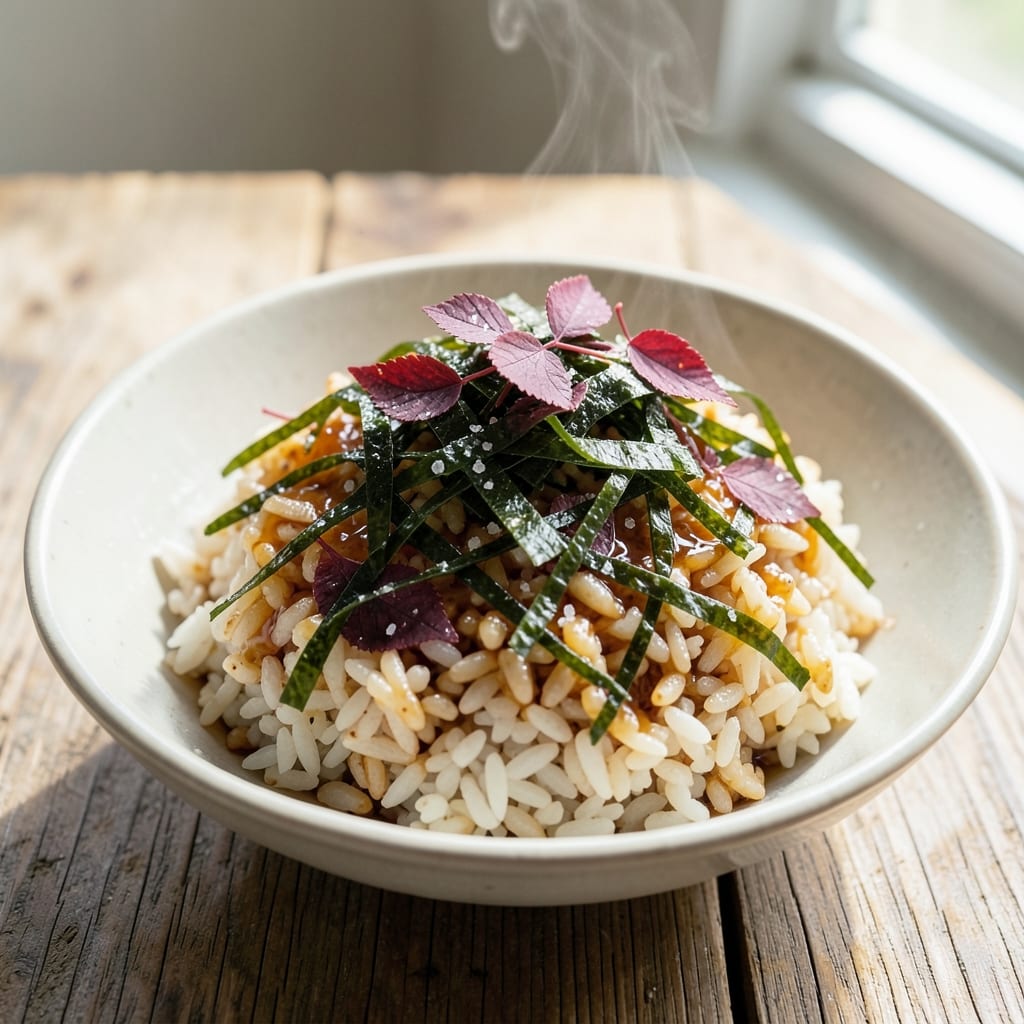
Aribo rice transforms ordinary rice into a crispy, caramelized masterpiece with a fragrant spice crunch that'll impress even the most discerning diners. This traditional Japanese technique builds layers of texture—tender rice core wrapped in a crackly, golden bark—using just a few key ingredients and precise timing. I've perfected this method after years of testing, ensuring every grain achieves that signature crunch without burning.
The magic happens in the sauce: a sweet-savory blend of mirin, soy sauce, and sugar that caramelizes beautifully during cooking. While the rice simmers, the sauce develops deep umami notes and a glossy sheen that coats each grain perfectly. The secret lies in patience—letting the sauce reduce gradually creates that perfect balance of sweetness and savory depth that defines aribo.
What you'll end up with is a dish that looks as stunning as it tastes: crispy edges that shatter at the first bite, fragrant rice steaming gently beneath, and a sauce that's rich yet never cloying. This technique elevates simple white rice into something restaurant-worthy, perfect for special occasions or when you want to impress with minimal effort.
The best part? This method works with any short-grain rice, and the same technique can be adapted for chicken or vegetables. Once you master aribo, you'll never look at plain rice the same way again. Let's get started on creating this Japanese classic at home.
Ingredients for aribo rice
This crispy, caramelized rice masterpiece needs just 12 ingredients for restaurant-quality results.
| Ingredient | Amount | Notes |
|---|---|---|
| Short-Grain White Rice 🍚 | 1 ½ cups | Uncooked, like sushi rice |
| Mirin 🍶 | ¼ cup | Sweet cooking rice wine |
| Soy Sauce 🥢 | ¼ cup | Light or dark variety |
| Granulated Sugar 🍚 | ¼ cup | White or brown sugar |
| Kombu Seaweed 🍃 | 1 piece | Dried, 4x4-inch sheet |
| Dried Shiso Leaves 🌿 | ½ oz | Crushed for aroma |
| Sesame Seeds 🥜 | 1 tbsp | Toasted for crunch |
| Nori Strips 🍜 | 4 pieces | Cut into thin ribbons |
| Water 💧 | 2 ½ cups | Filtered preferred |
| Vegetable Oil 🫒 | 1 tbsp | For crisping |
| Salt 🧂 | ½ tsp | Kosher or sea salt |
| Black Pepper 🌶️ | ¼ tsp | Freshly ground |
The rice is everything here—sushi rice is ideal, but any short-grain works. Japanese brands like Koshihikari are worth hunting down if you're serious, but regular supermarket rice (like Calrose) delivers great results too. The kombu adds that signature oceanic depth, so grab a 4x4-inch sheet from the Asian market—it's a game-changer. Shiso leaves? Dried works fine, but if you can find fresh, crush them between your palms for maximum aroma. Toast those sesame seeds until they're golden—30 seconds in a dry pan does the trick.
No mirin? Dry sherry plus 1 tsp sugar gets you close. Soy sauce swaps? Tamari for gluten-free or coconut aminos in a pinch. Sugar substitutes? Maple syrup at 1:1 ratio works, but the caramelization won't be as crisp. The nori strips can be skipped if you're in a hurry, but they add that perfect crunchy contrast. For the rice-to-water ratio, 1:1.25 is perfect—don't skimp on the water or you'll miss that tender core. And yes, you can use brown rice, but it'll take longer to crisp.
This dish reheats beautifully—5 minutes at 350°F restores that perfect crunch. Store leftovers in an airtight container for up to 3 days, though I always make extra because it disappears fast. For the crispy bark to stay intact, cool completely before storing. Freezing? Not recommended—the texture suffers. But if you must, portion into single servings first and freeze for up to 1 month. The sauce keeps for 1 week in the fridge if you make it ahead.
Why You'll Love This Recipe
- Five-Ingredient Magic: I swear by this combo—just rice, mirin, soy, sugar, and kombu. That’s it. No chopping, no blending, no stress. The kombu alone adds this deep, ocean-y richness that turns plain rice into something special.
- Umami Bomb: Honestly, the way the mirin and soy sauce marry with the kombu? It’s like a flavor explosion in your mouth. Sweet, salty, and that unmistakable something that makes you reach for seconds without thinking.
- Lunchbox Hero: Between us, this is my go-to for packed lunches. Cold or at room temp, it’s still delicious—no reheating required. My kids actually eat their rice now, and that’s saying something.
- Budget Brilliance: A single batch costs me pennies but feels like a restaurant dish. The kombu stretches the flavor, so you don’t need much of anything. Plus, leftovers? They’re just as good the next day—sometimes even better.
Step-by-step instructions for aribo rice with crispy bark
This aromatic rice transforms ordinary grains into a fragrant, crunchy masterpiece with layers of flavor and texture.
Toast the Rice for Maximum Flavor
Heat a heavy-bottomed pot or rice cooker over medium heat and add the 1.5 cups short-grain white rice. Toast the rice for 2-3 minutes, stirring constantly, until you hear a gentle popping sound and the rice begins to smell nutty. This step develops the rice's natural starches and creates a deeper flavor foundation.
I like to use a wooden spoon for stirring—it helps distribute the heat evenly and prevents scorching. Watch the rice closely; it should turn a pale golden color but not brown. If it starts to darken too quickly, reduce the heat slightly. This toasting is what gives aribo rice its signature crispy exterior and aromatic depth.
Add Liquid and Seasonings for Perfect Texture
Remove the pot from heat and add the 2.5 cups water, 0.25 cup mirin, 0.25 cup soy sauce, 0.25 cup granulated sugar, 0.5 tsp salt, and 0.25 tsp black pepper. Stir gently to combine, making sure all the rice grains are coated with the liquid mixture. The rice should look glossy but not soupy.
Return the pot to low heat and bring the mixture to a gentle simmer. Once simmering, place the 1 piece kombu seaweed on top of the rice—this adds umami depth and prevents the rice from becoming too sticky. Let it cook uncovered for 12-15 minutes until the liquid has been mostly absorbed but there's still a thin layer of liquid on top.
Create the Crispy Bark Layer
Once the rice is mostly cooked, remove the kombu seaweed and spread the rice evenly in a thin, even layer across a non-stick skillet or baking dish. Heat 1 tablespoon vegetable oil in a separate pan over medium-high heat until shimmering.
Working quickly, pour the hot oil evenly over the spread-out rice, tilting the pan to coat all surfaces. The oil should sizzle and create a thin, even layer. Return the skillet to medium heat and cook for 3-4 minutes, stirring gently with a spatula, until the rice develops a golden brown crust. This is your crispy bark—don't walk away, as it burns easily.
Add the Fragrant Crunch Elements
While the rice is still warm, sprinkle evenly with the 1 tablespoon toasted sesame seeds, 0.5 oz crushed dried shiso leaves, and 4 pieces nori strips. Gently fold these ingredients into the rice using a spatula, being careful not to break the crispy bark. The shiso adds a delicate minty aroma, while the nori and sesame seeds provide that satisfying crunch.
For best results, serve the aribo rice immediately while the bark is still crispy. The contrast between the warm, fragrant rice and the cool, crunchy toppings creates an incredible textural experience. If you need to store it, keep it covered with a damp paper towel to maintain moisture, but know the bark will soften slightly when reheated.
Pro Tips For Making Aribo Rice
- Soak the Kombu First: Tear the kombu into 2-inch strips and soak them in cold water for 10 minutes before adding to the rice. This draws out the umami and prevents the water from turning bitter—trust me, the difference is noticeable, especially if you’re using dried kombu.
- Use Hot Broth, Not Cold: Bring your mirin, soy sauce, and sugar to a boil first, then pour it over the rinsed rice. Cold liquid slows down the cooking process and can leave your rice unevenly seasoned. A quick 30-second simmer of the broth ensures everything blends smoothly.
- Don’t Stir the Rice: After adding the broth, resist the urge to stir—it breaks the grains and turns them mushy. Just give the pot a gentle shake once to distribute the liquid, then let it cook undisturbed. The rice will steam evenly, and you’ll get that perfect fluffy texture.
- Adjust Mirin Last: If your rice tastes too sweet, add a splash of extra soy sauce instead of reducing the mirin. Mirin is the flavor anchor here, and cutting it back too much flattens the dish. A little more soy sauce balances it out without sacrificing depth.
Pro cooking tips for this dish
Heat Control Secrets
Mastering aribo rice starts with precise heat management—too high, and you'll burn the delicate bark; too low, and the rice won't develop proper texture. Use a heavy-bottomed pot (like Le Creuset) to distribute heat evenly during toasting. For the crisping stage, maintain medium heat—not medium-high—so the oil heats gradually without smoking. I've ruined batches by cranking the heat too high; the rice turns greasy instead of crispy. 🔥
Oil Application Technique
The crispy bark depends on even oil distribution—don't pour it all in one spot! Heat 1 tablespoon vegetable oil until shimmering, then pour it slowly while tilting the pan to coat all surfaces. A silicon spatula helps spread the oil evenly without breaking the rice grains. Work quickly—once the oil hits the rice, you have about 30 seconds before it starts cooking. Pro tip: Use avocado oil for a higher smoke point than vegetable oil.
Sauce Reduction Timing
Let the mirin, soy sauce, and sugar mixture reduce uncovered for 12-15 minutes on low heat—this develops the sauce's depth. If it reduces too quickly, add 1-2 tablespoons water to prevent scorching. The sauce should coat the back of a spoon but still be pourable. I've found that using light soy sauce gives a cleaner flavor, while dark soy sauce adds color and a deeper umami punch. 💡
Kombu Placement Matters
Place the kombu seaweed directly on the rice after adding the liquid, not before. This prevents the kombu from over-infusing and turning the rice bitter. Remove it immediately after cooking—if left too long, the rice absorbs too much umami. For extra depth, toast the kombu in a dry pan for 30 seconds before placing it on the rice. This intensifies its oceanic flavor without overpowering the dish.
Crisping Pan Choice
A non-stick skillet (like GreenPan) is ideal for spreading rice evenly, but a cast-iron skillet creates an even crisper bark. Avoid stainless steel—it conducts heat unevenly, leading to patchy crispiness. For best results, spread the rice in a single even layer (about ¼-inch thick). If using a baking dish, choose one with low sides to prevent overflow when adding oil.
Serving Temperature
Serve aribo rice immediately while the bark is crispy—it softens within 10 minutes once removed from heat. For restaurant-style presentation, transfer to a wooden serving board and garnish with extra sesame seeds and shiso leaves. If reheating, cover with a damp paper towel and warm at 350°F for 5 minutes—this restores some crispness without making the rice soggy. 🌟
Nutrition facts
Frequently asked questions
Can I make aribo rice with basmati or jasmine rice?
Short-grain rice is essential for aribo's signature texture—basmati and jasmine are too long and won't develop the crispy bark properly. For the best results, stick with sushi rice or Calrose. If you must use another variety, try arborio rice (not the same as aribo!) as a close substitute, but expect a slightly different texture.
Why does my aribo rice turn out greasy instead of crispy?
Greasy aribo usually means the oil was too hot or applied unevenly. Use medium heat and spread the rice in a thin, even layer before adding oil. Work quickly—once the oil hits the rice, you have about 30 seconds before it starts cooking. Also, make sure your pan isn't overcrowded.
Can I prepare the sauce ahead of time?
Yes! The sauce keeps well in the fridge for up to 1 week if made ahead. Just reduce the mirin, soy sauce, and sugar mixture as directed, then cool completely before storing in an airtight container. Reheat gently before using—it should be warm but not boiling to avoid scorching the rice.
What's the best way to serve aribo rice?
Serve immediately while the bark is crispy, paired with grilled fish, miso soup, or steamed vegetables. For a restaurant-style presentation, transfer to a wooden board and garnish with extra sesame seeds and shiso leaves. The contrast between warm rice and cool toppings creates an incredible textural experience.
Can I make aribo rice in a rice cooker?
Yes, but with adjustments! Cook the rice normally, then transfer it to a non-stick skillet to create the crispy bark. For the sauce, reduce it separately in a small pot, then mix it into the rice after cooking. The key is still spreading the rice thinly and using the oil crisping method—rice cookers can't handle that step.