
Main Courses
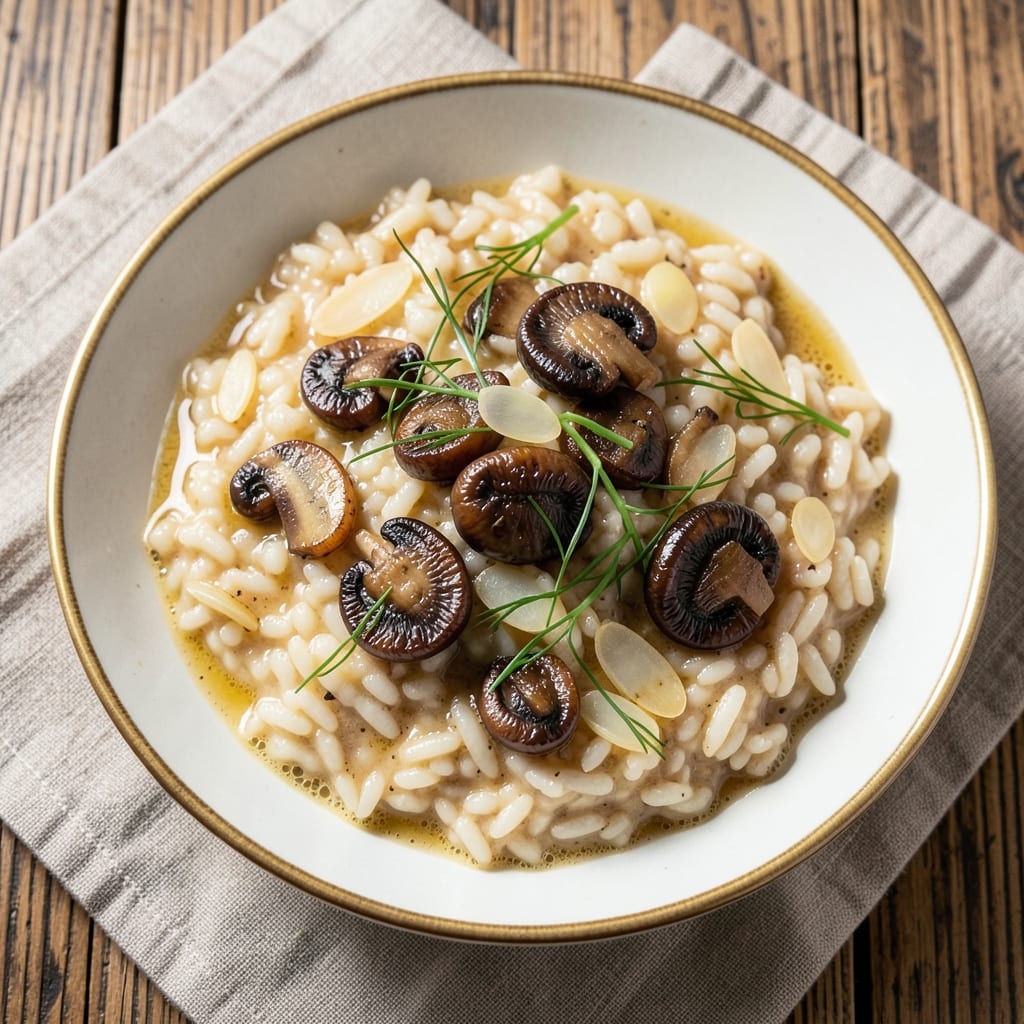
This arborio rice mushroom risotto recipe transforms simple ingredients into restaurant-quality comfort food with just 30 minutes of focused effort. The secret lies in slow-cooking Arborio rice with earthy mushrooms and white wine, creating a velvety texture that’s impossible to resist. I’ve perfected this method after countless batches—each one richer and more flavorful than the last.
The traditional risotto technique is key: toasting the rice in butter, deglazing with wine, and gradually adding warm broth until the grains achieve that signature al dente finish. Mushrooms like cremini or shiitake add deep umami notes, while Parmesan cheese ties everything together into a creamy, cohesive dish. This isn’t just risotto—it’s a textural and flavor experience worth the time.
What makes this recipe stand out is its balance of simplicity and sophistication. No special equipment is needed, just patience and attention to the cooking process. The result? A dish with a luxurious mouthfeel, where each bite delivers layers of savory, creamy, and slightly nutty flavors. Perfect for impressing guests or treating yourself to a weeknight indulgence.
Garnish with fresh thyme or parsley for a pop of color and brightness, and serve immediately while the risotto is at its peak. This recipe scales easily—whether you’re feeding two or six—and the leftovers reheat beautifully. Let’s get started on creating your perfectly creamy risotto.
Ingredients for arborio rice mushroom risotto
Restaurant-quality risotto begins with these twelve ingredients—each playing a precise role in creating velvety texture and umami depth.
| Ingredient | Amount | Notes |
|---|---|---|
| Arborio Rice 🍚 | 1 ½ cups | Unrinsed for optimal starch release |
| Cremini Mushrooms 🍄 | 12 oz | Sliced into even pieces |
| Unsalted Butter 🧈 | ½ cup | European-style preferred |
| Shallots 🧅 | 2 whole | Finely minced for sweetness |
| Dry White Wine 🍷 | ¾ cup | Sauvignon Blanc or Pinot Grigio |
| Vegetable Broth 💧 | 4 cups | Homemade or low-sodium store-bought |
| Parmesan Cheese 🧀 | ¾ cup | Freshly grated, finely |
| Fresh Thyme 🌿 | ¼ cup | Leaves only, chopped |
| Garlic Cloves 🧄 | 3 cloves | Minced for aromatic depth |
| Extra-Virgin Olive Oil 🫒 | 2 tbsp | For finishing drizzle |
| Diamond Crystal Kosher Salt 🧂 | 1 ½ tsp | Adjust to taste |
| Black Pepper 🌶️ | ½ tsp | Freshly cracked |
| Fresh Parsley 🌿 | ⅛ cup | Chopped for garnish |
The Arborio rice is non-negotiable—its high starch content creates the signature creaminess. Lidi or Carnaroli are premium alternatives if available, but Arborio delivers consistent results. For mushrooms, cremini or shiitake provide the most umami, though any variety works. Whole Foods or specialty grocers carry the best selection of mushrooms, but even standard grocery stores stock cremini. Toast the rice in butter until translucent—this step develops the nutty flavor foundation. European-style butter has higher fat content, which enhances the dish's richness. Shallots add sweetness without overpowering; avoid onions, which can introduce bitterness.
No white wine? Substitute with extra vegetable broth, but add a splash of lemon juice for acidity. For a vegetarian-friendly Parmesan, Parmigiano-Reggiano is ideal, but any aged cheese works in a pinch. Fresh thyme and parsley can be swapped for dried at one-third the amount, though fresh imparts brighter flavor. The vegetable broth should be hot when added—cold broth halts cooking. For extra depth, infuse the broth with a garlic clove or sprig of thyme while heating. If using pre-minced garlic, toast it in olive oil first to mellow its sharpness.
Risotto is best served immediately, but leftovers reheat beautifully with a splash of broth or water. Store in an airtight container for up to 3 days in the refrigerator, or freeze for 3 months. To reheat, warm gently on the stove with a splash of broth, stirring until creamy. The texture will be slightly drier post-reheating, but adding a pat of butter restores richness. For meal prep, cook the risotto one step under (al dente), then finish with extra broth and cheese when serving to maintain optimal texture.
Why You'll Love This Recipe
- No-Chop Night: The shallots barely need slicing—just a quick mince—and the mushrooms? I toss them in whole, then halve if they’re big. Honestly, the only measuring you’ll do is the rice, and even that’s forgiving.
- Umami Bomb: That first sip of wine deglazing the pan? Earthy mushrooms, nutty butter, and a whisper of shallot sweetness—it’s like a flavor party where every bite tastes richer than the last. The rice soaks up all the goodness without needing fancy add-ins.
- Weeknight Hero: Make a double batch on Sunday, and you’ve got dinner covered for three nights. The leftovers reheat beautifully, though I’ll admit: they’re almost as good fresh. Perfect for when you’re too tired to cook but still want to feel fancy.
- Pantry Staple Power: Arborio rice and mushrooms sit in my cupboard for months, waiting for this moment. Butter and wine? I already have those. It’s one of those recipes where you’re not scrambling for obscure ingredients—just good, reliable flavors that never let you down.
Step-by-step instructions for perfect Arborio rice mushroom risotto
Master this technique and you'll achieve restaurant-quality risotto with a creamy, al dente texture every time.
Sauté Mushrooms and Aromatics to Build Deep Flavor
Heat the 2 tablespoons extra-virgin olive oil in a heavy-bottomed pot over medium heat. Add the 12 oz sliced cremini mushrooms and cook for 8-10 minutes until they release their moisture and develop golden brown spots. This slow cooking process enhances their umami flavor without burning.
Push the mushrooms to the side of the pot and add the 0.5 cup unsalted butter. When the butter foams, add the 2 finely minced shallots and 3 minced garlic cloves, cooking for 2-3 minutes until the shallots become translucent and the garlic is fragrant. Here's the thing—don't rush this step. The mushrooms need time to develop flavor, and the aromatics should cook until they're barely perceptible on their own, blending perfectly with the mushrooms.
Toast the Arborio Rice for Optimal Starch Release
Add the 1.5 cups unrinsed arborio rice to the pot and stir to coat it completely in the mushroom mixture. Cook for 2 minutes, stirring constantly, until the rice becomes translucent at the edges. This toasting process, called "risottatura," is crucial—it releases the starches that will later create that signature creamy texture.
I like to press down gently on the rice with a wooden spoon during this step to ensure even contact with the hot pan. This prevents the rice from clumping and ensures each grain develops that perfect al dente texture. You'll know you're on the right track when the rice begins to look slightly glossy and the edges turn just barely opaque.
Deglaze with Wine and Begin the Slow Addition of Broth
Pour in the 0.75 cup dry white wine and stir vigorously until completely absorbed by the rice. This deglazing step is what builds the risotto's rich flavor base. Let the alcohol cook off for 1-2 minutes until the wine has completely evaporated and you can smell its aroma fading.
Now begin adding the 4 cups vegetable broth, ½ cup at a time, stirring constantly after each addition. The goal is to keep the rice just barely simmering—you should see small bubbles forming at the bottom but no vigorous boiling. This slow, steady cooking process allows the rice to absorb the liquid gradually while releasing starches that create the creamy texture. Each addition should take about 4-5 minutes to absorb completely.
Cook to Al Dente Perfection with Thyme and Parmesan
Continue this process for 18-20 minutes total from when you first added the wine, or until the rice is al dente—it should have a slight bite to it when you taste test. About 5 minutes before the rice is fully cooked, stir in the 0.25 cup chopped fresh thyme and 0.75 cup freshly grated parmesan cheese. These ingredients add bright, herbal notes and rich, salty depth that balance the earthy mushrooms.
Taste the risotto and adjust seasoning with the 1.5 teaspoons kosher salt and 0.5 teaspoon black pepper as needed. The risotto should be creamy but still have a slight resistance when you bite into a grain. If it's too thick, add a splash more broth; if too thin, let it cook uncovered for another minute or two to thicken slightly.
Finish with Butter and Olive Oil for Luxurious Texture
Remove the pot from heat and stir in the remaining 2 tablespoons extra-virgin olive oil and any remaining unsalted butter. This final step creates the risotto's signature luxurious mouthfeel—each bite should be velvety with a beautiful sheen. The oil and butter also help distribute the flavors evenly throughout each grain.
Let the risotto rest for 2-3 minutes before serving. This brief resting period allows the flavors to meld and the texture to set slightly. Garnish each serving with 0.125 cup chopped fresh parsley and an additional sprinkle of parmesan cheese. Serve immediately with crusty bread to soak up any remaining sauce—this risotto is at its peak when enjoyed fresh from the pot.
Pro Tips For Making Arborio Rice Mushroom Risotto
- STIR LIKE YOU MEAN IT: Arborio rice needs constant, vigorous stirring—think of it like paddling a canoe in choppy water. The goal is to keep the rice moving so it releases starch evenly and doesn’t stick. I used to half-ass this, and my risotto turned out gummy. Now I use a wooden spoon and really dig in, scraping the bottom every 30 seconds.
- SAUTE MUSHROOMS UNTIL DRY: Don’t stop cooking the mushrooms when they’re soft—keep them going until they’re almost crispy and most of the moisture has evaporated. This builds flavor and ensures they don’t turn to mush when the rice absorbs the broth later. (Yes, even if it looks like you’re overcooking them—you’re not.)
- SALT THE BROTH, NOT THE RICE: The rice will absorb the broth’s seasoning, so skip adding salt directly to the pot. Instead, season your broth (or water + bouillon) generously—about 1 teaspoon per cup—before adding it to the rice. Trust me, your risotto will taste way more cohesive if you do this.
- TOSS IN THE WINE EARLY: Deglaze the pan with the white wine right after cooking the shallots, before adding the rice. This ensures the wine’s acidity brightens the shallots’ sweetness and cuts through the richness of the butter. If you wait until later, the wine just turns into a sad, flavorless puddle.
Serving suggestions for this arborio rice mushroom risotto
Plating Like a Pro
Risotto’s beauty lies in its simplicity—serve it in shallow, wide bowls to showcase its velvety texture. I love using white stoneware bowls (like those from Le Creuset) because they complement the dish’s earthy tones. Spoon the risotto directly from the pot to preserve its creamy consistency, then finish with a drizzle of extra-virgin olive oil and a sprinkle of fresh parsley for color. 🌿
Bread Pairings
Crusty bread is non-negotiable—it soaks up any lingering sauce and adds texture contrast. My go-to is a baguette or ciabatta, sliced and toasted with garlic-infused olive oil. For extra indulgence, serve with a side of truffle butter (like La Tourangelle) for dipping. Pro tip: Warm the bread in the oven for 3-5 minutes at 350°F to keep it fresh.
Wine and Beer Pairings
A crisp Sauvignon Blanc or Pinot Grigio (the same wine used in the recipe!) cuts through the richness beautifully. For beer lovers, a Belgian witbier like Hoegaarden adds citrusy brightness. Avoid heavy reds—they’ll overpower the dish’s delicate flavors. 🍷
Vegetable Sides
Light, fresh sides balance the richness. I recommend a simple arugula salad with lemon vinaigrette—the peppery bite cleanses the palate. Roasted asparagus with lemon zest also pairs perfectly, especially in spring. For heartier meals, add grilled zucchini with balsamic glaze.
Garnish Upgrades
Elevate your dish with unexpected garnishes: a few toasted pine nuts (½ cup) add crunch, while shaved Parmesan on top adds visual drama. For a smoky touch, sprinkle with crumbled pancetta or duck fat crisps. Even a pinch of red pepper flakes adds subtle heat for those who love it spicy. ✨
Make-Ahead Serving
If prepping ahead, cook the risotto one step under (al dente) and refrigerate in an airtight container. Reheat gently with 2-3 tablespoons broth, stirring until creamy. Finish with extra butter and Parmesan to restore richness. Serve with a side of warm crusty bread to complete the meal. ⏰
Nutrition facts
Frequently asked questions
Why does Arborio rice work best for risotto?
Arborio rice has a higher starch content than regular rice, which releases as it cooks, creating that signature creamy texture. The starch also helps bind the dish together, giving it that luxurious mouthfeel. Other varieties like basmati or jasmine won't provide the same velvety consistency.
Can I substitute white wine with something else?
Yes! If you don’t have white wine, use ½ cup vegetable broth + 1 tablespoon lemon juice for acidity. For a non-alcoholic option, try dry apple cider or champagne vinegar (1 tablespoon). The key is balancing the dish’s richness with acidity to brighten the flavors.
How do I know when the risotto is done?
The risotto is perfect when the rice is al dente—it should have a slight bite (like pasta) but still be creamy. Test by tasting a grain: if it’s tender but not mushy, and the liquid has been fully absorbed, it’s ready. Overcooking turns risotto gluey, so remove it from heat just before it’s fully done.
What if my risotto turns out too thick or too thin?
If too thick, stir in 1-2 tablespoons warm broth and let it sit off heat for 2 minutes to absorb. If too thin, cook uncovered on low heat for 1-2 minutes to thicken. The final texture should be creamy but still allow you to see individual grains when stirred.
Can I make this risotto ahead of time?
Cook the risotto one step under (al dente), then refrigerate in an airtight container. Reheat with 2-3 tablespoons broth per serving, stirring until creamy. Finish with extra butter and Parmesan to restore richness. For best results, serve immediately after reheating—textures change slightly when stored.