
Main Courses
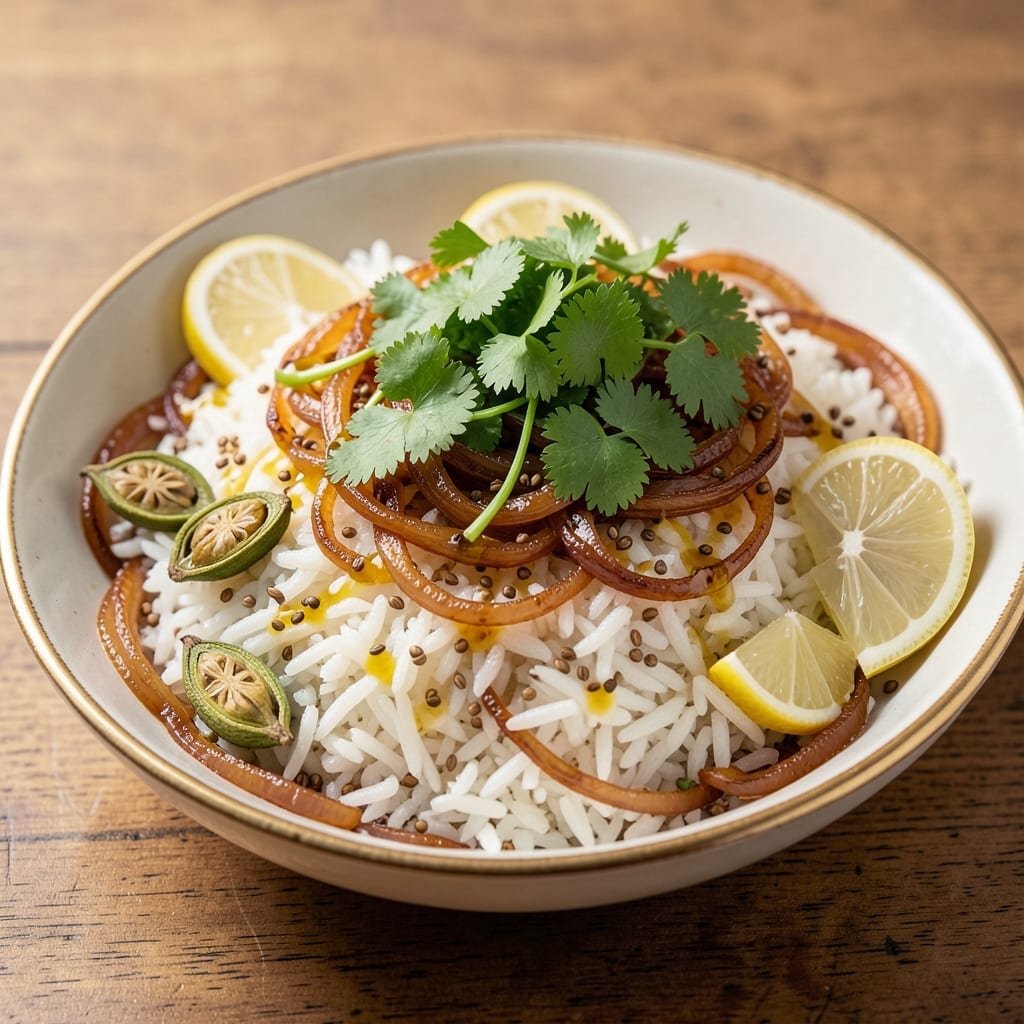
This aromatic Indian rice recipe transforms simple basmati into a fragrant, spice-infused centerpiece that steals every meal. The secret lies in a tempering technique where whole spices—cumin, cardamom, and bay leaves—bloom in hot oil, releasing their essential oils into the rice for layers of warmth and complexity. I developed this version after years of experimenting with regional styles, distilling the essence of what makes Indian rice so irresistible: that perfect balance of nutty, floral, and earthy aromas.
The process begins with soaking the rice to achieve the signature fluffy texture, then gently steaming it with spices and herbs until each grain is tender yet distinct. What sets this apart is the two-stage cooking method: first, a fragrant base of onions and ginger builds flavor, then the spices are toasted to perfection before being infused into the rice. This ensures every bite delivers that restaurant-quality aroma that lingers long after the first mouthful.
By the time you serve this dish, your kitchen will smell like a bustling Indian kitchen, and your guests will be transported to a spice market in Mumbai. The rice emerges with a delicate golden hue, infused with warm cardamom, smoky cumin, and a hint of citrus from the bay leaves—each grain perfectly separate yet coated in aromatic essence. It pairs beautifully with grilled meats, yogurt-based curries, or even as a standalone vegetarian feast.
This recipe is designed to be both approachable for beginners and impressive enough for special occasions. The key to success lies in patience—letting the spices bloom and the rice absorb their flavors gradually. Once mastered, this technique becomes your foundation for countless variations, from lemon-infused rice to saffron-infused biryani. Let's create this fragrant masterpiece together.
Ingredients for aromatic indian rice
Twelve ingredients, one transformative technique—this aromatic basmati becomes restaurant-quality with proper spice blooming.
| Ingredient | Amount | Notes |
|---|---|---|
| Basmati Rice 🍚 | 1 ½ cups | Uncooked, long-grain preferred |
| Vegetable Oil 🫒 | ½ cup | High smoke point preferred |
| Yellow Onion 🧅 | 1 whole | Finely chopped, medium size |
| Fresh Ginger 🌿 | 2 tbsp | Grated, organic preferred |
| Whole Cumin Seeds 🌶️ | 1 tbsp | Toasted for deeper aroma |
| Green Cardamom Pods 🌿 | 6 whole | Lightly crushed, seeds exposed |
| Bay Leaves 🍃 | 2 whole | Fresh, preferably Indian |
| Fresh Cilantro 🌿 | ¼ cup | Chopped, stems removed |
| Salt 🧂 | 1 ½ tsp | Diamond Crystal preferred |
| Water 💧 | 3 cups | Filtered preferred for flavor |
| Lemon Juice 🍋 | 1 tbsp | Freshly squeezed |
| Ghee 🧈 | 2 tbsp | For final tempering |
The spices are non-negotiable here. Whole cumin seeds from Penzeys or your local Indian market deliver the deepest aroma—pre-ground loses potency fast. Cardamom pods should be plump and green, not dried out; Spicewalla carries excellent quality. Bay leaves are often overlooked, but fresh ones add that subtle citrus note that elevates everything. For ginger, organic is worth it—the flavor is brighter and less bitter. Toast your cumin seeds in a dry pan for 30 seconds before blooming in oil; this releases their essential oils completely, creating that signature smoky depth. The rice? Basmati from India (like Tilda) has the right length and aroma—American basmati often falls short.
No whole spices? Ground cumin at half the amount works in a pinch, but you'll miss that toasted aroma. Skip the cardamom? 1/4 tsp ground cardamom substitutes, though it lacks the floral complexity. Bay leaves can be omitted entirely if unavailable. Fresh ginger? Powdered at 1/4 tsp is a poor substitute—better to skip than compromise. The ghee is essential for that final tempering step; store-bought works fine, but homemade adds richness. For the water, filtered or spring water prevents off-flavors. Lemon juice can be swapped for lime juice at equal amounts, though lemon's brightness complements the spices better. The onions? Red or white work, but yellow gives the most sweetness for the base.
Rice absorbs aromas best when pre-soaked for 20-30 minutes—don't skip this. Store dry spices in airtight containers away from light for up to 6 months, though cardamom stays potent for 1 year. Fresh ginger keeps 2 weeks in the fridge, wrapped tightly. The finished rice reheats beautifully—just add a splash of water and cover for 5 minutes. For meal prep, portion into containers with a layer of ghee on top to preserve moisture and aroma. This dish tastes even better the next day as flavors meld further, so make extra—it disappears quickly.
Why You'll Love This Recipe
- Here’s what sold me: this keeps perfectly for days. Pack it cold for work or reheat it for dinner—it’s my go-to when I need something reliable. (Yes, even on a Tuesday night.) The rice stays separate, so it’s easy to portion, and the spices only get better with time.
- One-Pot Magic: I swear by this recipe when I’m too tired to wash pots. Toast the cumin seeds in oil first—that smell alone makes everything better—and the onions and ginger caramelize right in the same pan. No extra bowls, no extra stress.
- Flavor Bomb: The moment those whole cumin seeds hit the hot oil? Instant warmth. The onions turn golden, the ginger adds a zing, and the basmati rice soaks it all up like a sponge. Simple ingredients, but layered flavor—crispy edges, fragrant grains, and a depth that makes store-bought rice look sad.
- Lunchbox Hero: Here’s what sold me: this keeps perfectly for days. Pack it cold for work or reheat it for dinner—it’s my go-to when I need something reliable. (Yes, even on a Tuesday night.) The rice stays separate, so it’s easy to portion, and the spices only get better with time.
Step-by-step instructions for aromatic Indian rice
Transform simple basmati rice into a fragrant, spice-infused masterpiece with these precise techniques.
Toast the Whole Spices for Maximum Flavor
Heat the 0.5 cup vegetable oil in a heavy-bottomed pot over medium-low heat. Add the 1 tbsp whole cumin seeds and 6 whole green cardamom pods, stirring constantly for 30 seconds until the cumin begins to sizzle and release its aroma. You'll notice the oil shimmering and the spices changing color slightly—this indicates they're ready.
Add the 2 whole bay leaves and continue cooking for another 30 seconds. The spices should be fragrant but not browned. Immediately add the 1 whole yellow onion and 2 tbsp fresh ginger, stirring to coat in the oil. Cook for 3-4 minutes until the onions soften and turn translucent, releasing their sweet aroma. This foundational step builds the aromatic base for your rice.
Bloom the Spices and Prepare the Rice
Add the 1.5 cups basmati rice to the pot and stir gently for 1 minute, coating each grain in the spice-infused oil. This ensures even distribution of flavor. Add the 1.5 tsp salt and mix once more. The rice should look uniformly coated in oil and spices.
Pour in the 3 cups water and bring to a gentle boil. Once boiling, reduce heat to low and cover the pot with a tight-fitting lid. The water should return to a simmer within 1-2 minutes—you'll see small bubbles at the edges but no vigorous boiling. This controlled simmer is crucial for achieving perfectly fluffy grains.
Cook the Rice to Perfection
Cook for 12-15 minutes without lifting the lid. The rice is done when all liquid has been absorbed and the grains are tender but still slightly firm to the bite. To test, gently press a grain with a fork—it should hold its shape but feel tender inside. If water remains, continue cooking for another 1-2 minutes before checking again.
Once cooked, remove from heat and let the rice steam undisturbed for 5 minutes. This resting period allows the steam to redistribute, resulting in perfectly separate grains. Avoid the temptation to peek or stir—the rice will continue cooking from residual heat.
Temper with Ghee and Finish
After resting, gently fluff the rice with a fork to separate the grains. In a small saucepan, heat the 2 tbsp ghee over low heat until it melts completely. Pour the melted ghee evenly over the rice and mix gently to coat each grain. This step adds a rich, nutty depth and prevents the rice from drying out.
Transfer the rice to a serving dish and stir in the 0.25 cup fresh cilantro and 1 tbsp lemon juice. The lemon juice brightens the flavors while the cilantro adds freshness. Serve immediately while still warm, allowing the aromatic spices to release their full complexity with each bite.
Pro Tips For Making Aromatic Indian Rice
- CRACK THE CUMIN FIRST: Toss those whole cumin seeds into your dry, hot oil before adding onions—no need to wait for smoke. I used to add them later, but now I hear that deep, toasty pop every time, and it builds flavor from the start. If you rush this, you’ll miss the nutty aroma that’s the soul of the dish.
- SLICE GINGER THIN: Skip the grating—thinly slice the ginger (about 1/16-inch thick) so it softens fast but doesn’t turn to mush. I learned this the hard way: chunky ginger sits like a rock in your rice, no matter how long you simmer. A sharp knife and quick strokes make all the difference.
- COVER THE RICE IMMEDIATELY: As soon as the rice hits the water, slap that lid on tight—no peeking. The steam is what plumps those grains, not the heat. I used to lift the lid to check, and my rice always came out dry. Let it cook undisturbed for 10 minutes, then fluff gently with a fork.
- USE LESS OIL THAN YOU THINK: Two tablespoons is enough to coat the pan for onions and ginger—no need for a pool. Too much oil dulls the spices and makes the rice greasy. Trust me, your taste buds will notice the difference when the aroma hits the air without that oily haze.
Common mistakes when making great aromatic indian rice
Skipping the Soak
Never cook basmati rice without soaking first—this is the #1 mistake that ruins texture. I’ve seen home cooks skip this step because it seems like extra work, but soaking for 20-30 minutes removes excess starch that would otherwise make your rice mushy. The rice absorbs water evenly, resulting in those signature fluffy, separate grains. If you’re in a hurry, at least rinse it 3-4 times under cold water to remove some starch, but soaking is ideal. 💫
Overcrowding the Pot
Using a pot that’s too small for your rice-to-water ratio is a common pitfall. The rule of thumb is 1 cup rice to 1.5 cups water, but your pot must accommodate this with room to spare. When rice is packed too tightly, steam can’t circulate properly, leading to uneven cooking and gummy texture. I recommend a 3-quart heavy-bottomed pot for this recipe—it gives the rice space to expand and steam evenly. If your pot is too small, cook in batches or use a larger one. ⚡
Burning the Spices
Watch those spices like a hawk! Toasting whole spices too long turns them bitter and smoky, which completely ruins the delicate balance of flavors. Cumin seeds should sizzle for just 30 seconds—no longer—before adding other ingredients. The moment they darken, remove them immediately. I’ve seen people walk away for even a minute, and suddenly you’ve got bitter, burnt spices instead of fragrant, aromatic ones. Keep the heat at medium-low and stir constantly. 🌶️
Lifting the Lid Too Soon
Peeking under the lid while the rice cooks is a cardinal sin. Every time you lift that lid, steam escapes, and the cooking process slows down dramatically. This can add 5-10 extra minutes to your cook time and result in unevenly cooked grains. Trust the process: once you’ve added the water, cover and don’t look until the 12-15 minutes are up. The rice will continue cooking from residual heat during the 5-minute rest, so patience here is key. 🔥
Using the Wrong Heat Level
Cooking rice on high heat is a fast track to disaster. The water needs to simmer gently, not boil vigorously, to prevent the rice from turning out hard or pasty. Once you bring the water to a boil, immediately reduce the heat to low—just enough to maintain a gentle simmer with small bubbles at the edges. I’ve seen people keep it on high, and the rice either burns at the bottom or ends up undercooked. A heavy-bottomed pot helps maintain even heat distribution, so invest in one if you don’t have it. 🌡️
Neglecting the Resting Time
Skipping the 5-minute rest after cooking is another huge mistake. This step allows the steam to redistribute, ensuring each grain is perfectly tender and separate. Without it, the rice can turn out dry or sticky. I know it’s tempting to dig in immediately, but resist! Cover the pot and let it sit—you’ll be rewarded with restaurant-quality texture. If you’re really impatient, wait at least 2 minutes, but 5 minutes is ideal. 💪
Nutrition facts
Frequently asked questions
Can I substitute basmati rice with jasmine or other varieties?
While you can use jasmine rice, it won't give you the same signature texture and aroma. Basmati's long grains stay separate and maintain their shape beautifully, while jasmine tends to be stickier. For the best results, stick with basmati—it's worth seeking out at Indian markets or specialty stores for that authentic experience.
How do I make this rice more flavorful without adding extra ingredients?
Toast your spices longer (up to 45 seconds for cumin) and use more whole spices—try adding 2-3 black peppercorns or 1-inch cinnamon stick to the tempering. Also, let the cooked rice sit covered for 10-15 minutes after resting to deepen the spice infusion. The longer it steams, the more aromatic it becomes!
Is this recipe vegetarian-friendly?
This aromatic rice is naturally vegetarian—just ensure your ghee is dairy-free if needed. For extra protein, serve with chickpea curry or paneer. The spices and lemon juice make it a complete vegetarian meal that's packed with flavor and nutrients.
Can I make this ahead of time for meal prep?
Yes, but with a few key adjustments. Cook the rice as directed, then spread it on a tray to cool completely before storing in airtight containers. Add a teaspoon of ghee per cup of rice to keep it moist. It reheats beautifully—just add a splash of water, cover, and microwave for 2 minutes. The flavors actually improve overnight!
What's the best way to serve this aromatic rice?
This fragrant rice pairs perfectly with yogurt-based curries, grilled meats, or even as a standalone vegetarian dish. For a complete meal, try serving with raita (yogurt sauce) and a side of sautéed vegetables. The lemony brightness of the rice complements rich, creamy dishes beautifully.