
Main Courses
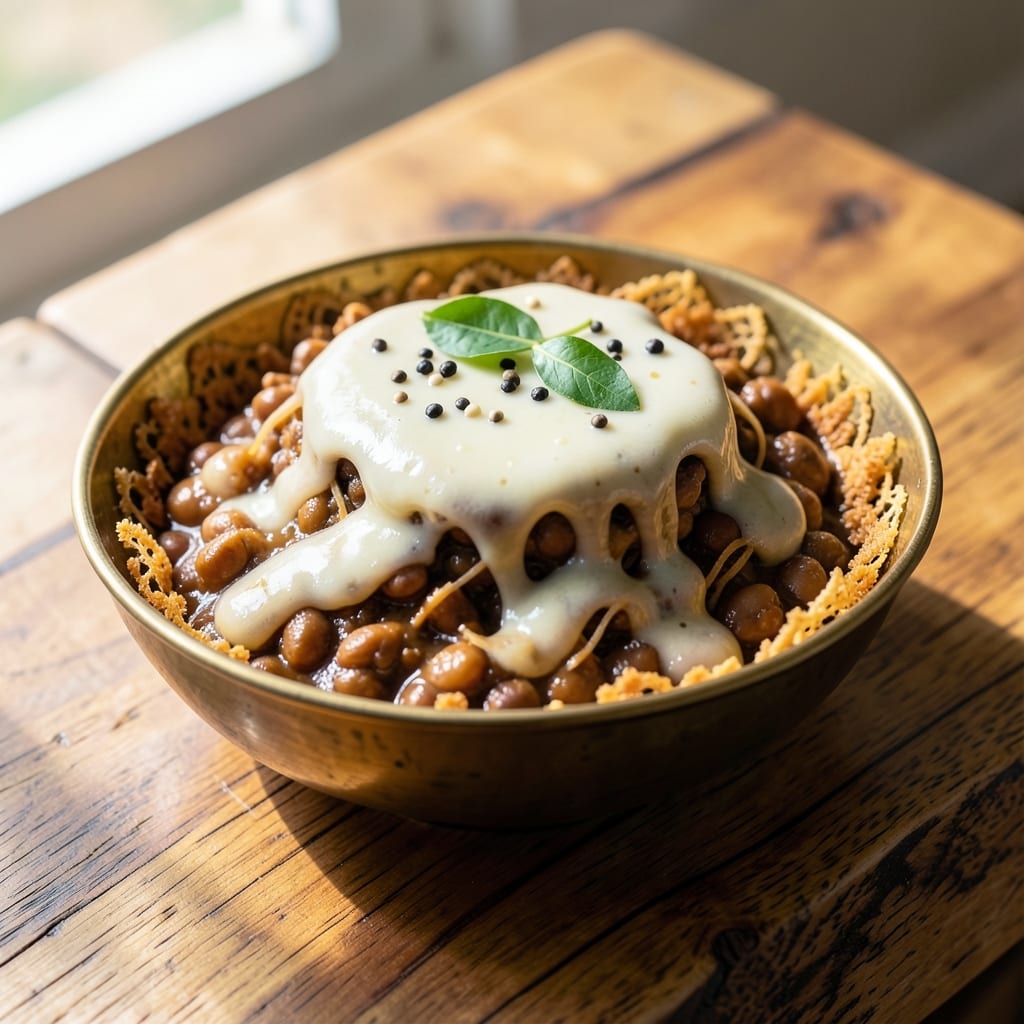
This store-bought rice flour adhirasam delivers the same comforting, tangy-sweet porridge magic you'd find in South Indian homes—no special ingredients required. The secret lies in tempering whole spices with mustard seeds and curry leaves, then blending them into a fragrant, spiced rice flour batter that transforms into a velvety porridge when cooked with tamarind and coconut milk. I developed this version after realizing how accessible the dish could be with pantry staples, while still honoring its traditional roots.
The beauty of this recipe is its simplicity: just rice flour, lentils, tamarind, and a handful of spices come together to create a dish that's both nourishing and deeply flavorful. The tempering step—where mustard seeds pop and curry leaves release their aroma—elevates the porridge from ordinary to extraordinary. What makes it special is how the tamarind's tangy brightness balances the rice flour's natural sweetness, creating that signature South Indian flavor profile.
What you'll end up with is a smooth, comforting porridge with the perfect consistency—thick enough to be satisfying, yet light enough to digest easily. The spices infuse the porridge with warmth, while the coconut milk adds richness without overpowering the tamarind's tang. This dish is vegetarian, packed with protein from the lentils, and can be customized with vegetables like drumsticks or even a pinch of jaggery for extra sweetness.
Serve it hot for breakfast or as a light lunch, and watch how its aromatic steam transforms any meal into a comforting experience. The best part? It comes together in under 30 minutes, making it a perfect solution for quick yet wholesome meals. Let's get started!
Ingredients for adhirasam recipe with store bought rice flour
Just 13 pantry staples transform into this velvety South Indian porridge—spice-packed and tangy-sweet perfection.
| Ingredient | Amount | Notes |
|---|---|---|
| Store-Bought Rice Flour 🌾 | 1 ½ cups | Fine texture preferred for smooth porridge |
| Toor Dal (Split Yellow Lentils) 🌱 | ½ cup | Rinsed thoroughly before use |
| Tamarind Paste 🍈 | 3 tbsp | Adjust for desired tanginess |
| Coconut Milk (Full-Fat) 🥥 | 1 cup | Canned for creaminess |
| Mustard Seeds 🌶️ | 1 tsp | Freshly ground for best flavor |
| Curry Leaves 🌿 | ¼ cup | Dried or fresh, lightly crushed |
| Cumin Seeds 🌿 | ½ tsp | Toasted for aromatic depth |
| Dried Red Chilies 🌶️ | 2 pieces | Broken into small pieces |
| Asafoetida (Hing) 🌿 | ⅛ tsp | Pinch for authentic flavor |
| Salt 🧂 | ½ tsp | Adjust to taste |
| Water 💧 | 2 ½ cups | Room temperature preferred |
| Ghee or Coconut Oil 🫒 | 2 tbsp | For tempering spices |
| Jaggery or Brown Sugar 🍯 | 1 tbsp | Optional for extra sweetness |
The rice flour is your foundation—Maa brand or any fine-texture store-bought works perfectly. For the lentils, toor dal gives that signature South Indian texture, but moong dal works too if that's what you have. Tamarind paste can be tricky to find fresh, so look for the block version at Indian grocery stores—it's more flavorful than the powdered kind. The coconut milk should be full-fat for richness; Aroy-D or Thai Kitchen brands are my go-tos, but any canned brand works. As for spices, mustard seeds and curry leaves are non-negotiable—they carry that aromatic magic. I always grab them from Spicewalla (if you're near one) or the bulk bins at Whole Foods for maximum freshness.
No tamarind paste? Lemon juice with a pinch of sugar mimics the tang, though it won't be identical. Short on coconut milk? Cashew cream (blend soaked cashews with water) is a great substitute—just use half the amount. The dried red chilies can be swapped for Kashmiri chili powder if you prefer less heat. For the asafoetida (hing), a tiny pinch is all you need—it's potent stuff! The ghee or coconut oil is for tempering; if you're avoiding dairy, coconut oil works perfectly. And that jaggery? Only add it if you want extra sweetness—it's optional but divine when you do.
This porridge keeps beautifully—3-4 days in the fridge if you store it in an airtight container. Reheat gently with a splash of water or coconut milk to restore that creamy texture. For meal prep, I like to make a double batch and freeze portions in ice cube trays—perfect for quick breakfasts or post-workout recovery. The spices lose potency over time, so if you're storing leftovers, re-temper with a pinch of mustard seeds and curry leaves before reheating. Trust me, that extra step makes all the difference!
Why You'll Love This Recipe
- Pantry in Minutes: I swear by this recipe when I forget to stock up—just rice flour, toor dal, and tamarind from the shelf. No last-minute grocery runs, no stress. The mustard seeds sizzle in seconds, and the coconut milk adds that lusciousness without extra effort.
- Tamarind Tang Magic: That little block of tamarind paste? It’s the secret weapon. The sour bite cuts through the richness of the coconut milk, while the toor dal adds a subtle earthiness. Honestly, the balance is chef’s kiss—no fancy ingredients, just pure flavor.
- Leftover Hero: This dish actually tastes better the next day. I make a big batch on Sundays, and by Wednesday, it’s still creamy, still fragrant, still begging to be eaten. Reheat it gently, and it’s like a warm hug in a bowl.
- Budget Breakthrough: Toor dal is cheap, rice flour is cheap, and coconut milk stretches far. I feed my family three hearty servings for under $5. Between us, this is how I stretch my grocery budget without sacrificing taste—or my sanity.
Step-by-step instructions for adhirasam porridge
Transform simple ingredients into velvety, tangy perfection with this foolproof method.
Prepare the Dal-Tamarind Base
In a medium saucepan, combine the 0.5 cup toor dal (split yellow lentils) with 2.5 cups water. Bring to a rolling boil over medium-high heat, then immediately reduce to medium-low heat. Let it simmer uncovered for 15-20 minutes until the lentils are completely tender and the mixture reduces to a thick, paste-like consistency. You'll notice the liquid will significantly reduce and the lentils will break down into a smooth texture.
While the lentils cook, dissolve the 3 tbsp tamarind paste in ½ cup hot water in a separate bowl. This helps prevent clumping and ensures even distribution of the tangy flavor. Once the lentils are tender, stir in the tamarind mixture and 0.5 tsp salt. Let this simmer for another 2-3 minutes until fully incorporated. The mixture should now have a rich, tangy aroma with a thick, syrupy texture.
Create the Spice Tempering
Heat 2 tbsp ghee or coconut oil in a small pan over low heat. Add the 0.5 tsp cumin seeds and let them sizzle gently for 30 seconds until they release their aromatic oils and begin to turn golden. Immediately add the 2 pieces dried red chilies (broken into small pieces) and 0.25 cup curry leaves. Sauté for 1 minute until the curry leaves darken slightly and the chilies turn vibrant red.
Quickly add the 1 tsp mustard seeds and 0.125 tsp asafoetida (hing). The mustard seeds will pop vigorously—this is your signal that the tempering is ready. Pour this fragrant oil mixture into the lentil-tamarind base while stirring continuously. The spices will instantly infuse the porridge with their complex flavors, creating that signature South Indian aroma.
Blend and Cook the Porridge
Transfer the spiced lentil mixture to a blender and add the 1.5 cups store-bought rice flour. Blend on high speed for 1-2 minutes until completely smooth. The texture should be like a thick, creamy batter with no lumps. Return this mixture to the saucepan and cook over low heat, stirring constantly with a wooden spoon or spatula.
As the mixture heats, it will gradually thicken. After 5-7 minutes of continuous stirring, you'll notice it transform into a glossy, velvety porridge. The key here is patience—the porridge should coat the back of a spoon but still be pourable. If it thickens too quickly, add 1-2 tablespoons water at a time until you reach the perfect consistency.
Finish with Creamy Coconut and Sweetness
Reduce the heat to low and stir in the 1 cup full-fat coconut milk. The porridge will become even richer and more luxurious in texture. Add the 1 tbsp jaggery or brown sugar (if using) and mix well. The jaggery will dissolve completely, adding just the right amount of sweetness to balance the tangy tamarind.
Let the porridge simmer for 2-3 minutes more, stirring occasionally, until it reaches a smooth, silky consistency. Taste and adjust seasoning if needed—you might want to add a pinch more salt or tamarind paste to suit your preference. The final texture should be thick enough to coat a spoon but still have a gentle pour.
Serve Warm with Fresh Garnish
Transfer the adhirasam to serving bowls and let it cool for 2-3 minutes—just enough to prevent burning your mouth but still warm and comforting. Garnish each serving with a sprinkle of 0.25 cup fresh curry leaves (lightly crushed) for an extra burst of aroma. The contrast between the warm, creamy porridge and the fresh, herbal curry leaves creates a sensory experience that's simply magical.
Serve immediately while warm, preferably with a side of crispy papadums or a dollop of coconut yogurt. The porridge should be thick enough to stay on the spoon but still have that luxurious, velvety mouthfeel that makes this dish so special. Each spoonful delivers a perfect balance of tangy, creamy, and slightly sweet flavors that will have you reaching for seconds!
Pro Tips For Making Adhirasam Recipe With Store Bought Rice Flour
- Bloom the Flour: DESCRIPTION: Mix your store-bought rice flour with twice the water called for (yes, really) and let it sit for 10 minutes before cooking. This prevents clumping and gives that signature silky texture—no lumps, no guesswork. I learned this the hard way after scraping burnt bits off the pan for three batches.
- Temper the Dal: DESCRIPTION: Toast your toor dal in a dry pan until it smells nutty (about 2 minutes), then immediately add boiling water to cook it. Skipping the toasting makes the dal taste raw and dull—it’s the non-negotiable step that turns bland lentils into flavor bombs.
- Thin the Coconut Milk: DESCRIPTION: Don’t drown the adhirasam in coconut milk—mix it gradually while stirring constantly. Too much at once makes the batter watery; too little leaves it dry. Aim for a consistency like thick pancake batter, and adjust with hot water if needed.
- Salt the Tamarind: DESCRIPTION: Add a pinch of salt to your tamarind paste before dissolving it in water. Tamarind’s natural bitterness gets muted by salt, so you’ll need less sugar later. Trust me, your taste buds will notice the difference—it’s the subtle upgrade that makes the dish sing.
Common mistakes when making your adhirasam recipe with store bought rice flour
Overcooking the Lentils
One of the most common mistakes is letting the toor dal (split yellow lentils) turn mushy or break down completely into a paste. The ideal texture should be tender but still hold its shape slightly—this ensures your porridge has body without being gluey. I've seen people simmer the lentils for too long, thinking more time equals better flavor, but this actually makes blending the batter much harder and results in a gummy consistency. 🌱
To avoid this, keep a close eye on the lentils after they've reduced by half. They should be soft but not falling apart—about 15-20 minutes of simmering is perfect. If they start looking too mushy, drain off some of the excess liquid immediately. The key is maintaining that thick, syrupy texture before blending.
Skipping the Tamarind Prep
Another frequent error is adding tamarind paste directly to the lentils without dissolving it first. Tamarind has a tendency to clump, and if you don't dissolve it properly in warm water, you'll end up with uneven tanginess throughout your porridge. I've tasted batches where the tamarind was only partially incorporated, leaving some spoonfuls bland while others were overly sour. 🍈
Always dissolve the 3 tbsp tamarind paste in ½ cup hot water first—this ensures even distribution. If you're using block tamarind, strain out any fibers to prevent gritty texture. The paste should be completely smooth before mixing it with the cooked lentils. Pro tip: If you don't have tamarind paste, lemon juice with a pinch of sugar works in a pinch, though it won't be identical.
Incorrect Rice Flour Measurement
Using too much or too little rice flour can completely ruin your porridge's texture. I've seen people eyeball the 1.5 cups measurement, only to end up with either a runny mess or a dense, cake-like consistency. The rice flour is what gives adhirasam its signature velvety body, so getting this right is crucial. 🌾
Always measure by weight if possible—1.5 cups of rice flour typically weighs about 180 grams. If you're using a kitchen scale, aim for precise measurements. When blending, make sure the rice flour is completely incorporated into the lentil mixture before cooking. If you notice lumps after blending, strain the batter through a fine-mesh sieve to ensure silky smoothness.
Rushing the Tempering Process
Many home cooks rush the tempering step, which is where all the aromatic magic happens. I've seen people add all the spices at once and then immediately pour them into the porridge, missing the crucial sizzling and popping that develops the flavors. The mustard seeds need time to pop, the curry leaves need to darken slightly, and the cumin needs to toast—each of these steps builds layers of flavor. 🌶️
Take your time with the tempering: heat the 2 tbsp ghee or coconut oil on low, then add the cumin seeds first. Let them sizzle for 30 seconds until fragrant before adding the red chilies and curry leaves. The mustard seeds should pop vigorously before you add the asafoetida. This sequence ensures each spice contributes its best flavor to the porridge. If you rush this step, your final dish will taste flat and underdeveloped.
Ignoring the Low-and-Slow Cooking
The final cooking stage is where many people make mistakes by either cooking too quickly or not stirring enough. I've seen adhirasam turn grainy or develop a skin at the bottom if not stirred constantly over low heat. The porridge needs gentle, continuous stirring to prevent burning and ensure even cooking. ⏰
After adding the rice flour batter to the pan, maintain low heat and stir continuously with a wooden spoon for 5-7 minutes. You're looking for that moment when it transforms from batter to glossy porridge. If it thickens too quickly, add 1-2 tablespoons water at a time. The porridge should coat the back of a spoon but still be pourable. Skipping this careful cooking leads to either a lumpy texture or a burnt bottom—neither of which you want in your perfect adhirasam.
Nutrition facts
Frequently asked questions
Can I make adhirasam without tamarind?
Yes, you can substitute tamarind with 3 tbsp lemon juice mixed with 1 tsp sugar to mimic the tangy flavor. For a closer match, use 1 tbsp amchur (dry mango powder) instead—it adds that signature South Indian tang without the sourness. Just remember these substitutes won't be identical, but they'll still create a delicious porridge.
How do I adjust the consistency if my adhirasam turns out too thick?
If your porridge is too thick, simply stir in 1-2 tablespoons warm water or coconut milk while cooking. For a smoother texture, blend the mixture again briefly to eliminate any lumps. The ideal consistency should be thick enough to coat the back of a spoon but still pourable. If you prefer it thinner, add the liquid gradually while stirring continuously over low heat.
Can I use instant rice flour instead of regular rice flour?
Instant rice flour works, but it may require slightly more water during cooking since it absorbs moisture differently. Use 1.25 cups instant rice flour instead of 1.5 cups regular rice flour and add water gradually while cooking to achieve the right texture. The flavor will be similar, but the cooking process might need a bit more attention to prevent clumping.
What are some good toppings for adhirasam?
Freshly crushed curry leaves, a sprinkle of roasted peanuts, or a drizzle of ghee are classic choices. For extra protein, try crispy papadums on the side. You can also add a pinch of black pepper or a few cashew nuts** for crunch. The key is to keep toppings light so they don't overpower the delicate flavors of the porridge.
How long does adhirasam keep in the refrigerator?
Store your adhirasam in an airtight container in the fridge for up to 3-4 days. When reheating, add a splash of water or coconut milk to restore its creamy texture. For best results, reheat gently on low heat while stirring continuously. If stored properly, the flavors actually improve slightly as the spices meld together over time!