
Side Dishes
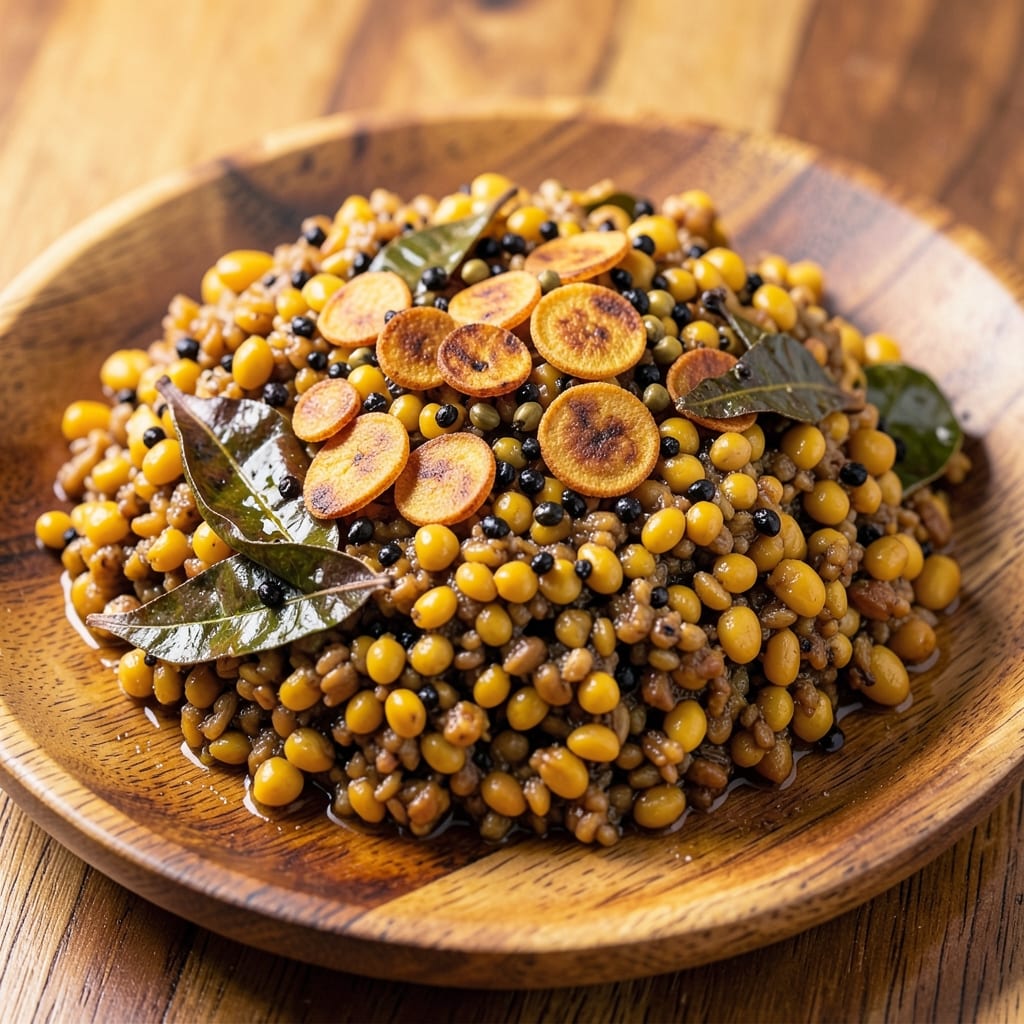
This adaí recipe without rice transforms a beloved South Indian classic into a hearty, protein-rich dish that skips grains entirely. The secret lies in a flavor-packed lentil and millet base that absorbs aromatic spices like mustard seeds, curry leaves, and coconut—creating layers of toasty, nutty depth without traditional rice. I developed this version after discovering how well millet and lentils hold up to the same spice-roasting techniques, delivering the same satisfying texture and bold flavors. What makes this recipe special is its versatility—it works as a standalone meal or pairs beautifully with yogurt, pickles, or a simple cucumber salad. The key to perfecting it lies in toasting the spices until they release their oils, then simmering the lentils and millet until they’re tender but still hold their shape. This ensures every bite delivers that signature adai crunch and chew without relying on rice for structure. The result is a dish that’s naturally gluten-free, high in protein, and packed with warmth from freshly ground spices. The coconut adds a creamy contrast, while the millet brings an earthy nuttiness that balances the heat. It’s the kind of meal that feels both comforting and sophisticated—ideal for weeknight dinners or special occasions when you want to honor tradition while keeping things light. For those new to adai, this version is foolproof—the millet and lentil base forgives minor timing differences, and the spices can’t be over-toasted (just don’t burn them). Serve it with a side of spicy chutney or a cooling raita to round out the meal. Let’s get cooking!
Ingredients for adai recipe without rice
Toasted spices, lentils, and millet create a hearty adai without rice—bold flavors with satisfying texture.
| Ingredient | Amount | Notes |
|---|---|---|
| Yellow Lentils (Toor Dal) 🌾 | 1 cup | Rinsed thoroughly before cooking |
| Foxtail Millet 🌾 | ½ cup | Rinsed and soaked 30 minutes |
| Ghee or Coconut Oil 🫒 | 3 tbsp | For toasting spices |
| Mustard Seeds 🌶️ | 1 tbsp | Lightly crushed for even toasting |
| Dried Curry Leaves 🌿 | ¼ cup | Or 1 tbsp fresh, finely chopped |
| Urad Dal (Split Black Gram) 🌾 | ¼ cup | For tempering, lightly roasted |
| Asafoetida (Hing) 🌶️ | ⅛ tsp | Pinch for aroma |
| Coconut (Fresh or Grated) 🥥 | ½ cup | Unsweetened, packed |
| Green Chilies 🌶️ | 2 whole | Slit lengthwise, seeds removed |
| Cumin Seeds 🌿 | 1 tsp | Toasted until fragrant |
| Turmeric Powder 🧂 | ½ tsp | Freshly ground preferred |
| Salt 🧂 | 1 tsp | Adjust to taste |
| Fresh Coriander Leaves 🌿 | ¼ cup | Chopped for garnish |
| Water 💧 | 3 cups | For simmering |
The spices are where this dish shines. Mustard seeds and curry leaves need to be toasted until they sizzle—this releases their oils and creates that signature adai aroma. Whole Foods or Indian grocers carry high-quality mustard seeds; look for seeds that are plump and uniform in color. For curry leaves, fresh is ideal, but dried leaves work in a pinch (use half the amount). The foxtail millet should be rinsed well to remove any dust or debris—this ensures it cooks evenly. If you can't find foxtail millet, barnyard millet or sorghum are good substitutes, though the texture will differ slightly.
No fresh curry leaves? Dried leaves or even a few drops of curry leaf oil will work, though the flavor won't be as vibrant. The urad dal used for tempering can be swapped for black-eyed peas if needed, but it won't have the same earthy depth. For the coconut, unsweetened desiccated coconut from the bulk section is the easiest to find, but fresh grated coconut adds a brighter flavor. The green chilies can be adjusted to taste—remove seeds for less heat or keep them for a spicier kick. If you're short on time, pre-toasted cumin seeds from the spice aisle save you a step, though freshly toasted cumin has a richer flavor.
This dish tastes even better the next day as the flavors meld. Store leftovers in an airtight container in the fridge for up to 4 days. To reheat, add a splash of water and simmer gently—this prevents the millet from drying out. For meal prep, portion into containers with a side of yogurt or chutney. The millet and lentils hold up well to freezing for up to 3 months, though the texture may soften slightly upon thawing. Garnish with fresh coriander just before serving to keep it vibrant.
Why You'll Love This Recipe
- No-Soak Required: I’ll be real—this adai skips the overnight soak. Just a quick rinse for the toor dal and foxtail millet, then pressure cook for 15 minutes. My lazy Sundays now include this dish without the guilt of staring at a bowl of water all night.
- Ghee Magic: That first sizzle of mustard seeds in ghee? It’s the moment this dish becomes ridiculously good. The curry leaves bloom into a fragrant, earthy aroma that sticks with you—like a hug from my grandma’s kitchen, but with zero effort.
- Lunchbox Hero: Between us, this adai is my go-to for packed lunches. The millet keeps it hearty, the toor dal adds protein, and it reheats like a dream. (Yes, even on a Tuesday night when I’m too tired to think.)
- Pocketbook Winner: A 200g bag of foxtail millet and a cup of toor dal feed four people for under $3. That’s flavor on a budget—no compromises, just smart cooking. My wallet thanks me every time.
Step-by-step instructions for ADAí without rice
This method delivers a hearty, nutritious adaí using millet instead of rice.
Prepare the Base Ingredients
Begin by rinsing the 1 cup yellow lentils (toor dal) and 0.5 cup foxtail millet thoroughly under cold water. Soak the foxtail millet for 30 minutes while you prepare the remaining ingredients. This soaking step ensures the millet cooks evenly and absorbs flavors better. Drain both ingredients before using.
In a separate bowl, combine the 0.5 cup fresh or grated coconut, 2 whole green chilies (slit lengthwise), and 0.25 cup fresh coriander leaves. Set aside for later. The coconut adds natural sweetness while the green chilies and coriander provide fresh, vibrant flavors that balance the earthy lentils and millet.
Toast the Spices and Tempering Ingredients
Heat 3 tablespoons ghee or coconut oil in a heavy-bottomed pot over medium heat. Add 1 teaspoon cumin seeds and 1 tablespoon mustard seeds (lightly crushed). Toast for 1-2 minutes until the cumin seeds begin to sizzle and the mustard seeds pop. This step releases their aromatic oils, which form the flavor base of your adaí.
Add 0.25 cup dried curry leaves and 0.25 cup urad dal (split black gram). Stir constantly for 2-3 minutes until the urad dal turns light golden and the curry leaves become crisp. Immediately add 0.125 teaspoon asafoetida (hing) and 0.5 teaspoon turmeric powder, stirring for 30 seconds until fragrant. This quick tempering ensures the spices infuse the oil without burning.
Cook the Lentils and Millet
Add the drained yellow lentils, foxtail millet, 1 teaspoon salt, and 3 cups water to the pot. Bring to a boil over medium-high heat, then reduce to low heat. Cover and simmer for 20-25 minutes, stirring occasionally to prevent sticking. The lentils and millet should cook until the lentils are soft and the millet is tender but still holds its shape.
Check for doneness by tasting a grain of millet—it should be soft but not mushy. If the mixture is too thick, add 2-3 tablespoons water to reach a porridge-like consistency. This texture ensures the adaí is easy to serve and absorbs flavors well.
Finish with Coconut and Garnish
Once the lentils and millet are cooked, remove the pot from heat. Stir in the reserved coconut-green chili-coriander mixture. Fold gently to combine, allowing the coconut to melt slightly and release its creaminess. The adaí should have a thick, creamy texture with visible specks of coconut and green chili.
Let the adaí sit covered for 5 minutes to allow the flavors to meld. Garnish with an additional sprinkle of fresh coriander leaves and serve warm. This dish pairs beautifully with yogurt or a side of pickled vegetables for a complete meal.
Pro Tips For Making Adai Recipe Without Rice
- Split the Millet First: Foxtail millet needs a head start—soak it for 20 minutes before cooking, then pressure-cook it separately for 2 whistles (about 8-10 mins). I learned this the hard way: trying to cook it with the dal together leaves it underdone and gritty. Do this step first, then mix in later. ---
- Ghee Over Oil: Skip the coconut oil if you want depth—ghee’s smoky richness cuts through the earthy millet and dal. Use 1 tablespoon, heat until it froths, then add mustard seeds. The flavor difference is night and day, especially when paired with dried curry leaves. (Yes, even if you’re on a budget.) ---
- Don’t Overcrowd the Pot: After tempering, add the cooked dal and millet in batches—too much at once steams instead of frying. I used to dump everything in, and the dish turned soggy. Spread it out, let it sizzle for 30 seconds per batch, then mix. Patience here keeps the texture crisp. ---
- Toast the Dal Lightly: Before adding water, dry-toast the toor dal in the same pot for 2 minutes on medium heat. This removes raw bitterness and ensures even cooking. Skip this, and the dal stays mealy—no matter how long you pressure-cook it. (Your future self will notice.)
Make-ahead tips for this recipe
Prep Ahead Strategy
I recommend prepping the spices and base ingredients the night before to save time. Toast the mustard seeds, cumin seeds, and urad dal until golden, then store them in an airtight container. The foxtail millet can also be soaked overnight—this cuts cooking time by 10 minutes and ensures even texture. 🌾
Freezer-Friendly Packaging
For long-term storage, portion the cooked adaí into silicone molds or freezer-safe containers with a thin layer of coconut oil on top. This prevents drying and preserves flavor for up to 3 months. Label each container with the date—trust me, you’ll forget otherwise! The millet holds up better than rice when frozen, so don’t worry about texture changes.
Reheating Like a Pro
To reheat, transfer the adaí to a pot with 2-3 tablespoons water and simmer on low heat for 5-7 minutes. Stir occasionally to prevent sticking—this keeps the millet from turning mushy. For microwave reheating, cover with a damp paper towel and heat in 30-second intervals until steaming hot. Always garnish with fresh coriander after reheating for that restaurant-quality finish. ✨
Meal Prep Pairings
Plan to serve this adaí with homemade yogurt (curd) or a quick cucumber-tomato salad for a balanced meal. Store these sides separately and assemble just before eating. The yogurt’s coolness contrasts perfectly with the warm, spiced adaí, while the salad adds a refreshing crunch. I like to prep these components in advance so everything comes together effortlessly.
Spice Boost for Leftovers
If your adaí tastes slightly bland after reheating, revive it by adding ½ teaspoon freshly toasted cumin seeds or a pinch of asafoetida (hing). The aroma alone will wake up the flavors! For extra richness, stir in 1 tablespoon ghee or coconut oil while reheating. This trick works like magic on day-old adaí that needs a flavor pick-me-up. 💡
Batch Cooking Tips
Double the recipe for easy batch cooking—this adaí freezes beautifully for 2-3 servings at a time. Use a stand mixer with a paddle attachment to stir large batches without burning the spices. For even cooking, divide the mixture between two pots if your stove has limited burners. This ensures consistent heat distribution and prevents uneven doneness. 🔥
Nutrition facts
Frequently asked questions
Can I substitute foxtail millet with another grain?
Yes! Barnyard millet, sorghum, or even quinoa work well as substitutes. For best texture, use a 1:1 ratio, but quinoa may require slightly less water since it absorbs more. If you prefer a softer texture, try brown rice (though it won't be as nutritious). The key is maintaining a hearty, chewy base similar to traditional adai.
Why does my adaí turn out mushy instead of having that perfect texture?
Overcooking is the most common cause—millet and lentils should be tender but still hold their shape. Simmer on low heat and check doneness at 20 minutes. If using millet, ensure it's soaked first. For extra structure, stir in 1 tablespoon toasted urad dal at the end. The coconut also helps bind the mixture.
Is this adaí recipe gluten-free?
This version is naturally gluten-free since it uses millet, lentils, and coconut instead of wheat-based ingredients. Always double-check your spices (like curry powder) for hidden gluten if you're highly sensitive. The recipe's base ingredients are all gluten-free staples common in South Indian cuisine.
How can I make this dish more protein-rich?
Add ½ cup cooked chickpeas or ¼ cup roasted peanuts for extra protein. For a savory boost, stir in 2 tablespoons grated coconut mixed with 1 teaspoon chili powder after cooking. The lentils already provide 15g protein per serving, but these additions make it even more satisfying.
What's the best way to serve this adaí without rice?
Pair it with homemade yogurt (curd), a mango pickle, or a simple cucumber salad for balance. For a complete meal, add a side of spiced papadums or steamed greens**. The adaí's spiced richness works beautifully with cooling elements—think of it as a flavorful, protein-packed alternative to traditional rice-based meals.