
Main Courses
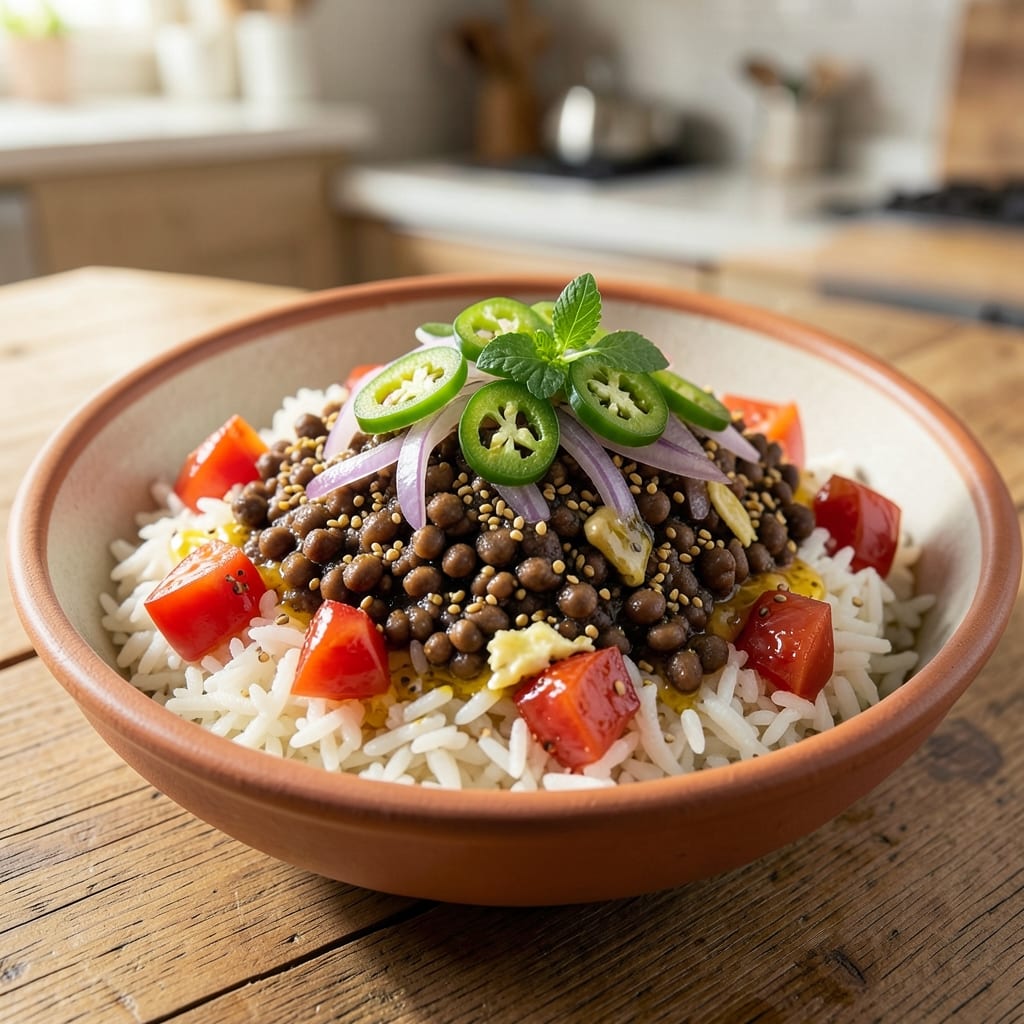
This Akni Rice recipe brings the heart of South Indian cuisine to your kitchen with its fragrant spice blend and perfectly layered texture. The dish features tender rice simmered in a rich, tomato-based stew until it reaches a porridge-like consistency, then topped with crispy lentils and aromatic spices. I've perfected the technique for achieving that signature crispiness on the lentils while keeping the rice soft and flavorful—it's all about the slow cooking and careful layering.
The foundation of authentic Akni Rice lies in its spice base—a warm blend of mustard seeds, curry leaves, and dried red chilies that infuse the rice with deep, earthy flavors. Traditional versions often include goat meat, but you can adapt this recipe with beef, chicken, or even fish for a lighter option. The key to success is patience; letting the rice absorb the flavors gradually creates that rich, comforting texture that makes this dish so beloved.
By the time you're done, you'll have a dish that's as satisfying as it is visually appealing—golden-brown lentils contrasting with the creamy rice, all bathed in a fragrant spiced sauce. The aroma alone will draw everyone to the table, and each bite delivers a perfect balance of spice, texture, and depth. This is comfort food at its finest, with a touch of South Indian tradition.
The beauty of Akni Rice is its versatility—it works as a standalone meal or pairs beautifully with yogurt and fresh vegetables. Whether you're cooking for a family gathering or a quiet weeknight dinner, this recipe delivers restaurant-quality results with minimal fuss. Let's get started on creating this flavorful masterpiece.
Ingredients for akni rice
Simple ingredients, bold South Indian flavors—this dish delivers crispy lentils and creamy rice in one bowl.
| Ingredient | Amount | Notes |
|---|---|---|
| Long-Grain White Rice 🍚 | 1 cup | Uncooked, washed thoroughly |
| Toor Dal (Split Pigeon Peas) 🌱 | ½ cup | Dried, rinsed well |
| Tomatoes 🍅 | 3 whole | Medium, ripe, chopped |
| Onion 🧅 | 1 whole | Medium, finely chopped |
| Ginger 🧄 | 1 tbsp | Freshly grated |
| Green Chilies 🌶️ | 2 whole | Slit lengthwise, seeds removed |
| Mustard Seeds 🌿 | 1 tbsp | Whole, light brown |
| Curry Leaves 🌿 | ¼ cup | Fresh, packed |
| Dried Red Chilies 🌶️ | 4 whole | Kashmiri or red chili |
| Asafoetida (Hing) 🌿 | ¼ tsp | Crushed between palms |
| Cumin Seeds 🌿 | ½ tsp | Toasted lightly |
| Turmeric Powder 🌶️ | ¼ tsp | Freshly ground preferred |
| Salt 🧂 | 1 tsp | Adjust to taste |
| Ghee or Coconut Oil 🫒 | 3 tbsp | For tempering |
| Fresh Coriander Leaves 🌿 | ¼ cup | Chopped, for garnish |
The mustard seeds and curry leaves are non-negotiable for that authentic aroma. Whole spices from bulk bins at Indian grocery stores (like Patel Brothers or Spicewalla) give the best flavor—pre-ground loses its punch fast. For the ginger, freshly grated is a must—jarred ginger just doesn't cut it. The tomatoes should be vine-ripened if possible (the grocery store ones work too, but heirloom varieties taste better). If you can't find toor dal, yellow split peas are a decent substitute, though the texture will differ slightly. The dried red chilies? Kashmiri chilies add color and mild heat, but any dried chili will work.
No fresh curry leaves? Dried curry leaf powder at half the amount gets you close, though it lacks that fresh aroma. Short on mustard seeds? Cumin seeds at equal amount work in a pinch, but the flavor profile changes. The green chilies can be swapped for jalapeños or serranos if you prefer more heat. For the tomatoes, if you're using canned, San Marzano tomatoes are ideal—they're sweet and meaty. The rice? Basmati or jasmine works too, but long-grain white rice is traditional. And if you're making this for a crowd, double the rice and dal—it reheats beautifully.
The dal keeps for 3 days in the fridge, but the rice is best eaten fresh. For crispier lentils, toast them in a dry pan for 2-3 minutes before adding to the rice. Store garnishes separately—the coriander wilts fast, so add it fresh when serving. This dish tastes even better the next day as the flavors meld. Portion into containers so you can reheat just what you need—microwave with a splash of water for 1-2 minutes. Freezes well for up to 2 months if you want to prep ahead.
Why You'll Love This Recipe
- 20-Minute Start: The dal soaks while you chop—no last-minute scrambling. Just toss in the rice, let it simmer, and walk away while the toor dal and tomatoes melt into that just-right tangy creaminess.
- Tangy Comfort Bite: That burst of ginger and onion caramelizing with tomatoes? It’s the kind of flavor that sticks with you—bright, warm, and impossible to resist. (Yes, even when you’re supposed to be eating healthy.)
- Lunchbox Legend: Pack it cold or reheat it hot—this rice stays perfect for days. My kids actually ask for it in their bento boxes, and honestly? That’s the real win.
- Pantry Hero: Toor dal lasts forever, rice is cheap, and you’re using up onions and tomatoes before they go bad. Budget-friendly doesn’t get much more reliable than this—especially when it feels fancy.
Step-by-step instructions for South Indian spice-packed porridge
Here's how to make Akni rice with perfectly crispy lentils and aromatic spices.
Pressure Cook Rice and Lentils Together
Rinse the 1 cup long-grain white rice thoroughly until the water runs clear. In a pressure cooker, combine the rice with the 0.5 cup toor dal, 1.5 cups water, and 1 tsp salt. Seal the cooker and cook on medium heat until it whistles—this usually takes about 3-4 minutes. Then reduce heat to low and cook for an additional 10 minutes. Let the pressure release naturally for 10 minutes before opening.
This method ensures the rice and lentils cook evenly, creating a fluffy base for your Akni. The lentils will soften just enough to hold their shape while still providing that satisfying texture contrast. If you don't have a pressure cooker, you can use a heavy-bottomed pot and simmer for 20-25 minutes instead, but keep an eye on the water level.
Prepare the Tempering for Maximum Flavor
In a small pan, dry roast the 0.5 tsp cumin seeds on low heat until they release their aroma—about 30 seconds. Immediately add the 3 tbsp ghee or coconut oil, then add the 1 tbsp mustard seeds. Let them pop and sizzle for 10 seconds before adding the 4 whole dried red chilies and 0.25 cup curry leaves.
Next, add the 1 tbsp freshly grated ginger and 2 slit green chilies. Sauté for 30 seconds until the raw smell disappears. The key here is to keep the heat medium-low—if it's too high, the spices will burn before releasing their full flavor. This tempering is what gives Akni its signature aromatic punch.
Build the Spiced Tomato-Onion Base
In a separate pan, heat 1 tbsp of the remaining ghee or coconut oil. Add the 1 whole finely chopped onion and sauté for 3-4 minutes until golden brown. Add the 3 chopped tomatoes, 0.25 tsp turmeric powder, and 1 tsp salt. Cook until the tomatoes soften and the oil starts to separate from the mixture—about 8-10 minutes.
This step develops the rich, tangy flavor that balances the crispy lentils. The tomatoes should break down completely, creating a smooth, slightly thick sauce. If the mixture looks too dry, add 2-3 tablespoons of water and cook for another minute. The onions should be caramelized at this point, adding sweetness to contrast the spices.
Combine and Finish with Fresh Herbs
Gently mix the cooked rice and lentil mixture with the tomato-onion base. The rice should absorb the flavors while maintaining its porridge-like consistency. Add the tempered spices and stir well. For that final touch, sprinkle the 0.25 cup chopped fresh coriander leaves and mix lightly—this adds freshness that cuts through the richness of the ghee and spices.
Let the Akni sit covered for 5 minutes before serving. This resting time allows the flavors to meld perfectly. The crispy lentils should still hold their texture while the rice remains soft and comforting. Serve warm with a side of yogurt or a sprinkle of roasted peanuts for extra crunch.
Pro Tips For Making Akni Rice
- SOAK THE DAL FIRST: I learned this the hard way—skipping the soak makes the dal turn mushy and lose its texture. Rinse the toor dal thoroughly, then soak it for 15-20 minutes before cooking. The extra step guarantees a creamy, intact dal that doesn’t break down into paste.
- COOK RICE SEPARATELY: This isn’t the prettiest method, but it’s the tastiest. The dal-tomato gravy needs time to develop, and mixing it with half-cooked rice ruins both. Cook the rice first, then add the dal mixture only when it’s fully done—no exceptions.
- CARAMELIZE ONIONS LOW AND SLOW: Crank the heat too high, and you’ll burn onions before they sweeten. Start on medium-low, stir often, and let them cook for 8-10 minutes until deep golden brown. That’s the flavor base—rush it, and the dish tastes flat.
- USE TOMATO PUREE, NOT CHUNKS: Whole tomatoes water down the gravy and make it chunky. Blend 2-3 ripe tomatoes into a smooth puree first, then simmer it down to a thick consistency. The result? A glossy, balanced flavor without the mess of seeds and skin.
Best sauces and condiments for this recipe
Coconut Milk Creaminess
For a richer, creamier Akni Rice, stir in ½ cup coconut milk during the final step when combining the rice with the tomato-onion base. This adds a luxurious texture that balances the crispy lentils beautifully. I like to use full-fat coconut milk for the best results—it's what I've found works perfectly in traditional South Indian recipes. 🥥
Yogurt Drizzle
A drizzle of plain yogurt mixed with a pinch of salt and ½ tsp roasted cumin powder adds a cooling contrast to the spicy dish. Spoon a small amount over each serving just before eating. For extra tang, add a tiny bit of lemon juice to the yogurt mixture. This is a common finishing touch in many South Indian dishes.
Spicy Green Chutney
Brighten up your Akni with a green chutney made from ½ cup fresh coriander, 2 green chilies, 1 tbsp mint leaves, 1 tsp cumin seeds, and 2 tbsp yogurt. Blend until smooth and drizzle over the top. The fresh herbs cut through the richness and add a vibrant pop of color. This chutney is a must-try with Akni!
Tamarind Date Chutney
For a sweet-tangy contrast, prepare a quick tamarind date chutney by blending 2 tbsp tamarind pulp, 2 tbsp dates (soaked and pitted), 1 tsp jaggery or brown sugar, and ½ tsp cumin seeds. This chutney adds depth and complexity that pairs wonderfully with the spiced rice. Store-bought tamarind pulp works fine if you can't find fresh.
Pickled Onions
Add a crunchy, tangy element with quick-pickled onions. Thinly slice ½ red onion and soak in ¼ cup vinegar, 1 tsp sugar, and ½ tsp salt for at least 15 minutes. Drain before serving. The acidity cuts through the richness of the ghee and spices, making each bite more dynamic.
Ghee Drizzle
For an extra layer of richness, finish your Akni with a generous drizzle of warm ghee. Heat 1 tbsp ghee until it's just warm (not smoking) and pour it over the top right before serving. This adds a luxurious sheen and enhances the nutty flavors of the dish. I always do this for special occasions—it's a simple but impressive touch! 💛
Nutrition facts
Frequently asked questions
What makes Akni rice different from regular rice dishes?
Akni rice gets its unique texture from cooking rice and lentils together until the rice reaches a porridge-like consistency, then topping it with crispy lentils. The dish also features a rich tomato-onion base infused with aromatic spices like mustard seeds, curry leaves, and dried red chilies that give it that signature South Indian flavor. It's heartier than regular rice dishes and has a satisfying contrast of soft rice with crispy lentils!
Can I make Akni rice without a pressure cooker?
Yes! If you don't have a pressure cooker, use a heavy-bottomed pot instead. Cook the rice and lentils together with 1.5 cups water for 20-25 minutes on medium-low heat, stirring occasionally to prevent sticking. The key is to keep the heat low and the lid on to trap steam, which helps achieve a similar porridge-like texture. Just be patient—it may take a bit longer than pressure cooking.
How do I get the lentils to stay crispy?
To keep the lentils crispy, toast them in a dry pan for 2-3 minutes before adding them to the rice. This removes excess moisture and creates a light crust. Also, avoid overmixing the rice and lentils after combining them—the less you stir, the more the lentils retain their texture. Serve immediately for the best crunch, as the lentils will soften slightly over time.
What protein can I add to Akni rice?
Traditional Akni rice often includes goat meat, but you can easily adapt it with beef, chicken, or even fish. For a vegetarian version, try adding sautéed paneer or tofu. If using meat, cook it separately and add it to the rice just before serving. The protein should be tender but not overly soft to maintain the dish's texture contrast.
How long can I store Akni rice?
The rice portion stays fresh for 3 days in the fridge, while the crispy lentils are best eaten within 2 days for optimal texture. For longer storage, freeze the rice and lentils separately in airtight containers for up to 2 months. Reheat gently with a splash of water to restore moisture. The flavors actually improve after the first day as the spices meld together!