
Main Courses
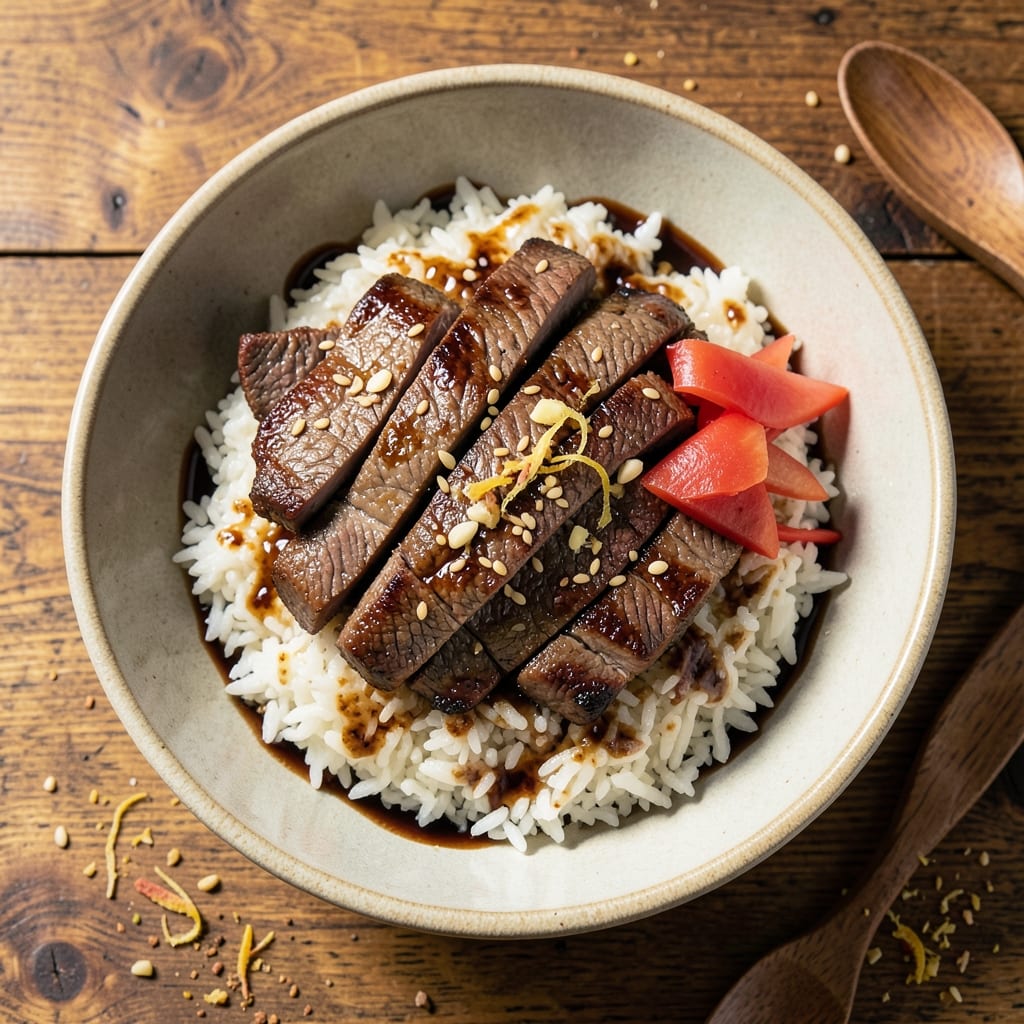
This Asian beef and rice bowl recipe delivers restaurant-quality umami crunch with tender wok-seared beef and a sweet chili glaze that ties everything together. The secret lies in high-heat searing for that perfect caramelized crust while keeping the beef juicy inside, paired with fragrant jasmine rice that soaks up all the bold flavors. I developed this recipe after years of testing different techniques to achieve that signature wok-house texture at home—no special equipment required.
The foundation starts with thinly sliced beef marinated in a blend of soy sauce, garlic, and ginger, then quickly seared in a screaming-hot pan until it develops those irresistible charred edges. While the beef cooks, jasmine rice simmers to fluffy perfection, and a quick sweet chili glaze comes together in minutes with just a few pantry staples. Every bite combines tender beef, aromatic rice, and that sticky-sweet glaze that balances rich umami with bright acidity.
What makes this bowl truly special is the contrast of textures—crispy beef against tender rice, with optional toppings like pickled vegetables for tangy crunch or a fried egg for extra richness. The assembly is simple but strategic: layer the rice as your base, add the seared beef, drizzle with that homemade glaze, and finish with fresh herbs for color and freshness. This is comfort food elevated, with restaurant-quality flavors you can recreate in your own kitchen.
The best part? This recipe comes together in under 30 minutes with minimal cleanup—just one pan for the beef and a rice cooker (or pot) for the grains. Perfect for weeknight dinners or meal prep, it’s the kind of dish that transforms simple ingredients into something extraordinary. Let’s get cooking!
Ingredients for asian beef and rice bowl
Restaurant-quality beef and rice bowl starts with these 14 bold, aromatic ingredients.
| Ingredient | Amount | Notes |
|---|---|---|
| Flank Steak 🥩 | 1 lb | Thinly sliced against grain |
| Jasmine Rice 🍚 | 1 ½ cups | Uncooked, long-grain preferred |
| Soy Sauce 🥄 | ¼ cup | Low-sodium preferred |
| Garlic Cloves 🧄 | 6 cloves | Minced for marinade |
| Fresh Ginger 🌿 | 1 tbsp | Grated, peeled |
| Sesame Oil 🫒 | 1 tbsp | Toasted for aroma |
| Vegetable Oil 🫒 | 2 tbsp | High smoke point |
| Honey 🍯 | 2 tbsp | Pure, for glaze |
| Chili Garlic Sauce 🌶️ | 1 tbsp | Adjust for heat preference |
| Green Onions 🧅 | ¼ cup | Sliced, for garnish |
| Fresh Cilantro 🌿 | ¼ cup | Chopped, optional |
| Salt 🧂 | 1 tsp | Kosher or sea salt |
| Black Pepper 🌶️ | ½ tsp | Freshly ground |
| Rice Vinegar 🍶 | 1 tbsp | For rice seasoning |
The beef is everything here—flank steak gives that signature wok-house texture when sliced thin against the grain. Grab the pre-sliced kind at Trader Joe's if you're short on time, but slicing it yourself makes all the difference. For the jasmine rice, Daybreak brand is my go-to—it’s consistently fragrant and fluffy. The soy sauce? Kikkoman is solid, but if you’ve got low-sodium, use that to control salt levels. That toasted sesame oil? Don't skip the toasted part—it adds insane aroma. I always buy mine in the Asian aisle at Whole Foods or Costco.
No flank steak? Sirloin or ribeye work too, but slice it thinner. Short on fresh ginger? Ground ginger at half the amount gets you close, but fresh is worth it. The chili garlic sauce can be swapped for sriracha plus minced garlic—just taste as you go. Making the glaze? Honey and chili garlic sauce are non-negotiable for that perfect balance of sweet and heat. The rice vinegar? Rice wine vinegar works too, but it’s more acidic. For the herbs, fresh cilantro is ideal, but parsley works in a pinch—just double the amount.
This beef marinates best in the fridge for at least 30 minutes, but up to 4 hours if you're prepping ahead. The rice? Cook it the night before—it reheats beautifully and tastes even better the next day. Store leftovers in airtight containers for 3-4 days, or freeze for up to 2 months. Pro tip: Portion the glaze separately—it crystallizes when chilled, so just reheat it for 10 seconds before drizzling.
Why You'll Love This Recipe
- Here’s what sold me: I make double batches on Sunday. The rice stays fluffy for days, and the steak reheats like a dream. Pack it cold for work or microwave it in 90 seconds—no sad soggy leftovers here.
- One-Pan Magic: I swear by this for nights when I’m too tired to wash dishes. Sear the flank steak with garlic and ginger, toss in the rice with soy sauce, and let it all steam together—minimal chopping, zero fuss.
- Umami Bomb: That first bite? The soy sauce caramelizes into the steak while the rice soaks up the garlic-ginger punch. It’s not fancy, but it’s ridiculously good—like a takeout craving, made better.
- Lunchbox Hero: Here’s what sold me: I make double batches on Sunday. The rice stays fluffy for days, and the steak reheats like a dream. Pack it cold for work or microwave it in 90 seconds—no sad soggy leftovers here.
Step-by-step instructions for wok-seared beef and jasmine rice bowls
Here's how to create restaurant-quality beef bowls with perfectly seared steak and fragrant rice.
Marinate and Slice the Flank Steak
Slice the 1 lb flank steak thinly against the grain into ¼-inch strips. Place the steak in a bowl and combine 0.25 cup soy sauce, 6 minced garlic cloves, 1 tbsp grated fresh ginger, 0.5 tsp black pepper, and 1 tbsp sesame oil. Mix well to coat completely, then let it marinate for at least 30 minutes (or up to 4 hours in the fridge for deeper flavor).
The marinade works magic by tenderizing the beef while infusing it with bold umami and aromatic flavors. I like to press the marinade into the meat with my fingers to ensure every strip gets coated. If you're short on time, even 15 minutes of marinating will make a noticeable difference in tenderness and flavor.
Cook the Jasmine Rice with Fragrant Seasoning
Rinse 1.5 cups jasmine rice under cold water until the water runs clear. In a pot, combine the rice with 3 cups water and bring to a boil. Once boiling, reduce heat to low, cover, and simmer for 15 minutes. Remove from heat and let it steam for 10 minutes undisturbed.
After the rice has finished cooking, fluff it gently with a fork and stir in 1 tbsp rice vinegar. This step adds a subtle tang that brightens the dish. The rice should be light and fluffy with individual grains—no clumping! If you have leftover rice, this method works perfectly for reheating while keeping it moist and separate.
Wok-Sear the Beef for Maximum Flavor
Heat 2 tbsp vegetable oil in a wok or large skillet over high heat until shimmering. Working in batches if needed, add the marinated steak strips and sear for 1-2 minutes until the edges turn deep golden brown and caramelized. Remove the beef and set it aside.
This high-heat searing creates that coveted wok-seared texture and flavor. Don't overcrowd the pan—if you have to work in batches, that's fine. The beef should release easily from the pan when it's ready to flip. If it sticks, your oil isn't hot enough. The goal is to get those beautiful browned edges that add so much depth to the dish.
Create the Sweet Chili Glaze
In the same wok, reduce heat to medium and add 2 tbsp honey and 1 tbsp chili garlic sauce. Stir to combine, then pour in 2 tablespoons water to help the glaze thicken. Cook for 1-2 minutes until the mixture becomes slightly syrupy and coats the back of a spoon.
This glaze is where the magic happens—it balances the savory beef with sweet and spicy notes. Taste and adjust the heat level by adding more chili garlic sauce if you prefer it spicier. The glaze should coat the beef beautifully when you toss it together, adding that signature sticky, sweet finish that makes these bowls so addictive.
Assemble and Garnish the Bowls
Divide the cooked jasmine rice among 4 bowls. Top each serving with the wok-seared beef strips, then drizzle generously with the sweet chili glaze. Garnish with 0.25 cup sliced green onions and 0.25 cup chopped fresh cilantro (if using). Serve immediately while everything is hot and the flavors are at their peak.
The presentation matters just as much as the taste. The vibrant green onions and cilantro add freshness and color contrast that makes the dish look as good as it tastes. Each bite should deliver that perfect combination of tender beef, fragrant rice, and sweet-spicy glaze. Enjoy your homemade Asian beef and rice bowls—this recipe is a game-changer for weeknight dinners!
Pro Tips For Making Asian Beef And Rice Bowl
- Slice Against the Grain: Flank steak’s stubborn fibers will fight you—cut it before cooking into ½-inch strips against the grain, then slice again after searing. I used to serve it in thick chunks and wondered why it felt chewy; this makes every bite tender.
- Sear in Two Batches: Crowding the pan turns your beef into a sad, steamed mess. Split the steak into two batches and let them sizzle undisturbed for 2-3 minutes per side—high heat, no excuses. The crust forms faster, and the garlic-ginger paste won’t boil away into nothing.
- Toast the Ginger: Peel that ginger, then slice it thin—no need for a mandoline, just a sharp knife. Toss the slices in the dry pan for 30 seconds before adding oil; they’ll release their aroma and soften just enough to blend into the sauce without biting back.
- Use Day-Old Rice: Fresh jasmine rice is a sponge—it’ll turn your bowl into a soggy disaster. Cook the rice a day ahead, fluff it, and refrigerate. Cold rice soaks up the beef’s juices and garlic-ginger sauce like a dream, while hot rice just gets mushy. (Yes, even if you’re impatient like me.)
Creative variations of this recipe
Spicy Peanut Crunch
Swap the sweet chili glaze for a peanut sauce that adds nutty depth and crunch. Mix ¼ cup creamy peanut butter, 2 tbsp soy sauce, 1 tbsp rice vinegar, 1 tbsp honey, 1 tsp sriracha, and 1 tsp grated ginger. Thin with 2 tbsp warm water until pourable. Toss the seared beef in this sauce before assembling—it adds protein-packed richness and a satisfying texture. 🥜
Kimchi Fire Bowl
Add ½ cup chopped kimchi to the beef marinade for a fermented kick. After searing, mix in 1 tbsp gochujang (Korean chili paste) with the glaze for extra heat and umami. Top bowls with 1 soft-boiled egg and sesame seeds for a Korean-inspired twist. The tangy, spicy kimchi cuts through the richness beautifully. 🌶️
Thai Basil Twist
Finish with ¼ cup fresh Thai basil and a drizzle of fish sauce-lime dressing (mix 1 tbsp fish sauce, 1 tbsp lime juice, and 1 tsp sugar). This adds a fragrant, herby brightness that pairs perfectly with the beef. For extra authenticity, sprinkle with crushed peanuts and lime zest before serving. 🍋
Miso Caramelized Onion
Sauté 1 cup thinly sliced onions in 1 tbsp sesame oil until caramelized, then stir in 1 tbsp white miso paste and 1 tsp mirin. Spread this over the rice before adding the beef. The deep, savory-sweet miso adds complexity that elevates the entire bowl. 🧅
Sesame Garlic Butter
For a richer variation, toss the seared beef in 2 tbsp melted butter, 1 tbsp toasted sesame seeds, and 1 minced garlic clove. Drizzle with 1 tsp soy sauce and ½ tsp white pepper before serving. This buttery, aromatic version feels indulgent yet balanced. 🧈
Vietnamese Lemongrass
Infuse the beef marinade with 2 tbsp lemongrass paste (or finely minced lemongrass) and 1 tsp fish sauce. Serve with a side of nuoc cham (Vietnamese dipping sauce: mix 2 tbsp fish sauce, 2 tbsp lime juice, 1 tbsp sugar, and 1 cup water). The citrusy, herby notes transport you to a bustling street market. 🌿
Nutrition facts
Frequently asked questions about Asian beef and rice bowls
Can I use a different cut of beef instead of flank steak?
Sirloin, ribeye, or even tenderloin work well—just slice them thinly against the grain for tenderness. For extra-lean options, try top round, but marinate it at least 2 hours to prevent dryness. The key is thin, even slices that cook quickly in the wok.
How do I prevent the beef from drying out during searing?
Never overcrowd the pan—work in single-layer batches so the beef sizzles freely. Cook for only 1-2 minutes per side until just browned, then remove immediately. The residual heat will finish cooking while keeping it juicy. A meat thermometer should read 145°F when done.
What if I don't have jasmine rice?
Use basmati, short-grain sushi rice, or even brown rice—they all work! For basmati, use a 1:1.5 rice-to-water ratio and cook for 12 minutes instead. The texture will differ slightly, but the flavor profile remains adaptable. Avoid sticky rice varieties like glutinous rice for this dish.
Can I make this recipe ahead of time?
Yes! Cook the rice and beef separately, then store them in airtight containers for up to 3 days. Reheat the beef in a pan for 1-2 minutes and rice in the microwave with a damp paper towel. Assemble fresh to maintain texture—just drizzle with glaze when serving. The flavors actually improve overnight!
What are the best toppings to add for extra flavor?
Try these crowd-pleasers: soft-boiled eggs for richness, quick-pickled cucumbers for tang, or crispy fried shallots for crunch. For heat lovers, add sliced jalapeños or chili crisp. Garnish with sesame seeds, cilantro, or scallions for freshness. The possibilities are endless!