
Main Courses
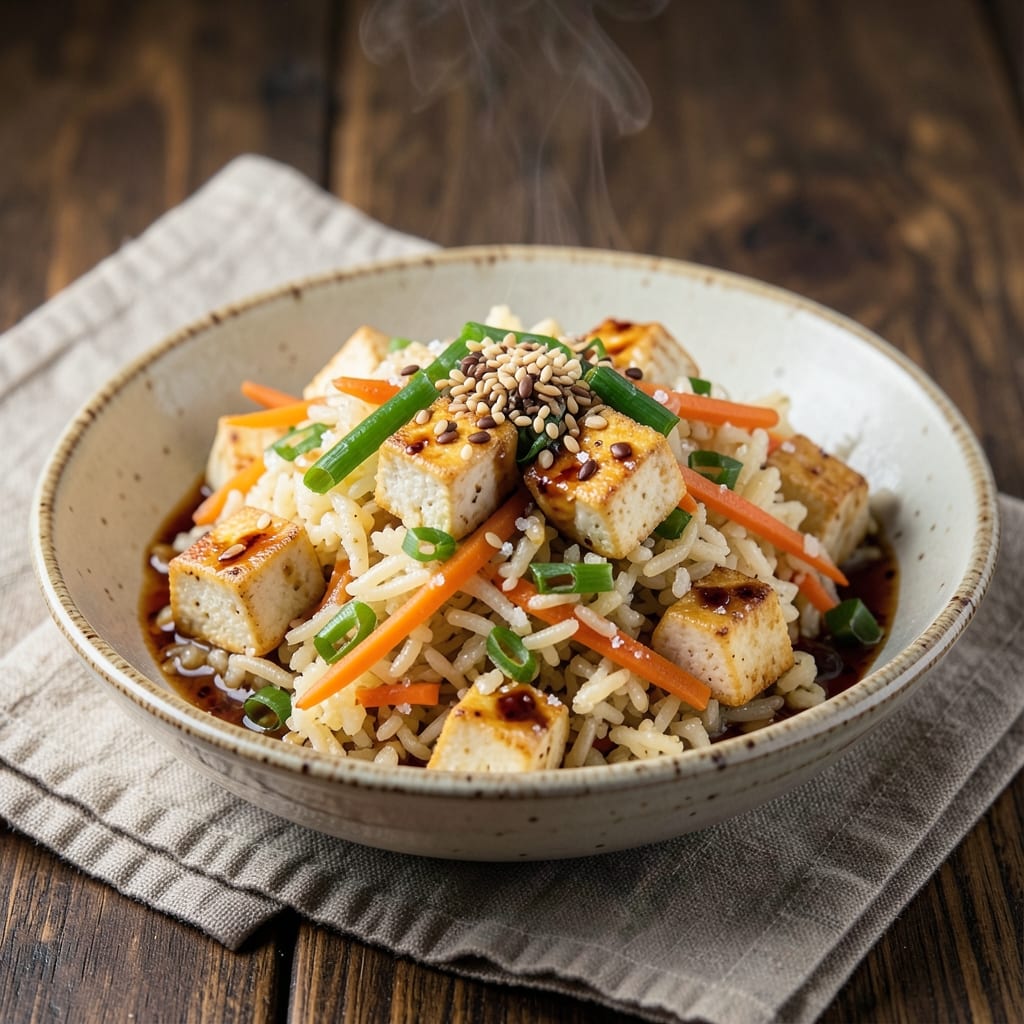
This Asian cauliflower fried rice delivers restaurant-quality crispy texture and bold wok hei flavor without any meat. The secret lies in perfectly riced cauliflower that stays tender yet absorbs the savory sauce beautifully, while the stir-frying technique creates that signature smoky aroma. I developed this recipe after realizing how well cauliflower mimics rice's texture when properly prepared—it's a game-changer for vegan fried rice lovers who crave that satisfying bite.
The foundation starts with riced cauliflower that's briefly blanched to soften it just enough before stir-frying, which prevents mushiness while creating crispy edges. We build flavor through a classic Asian-inspired sauce of soy sauce, garlic, ginger, and sesame oil, with optional additions like tofu or mushrooms for extra protein. The key is high-heat stir-frying in small batches to maintain that authentic wok hei aroma while keeping everything evenly cooked.
What you'll end up with is a vibrant, flavorful dish that looks as impressive as it tastes—golden-brown cauliflower rice with wok-charred edges, silky vegetables, and a sauce that clings perfectly to every bite. The texture contrast between crispy rice and tender cauliflower creates an addictive eating experience that even non-vegan eaters won't believe is plant-based. This recipe proves you don't need meat to create a satisfying, restaurant-quality fried rice.
Perfect for meal prep or serving immediately, this dish reheats beautifully while maintaining its crispy texture. The flavor profile is balanced with umami from soy sauce, freshness from garlic and ginger, and depth from sesame oil—all coming together in a dish that's both comforting and exciting. Let's get cooking!
Ingredients for asian cauliflower fried rice
Cauliflower rice, aromatic vegetables, and umami-packed sauce create this restaurant-style vegan fried rice.
| Ingredient | Amount | Notes |
|---|---|---|
| Fresh Cauliflower 🥬 | 4 cups | Riced, florets trimmed |
| Extra-Firm Tofu 🍱 | 1 lb | Pressed, cubed, optional |
| Carrots 🥕 | 2 medium | Shredded, about 1 cup |
| Green Onions 🧅 | 4 whole | White and green parts separated |
| Garlic Cloves 🧄 | 6 cloves | Minced, fresh preferred |
| Fresh Ginger 🌿 | 2 tbsp | Grated, peeled |
| Tamari or Soy Sauce 🥢 | ½ cup | Gluten-free tamari preferred |
| Sesame Oil 🫒 | 1 tbsp | Toasted, for aroma |
| Rice Vinegar 🍶 | 2 tbsp | White or seasoned |
| Sesame Seeds 🌰 | 1 tbsp | Toasted, for garnish |
| Vegetable Oil 🫒 | 2 tbsp | High smoke point |
| Salt 🧂 | 1 tsp | Diamond Crystal preferred |
| Black Pepper 🌶️ | ½ tsp | Freshly ground |
| Sriracha 🔥 | 1 tbsp | Optional, for heat |
The cauliflower is the star—fresh heads yield the best texture. Trim florets and pulse in a food processor until rice-like, about 1 cup per 2 cups florets. Whole Foods or Trader Joe's carry pre-riced cauliflower, but fresh is ideal. For the tofu, pressing removes excess water—wrap in a towel, place a heavy pan on top for 15 minutes. The green onions should be vibrant; wilted ones lose their freshness. Garlic and ginger should be bright white and yellow, respectively, with no signs of sprouting.
No tamari? Regular soy sauce works, though it contains gluten. Substitute coconut aminos for a gluten-free alternative. The sesame oil is purely for aroma—add it at the end to preserve its nutty flavor. For extra protein, swap tofu for shredded king oyster mushrooms or chickpeas. The carrots can be julienned or finely diced; both work well. If you prefer less heat, reduce the sriracha to 1/2 tbsp or omit entirely. The rice vinegar adds brightness—apple cider vinegar is a decent substitute in a pinch.
Store cooked fried rice in an airtight container for 4-5 days in the fridge, or freeze for 3 months. Reheat in a skillet with a splash of water to restore crispiness. The tofu and vegetables can be prepped ahead—store separately until ready to stir-fry. For meal prep, portion into glass containers to maintain texture. Garnish with sesame seeds right before serving to keep them toasted and flavorful.
Why You'll Love This Recipe
- One-Pan Magic: I swear by this—just toss everything on a single pan, and you’re done. No dirty rice cooker, no extra bowls; the cauliflower rice rices itself while the tofu and carrots caramelize. Honestly, my lazy Sundays thank me.
- Umami Bomb: That crispy tofu, charred garlic, and fresh green onions? It’s like a flavor explosion in your mouth. The cauliflower soaks up the savory sauce while staying light—no heavy, greasy aftertaste here.
- Lunchbox Hero: Between us, this is my go-to for meal prep. Tastes just as good cold the next day, and I pack it with my kids (they don’t even notice the veggies). Add a fried egg on top, and suddenly you’ve got a full meal in a container.
- Budget Win: Fresh cauliflower and tofu stretch farther than you’d think, and I’m always left with seconds. Not the prettiest, but the taste makes up for it—plus, my wallet stays happy. (Yes, even on a Tuesday night.)
Step-by-step instructions for Asian cauliflower fried rice
Master the art of wok hei with this crispy, flavorful dish that transforms simple ingredients into a restaurant-worthy meal.
Prepare the Base Ingredients
Begin by ricing the 4 cups fresh cauliflower using a box grater or food processor. Spread the riced cauliflower on a clean kitchen towel and press gently to remove excess moisture—this ensures silky texture rather than soggy rice. Meanwhile, press the 1 lb extra-firm tofu between paper towels for 15 minutes to remove moisture, then cube it into ½-inch pieces. Shred the 2 medium carrots using a julienne peeler for uniform strips, and separate the 4 whole green onions into white and green parts.
Mince the 6 cloves garlic cloves and grate the 2 tbsp fresh ginger using a microplane. Toast the 1 tbsp sesame seeds in a dry skillet over medium heat for 1 minute until fragrant, then set aside. These aromatics form the flavor foundation, so don't skip the toasting step—it deepens the nutty complexity.
Create the Flavor Matrix
Heat 2 tbsp vegetable oil in a wok or large skillet over high heat until shimmering. Add the cubed tofu and sear for 3-4 minutes until golden brown on all sides. Remove and set aside. In the same pan, add 2 tbsp vegetable oil (if needed) and stir-fry the shredded carrots for 2 minutes until tender-crisp. Add the minced garlic and grated ginger, cooking for 30 seconds until fragrant—this prevents raw flavors from overpowering the dish.
Pour in the 0.5 cup tamari or soy sauce and 2 tbsp rice vinegar, scraping up any browned bits from the pan. Let the sauce reduce by half (1-2 minutes) while stirring constantly. This step builds the umami-rich base that ties all ingredients together. If the sauce thickens too much, add 1 tablespoon water to maintain balance.
Cook the Cauliflower Rice
Return the tofu to the pan and add the drained riced cauliflower. Stir-fry for 4-5 minutes over high heat, breaking up any clumps with a spatula. The cauliflower should develop a golden-brown crust—this is your crispy texture promise. Season with 1 tsp salt and 0.5 tsp black pepper, tossing continuously to distribute evenly.
Here's the thing—don't overcrowd the pan. Cook in batches if needed to maintain high heat. The goal is to achieve wok hei, that signature smoky aroma from the wok's residual heat. If the cauliflower appears undercooked, return it to the pan for 1 additional minute—it should hold its shape but remain tender with slight resistance.
Finish with Aromatics and Garnish
Push the cauliflower mixture to one side of the pan and add the white parts of the green onions. Stir-fry for 30 seconds until softened. Return everything to the center and drizzle with 1 tbsp sesame oil. Toss gently to coat, then stir in the 1 tbsp Sriracha (if using) for a subtle heat kick. The oil should glisten slightly—this indicates proper emulsification of flavors.
Divide the fried rice among 4 plates, garnishing each with the green parts of the green onions and toasted sesame seeds. Serve immediately while the cauliflower maintains its crispy edges and silky interior. The dish should deliver a balance of textures: crispy tofu, tender carrots, and perfectly cooked cauliflower rice with layers of umami and aromatic depth.
Pro Tips For Making Asian Cauliflower Fried Rice
- CRUSH THE CAULIFLOWER: Toss the florets in a food processor for 30 seconds—just until they look like rice grains, not paste. I learned this the hard way: pre-cutting by hand leaves uneven pieces that soak up sauce like sponges instead of toasting properly.
- SALT THE TOFU FIRST: Press the tofu, pat it bone-dry, then sprinkle with ½ teaspoon salt per block before cooking. This seals the surface and guarantees a crispy exterior that won’t turn soggy when mixed into the rice. (Yes, even if you’re impatient like me.)
- STIR-FRY CARROTS LAST: Cut carrots into matchsticks and add them to the pan after the tofu and cauliflower have already browned. Their moisture will turn the rice mushy if they cook too long—better to toss them in just for the final 30 seconds.
- USE GARLIC LIKE A BOSS: Mince the garlic very finely (almost into a paste) and cook it in the oil until it’s golden, not just fragrant. Burnt garlic ruins the dish, but properly browned garlic adds a depth that store-bought minced can’t match. (No, you don’t need to cry over it.)
Make-ahead tips for this asian cauliflower fried rice
Prep Ahead Strategy
Start by prepping the riced cauliflower and vegetables the night before—store them in separate airtight containers in the fridge. The cauliflower keeps well for 24 hours before stir-frying, while the carrots and green onions stay fresh for 3 days. Pressing the tofu can be done up to 12 hours ahead, making it ready to cube and cook when you're ready. This saves 30 minutes of prep time on cooking day. 📅
Batch Cooking Tips
Double the recipe and freeze half in portion-sized containers for quick meals. Use quart-sized glass containers to maintain texture during freezing. Thaw overnight in the fridge before reheating—microwaving frozen portions can make the cauliflower rubbery. For meal prep, cook the sauce separately and store it in a small jar to add freshness when reheating. 🥫
Reheating Like a Pro
To restore crispy texture, reheat in a skillet over medium-high heat with 1 tbsp water or vegetable oil. Stir constantly for 3-4 minutes until heated through. Avoid microwaving unless absolutely necessary—it turns the cauliflower soggy. For extra flavor, add a splash of rice vinegar while reheating to brighten the dish. 🔥
Freezer-Friendly Adjustments
Add ½ tsp extra sesame oil before freezing to preserve flavors. When reheating from frozen, cook for 5-6 minutes instead of the usual 3-4 minutes to ensure even heating. The tofu may release more water when frozen, so pat it dry before reheating. This technique maintains the dish's integrity even after 3 months in the freezer. ❄️
Garnish Just Before Serving
Toast sesame seeds fresh after reheating—they lose their crunch when stored. Keep the green onion tops separate until serving to maintain vibrant color. A drizzle of extra sesame oil or a sprinkle of chili crisp adds restaurant-quality finishing touches. This step elevates the dish visually and flavor-wise without extra effort. ✨
Portion Control for Meals
Divide into single-serving glass containers with tight-sealing lids to maintain texture. Store in the fridge for 4-5 days or freeze for 3 months. The glass containers prevent odors from transferring between meals. Label containers with dates to track freshness—this keeps your fried rice tasting fresh and crispy every time. 📝
Nutrition facts
Frequently asked questions
Why does my cauliflower fried rice turn mushy?
Overcooking is the most common cause—cauliflower rice only needs 4-5 minutes of high-heat stir-frying. Start with fresh, well-drained cauliflower (press it in a towel to remove excess moisture) and cook in batches to maintain high heat. The key is wok hei: keep the pan smoking hot and avoid overcrowding.
Can I use pre-riced store-bought cauliflower?
Yes, but fresh is better! Pre-riced cauliflower often has more moisture, which can make your dish soggy. If using it, squeeze out excess liquid thoroughly with a clean towel before cooking. For best texture, fresh riced cauliflower absorbs flavors better and develops that signature crispy edge.
What's the secret to crispy cauliflower fried rice?
High heat and proper prep! Use a wok or cast-iron skillet over high heat until oil shimmers. Stir-fry in small batches for 4-5 minutes until golden brown edges form. The tofu should be pressed and seared first to create that satisfying crunch. A quick toss with 1 tbsp sesame oil at the end locks in crispiness.
How can I make this gluten-free?
Swap tamari for coconut aminos (1:1 ratio) and ensure your soy sauce is certified gluten-free. Double-check all ingredients—some sesame oils and rice vinegars may contain wheat. For extra umami, add 1 tbsp nutritional yeast or ½ tsp white miso paste to the sauce. Always verify labels on packaged products.
What are good protein alternatives to tofu?
Try chickpeas (½ cup, drained and rinsed), shredded king oyster mushrooms (1 cup), or tempeh (½ lb, cubed). For a meaty texture, use seitan (½ cup) or lentils (½ cup, cooked). Each adds different textures—mushrooms give chewiness while chickpeas add heartiness. Adjust cooking times accordingly!