
Salads
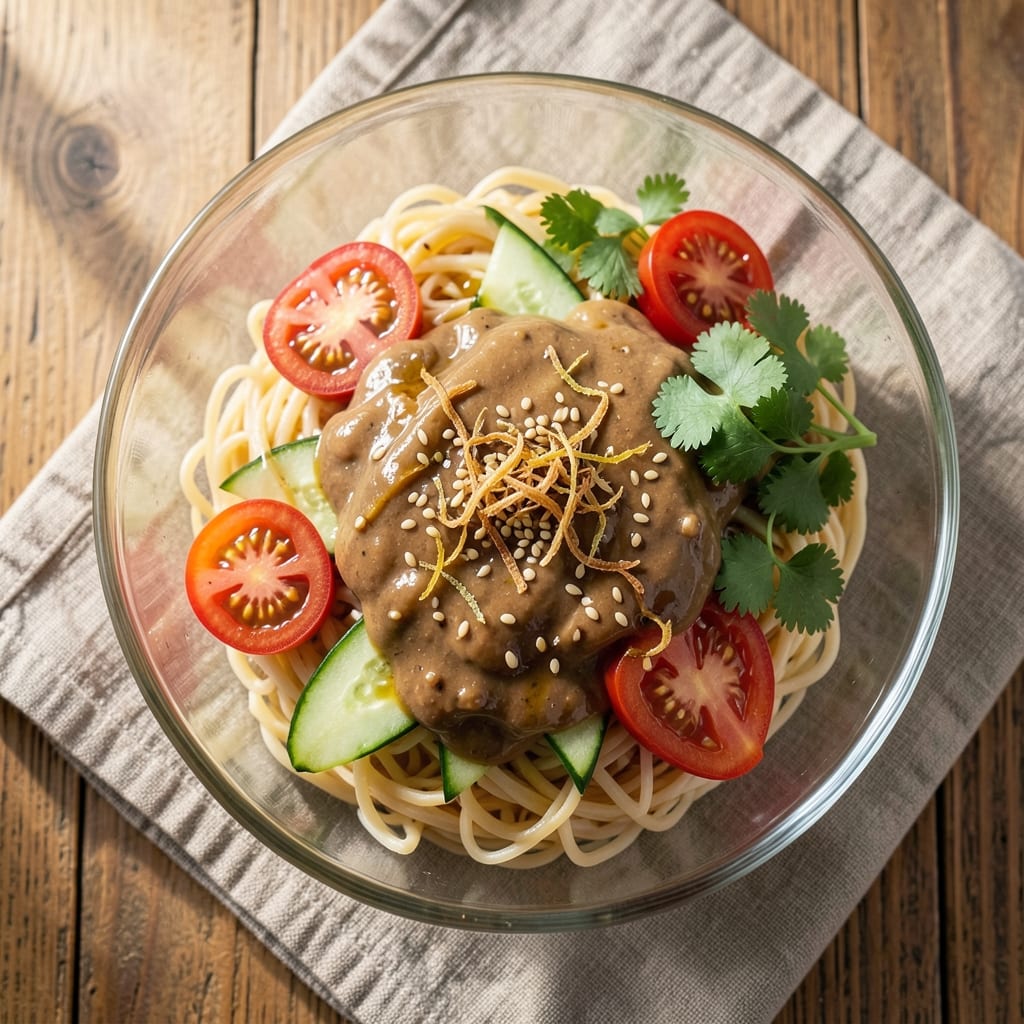
This Asian rice noodle salad recipe delivers a refreshing, peanut-lime zing that transforms simple ingredients into a vibrant, restaurant-quality dish in just 20 minutes. The secret lies in perfectly cooked rice noodles that soak up the tangy-sweet dressing while maintaining their delicate texture, paired with crunchy vegetables and toasted peanuts for contrast. I developed this version after testing countless adaptations, ensuring every bite balances heat, sweetness, and umami without overwhelming the palate.
The foundation of this salad is a simple yet bold dressing that combines creamy peanut butter with lime juice, soy sauce, and a touch of chili for depth. Unlike many recipes that rely on heavy mayo or sugary sauces, this version keeps the dressing light yet intensely flavorful. The noodles—thin, translucent, and just tender enough—are the star, while shredded carrots, cucumber, and fresh herbs add freshness and texture. What makes this dish truly special is how the flavors meld when chilled for 10 minutes, allowing the dressing to penetrate every strand.
What you’ll end up with is a crisp, cool salad that’s perfect for hot days or as a light lunch after a meal. The peanut-lime dressing clings to the noodles, creating a harmonious blend of creamy, tangy, and slightly spicy notes. The toasted peanuts add a satisfying crunch, while fresh cilantro and mint brighten each bite. This isn’t just a salad—it’s a complete, balanced meal that’s easy to customize with proteins like grilled chicken or shrimp.
Whether you’re serving this as a refreshing side or a standalone dish, the key is in the timing and balance. Let the noodles cool slightly before tossing with the dressing to prevent mushiness, and don’t skip the chilling step—it’s what transforms a good salad into a great one. Ready to make it? Here’s everything you’ll need.
Ingredients for asian rice noodle salad
Here's what you'll need to create this vibrant, restaurant-quality Asian rice noodle salad with peanut-lime zing.
| Ingredient | Amount | Notes |
|---|---|---|
| Rice Noodles 🍜 | 8 oz | Thin, translucent, uncooked |
| Natural Peanut Butter 🥜 | ½ cup | Creamy, unsweetened preferred |
| Fresh Lime Juice 🍋 | ½ cup | About 4-5 limes, freshly squeezed |
| Low-Sodium Soy Sauce 🥢 | 2 tbsp | Or tamari for gluten-free |
| Rice Vinegar 🍶 | 2 tbsp | White or seasoned variety |
| Sesame Oil 🫒 | 1 tbsp | Toasted, for aroma |
| Red Chili Flakes 🌶️ | 1 tsp | Adjust for heat preference |
| Carrots 🥕 | 2 medium | Shredded, about 1 cup |
| English Cucumber 🥒 | 1 whole | Seedless, thinly sliced |
| Fresh Cilantro 🌿 | ½ cup | Chopped, stems removed |
| Fresh Mint Leaves 🍃 | ¼ cup | Chopped, for brightness |
| Raw Peanuts 🥜 | ½ cup | Toasted, chopped |
| Garlic Cloves 🧄 | 2 cloves | Minced, for dressing |
| Sesame Seeds 🌾 | 1 tbsp | Toasted, for garnish |
| Salt 🧂 | ½ tsp | Kosher or sea salt |
The rice noodles are non-negotiable here—Thai Kitchen brand or Vital Gluten-Free are my go-tos, but any thin, translucent variety works. Look for packages labeled 'rice noodles' or 'vermicelli'—the thicker 'pad thai' noodles won't work. The peanut butter should be natural, unsweetened—none of that sugar-loaded stuff. Trader Joe's has an excellent organic version if you want to splurge. For the lime juice, use Mexican limes if available—they're juicier and more aromatic than Persian limes. Fresh herbs are where this salad shines, so grab cilantro and mint from the grocery store's produce section—they should smell vibrant, not wilted.
No peanut butter? Almond butter or cashew butter works in a pinch, though the flavor will be subtly different. Short on lime juice? Lemon juice plus 1 tsp sugar mimics the tang, but it won't have that same citrus depth. The soy sauce can be swapped for coconut aminos if you're avoiding gluten. For the carrots, baby carrots work great—just peel and shred them. The cucumber should be seedless for cleaner bites, but regular cucumbers work if you remove the seeds. Want extra crunch? Add thinly sliced bell peppers or shredded cabbage. The garlic can be roasted for a milder flavor if you're sensitive to raw garlic's bite.
Toast the peanuts in a dry pan over medium heat for 3-4 minutes until fragrant—don't walk away, or they'll burn. Store the dressing separately in the fridge for up to 5 days; the noodles and veggies keep for 3 days if stored in airtight containers. This salad actually tastes better after chilling for 30 minutes, so plan ahead. For meal prep, assemble everything the night before and toss with dressing just before serving. The flavors meld beautifully overnight, making it perfect for lunches.
Why You'll Love This Recipe
- No Boiling Chaos: I just soak the rice noodles in warm water for 10 minutes—no thermometer, no guesswork, no sticking to the pot. That lime juice and rice vinegar combo keeps them tender without turning to mush, even if I forget to check them.
- Peanut Butter Magic: Honestly, the peanut butter isn’t just a binder—it’s the star. That creamy, nutty richness cuts through the bright lime and tangy soy, making every bite feel like a little flavor hug. (Yes, even on a Tuesday night.)
- Lunchbox Hero: This salad holds up perfectly for days, whether I’m packing it for work or my kid’s school lunch. The noodles stay chewy, the dressing clings, and no one complains when I toss in extra veggies—my son actually eats his greens now.
- Pantry Staple Power: Between us, this recipe costs me about $1.50 per serving and uses things I already have. No fancy ingredients, no last-minute grocery runs—just soy sauce, peanut butter, and whatever’s in my fridge. Budget-friendly doesn’t get much better than this.
Step-by-step instructions for Asian rice noodle salad
Here's how to assemble this vibrant, zesty salad in record time—no cooking required.
Prepare the Noodles and Vegetables
First, bring a large pot of water to a rolling boil. Add the 8 oz rice noodles and cook for exactly 4 minutes—they'll finish cooking in the dressing. Drain immediately and rinse under cold water to stop the cooking process and prevent sticking. The noodles should be tender but still slightly firm to the bite.
While the noodles cook, shred the 2 medium carrots using a box grater or mandoline. Thinly slice the 1 whole English cucumber lengthwise, then cut into half-moons. Chop the 0.5 cup fresh cilantro and 0.25 cup fresh mint leaves, removing any tough stems. Toast the 0.5 cup raw peanuts in a dry skillet over medium heat for 3-4 minutes until fragrant and lightly browned, then chop roughly.
Make the Peanut-Lime Dressing
In a small bowl, whisk together the 0.5 cup natural peanut butter, 0.5 cup fresh lime juice, 2 tbsp low-sodium soy sauce, and 2 tbsp rice vinegar until completely smooth. The mixture should be thick and creamy—if it's too stiff, add 1-2 tablespoons of warm water to loosen it.
Add the 1 tbsp sesame oil, 1 tsp red chili flakes, 2 minced garlic cloves, and 0.5 tsp salt. Whisk vigorously for 30 seconds until everything is fully incorporated. The dressing should have a vibrant, slightly spicy aroma with bright citrus notes. Taste and adjust the balance—add more lime for acidity, soy sauce for saltiness, or chili flakes for heat.
Combine and Assemble the Salad
In a large bowl, gently toss the drained noodles with half of the dressing, reserving the rest for later. Add the shredded carrots, cucumber slices, chopped cilantro, and mint leaves. Toss everything together lightly—you want the vegetables to stay crisp rather than wilted. The salad should look vibrant with pops of orange, green, and white.
Drizzle the remaining dressing over the top and toss once more. Sprinkle the toasted, chopped peanuts and 1 tbsp sesame seeds evenly over the salad. Serve immediately while the noodles are still warm and the dressing is glossy, or refrigerate for up to 2 hours to let the flavors meld.
Garnish and Serve with Confidence
For an extra touch, garnish each serving with an additional sprinkle of sesame seeds and a few mint leaves. Serve the salad over a bed of fresh butter lettuce or in individual bowls for a restaurant-style presentation. The perfect balance of creamy peanut, tangy lime, and fresh herbs makes this dish irresistibly refreshing.
This salad holds up beautifully for lunches—pack it in an airtight container with the dressing on the side to prevent sogginess. The longer it sits, the more the flavors develop, so it actually tastes better the next day!
Pro Tips For Making Asian Rice Noodle Salad
- SOAK NOODLES UNTIL FLEXIBLE: I learned this the hard way—rice noodles go from chewy to mushy fast. Soak them in warm water (not boiling) for 10-15 minutes until they’re pliable but still hold shape. Drain immediately and rinse with cold water to stop cooking; otherwise, they’ll turn into glue.
- USE PEANUT BUTTER SPARINGLY: Natural peanut butter is rich—start with 1 tablespoon and taste before adding more. Too much makes the dressing heavy, so balance it with lime juice and rice vinegar. If it’s clumpy, microwave it for 10 seconds first (yes, even if it sounds weird).
- DRESS NOODLES IN BATCHES: Dumping all the dressing on at once? You’ll end up with a soggy mess. Toss half the noodles first, mix well, then fold in the rest. This keeps them from absorbing too much liquid and turning limp. Also, let the dressing sit for 5 minutes before tossing—it’ll emulsify better.
- PREP LIME JUICE LAST: Fresh lime juice oxidizes fast, so squeeze it right before mixing. If you prep it early, the salad will taste dull and flat. Keep the lime halves handy and roll them on the counter first to soften the skin—it makes squeezing easier without splashing everywhere.
Make-ahead tips for leftovers
Dressing Prep Ahead
Make the peanut-lime dressing up to 3 days in advance and store it in an airtight container in the fridge. The flavors intensify over time, so it's perfect for batch prep. I like to double the recipe and keep it on hand for quick salads during the week. When ready to serve, whisk it again to re-emulsify before tossing with the noodles. 🥜
Noodle Prep Strategy
Cook the rice noodles just before assembling the salad to prevent them from becoming mushy. If prepping ahead, store them in an airtight container with a damp paper towel to keep them pliable. Reheat them in a microwave for 30 seconds with a splash of water before tossing with the dressing. This maintains their texture beautifully. 🍜
Veggie Prep Shortcuts
Shred the carrots and slice the cucumber the night before and store them in separate containers. This saves 10 minutes of prep time on busy mornings. Keep the herbs in a sealed bag with a paper towel to maintain freshness. Toast the peanuts fresh each time for maximum flavor, but you can store them in a jar for up to 2 weeks. 🥕
Assembly Timeline
For the best results, assemble the salad 1-2 hours before serving. This allows the dressing to fully coat the noodles and vegetables, creating a cohesive flavor profile. If you're short on time, assemble it and refrigerate for at least 30 minutes before eating. The chilling time is what transforms a good salad into a great one. ⏰
Storage Solutions
Store the fully assembled salad in an airtight container for up to 2 days in the refrigerator. To prevent sogginess, keep the dressing separate and add it just before serving. For longer storage, freeze the dressing separately for up to 1 month. The noodles and vegetables can be frozen for 1 month as well, but they'll be best used in cooked dishes like stir-fries. ❄️
Portioning for Meals
Divide the salad into individual airtight containers for easy grab-and-go lunches. Pack the dressing separately and add it when ready to eat. This keeps everything fresh and prevents the noodles from becoming soggy. I like to portion the peanuts and sesame seeds on the side as well for extra crunch in every bite. 📅
Nutrition facts
Frequently asked questions
Can I use any type of rice noodles for this recipe?
Thin, translucent rice noodles work best—like those used in pad thai. Avoid thick rice noodles or instant noodles, as they won't absorb the dressing properly. For gluten-free options, look for certified gluten-free brands like Vital Gluten-Free. The noodles should be about 1/8-inch wide when uncooked.
How do I prevent the noodles from getting mushy?
Cook the noodles for exactly 4 minutes (or as directed on the package), then rinse immediately in cold water to stop cooking. Store them in an airtight container with a damp paper towel until ready to use. Never cook them ahead and refrigerate—they'll absorb too much moisture. Always toss with dressing right before serving.
Can I make this salad spicier or sweeter?
For extra heat, add ½ tsp more chili flakes or a dash of sriracha to the dressing. For sweetness, stir in 1 tsp honey or maple syrup—it balances the acidity beautifully. Adjust to taste, but remember the peanut butter already adds natural sweetness.
What proteins pair well with this salad?
Grilled shrimp, chicken breast, or tofu work perfectly. For shrimp, cook ½ lb with garlic and lime until pink (2-3 minutes per side). Add protein after assembling the salad to keep it warm. Other options: edamame, rotisserie chicken, or even leftover grilled fish.
Why does my dressing separate?
This happens when peanut butter and water aren't properly emulsified. Whisk vigorously for 30+ seconds and add 1 tsp warm water if too thick. For extra stability, blend the dressing ingredients with 1 tbsp coconut milk instead of water. Always store dressing in the fridge and whisk before using.