
Side Dishes
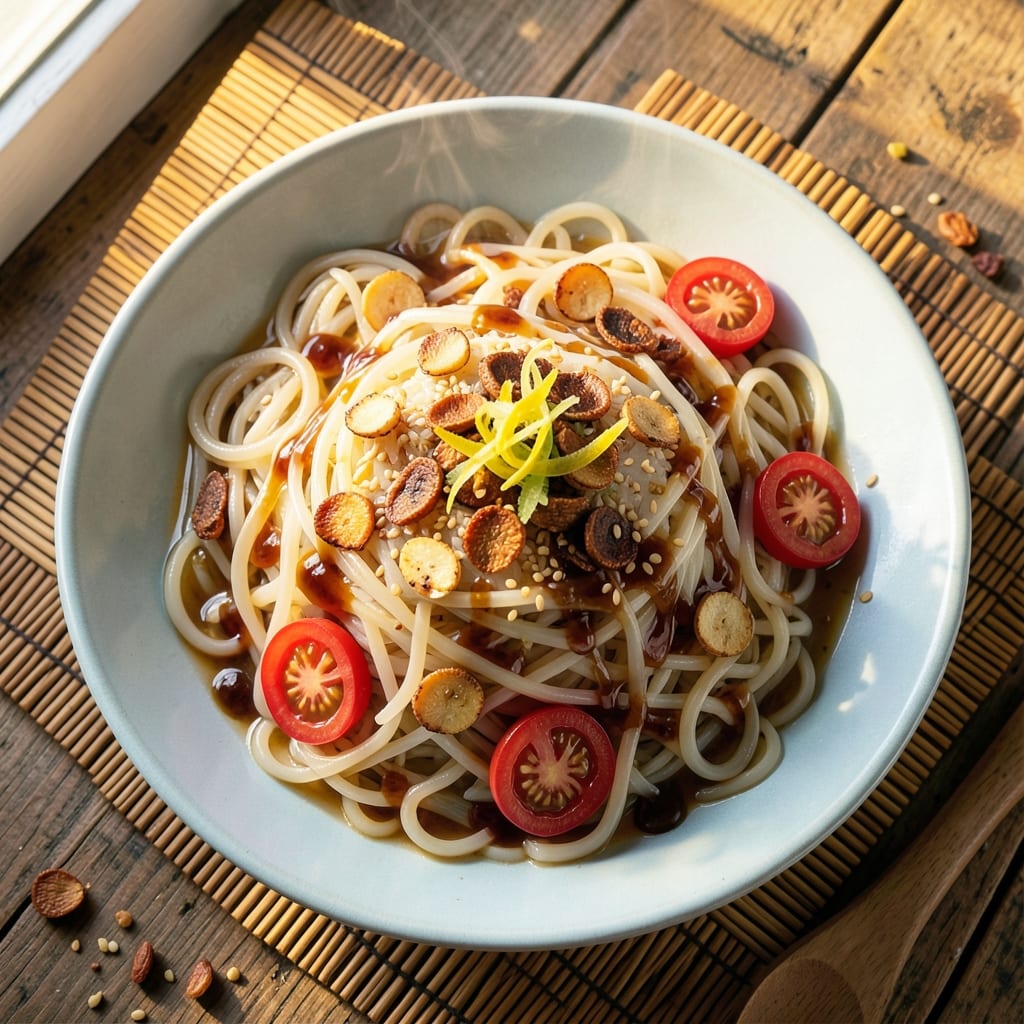
This Asian rice noodle side dish transforms simple ingredients into crispy-fried bites with a tangy tamarind glaze that will elevate any meal. The secret lies in achieving that perfect balance of texture—crispy edges that shatter with each bite while maintaining tender noodles inside. I developed this recipe after years of experimenting with wok techniques, and it consistently delivers restaurant-quality results at home.
The foundation starts with rice noodles that are briefly blanched and then stir-fried until golden and crispy. A simple marinade of garlic, ginger, and soy sauce infuses flavor while keeping the noodles tender. The tangy tamarind glaze adds a bright, slightly sweet contrast that cuts through the richness of fried noodles, making every bite irresistible.
What makes this dish truly special is how it comes together in just 20 minutes—no complicated techniques required. The result is a vibrant, flavorful side that pairs beautifully with grilled proteins, fresh salads, or even as a standalone appetizer. The aroma of garlic and ginger wafting through your kitchen will have everyone anticipating dinner before it even arrives.
Serve these crispy noodle bites immediately for the best texture, but don’t worry if you need to hold them for a few minutes—they’ll stay crispy thanks to the tamarind glaze. Garnish with fresh herbs like cilantro or Thai basil for an extra burst of freshness that ties everything together. This recipe proves that even side dishes can steal the show.
Ingredients for asian rice noodle side dish
Simple ingredients that deliver restaurant-quality crispy texture and tangy tamarind brightness.
| Ingredient | Amount | Notes |
|---|---|---|
| Rice Noodles 🍜 | 8 oz | Stir-fry variety, uncooked |
| Vegetable Oil 🫒 | ½ cup | High smoke point preferred |
| Garlic Cloves 🧄 | 6 cloves | Minced, fresh preferred |
| Fresh Ginger 🌿 | 1 ½ tbsp | Grated, peeled root |
| Soy Sauce 🥢 | 2 tbsp | Light or dark variety |
| Tamarind Paste 🍈 | 2 tbsp | Thick, unsweetened |
| Brown Sugar 🍯 | 1 ½ tbsp | Packed, light brown |
| Lime Juice 🍋 | 1 ½ tbsp | Freshly squeezed |
| Sesame Oil 🫒 | 1 tbsp | Toasted, for aroma |
| Fresh Cilantro 🌿 | ¼ cup | Chopped, stems removed |
| Red Chili Flakes 🌶️ | ½ tsp | Adjust for heat preference |
| Salt 🧂 | ½ tsp | Kosher or sea salt |
| Black Pepper 🌶️ | ¼ tsp | Freshly ground |
The rice noodles are the star—stir-fry variety is non-negotiable for that crispy texture. Grab Thai Kitchen brand if you're at Asian markets or Martins brand at regular grocery stores. Avoid pre-cooked noodles; they won't get crispy. For the tamarind paste, Thai Kitchen or Mae Ploy are reliable brands, but if you can't find it, substitute 1 tbsp lemon juice + 1 tsp molasses in a pinch. The ginger should be freshly grated—jarred ginger lacks the same punch. Pre-minced garlic works, but fresh minced gives better flavor.
No tamarind paste? Lemon juice + molasses works, though it won't be identical. Swap brown sugar for white sugar if that's what you have, but the color will be lighter. Fresh cilantro is ideal, but dried cilantro at half the amount (or even parsley) will work in a bind. The red chili flakes can be omitted if you prefer no heat, but I always include them—they add depth. For the oil, avocado oil has the highest smoke point, but vegetable or canola oil are fine too. The sesame oil is just for aroma here, so don't skimp—it's what makes these noodles smell amazing.
These noodles are best served immediately, but if you need to hold them, keep them in a single layer on a wire rack to maintain crispiness. The glaze keeps for 5 days in the fridge if you make it ahead—store it separately and toss with the noodles before serving. For extra crispiness, double-fry the noodles: fry once, drain, then fry again for 30 seconds. Garnish with extra cilantro and sesame seeds if you've got them—it ties everything together beautifully.
Why You'll Love This Recipe
- I swear by this trick: just toss the rice noodles in boiling water for 3-4 minutes, drain, and they’re ready. No waiting, no fuss—just the perfect chewy texture every time.
- No-Soak Magic: I swear by this trick: just toss the rice noodles in boiling water for 3-4 minutes, drain, and they’re ready. No waiting, no fuss—just the perfect chewy texture every time.
- Garlic-Ginger Punch: That sizzle of minced garlic and fresh ginger in vegetable oil? It’s the secret weapon. The aroma alone makes my kitchen feel like a little Asian bistro, and the first bite delivers that bold, umami kick from the soy sauce.
- Prep-Ahead Powerhouse: Make a big batch on Sunday and store it in the fridge for up to 4 days. It reheats like a dream—just a splash of water or soy sauce to revive that crisp-tender noodle texture. My lazy weeknights thank me.
Step-by-step instructions for crispy-fried rice noodle bites
Here's how to achieve that perfect balance of crispy texture and tangy-sweet glaze every time.
Soak and Prepare the Rice Noodles
Fill a large bowl with hot water and add the 8 oz rice noodles. Let them soak for 10-12 minutes until they're pliable but still slightly firm to the touch. Drain thoroughly in a colander, then rinse under cold water to stop the cooking process and remove excess starch.
Spread the noodles on a clean kitchen towel and pat dry gently. You want them to be completely dry for crispy frying—any moisture will make them soggy. I like to separate the strands with my fingers at this stage to ensure even cooking later.
Fry the Noodles Until Golden and Crispy
Heat 0.5 cup vegetable oil in a large skillet over medium-high heat until it shimmers but doesn't smoke. Add the prepared noodles in a single layer, spreading them out evenly. Fry for 3-4 minutes, stirring gently with tongs, until they turn golden brown and crispy around the edges.
Here's the thing—don't overcrowd the pan or the noodles will steam instead of crisp. If you need to work in batches, reduce the oil to 2 tablespoons for each subsequent batch. Remove the fried noodles and drain on paper towels, being careful not to press them down as this will make them lose their crispness.
Make the Tangy Tamarind Glaze
In a small saucepan, combine 2 tablespoons tamarind paste, 1.5 tablespoons brown sugar, 1.5 tablespoons lime juice, 2 tablespoons soy sauce, 1 tablespoon sesame oil, 0.5 teaspoon red chili flakes, 0.5 teaspoon salt, and 0.25 teaspoon black pepper. Whisk everything together over low heat for 3-4 minutes until the mixture thickens slightly and becomes smooth.
Taste and adjust the seasoning if needed—you might want to add a bit more lime juice for tanginess or a touch more brown sugar for sweetness. This glaze should coat the back of a spoon but still be pourable. Remove from heat and set aside.
Toss and Finish with Aromatics
Return the fried noodles to the skillet over low heat and pour the tamarind glaze over them. Toss gently to coat evenly, then add the 6 cloves minced garlic and 1.5 tablespoons grated fresh ginger. Cook for another 1-2 minutes until the garlic is fragrant but not browned.
Remove from heat and stir in the 0.25 cup chopped fresh cilantro. The cilantro adds a fresh contrast to the tangy, crispy noodles. Taste one piece—it should have a perfect balance of crispy texture, sweet-tangy glaze, and aromatic cilantro. If you prefer more heat, add a pinch more red chili flakes.
Serve Immediately for Maximum Crispiness
Transfer the noodles to a serving platter and serve immediately while still crispy. The texture will start to soften as they cool, so don't wait too long. For best results, serve these as a side dish alongside grilled meats, fresh spring rolls, or as a main dish with a simple protein like shrimp or tofu.
These crispy-fried noodle bites are perfect for sharing—each piece delivers that satisfying crunch followed by the bright, tangy-sweet glaze. The secret to success is keeping everything hot and serving immediately, so have your serving dishes ready before you start frying.
Pro Tips For Making Asian Rice Noodle Side Dish
- SOAK NOODLES IN COLD WATER: I learned this the hard way—dumping dry rice noodles straight into boiling water makes them gummy and gluey. Instead, soak them in cold water for 5–10 minutes first, then rinse quickly. This jumpstarts the cooking process so they absorb heat evenly and stay tender, not mushy.
- MINCE GINGER FINELY: Thin slices of ginger won’t disappear into the dish like you want. Use a microplane or the flat side of your knife to shred it into a paste—no chunks, just tiny flecks. This way, the ginger’s heat and aroma infuse the oil and soy sauce properly, giving that deep, aromatic bite.
- STIR-FRY GARLIC FAST: Garlic burns faster than you think, especially in hot oil. Slice it paper-thin (not minced) and fry it on medium-high heat for just 10 seconds—until fragrant but still pale gold. Overcooking turns it bitter, and nobody wants that in a delicate rice noodle dish.
- USE LESS SOY SAUCE: Start with half the amount listed in the recipe and taste as you go. Soy sauce is salty, and rice noodles already hold moisture. Adding too much later can make the dish flat and one-dimensional. A little at a time lets you adjust for the noodles’ natural saltiness.
Dietary considerations for asian rice noodle side dish
Gluten-Free Adaptations
This recipe is naturally gluten-free as long as you use certified gluten-free tamarind paste and soy sauce. I recommend San-J Tamari for a gluten-free soy sauce alternative—it has the same umami depth without the gluten. Double-check all labels, especially if you're using store-bought rice noodles, as some brands process in gluten-containing facilities. 🌱
Vegan Options
Skip the sesame oil if you prefer a fully plant-based version, though it adds incredible aroma. For the glaze, ensure your tamarind paste is vegan (most brands are), and use coconut aminos instead of soy sauce for a gluten-free, vegan alternative. The noodles themselves are typically vegan, but always verify packaging. The result is just as flavorful and crispy!
Low-Carb Swaps
If you're watching carbs, reduce the rice noodles to 4 oz and increase the protein portion (like shrimp or chicken) to balance the meal. For extra crunch without the carbs, add shredded coconut flakes to the fried noodles before tossing with the glaze. The tamarind glaze remains low-carb as written, making this a great keto-friendly side dish.
Allergen-Friendly Tips
For nut allergies, avoid sesame oil and substitute with avocado oil for frying. If you're sensitive to sulfites, use fresh lime juice instead of bottled versions. For soy allergies, replace soy sauce with coconut aminos or gluten-free tamari. Always cross-contaminate carefully—use separate utensils and clean surfaces thoroughly when switching between allergen-free and regular ingredients. ✨
Dairy-Free Note
This recipe is already dairy-free, but if you're serving alongside dairy-based dishes, consider adding a dairy-free sour cream drizzle or cashew cream for contrast. The tangy tamarind glaze pairs beautifully with creamy dairy alternatives, adding a luxurious touch without compromising dietary needs.
Nutrition facts
Frequently asked questions
Can I use pre-cooked rice noodles for this recipe?
No, pre-cooked noodles won't achieve that perfect crispy texture. The recipe requires stir-fry variety rice noodles that you soak and dry thoroughly before frying. If you're short on time, try rice vermicelli noodles instead—they have a similar texture when prepared this way.
How do I prevent the noodles from getting soggy?
Pat the noodles completely dry after soaking and frying them in small batches to avoid overcrowding. Use a wire rack instead of a plate when serving to keep air circulating. The tamarind glaze should be applied just before serving to maintain crispiness.
What if I don't have tamarind paste?
Mix 1 tbsp lemon juice + 1 tsp molasses as a substitute, though the flavor won't be identical. For a closer match, try 1 tbsp rice vinegar + 1 tsp brown sugar. The glaze will still add tangy brightness, just with a slightly different profile.
Can I make this ahead of time?
Prepare the glaze up to 5 days ahead and store it in the fridge. Fry the noodles fresh and toss with the glaze just before serving. For make-ahead convenience, cook proteins (like shrimp) separately and assemble everything last-minute for optimal texture.
What's the best way to reheat leftover noodles?
Reheat in a dry skillet over medium heat for 1-2 minutes until crispy again. Avoid microwaving—they'll turn rubbery. For extra crunch, sprinkle with 1 tsp sesame oil while reheating and add fresh cilantro at the end.