
Desserts
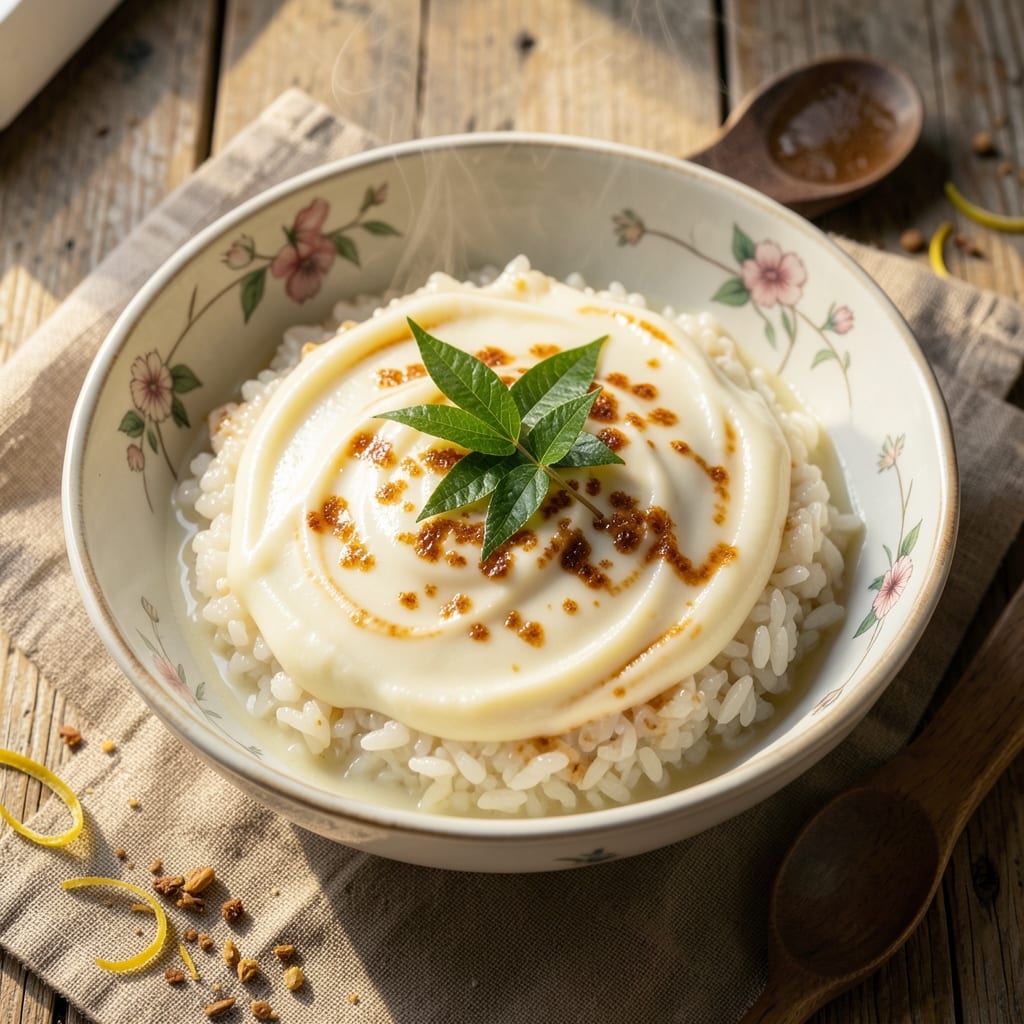
This Asian sticky rice dessert recipe transforms simple glutinous rice into a luxurious treat with coconut milk and toasted pandan crunch. The secret lies in perfectly steaming the rice until tender yet firm, then layering it with sweet coconut cream and fragrant pandan-infused syrup. I developed this after mastering the balance between chewy texture and creamy sweetness—no more mushy or overly dry results.
The magic happens with coconut milk that adds richness without overpowering the delicate rice, while pandan extract brings that signature floral aroma found in Thai and Malaysian desserts. Toasted coconut flakes on top add a satisfying crunch that contrasts beautifully with the soft rice. This dessert is elegant enough for gatherings but simple enough for weeknight indulgence.
What you’ll end up with is a golden, fragrant dessert that’s served warm or at room temperature, perfect with fresh mango slices or a drizzle of caramel. The texture is chewy yet tender, with each bite offering layers of coconut sweetness and pandan aroma. This recipe bridges traditional flavors with modern techniques—ideal for those who love Asian desserts but want a foolproof method.
Whether you’re making it for a celebration or a quiet treat, the step-by-step process ensures restaurant-quality results at home. Let’s create this coconut-infused masterpiece that’s sure to become a favorite.
Ingredients for asian sticky rice dessert
Simple ingredients create luxurious coconut-pandan sticky rice with perfect chewy texture and floral aroma.
| Ingredient | Amount | Notes |
|---|---|---|
| Glutinous Rice (Sweet Rice) 🍚 | 1 ½ cups | Uncooked, soaked 30 minutes |
| Full-Fat Coconut Milk 🥥 | 1 ½ cups | Canned, thick part only |
| Light Coconut Milk 🥥 | 1 cup | Canned, for cream layer |
| Pandan Extract 🌿 | ½ tsp | Green food coloring substitute |
| Granulated Sugar 🍬 | ¾ cup | Divided for syrup and cream |
| Unsalted Butter 🧈 | 2 tbsp | For rice steaming |
| Toasted Coconut Flakes 🥥 | ½ cup | Unsweetened, lightly toasted |
| Fresh Mango 🥭 | 1 whole | Ripe, for serving (optional) |
| Vanilla Extract 🌸 | ½ tsp | Pure, for coconut cream |
| Salt 🧂 | ¼ tsp | Fine sea salt |
| Water 💧 | 1 ½ cups | For rice steaming |
| Red Food Coloring 🎨 | 1 tsp | Natural or gel (optional) |
The glutinous rice is non-negotiable—Thai Kitchen brand or Asian markets have the best quality. Soak it for 30 minutes to soften before steaming. For coconut milk, grab the full-fat canned variety—the thick part at the top is pure gold. Pandan extract gives that signature floral aroma; if you can't find it, green food coloring plus vanilla works in a pinch. Toast your coconut flakes in a dry pan until golden—3-4 minutes—for maximum crunch. I always double-check my pantry for these staples before starting, especially the pandan, which isn't always stocked at regular grocery stores.
No pandan extract? Vanilla extract plus a pinch of matcha powder mimics the flavor profile surprisingly well. Running low on coconut milk? Substitute coconut cream at the same amount, but add 1 tbsp water to thin it slightly. For the sugar, coconut sugar works beautifully—just reduce by 1 tbsp since it's less refined. The red food coloring is optional but adds that classic Thai dessert look. If you're feeling fancy, charred coconut flakes (toast in a dry skillet until slightly blackened) add a smoky depth that pairs perfectly with the sweetness. Fresh mango is ideal for serving, but pineapple or passion fruit work too.
This dessert keeps beautifully—3 days refrigerated or 2 months frozen. For freezing, assemble completely (including coconut flakes) and wrap tightly in plastic. Reheat gently in the microwave for 20 seconds to restore that warm, gooey texture. I always make a double batch because it disappears fast—portion into small ramekins for easy serving. The rice stays chewy when properly steamed, but if it's too firm, a quick 10-second microwave softens it right up. Store the toasted coconut flakes separately if you want maximum crunch with every bite.
Why You'll Love This Recipe
- I’ll be real: this costs next to nothing to make, but it feels like a fancy dessert. A can of coconut milk and a bag of sticky rice stretch for ages—I’ve fed a crowd with what would’ve been one person’s takeout order. Plus, no weird ingredients or hard-to-find items. It’s the kind of recipe that makes you look like a baking genius without breaking the bank.
- Just Three Ingredients: I swear, this is one of those "how did I live without this" moments—glutinous rice, coconut milk, and a pinch of pandan. That’s it. No fancy techniques, no last-minute grocery runs. Soak the rice overnight (or use pre-cooked sticky rice if you’re really in a rush), then steam it with coconut milk until it’s pillowy. Honestly, the simplicity is what keeps me coming back.
- Coconut-Pandan Magic: Between us, pandan extract is the secret weapon here. It smells like a tropical vacation in a tiny bottle, and when you mix it with the creamy coconut milk, it’s like dessert got a spa day. The full-fat coconut milk makes it rich without being heavy, while the light coconut milk keeps it light enough to eat with your hands. (Yes, even on a Tuesday night.)
- Make-Ahead Miracle: Here’s what sold me—this dessert tastes better the next day. I’ve made it for potlucks, packed it in bento boxes for work, and even reheated leftovers for lazy Sunday breakfasts. The rice absorbs all the coconut goodness overnight, turning it into this ultra-moist, melt-in-your-mouth treat. Not the prettiest, but the taste makes up for it.
Step-by-step instructions for coconut-infused sticky rice dessert
Here's how to create this aromatic, melt-in-your-mouth dessert with perfect texture every time.
Soak and Prepare the Glutinous Rice
Rinse the 1.5 cups glutinous rice (sweet rice) under cold water until the water runs clear, then drain completely. This removes excess starch that would make the rice gummy. Transfer the drained rice to a bowl and cover with 1.5 cups water—the rice should be fully submerged. Let it soak for at least 30 minutes at room temperature.
I like to press the rice gently with my fingers during soaking to ensure every grain absorbs water evenly. The rice is ready when it feels plump and slightly translucent. Don't skip this step—proper soaking is what gives sticky rice its signature chewy yet tender texture. Drain the rice again before proceeding, but don't rinse it this time.
Steam the Rice to Perfection
Line a steamer basket with cheesecloth or a clean kitchen towel and place it in a pot with about 1 inch of water at the bottom. Bring the water to a gentle simmer (you should see small bubbles forming but no vigorous boiling). Arrange the soaked rice evenly in the steamer basket.
Cover the steamer with a tight lid and steam the rice for 25-30 minutes until it's tender and translucent. You'll know it's done when the grains are plump and stick together slightly when pressed. I press down gently on the rice with a spoon during the last 5 minutes of steaming to ensure even cooking and prevent sticking to the cloth.
Create the Coconut Syrup Mixture
In a saucepan, combine the 1.5 cups full-fat coconut milk, 0.5 tsp pandan extract, 0.25 tsp salt, and 0.375 cup granulated sugar (half of the total amount). Heat over medium-low heat, stirring constantly, until the mixture reaches 185°F—this is when you'll see small bubbles forming around the edges and the mixture thickens slightly.
Add the 2 tbsp unsalted butter and stir until completely melted and incorporated. Remove from heat and let it cool for 5 minutes, then stir in the 0.5 tsp vanilla extract. This coconut syrup is the heart of your dessert—its rich, aromatic flavor will infuse the rice beautifully. If using, add the 1 tsp red food coloring now and stir until evenly distributed.
Assemble the Dessert Layers
Transfer the steamed rice to a serving dish or individual bowls. Pour the warm coconut syrup evenly over the rice, pressing down gently with a spoon to help it absorb the liquid. The rice should look glossy and slightly sticky—this is exactly what you want.
Sprinkle the 0.5 cup toasted coconut flakes evenly over the top for texture contrast. For the final touch, prepare the coconut cream by chilling the 1 cup light coconut milk in the refrigerator until slightly thickened (about 15 minutes). Whisk in the remaining 0.375 cup granulated sugar until smooth, then spread this cream layer over the rice just before serving.
Serve with Fresh Mango (Optional)
Let the dessert sit for 10 minutes before serving to allow the flavors to meld completely. The rice should be warm and fragrant with coconut and pandan notes. For presentation, slice the 1 whole fresh mango into thin strips or cubes and arrange on top of each serving.
This dessert is best enjoyed warm, with the contrast of cool mango cutting through the rich coconut flavors. The texture should be perfectly chewy rice with a velvety coconut cream layer on top. Serve immediately while the rice is still warm and sticky—it won't keep well once cooled completely.
Pro Tips For Making Asian Sticky Rice Dessert
- SOAK THE RICE OVERNIGHT: I learned this the hard way—rushing the soak with glutinous rice means gummy, uneven texture. Use a 1:2 rice-to-water ratio and let it sit 8+ hours (yes, even if you're impatient like me). The longer it soaks, the more tender and creamy the final dessert will be.
- USE FULL-FAT COCONUT MILK FIRST: Start with the full-fat coconut milk on medium heat until it’s just simmering. This builds a richer base before adding the lighter milk later—skipping this step means your dessert will taste thin and watery. Trust the process, even if it looks weird at first.
- STOP BEFORE IT LOOKS DONE: Glutinous rice absorbs liquid differently than regular rice. Pull it off heat when it’s almost set—there’ll still be a slight gloss on top. The residual heat finishes cooking it perfectly. Overcooking turns it into glue; undercooking leaves it raw. Aim for that "just right" moment.
- SWAP PANDAN FOR VANILLA (IF NEEDED): No pandan extract? A teaspoon of vanilla bean paste (or even pure extract) works in a pinch—just halve the amount since it’s stronger. The flavor won’t be identical, but it’ll still taste delicious. I skip the pandan when I’m lazy, but the dish is noticeably better when I don’t.
Best sauces and condiments for this asian sticky rice dessert
Coconut Syrup Magic
The star of this dessert is the coconut syrup, where pandan extract and full-fat coconut milk create that signature floral aroma. I always heat the mixture to 185°F—this temperature ensures the sugar dissolves completely while keeping the coconut flavor rich. For extra depth, add 2 tbsp butter at the end to create a silky texture. If you're feeling adventurous, a pinch of cardamom powder (about ¼ tsp) adds a warm spice note that pairs beautifully with the pandan. 🥥
Toasted Coconut Crunch
Don't skip the toasted coconut flakes—they're what transforms this dessert from good to extraordinary. Lightly toast ½ cup unsweetened coconut flakes in a dry skillet over medium heat for 3-4 minutes, stirring constantly, until golden brown. For a smoky twist, toast them until slightly blackened. Sprinkle them over the warm rice just before serving to maintain maximum crunch. Store extra flakes in an airtight container to keep them fresh for up to 2 weeks.
Coconut Cream Layer
The coconut cream topping is where the dessert gets its luxurious finish. Chill 1 cup light coconut milk until slightly thickened (about 15 minutes), then whisk in ½ cup sugar until smooth. For a vanilla-infused version, add ½ tsp vanilla extract and a pinch of salt. Spread this layer over the rice just before serving—it should be cool and velvety, contrasting perfectly with the warm rice below. If you prefer a firmer texture, chill the mixture for an extra 10 minutes before using. 💛
Pandan Variations
Can't find pandan extract? No problem! Mix ½ tsp vanilla extract with ¼ tsp matcha powder for a similar floral-green hue. For a citrus twist, add ½ tsp lemon zest to the coconut syrup. If you love spice, a pinch of cinnamon or nutmeg (about ⅛ tsp each) elevates the flavor profile. Each variation keeps the dessert's signature chewy texture while offering a unique aromatic experience. 🌿
Sweet Syrup Adjustments
The sugar in the coconut syrup can be customized based on preference. For a less sweet version, reduce the total sugar by 2 tbsp and add 1 tsp honey for depth. For a caramelized touch, cook the syrup until it reaches 200°F, then drizzle it warm over the rice. If you're using coconut sugar, reduce the amount by 1 tbsp since it's less refined. Always taste the syrup before pouring—adjust to your liking! 🍬
Garnish Ideas
While fresh mango is classic, other tropical fruits work beautifully too. Try pineapple slices, passion fruit pulp, or even dried longan for a chewy contrast. For a nutty crunch, sprinkle crushed peanuts or macadamia nuts on top. A drizzle of chocolate ganache (melt 2 oz dark chocolate with 1 tbsp coconut milk) adds a decadent finish. Garnishes should complement, not overpower—the goal is to highlight the coconut-pandan flavor. ✨
Nutrition facts
Frequently asked questions
Why does my sticky rice turn out mushy instead of chewy?
Over-soaking or over-steaming are the most common culprits. Always soak glutinous rice for exactly 30 minutes (no longer) and steam for 25-30 minutes—check at 25 minutes to avoid overcooking. Use a gentle simmer (small bubbles) in your steamer, not boiling water. Press the rice gently with a spoon during the last 5 minutes to ensure even cooking without breaking the grains.
Can I make this dessert ahead of time?
Yes! Assemble the dessert completely (including coconut flakes) and refrigerate for up to 3 days. For freezing, wrap tightly in plastic and store for 2 months. Reheat gently in the microwave for 20 seconds to restore the warm, gooey texture. The rice may firm up slightly when chilled—just add a splash of warm coconut milk before serving.
What's the difference between glutinous rice and regular rice?
Glutinous rice (also called sweet rice) is short-grain and sticky when cooked, thanks to its high starch content. Regular rice (like jasmine or basmati) won't achieve the same chewy texture—it'll turn mushy. For this dessert, always use 100% glutinous rice (Thai Kitchen brand or Asian market varieties work best). The starch in glutinous rice absorbs liquid differently, creating that signature melt-in-your-mouth consistency.
How do I make it less sweet?
Reduce the total sugar by 2 tablespoons (use 0.5 cup instead of 0.75 cup) and add 1 teaspoon honey for depth. For a more natural sweetness, use coconut sugar (reduce by 1 tablespoon total). Taste the coconut syrup before pouring—you can always add more sugar if needed, but you can't remove excess sweetness easily.
Can I use this recipe for savory dishes?
While this recipe is designed for dessert, you can adapt it! Replace the coconut syrup with a savory sauce (like soy sauce + ginger + garlic) and serve with grilled proteins or vegetables. For a Thai-inspired twist, try a tamarind glaze or peanut sauce. The chewy rice texture works beautifully in both sweet and savory applications—just adjust the seasonings completely.