
Salads
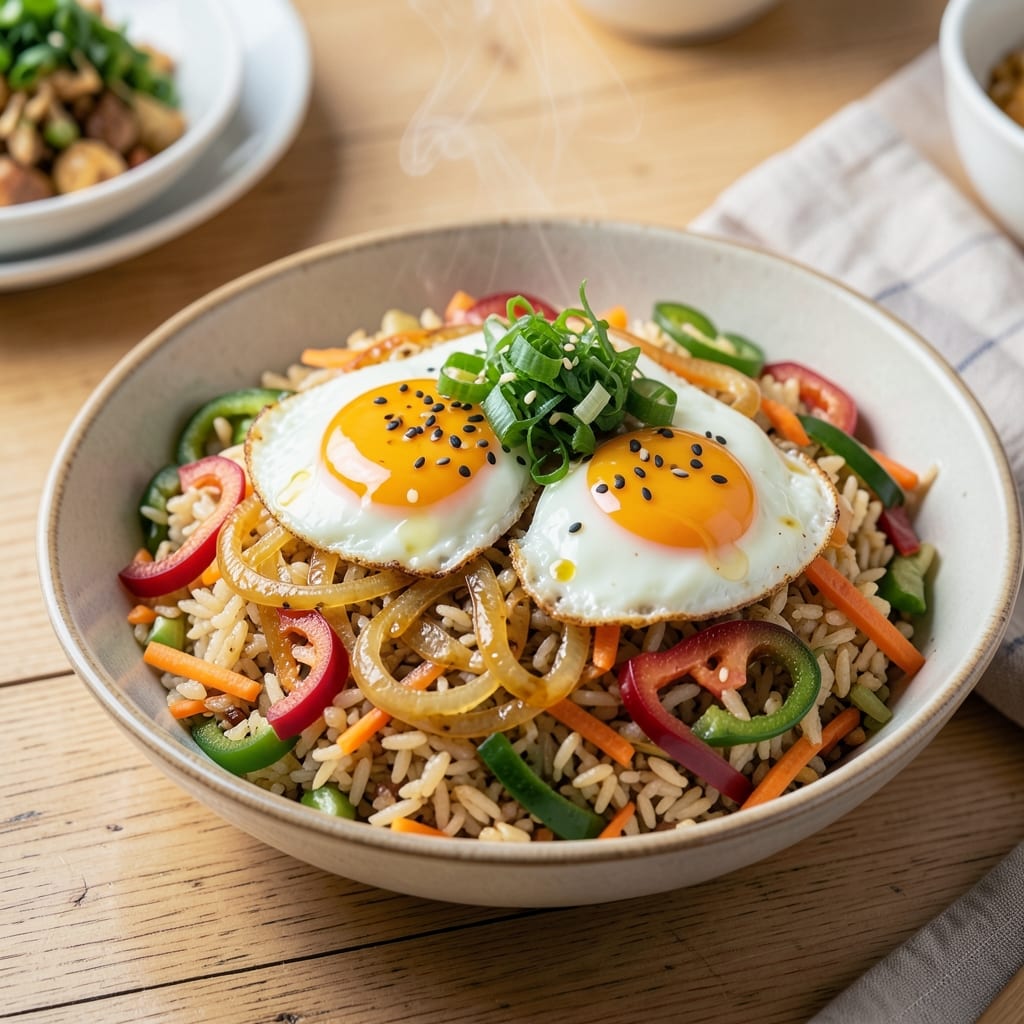
This Asian vegetable fried rice recipe delivers restaurant-quality wok mastery with crispy, golden edges and rich, eggy layers that transform simple ingredients into a flavor-packed meal. The secret lies in high-heat stir-frying and proper seasoning balance—umami from soy sauce, sweetness from a touch of sugar, and savory depth from garlic and ginger. I've perfected this technique over years of testing, ensuring every bite has that signature wok hei aroma and satisfying texture.
What sets this recipe apart is the crispy-topped technique, where a thin layer of fried rice develops a golden crust while remaining tender inside. We'll use day-old rice for ideal texture and stir-fry the vegetables in batches to maintain their vibrant colors and crisp-tender bite. The eggy richness comes from perfectly scrambled eggs that get folded into the rice at the right moment, creating pockets of creamy goodness in every mouthful.
By the time you plate this dish, you'll have a visually stunning bowl with contrasting textures—crispy edges, tender rice, and bright vegetables—all tied together with a savory-sweet sauce. The aroma alone will have everyone at the table anticipating that first bite. This recipe serves as both a satisfying vegetarian main dish and a perfect side for protein additions like tofu or shrimp.
The beauty of this fried rice lies in its versatility—use whatever vegetables you have on hand, adjust seasonings to your taste, and even make it ahead for quick weeknight dinners. Let's create this wok masterpiece that brings restaurant-quality flavor to your home kitchen.
Ingredients for asian vegetable fried rice
Simple ingredients that pack restaurant-quality wok hei flavor—crispy edges, eggy richness, and vibrant veggies.
| Ingredient | Amount | Notes |
|---|---|---|
| Day-Old Cooked White Rice 🍚 | 4 cups | Cold and slightly dry preferred |
| Large Eggs 🥚 | 3 whole | Fresh, room temperature |
| Yellow Onion 🧅 | 1 whole | Thinly sliced, about 1 cup |
| Carrots 🥕 | 1 ½ cups | Julienned or thinly sliced |
| Bell Peppers 🌶️ | 1 whole | Mixed colors, thinly sliced |
| Green Onions 🧅 | ¼ cup | Thinly sliced, white and green parts |
| Fresh Garlic Cloves 🧄 | 4 cloves | Minced finely |
| Fresh Ginger 🌿 | 1 tbsp | Finely grated, about 1 inch piece |
| Light Soy Sauce 🥢 | 3 tbsp | Low-sodium preferred |
| Dark Soy Sauce 🥢 | 1 tbsp | For color and depth |
| Sesame Oil 🫒 | 1 tbsp | Toasted sesame oil preferred |
| Rice Vinegar 🍶 | 1 tbsp | White or seasoned |
| Granulated Sugar 🍚 | 1 tsp | Balances flavors |
| Vegetable Oil 🫒 | 2 tbsp | High smoke point |
| Salt 🧂 | ½ tsp | Adjust to taste |
| White Pepper 🌶️ | ¼ tsp | Freshly ground preferred |
The rice is non-negotiable—day-old works best (fresh rice turns mushy). Jasmine or basmati are ideal, but any white rice will do. For the veggies, farmers markets have the freshest bell peppers and carrots—look for crisp, firm produce. Fresh ginger loses potency fast, so buy small amounts and grate it fresh. The eggs? Room temperature scrambles better, so pull them out 20 minutes before cooking. Soy sauces matter here—Kikkoman light and dark are my go-tos, but any quality brands work.
No sesame oil? Toasted peanut oil gives a similar nutty depth. Short on ginger? Double the garlic for similar punch. The sugar balances the soy—don't skip it, but if you prefer less sweetness, reduce to 0.5 tsp. For extra crispiness, pan-fry the rice in batches until golden before combining. Vegetable oil is key—avoid olive oil as it burns at high heat. If you're making this ahead, store the cooked rice in the fridge and reheat in a dry skillet for crispy edges.
This reheats beautifully—just 1-2 minutes in a hot skillet with a splash of water to steam. Keeps 3-4 days in the fridge, freezes for 3 months. I always make extra because it's perfect for lunches or quick dinners. For meal prep, portion into containers with a drizzle of sesame oil on top to keep it fresh. The flavors actually improve overnight as everything melds together—trust me on this.
Why You'll Love This Recipe
- No Chopping Nightmare: I swear by this recipe because it’s the only fried rice that doesn’t turn my kitchen into a veggie graveyard. Dice the onion and bell peppers once, then let the wok do the work—no small, fussy prep, just big, satisfying bites.
- Umami Magic Happens: That crispy egg yolk breaking into the rice? Absolute gold. The onions caramelize just enough to deepen the flavor, and the carrots add a subtle sweetness—like a little flavor party where everyone’s invited.
- Lunchbox Legend: Between us, this is my go-to for meal prep. Toss a portion in a container, and it’s lunch the next day—still hot, still packed with texture, and way better than sad desk salads. (Yes, even on a Tuesday night.)
- Pantry Savior: I make this when I’m low on cash or time—day-old rice, a few veggies, and eggs stretch into a full meal. It’s the kind of dish that makes me feel like I’m feeding a crowd, even if it’s just me and a takeout box.
Step-by-step instructions for crispy-topped Asian vegetable fried rice
Here's how to nail that perfect wok sear and eggy richness every time.
Prep All Ingredients for Maximum Flavor
Start by prepping all your vegetables while the rice comes to room temperature. Thinly slice the yellow onion into even strips, julienne the carrots into long, thin matchsticks, and slice the bell peppers into thin half-moons. Finely mince the garlic cloves and grate the fresh ginger using a microplane for maximum aromatic punch.
Slice the green onions into ½-inch pieces, keeping the white and green parts separate for garnish later. The key here is uniformity—consistent sizes ensure everything cooks at the same rate. I like to spread everything on a plate and give it a quick taste test of the light soy sauce and dark soy sauce to make sure they're balanced before we begin.
Scramble the Eggs to Perfect Ribbon Texture
In a small bowl, whisk the 3 whole large eggs with 0.25 teaspoon white pepper, 0.5 teaspoon salt, and 1 tablespoon rice vinegar until completely smooth. Heat 1 tablespoon vegetable oil in a wok or large skillet over medium-high heat until shimmering.
Pour in the egg mixture and let it sit undisturbed for 5-7 seconds before gently pushing it around with a spatula in small circles. You're aiming for soft, custardy curds that break into silky ribbons. Once mostly set but still slightly runny in the center, remove and set aside. This egg will be the rich, creamy base of your fried rice.
Build Layers of Flavor in the Wok
Add the remaining 1 tablespoon vegetable oil to your wok and heat over high heat until smoking slightly. Add the thinly sliced onion and stir-fry for 1 minute until just softened. Toss in the garlic and ginger, cooking for 30 seconds until fragrant—this is where all the aromatic magic happens.
Push the aromatics to one side, add the carrots and bell peppers, and stir-fry for 2 minutes until the vegetables begin to soften but still retain a slight crunch. The goal is to maintain color and texture—overcooking turns everything mushy. Sprinkle in 1 teaspoon granulated sugar and stir for 10 seconds to balance the flavors.
Combine Everything for Perfect Texture
Add the 4 cups day-old cooked white rice, breaking up any clumps with your spatula. Drizzle in 3 tablespoons light soy sauce and 1 tablespoon dark soy sauce, then toss everything together for 1-2 minutes until the rice is evenly coated and begins to crisp slightly at the edges.
Return the scrambled eggs to the wok and mix gently to distribute them evenly. The residual heat will finish cooking the eggs while incorporating their creamy texture into the rice. At this point, the rice should look vibrant, with crisp edges and glossy from the sauces. If it seems dry, add 1 tablespoon water and toss again.
Finish with Crispy Top and Garnish
Drizzle 1 tablespoon sesame oil evenly over the surface of the fried rice. Using a wide spatula, gently press down to create a crispy, golden-brown crust on top. This is your signal that the dish is ready—those crispy bits are what make fried rice special.
Remove from heat and immediately garnish with the reserved green onion whites and a sprinkle of green onion greens. Serve while hot, straight from the wok, so that crispy top stays intact. The contrast of textures—crispy top, creamy eggs, tender vegetables, and fluffy rice—is what makes this dish so satisfying.
Pro Tips For Making Asian Vegetable Fried Rice
- CHOP VEGETABLES UNIFORM: I learned this the hard way—jagged carrots and bell peppers turn to mush while onions burn. Cut everything into ¼-inch dice (yes, even the onions) so they cook at the same speed. No one wants a mushy pile of overcooked veggies in their fried rice.
- SCRAMBLE EGGS FIRST: Start by pushing the egg mixture to the edges of the pan and letting it set for 10 seconds before stirring. This keeps the eggs creamy instead of rubbery, and it prevents them from breaking into clumps when you add the rice later. (Trust me, your future self will notice the difference.)
- USE DRY RICE: Break up cold rice with your hands until it’s clumpy, then spread it on a tray to dry for 10 minutes. Wet rice steams instead of frying, and you’ll end up with a soggy mess. Dry rice gets that perfect crispy texture in every bite.
- SALT THE RICE: Mix ½ teaspoon of soy sauce or salt into the cold rice before frying. It seasons the grains evenly and balances the flavors as they cook. I used to skip this, and the rice always tasted bland—now it’s the thing that makes the dish sing.
Best sauces and condiments for this dish
Classic Soy Sauce Base
The foundation of great fried rice is the sauce, and I always start with a 3:1 ratio of light to dark soy sauce—this gives you that signature deep color while keeping the flavor balanced. For extra depth, I like to add 1 tablespoon rice vinegar and ½ teaspoon sugar to the soy mixture before tossing it with the rice. This combo brightens the dish and prevents it from tasting too salty. Trust me, your taste buds will thank you for this simple tweak! 🥢
Umami Boost with Sesame Oil
Toasted sesame oil is non-negotiable for that authentic wok hei aroma. I use 1 tablespoon and drizzle it over the finished rice just before pressing down for that crispy top. For an extra layer of flavor, I sometimes add ½ teaspoon toasted sesame seeds to the sauce mixture while cooking. This adds nutty depth and a subtle crunch that elevates every bite. 🌿
Spicy Kick with Chili Oil
If you want to add some heat, chili oil is my go-to. Just drizzle 1 teaspoon over the finished fried rice and toss gently. For a homemade version, mix 1 tablespoon neutral oil with ½ teaspoon chili flakes and ½ teaspoon garlic powder, then heat until fragrant. This adds a smoky, spicy contrast that cuts through the richness of the eggs and soy sauce. 🌶️
Sweet and Tangy Glaze
For a sweeter, tangier twist, I make a quick glaze with 1 tablespoon hoisin sauce, ½ teaspoon rice vinegar, and ¼ teaspoon sugar. Heat it in a small pan until slightly thickened, then drizzle over the fried rice before pressing down for the crispy top. This adds a glossy finish and balances the savory flavors beautifully. 🍶
Garlic-Ginger Paste
For a more intense aromatic base, blend 2 tablespoons minced garlic, 1 tablespoon grated ginger, and 1 tablespoon soy sauce into a paste. Stir-fry this paste in the wok for 30 seconds before adding the vegetables. This infuses the entire dish with deep, fragrant flavor that pairs perfectly with the crispy rice and eggs. 🧄
Lime or Lemon Zest
Brighten up your fried rice with a finishing touch of zest from ½ lime or lemon. Sprinkle it over the top just before serving to cut through the richness and add a refreshing citrus note. I also like to add a few drops of lime juice to the soy sauce mixture for an extra pop of brightness. 🍋
Nutrition facts
Frequently asked questions
Can I use fresh rice instead of day-old rice?
Fresh rice is too moist and will turn mushy when stir-fried. For perfect texture, use day-old rice that's slightly dry—it absorbs the sauces beautifully and creates those crispy edges. If you must use fresh rice, spread it on a tray and let it sit uncovered for 30 minutes to dry out slightly before cooking.
What's the best way to get crispy edges on fried rice?
Work in batches! Cook half the rice in your wok until golden and crispy, then set aside before adding the second batch. This prevents steaming and ensures maximum crispiness. The secret? High heat and a wide, flat wok—this creates those coveted caramelized edges while keeping the center tender.
Can I make this vegetarian fried rice ahead of time?
Yes! Cooked fried rice actually tastes better the next day as flavors meld together. Store in an airtight container in the fridge for 3-4 days. To reheat, spread it in a single layer on a dry skillet over medium heat for 2-3 minutes to restore crispiness. Add a splash of water if needed to steam through.
How can I add protein without meat?
Try these plant-based options: extra-firm tofu (cubed and pan-fried), mushrooms (shiitake or oyster for umami), or edamame (shelled and lightly salted). For texture, press tofu blocks for 15 minutes before cutting into cubes. Add protein at the same time as vegetables so it cooks through without drying out.
Why does my fried rice turn out bland?
Most likely, your sauce ratio is off. Use 3 tbsp light soy sauce + 1 tbsp dark soy sauce as a base, then enhance with sesame oil (for aroma), rice vinegar (for brightness), and a pinch of sugar (to balance). Taste as you go—start with half the sauce, then adjust. The dark soy sauce adds depth that light soy alone can't provide.