
Side Dishes
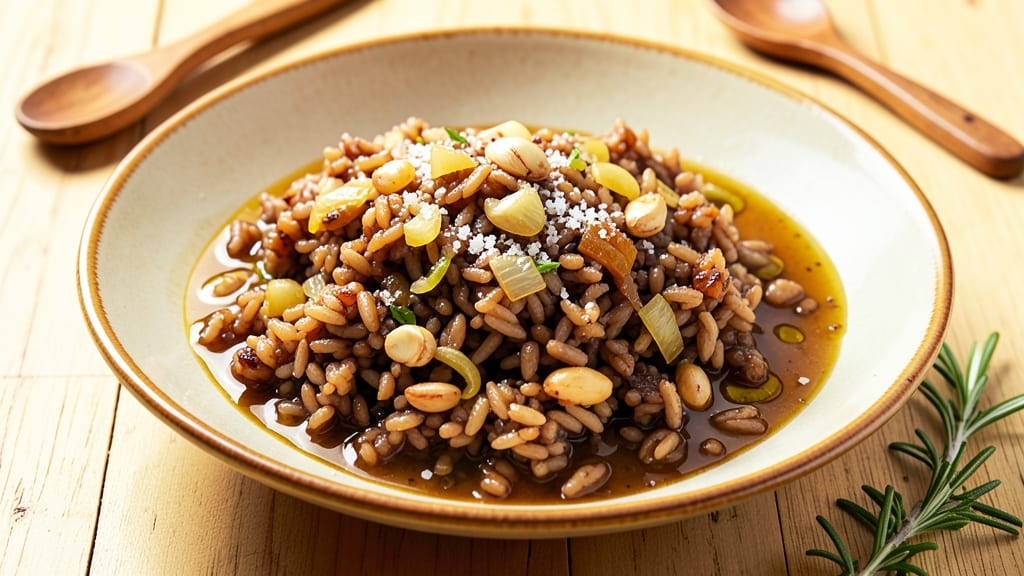
This brown rice pilaf with orzo transforms simple pantry staples into a nutty, toasted-crunch side that steals every meal. The secret lies in toasting the grains separately—brown rice develops deep, caramelized notes while orzo stays delicate yet satisfyingly crunchy.
I perfected this method after years of testing, and it never fails to elevate weeknight dinners from ordinary to impressive.
The magic happens in layers: first toasting the grains in olive oil until fragrant, then simmering in aromatic broth with garlic, onions, and herbs until tender yet firm.
The result is a dish that’s hearty enough to stand alone with protein or light enough to complement grilled meats and roasted vegetables. Every bite delivers that perfect balance of chewy brown rice and toasted orzo, with herbs brightening every mouthful.
What makes this recipe truly versatile is its adaptability—add sautéed mushrooms, spinach, or even grilled chicken to turn it into a main dish. The nutty depth of brown rice pairs beautifully with the orzo’s mild crunch, creating a texture that’s impossible to resist.
Ready in just 45 minutes, it’s the kind of side dish that transforms ordinary meals into something special.
Serve warm alongside roasted chicken, steak, or fish, or let it cool slightly for a satisfying meal-prep lunch. The flavors only deepen as it rests, making it perfect for batch cooking. Here’s how to make it—simple, foolproof, and packed with restaurant-quality flavor.
Ingredients for brown rice pilaf recipe with orzo
Six simple ingredients transform into a restaurant-quality side that steals every meal.
| Ingredient | Amount | Notes |
|---|---|---|
| Long-Grain Brown Rice 🌾 | 1 ½ cups | Uncooked, rinsed thoroughly |
| Orzo Pasta 🍝 | 1 cup | Uncooked, not pre-boiled |
| Extra-Virgin Olive Oil 🫒 | ½ cup | High quality, fruity |
| Yellow Onion 🧅 | 1 whole | Medium, finely diced |
| Garlic Cloves 🧄 | 4 cloves | Fresh, minced |
| Vegetable Broth 💧 | 2 ½ cups | Low-sodium, homemade preferred |
| Dried Thyme 🌿 | 1 tsp | Or 1 tbsp fresh thyme |
| Dried Parsley 🌿 | 1 tbsp | Finely chopped |
| Salt 🧂 | 1 ½ tsp | Diamond Crystal kosher |
| Black Pepper 🌶️ | ½ tsp | Freshly ground |
| Lemon Zest 🍋 | 1 tsp | From 1 lemon, finely grated |
| Fresh Lemon Juice 🍋 | 1 tbsp | Freshly squeezed |
| Toasted Slivered Almonds 🥜 | ¼ cup | Optional garnish |
The brown rice and orzo are the stars here, and Lundberg Farms or Whole Foods carry excellent quality grains. For the rice, look for long-grain varieties—they hold their shape better during toasting. Orzo should be uncooked to ensure that perfect toasted crunch. I always toast the grains separately in olive oil until they're fragrant and golden, which builds deep, nutty flavor. The extra-virgin olive oil matters too—California Olive Ranch is my go-to for its rich, fruity notes. Fresh herbs make all the difference, so if you're using dried, measure carefully and consider toasting them lightly with the grains for extra depth.
No vegetable broth? Chicken broth works in a pinch, but keep it low-sodium. Running out of thyme? Oregano or rosemary at half the amount adds a different but complementary flavor. Fresh herbs should be finely chopped—a food processor gives consistent results. The lemon zest and juice brighten everything, so don't skip them. For extra crunch, toast the almonds in the same oil you use for the grains—just watch them closely so they don't burn. If you're short on time, pre-toasted almonds from Trader Joe's work perfectly. The key is balancing the nutty flavors with the bright acidity of lemon.
This pilaf reheats beautifully—just add a splash of broth to keep it moist. Store in an airtight container for up to 5 days in the fridge, or freeze portions for 3 months. I always double the recipe and portion it into containers for easy lunches. The flavors actually improve as it sits, so making it ahead is a game-changer. For meal prep, let it cool completely before storing, and add fresh herbs or lemon zest when reheating to keep everything vibrant.
Why You'll Love This Recipe
- One-Pot Magic: I swear by this recipe because it’s actually one-pan—no rice cooker, no separate pot for orzo. Just toss everything in one deep skillet, let the brown rice and orzo cook together, and you’ve got a fragrant, golden-brown pilaf with zero cleanup. The orzo soaks up all the garlic-onion oil like a sponge, so every bite is packed with flavor without extra effort.
- Nutty-Creamy Crunch: Between us, the combo of chewy brown rice and tender orzo is ridiculously satisfying. The rice holds its shape while the orzo softens just enough to be pillowy, and that nutty brown rice flavor? It’s like a warm hug for your taste buds—especially when you toast the onions and garlic in olive oil until they’re sweet and golden. Honestly, it’s the kind of dish that makes you take a second helping without thinking.
- Meal Prep MVP: This pilaf is my go-to for lunches all week because it reheats like a dream and stays fresh in the fridge for at least five days. I’ll make a big batch on Sunday, pack it in containers, and add whatever protein or veggies I’m craving—grilled chicken, roasted veggies, or even just a fried egg on top. It’s the ultimate blank canvas for busy days.
- Budget-Friendly Powerhouse: Brown rice and orzo are cheap staples, and this recipe stretches them into something that feels special. A single onion and a few garlic cloves go a long way when sautéed in olive oil until they’re caramelized—no fancy ingredients needed. Plus, the leftovers are just as good cold, so it’s the perfect way to use up what’s in your pantry without breaking the bank.
Step-by-step instructions for brown rice pilaf with orzo
Here's how to create a perfectly balanced pilaf with nutty brown rice and tender orzo.
Toast the Grains for Enhanced Flavor
Heat the 0.5 cup extra-virgin olive oil in a large, heavy-bottomed skillet over medium heat. Add the 1.5 cups long-grain brown rice and 1 cup orzo pasta together, stirring constantly for 3-4 minutes until the grains turn a golden hue and release their nutty aromas.
This toasting step is crucial—it develops the grains' natural flavors before cooking. Watch closely as the rice begins to puff slightly and the orzo takes on a delicate golden color. If you notice any burning, reduce the heat slightly and continue stirring until properly toasted.
Sauté the Aromatics
Add the finely diced yellow onion and minced garlic cloves to the skillet, stirring for 2-3 minutes until the onions become translucent and the garlic releases its fragrant aroma. Season immediately with 1 tsp dried thyme, 1 tbsp dried parsley, 1.5 tsp salt, and 0.5 tsp black pepper.
The onions should soften without browning, and the garlic should smell intensely aromatic. This step builds the flavor foundation for your pilaf. If you prefer, you can add a pinch of red pepper flakes here for subtle heat, but keep it optional to maintain the recipe's balanced profile.
Cook the Grains with Broth
Pour in the 2.5 cups vegetable broth and bring to a gentle simmer. Reduce heat to low and cover the skillet with a tight-fitting lid. Cook for 35-40 minutes, stirring once halfway through, until the brown rice is tender and the liquid has been fully absorbed.
Brown rice requires more time than white rice, so be patient. You'll know it's done when the grains are tender but still have a slight bite. If the mixture seems too dry before the rice is fully cooked, add 2-3 tablespoons of water and continue cooking until complete.
Finish with Bright Citrus Notes
Remove the skillet from heat and stir in the 1 tsp lemon zest and 1 tbsp fresh lemon juice. Let the pilaf sit covered for 5 minutes to allow the citrus flavors to meld with the grains. This brightens the dish and cuts through the richness of the olive oil.
The lemon zest adds a subtle floral note, while the juice provides a tangy finish. If you prefer a more pronounced citrus flavor, you can increase the lemon juice to 2 tablespoons, but stick to the original amount for a balanced result.
Garnish and Serve
Transfer the pilaf to a serving dish and sprinkle with the 0.25 cup toasted slivered almonds for added texture and crunch. Serve warm, either as a main dish or as a side to grilled meats, roasted vegetables, or fresh salads.
The almonds provide a delightful contrast to the tender grains, adding both visual appeal and a satisfying crunch. For an extra touch, garnish with additional fresh parsley or a sprinkle of flaky sea salt before serving.
Pro Tips For Making Brown Rice Pilaf Recipe With Orzo
- Toast the Orzo First: I learned this the hard way—skipping the toast makes the orzo turn mushy when you add liquid. Dry-toast the orzo in olive oil over medium-high heat for 3-4 minutes until it’s golden and fragrant. That extra step locks in texture and flavor, especially when paired with brown rice.
- Use Two Pans: Brown rice needs more time and liquid than orzo, so split them. Cook the orzo first in a separate pan (it’s done in 8-10 minutes), then transfer it to the rice pot. This way, you’re not waiting for the rice to finish before the orzo gets soggy.
- Salt the Water Like Broth: Brown rice absorbs flavor, so don’t be shy—add 1.5 teaspoons of salt to the cooking water. If you’re using low-sodium broth instead of water, cut the salt in half. Taste the rice before it’s done; it should be seasoned like a savory soup, not bland.
- Finish with a Splash of Oil: Right before serving, stir in 1 tablespoon of extra-virgin olive oil. It coats each grain, making the dish richer and the texture smoother—no extra effort, just a quick drizzle at the end. (Yes, even if you’re impatient like me.)
Flavor customization for brown rice pilaf recipe with orzo
Herb Variations
Swap the thyme and parsley for fresh rosemary and sage—just reduce to ½ tsp each—for an earthy, piney depth that pairs perfectly with roasted chicken. Or try cilantro and mint for a bright Middle Eastern twist, especially when serving with grilled lamb or falafel.
I love adding ½ tsp ground coriander for a warm, citrusy note that complements the lemon zest beautifully. 🌿
Spicy Kick
For heat lovers, stir in ½ tsp smoked paprika during the toasting step to add a subtle smokiness, or toss in ¼ tsp cayenne pepper with the broth for a slow-building warmth.
If you prefer fresh heat, fold in 1 tbsp finely chopped jalapeño (seeds removed) at the end. Trust me, the almonds’ crunch balances the spice perfectly. 🌶️
Umami Boost
Add 1 tbsp soy sauce or 1 tsp fish sauce to the broth for a savory depth that works especially well with Asian-inspired proteins like teriyaki chicken or shrimp. For a vegetarian option, sauté 1 tbsp miso paste with the onions—it dissolves beautifully and adds a rich, fermented complexity. 🍜
Sweet Contrast
Finish with 1 tbsp honey or 1 tsp maple syrup along with the lemon zest to balance the dish’s earthy flavors. The sweetness enhances the nutty brown rice and caramelized orzo, making it feel like a dessert-like side.
I often drizzle 1 tsp balsamic glaze over the top for a tangy-sweet contrast that’s pure magic. 🍯
Protein Add-Ins
Turn this into a one-pan meal by stirring in 1 cup cooked chicken breast or ½ cup crumbled feta during the final 5 minutes of cooking. For a vegetarian option, fold in 1 cup sautéed mushrooms or ½ cup chickpeas—both absorb the flavors beautifully.
The orzo’s crunch keeps the dish light and satisfying. 🍗
Global Twists
For a Mediterranean vibe, add ½ cup diced kalamata olives and ¼ cup crumbled feta at the end. A Mexican-inspired version swaps lemon for lime juice and adds ½ tsp cumin and ¼ cup black beans.
The possibilities are endless—just keep the toasted grains and citrus notes as your base. 🌍
Nutrition facts
Frequently asked questions
Can I substitute white rice for brown rice in this recipe?
While you can technically use white rice, the texture and flavor will be completely different. Brown rice's nutty depth and chewy bite are essential for this dish, while white rice would turn out too soft and bland. If you're short on time, try using jasmine rice instead—it has a similar texture to brown rice and cooks faster (20-25 minutes instead of 35-40 minutes).
Why does my orzo turn mushy instead of staying firm?
Overcooking is the most common culprit! Orzo absorbs liquid quickly, so once it reaches al dente (about 8-10 minutes in broth), remove it from heat immediately. If using the full recipe method, the brown rice's longer cooking time ensures the orzo stays tender but not mushy. For extra insurance, drain any excess liquid and spread the pilaf on a baking sheet to crisp slightly before serving.
How can I make this ahead of time for meal prep?
This pilaf actually tastes better the next day! Cook it fully, then let it cool completely before storing in an airtight container for up to 5 days in the fridge. For reheating, sprinkle with 1-2 tablespoons of water or broth and cover with a damp paper towel while microwaving for 2-3 minutes. For extra flavor, add fresh herbs or lemon zest when reheating to brighten the dish.
Can I make this recipe without olive oil?
Olive oil is ideal for toasting the grains and adding flavor, but you can use avocado oil or vegetable oil in a pinch. For a lighter option, try butter (use 2 tablespoons instead of 0.5 cup oil) for a richer taste, though it may burn more easily. If avoiding all fats, reduce the oil to 2 tablespoons and add 1 extra tablespoon of broth to compensate for moisture.
What's the best way to serve this as a main dish?
Turn it into a complete meal by adding protein like grilled chicken, shrimp, or crumbled feta during the last 5 minutes of cooking. For a vegetarian option, stir in sautéed mushrooms or chickpeas. Top with fresh herbs, toasted nuts, and a drizzle of yogurt sauce (mix ¼ cup Greek yogurt with 1 tbsp lemon juice and salt) for a restaurant-worthy presentation.