
Side Dishes
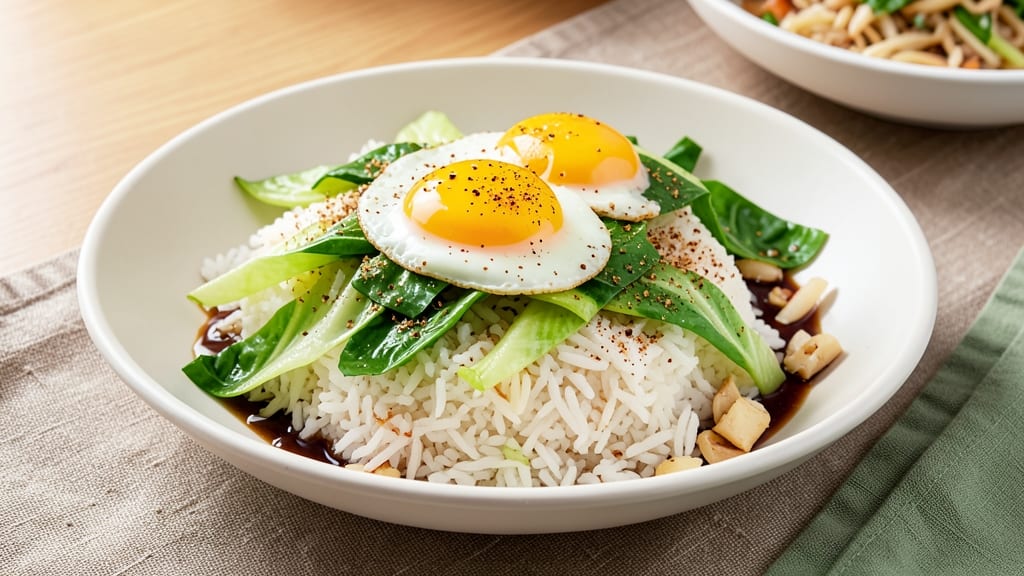
This cabbage and rice Chinese recipe transforms simple ingredients into a fragrant, wok-fried masterpiece that balances crisp-tender cabbage with perfectly seasoned rice. The secret lies in high-heat stir-frying and a fragrant five-spice blend that creates layers of aroma—smoky, sweet, and slightly earthy—without overpowering the fresh cabbage. I developed this version after years of perfecting the technique for restaurant-quality texture at home.
The magic happens in the wok, where properly prepped cabbage (cut into even strips) meets day-old rice and aromatics like garlic and ginger. A light soy glaze ties everything together, while a quick egg scramble adds protein and richness.
The result is a dish that's equally satisfying as a side or light main—crisp edges on the cabbage, fluffy yet firm rice, and a sauce that clings perfectly to every bite. This is the kind of recipe that makes weeknight dinners feel special.
Ingredients for cabbage rice chinese
High-heat stir-frying meets fragrant five-spice for a dish balancing crisp cabbage and aromatic rice.
| Ingredient | Amount | Notes |
|---|---|---|
| Green Cabbage 🥬 | 1 lb | Chinese cabbage preferred, cut into 1/4-inch strips |
| Day-Old Cooked Rice 🍚 | 3 cups | Jasmine or long-grain rice, cold and firm |
| Large Eggs 🥚 | 2 whole | Fresh, beaten for scramble |
| Garlic Cloves 🧄 | 4 cloves | Minced finely for aromatic base |
| Fresh Ginger 🌿 | 1 tbsp | Finely grated, peeled |
| Five-Spice Powder 🌶️ | 1 tsp | Authentic blend for signature aroma |
| Light Soy Sauce 🍶 | 3 tbsp | Kikkoman preferred for balance |
| Sesame Oil 🫒 | 1 tsp | Toasted, for finishing aroma |
| Neutral Oil 🫒 | 2 tbsp | Peanut or vegetable oil for high heat |
| Dark Soy Sauce 🍶 | 1 tbsp | For color and depth |
| White Sugar 🍚 | 1 tsp | Balances flavors |
| Green Onions 🧅 | 2 whole | Thinly sliced for garnish |
| Salt 🧂 | ½ tsp | Diamond Crystal preferred |
| Black Pepper 🌶️ | ¼ tsp | Freshly cracked |
The Chinese cabbage makes all the difference here—its tender stems and crisp leaves hold up beautifully to stir-frying. Look for baby bok choy or napa cabbage at Asian markets for the most authentic texture, though regular green cabbage works in a pinch. The day-old rice is non-negotiable; freshly cooked rice turns mushy under high heat. For best results, spread cooked rice on a tray to cool completely. The five-spice powder should be freshly ground for maximum aroma—Penzeys Spices carries an excellent blend, or check the international aisle at Whole Foods.
No Chinese cabbage? Green cabbage or bok choy works, but slice them thinner for quicker cooking. Substitute ginger powder at half the amount if fresh isn't available, though the flavor will be subtler. The light and dark soy sauces can be swapped for a single 1.5 tbsp light soy if needed, but the dark sauce adds crucial depth. For extra protein, add 1 cup firm tofu cubed—it absorbs the sauce beautifully. The sesame oil should be toasted, not the flavored kind; La Choy makes a reliable brand. If you're short on time, pre-minced garlic from the jar works, though fresh is always better.
This dish reheats beautifully—30 seconds in the microwave restores the crisp edges on the cabbage. Store components separately: cabbage and rice in one container, sauce in another, to prevent sogginess. Keeps for 3 days in the fridge, though the texture degrades slightly after day 2. For meal prep, freeze portions without the sesame oil—add it fresh when reheating. The five-spice blend stays potent for up to 6 months in a sealed container, so make extra for future dishes.
Why You'll Love This Recipe
- Pantry Staples Only: I swear by this dish when my fridge is bare. Cabbage lasts forever, day-old rice is basically free if you cook grains in bulk, and eggs? Always on hand. The garlic and ginger just need to be minced—no fancy prep.
- Umami Bomb: That crisp-tender cabbage with the runny yolk pooling over warm rice? The garlic sizzling into the pan while the ginger adds a slow, deep heat—it’s the kind of flavor that lingers. Honestly, the first bite makes me want seconds before I even finish chewing.
- Lunchbox Hero: Between us, this is my go-to for packed lunches. The rice stays firm overnight, the cabbage holds its crunch, and the eggs add protein. Toss it in a container, and it’s a satisfying meal at work or school—no reheating required.
- Leftovers That Shine: Most fried rice gets soggy by day two, but not this. The cabbage actually improves as it sits, softer and sweeter, while the rice absorbs all the savory bits. I’ll be real: I’ve eaten this for breakfast three mornings in a row, and it never gets old.
Step-by-step instructions for wok-fried cabbage and rice
Transform simple ingredients into a fragrant, textured dish with perfect timing and technique.
Prepare the Cabbage and Aromatics
Begin by cutting the 1 lb green cabbage into ¼-inch strips—this size ensures even cooking and crisp-tender texture. I prefer using Chinese cabbage for its mild sweetness and sturdy leaves, but regular green cabbage works well too. Place the cabbage in a colander and rinse thoroughly under cold water to remove any grit between the leaves. Drain completely and pat dry with paper towels.
While the cabbage drains, finely mince the 4 cloves garlic and grate the 1 tbsp fresh ginger. The garlic should be almost paste-like for maximum flavor infusion, and the ginger should be finely textured so it blends seamlessly into the dish. Set these aside in separate small bowls—they'll be used in quick succession during cooking.
Scramble the Eggs and Toast the Rice
In a medium bowl, beat the 2 whole large eggs with the 0.5 tsp salt and 0.25 tsp black pepper until just combined—no need to overmix. The eggs should be fully incorporated but still slightly ribbony. Heat 1 tablespoon of the neutral oil in a wok or large skillet over medium-high heat until shimmering. Pour in the eggs and let them sit undisturbed for 10-15 seconds before gently pushing them around with a spatula.
As the eggs begin to set, add the 3 cups day-old cooked rice to the wok. Use a wooden spoon to toss everything together, coating the rice evenly in the egg mixture. The rice should absorb the egg and begin to toast slightly—this step creates the signature crunchy texture. Remove the rice-egg mixture from the wok and set aside on a plate.
Stir-Fry Cabbage with Aromatics and Sauces
Return the wok to high heat and add the remaining 1 tablespoon neutral oil. When the oil is hot, add the prepared cabbage in a single layer. Stir-fry for 2-3 minutes until the edges begin to soften and the cabbage releases its natural juices. Add the minced garlic and grated ginger, stirring constantly for 30 seconds until fragrant—this prevents the aromatics from burning.
Pour in the 3 tbsp light soy sauce, 1 tbsp dark soy sauce, and 1 tsp white sugar. The dark soy sauce will give the dish its signature deep color, while the sugar balances the salty flavors. Stir well to combine, then add the 1 tsp five-spice powder. Cook for another 1-2 minutes until the cabbage is tender-crisp but still holds its shape. The five-spice adds that authentic aromatic depth that makes this dish special.
Combine and Finish with Sesame Oil
Return the rice-egg mixture to the wok and toss everything together vigorously. The residual heat will finish cooking the rice while incorporating all the flavors. Cook for an additional 1-2 minutes, stirring constantly, until the cabbage and rice are evenly coated and the edges of the rice begin to crisp slightly.
Remove the wok from heat and drizzle in the 1 tsp sesame oil. Toss once more to distribute the oil evenly—this adds a nutty aroma and enhances the overall flavor profile. The dish should be hot but not steaming, indicating it's ready to serve. Garnish with the 2 whole green onions, thinly sliced, for a fresh finish and pop of color.
Pro Tips For Making Cabbage Rice Chinese
- STIR-FRY CABBAGE FAST: Cut the cabbage into 1-inch-wide strips—thicker than usual—and blanch them for 30 seconds in boiling water before stir-frying. This softens them just enough to absorb flavors without turning mushy, and they’ll cook through in minutes instead of dragging the whole dish.
- USE DAY-OLD RICE: Cold rice is your friend here—it’s drier and won’t turn to glue when you toss it. If you’re in a pinch, spread freshly cooked rice on a tray, microwave it for 30 seconds, then fan it with a fork to speed up the cooling. No one wants a sad, sticky rice pile.
- SCRAMBLE EGGS LOW AND SLOW: Push the eggs to the edges of the pan and let them set for 10 seconds before gently folding them into the cabbage-rice mix. High heat makes them rubbery; low and slow keeps them creamy. (Yes, this means turning the heat down after the initial sear.)
- GINGER-GARLIC PASTE WINS: Mince the garlic and ginger together into a thick paste—no need for a food processor, just chop them finely with the flat side of your knife. This ensures even distribution and prevents burnt bits from ruining the dish. (Trust me, you’ll taste the difference.)
Wine and beer pairings for this dish
Light Chinese Beers
For a refreshing contrast to the dish’s savory-sweet profile, I recommend a light Chinese lager like Snow Beer or Tsingtao. These crisp, slightly malty beers balance the cabbage’s crunch and the five-spice aroma without overpowering the delicate flavors.
Serve chilled at 40-45°F to enhance the dish’s freshness. The subtle hop bitterness also complements the soy sauce’s umami depth. 🍺
Rice Wine Pairings
A dry Shaoxing wine or Mirin adds an elegant touch while harmonizing with the dish’s aromatic spices. I like to use 1 tbsp Shaoxing wine in the stir-fry itself (reduce the soy sauce slightly) and serve the remaining bottle chilled alongside.
The wine’s nutty, slightly sweet profile mirrors the five-spice blend and enhances the cabbage’s natural sweetness. For a non-alcoholic option, rice vinegar (like Kikkoman’s seasoned variety) works beautifully as a garnish or dipping sauce.
Dry White Wines
If you prefer wine, a dry Riesling or Pinot Grigio from China’s Huadiao region pairs exceptionally well. The wine’s bright acidity cuts through the dish’s richness, while its citrus notes echo the ginger and garlic aromatics.
Look for a 2022 vintage with crisp, mineral-driven flavors. Serve slightly cooler than room temperature (50-55°F) to preserve its freshness. The wine’s subtle sweetness also complements the cabbage’s natural sugars.
Herbal Teas for Balance
For a non-alcoholic pairing, a jasmine green tea or pu-erh tea adds depth without competing flavors. Brew the tea lightly (2 minutes for jasmine) to avoid bitterness, and serve it warm alongside the dish.
The tea’s floral notes complement the five-spice aroma, while its earthy undertones enhance the cabbage’s texture. I often sip Ah Meng’s Jasmine Pearl tea during meals—it’s light enough to cleanse the palate between bites. 💫
Spiced Cocktails
For a festive touch, try a ginger-spiked lychee martini—muddle ½ oz fresh ginger juice, 1 oz lychee liqueur, and 2 oz vodka, then shake with ice and strain. Garnish with a lychee fruit and a sprinkle of five-spice powder.
The cocktail’s sweet-spicy profile mirrors the dish’s flavors while adding a sophisticated twist. Serve in a chilled coupe glass to keep the drink crisp and refreshing.
Nutrition facts
Frequently asked questions
Why does the recipe call for day-old rice instead of freshly cooked?
Day-old rice is essential because it's drier and firmer, which prevents it from turning mushy under high heat. Freshly cooked rice releases too much moisture during stir-frying, resulting in a soggy texture. Spread freshly cooked rice on a tray to cool completely before using it in this recipe.
Can I substitute regular green cabbage for Chinese cabbage?
Yes, you can use regular green cabbage, but slice it thinner (1/8-inch strips) for quicker cooking. Chinese cabbage holds its texture better due to its thicker stems, while regular cabbage may soften faster. For extra crunch, stir-fry it for 1-2 minutes less than the recipe suggests.
How do I prevent the cabbage from turning mushy?
High heat and quick cooking are key! Use a wok or large skillet on high heat and stir constantly to avoid overcrowding. Cut cabbage into even 1/4-inch strips and cook for only 2-3 minutes—it should be tender-crisp, not soft. Pat it dry thoroughly before cooking to remove excess moisture.
What if I don't have five-spice powder?
You can make a simple substitute by mixing 1/4 tsp cinnamon, 1/8 tsp cloves, 1/8 tsp fennel seeds, and 1/8 tsp star anise. Toast the spices lightly in a dry pan for 30 seconds before grinding. The flavor won't be identical, but it'll still add aromatic depth. For a milder version, just use 1/2 tsp ground cinnamon.
Can I make this dish ahead of time?
Yes! Store the cooked cabbage and rice separately in airtight containers for up to 3 days. Reheat in the microwave for 30 seconds, then finish with a quick stir-fry in a dry pan to restore crispness. Add fresh sesame oil and green onions just before serving for the best flavor. The five-spice aroma actually improves overnight!