
Side Dishes
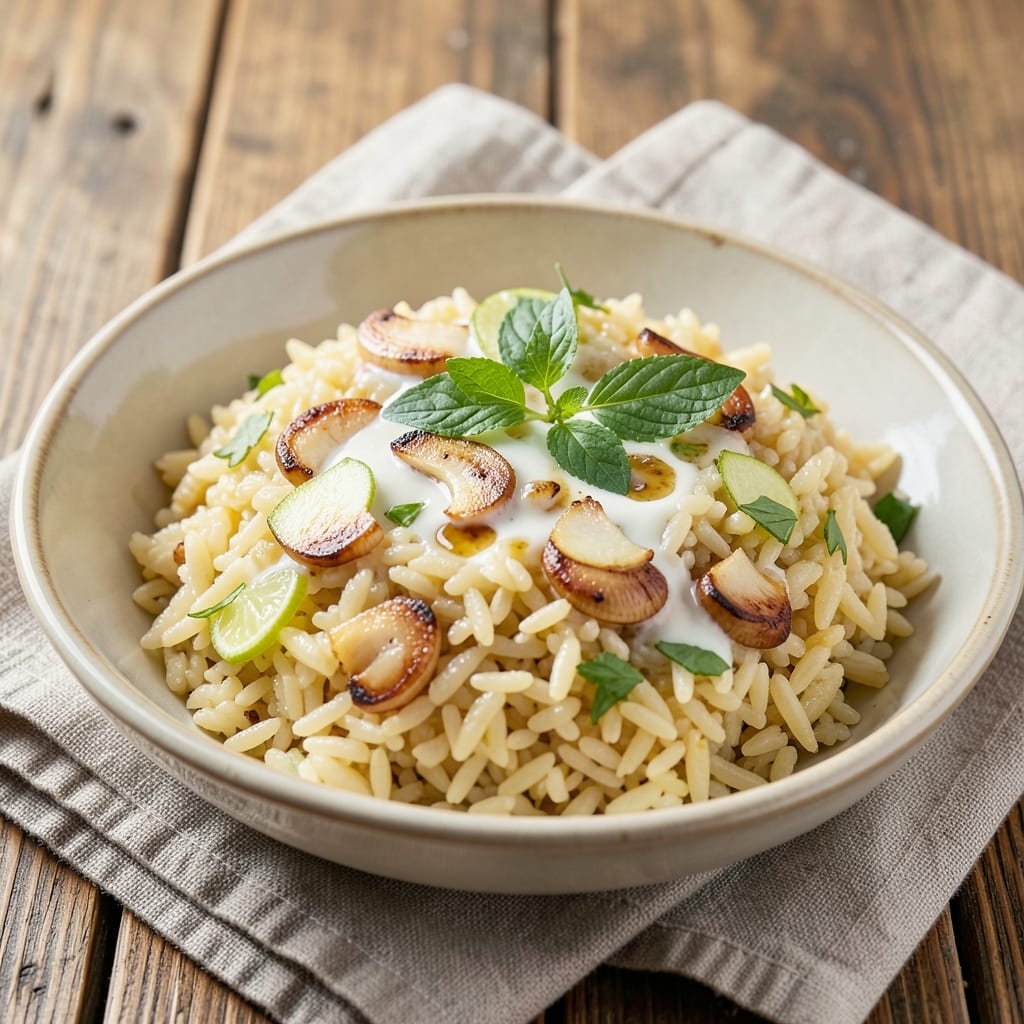
This Asian rice pilaf recipe transforms simple grains into a fragrant, wok-tossed masterpiece that pairs perfectly with proteins and vegetables. The secret lies in toasting aromatic spices—garlic, ginger, and shallots—until they release their deep, nutty flavors, then combining them with jasmine rice, coconut milk, and a bright citrus finish. Every bite delivers a balance of creamy, tangy, and slightly sweet notes that elevate any meal.
What sets this pilaf apart is the wok-tossed technique, which infuses the rice with smoky, savory depth while keeping the grains tender and separate. The coconut-lime dressing ties everything together, adding a tropical brightness that cuts through richer proteins like chicken or shrimp. Whether serving as a side or a light main, this dish delivers restaurant-quality results with minimal effort.
Ready in just 30 minutes, this recipe requires only a handful of ingredients—jasmine rice, coconut milk, lime juice, soy sauce, and your choice of protein or vegetables. The toasting step is critical; it builds layers of flavor that store-bought seasonings can’t replicate. By the time you’re done, you’ll have a fragrant, golden pilaf with crisp edges and a fragrant aroma that fills your kitchen.
Garnish with toasted sesame seeds and green onions for extra texture and color, then serve alongside grilled meats, fish, or as part of a bento-style lunch. The versatility of this dish makes it perfect for weeknight dinners, meal prep, or special occasions. Let’s get cooking!
Ingredients for asian rice pilaf
Jasmine rice, coconut milk, and citrus create a fragrant, restaurant-quality pilaf with minimal effort.
| Ingredient | Amount | Notes |
|---|---|---|
| Jasmine Rice 🍚 | 1 ½ cups | Uncooked, long-grain preferred |
| Full-Fat Coconut Milk 🥥 | 13 ½ oz | Canned, full-fat variety |
| Fresh Lime Juice 🍋 | ¼ cup | Freshly squeezed, strained |
| Light Soy Sauce 🥢 | 2 tbsp | Kikkoman preferred |
| Garlic Cloves 🧄 | 4 cloves | Fresh, minced finely |
| Fresh Ginger 🌿 | 2 tbsp | Grated, finely minced |
| Shallots 🧅 | 2 whole | Minced, finely chopped |
| Vegetable Oil 🫒 | 2 tbsp | High smoke point preferred |
| Toasted Sesame Seeds 🌰 | 1 tbsp | For garnish |
| Green Onions 🧅 | 3 whole | Thinly sliced, for garnish |
| White Wine Vinegar 🍷 | 1 tbsp | For brightness |
| Salt 🧂 | 1 tsp | Diamond Crystal preferred |
| Black Pepper 🌶️ | ½ tsp | Freshly ground |
| Coconut Sugar 🍯 | 1 tbsp | Or substitute granulated sugar |
The jasmine rice is the foundation—Daybreak or Calrose brands yield the best texture. Costco or Asian markets carry these varieties in bulk, saving money for larger batches. For the coconut milk, full-fat canned versions like Aroy-D or Thai Kitchen provide the richest flavor; avoid light versions. Fresh lime juice is non-negotiable—Mexican limes have more acidity than Persian, making them ideal. Toast your garlic, ginger, and shallots until fragrant; this step builds the pilaf's aromatic depth that jarred seasonings can't replicate.
No jasmine rice? Basmati rice works equally well. Substitute coconut milk with light coconut milk plus 1 tbsp cream**> for a lighter texture. Fresh ginger unavailable? Ground ginger at half the amount suffices, though it lacks the same complexity. The shallots can be swapped for onion or leek, though shallots provide a more delicate sweetness. For the soy sauce, tamari works for gluten-free needs. The coconut sugar can be omitted if you prefer a less sweet profile, but it balances the dish's acidity beautifully.
Store leftover pilaf in an airtight container for 4-5 days—it reheats perfectly with a splash of water. For meal prep, portion into individual containers to maintain texture. Freeze for up to 3 months by spreading the pilaf on a tray first to prevent clumping. Garnish with toasted sesame seeds and green onions just before serving to preserve their freshness and vibrant color.
Why You'll Love This Recipe
- One-Pot Magic: I swear by this recipe when I’m too tired to wash pots—just rice, coconut milk, and a few aromatics in one pan. The lime brightens everything up while it simmers, so you’re left with a fragrant, creamy pilaf that tastes like it took hours.
- Garlic-Lime Bomb: That first bite of crispy garlic cloves and zesty lime juice? It’s the kind of flavor that makes you pause mid-chew. The soy sauce ties it all together without overpowering, leaving you with a dish that’s savory, tangy, and just a little addictive.
- Meal Prep MVP: This keeps perfectly for days—reheats like a dream, and the coconut milk makes it feel indulgent even when you’re eating leftovers cold. Honestly, I make a big batch on Sundays and feed the family all week without a second thought.
- Budget Bright Spot: Jasmine rice and coconut milk stretch into generous servings, and the other ingredients are pantry staples. It’s the kind of dish that feels special but won’t break the bank—especially when you’re serving it alongside simple proteins like grilled chicken or tofu.
Step-by-step instructions for fragrant coconut-lime wok-tossed grain
Transform simple jasmine rice into an aromatic, wok-tossed masterpiece with this technique.
Toast the Aromatics for Deep Flavor
Heat the 2 tablespoons vegetable oil in a wok or large skillet over medium-high heat until shimmering. Add the 2 whole shallots and 4 cloves garlic cloves, cooking for 2-3 minutes until the shallots soften and turn translucent. This step develops the foundation of flavor—don't rush it.
Add the 2 tablespoons fresh ginger and continue cooking for another 30 seconds until fragrant. The ginger should release its pungent aroma, filling your kitchen with warmth. Remove the aromatics from the wok and set aside temporarily—they'll rejoin the rice later. This separation prevents overcooking while maintaining their vibrant flavor.
Parboil the Jasmine Rice for Perfect Texture
In the same wok, add 1.5 cups jasmine rice and stir to coat in the residual oil. Pour in 1.5 cups water (exactly twice the volume of rice) and bring to a gentle boil. Once boiling, immediately reduce heat to low and cover tightly with a lid.
Simmer for 12 minutes without disturbing. This parboiling step ensures even cooking and prevents the rice from becoming mushy later. The rice should be tender but still slightly firm to the tooth when tested. If you peek, steam will escape—resist the temptation to lift the lid.
Infuse with Coconut Milk and Lime
After the initial cooking, remove the lid and stir in the 13.5 oz full-fat coconut milk, scraping up any browned bits from the bottom of the wok. Add the 1 tablespoon coconut sugar, 2 tablespoons light soy sauce, 1 tablespoon white wine vinegar, 1 teaspoon salt, and 0.5 teaspoon black pepper. Stir well to combine.
Return the reserved shallot-garlic-ginger mixture to the wok and mix thoroughly. The coconut milk will create a rich, creamy base while the lime components prepare for the final brightening. Cover and simmer on low heat for another 8 minutes, allowing the flavors to meld completely.
Finish with Lime and Garnish
Remove from heat and stir in the 0.25 cup fresh lime juice. The acidity brightens the coconut richness and balances the dish. Let the pilaf sit, covered, for 5 minutes to allow the lime to fully integrate. This resting period is crucial for flavor development.
Before serving, fluff the rice gently with a fork, then garnish with 1 tablespoon toasted sesame seeds and 3 whole green onions sliced thinly. The sesame seeds add a nutty crunch while the green onions provide a fresh contrast. Serve immediately while the textures are at their peak.
Optional Wok-Toss for Extra Texture
For a restaurant-quality finish, transfer the pilaf to a clean wok or large skillet and toss vigorously over medium heat for 1-2 minutes. This step creates a slightly crispy texture on the rice grains while distributing all the flavors evenly. Watch carefully—you want to heat through without drying out the rice.
The result should be a fragrant, creamy pilaf with bright citrus notes and subtle sweetness. Each grain should be tender yet distinct, coated in a delicate coconut-lime sauce. Serve as a side dish or as a main course with grilled proteins for a complete meal.
Pro Tips For Making Asian Rice Pilaf
- TOAST THE GARLIC LOW: I learned this the hard way—crisping garlic in coconut milk turns it bitter. Sauté minced cloves in a dry pot over medium-low heat until golden (about 3-4 minutes), then add the coconut milk. The gentle heat keeps the flavor sweet and nutty without burning.
- RINSE THE RICE TWICE: Jasmine rice has extra starch, which makes pilaf gummy if you skip this. Rinse it in cold water until the water runs clear, then give it a final shake in the strainer. This step cuts the stickiness and ensures each grain stays distinct—no mushy disappointment.
- SIMMER NOT BOIL: After adding the coconut milk and rice, reduce to the lowest heat possible. A rolling boil dries out the rice and curdles the milk. Instead, aim for a gentle simmer where tiny bubbles just break the surface—this keeps the texture creamy and the rice fluffy.
- ACID LAST, NOT FIRST: Fresh lime juice brightens the dish, but add it only after the rice is fully cooked. Tossing it in too early can make the coconut milk separate or turn the rice sour. A squeeze at the end balances flavors without wrecking the texture—just stir it in and let it sit for 2 minutes.
Troubleshooting this recipe
Mushy Rice Fix
If your rice turns out mushy, it’s likely from overcooking or insufficient water absorption. First, check your rice-to-water ratio—jasmine rice needs exactly twice its volume in water (e.g., 1.5 cups rice + 1.5 cups water). If you’ve already cooked it, drain any excess liquid and spread the rice on a baking sheet. Broil for 2-3 minutes to dry it out slightly, then fluff with a fork. For next time, use a tight-fitting lid and avoid peeking during cooking. 💡
Underseasoned Pilaf
If your pilaf tastes bland, the issue is usually under-seasoned aromatics or insufficient acidity. Boost flavor by adding 1 extra tablespoon of soy sauce and 1 extra tablespoon of lime juice after cooking. For deeper aroma, toast your garlic and ginger for 30-45 seconds longer until they’re golden and fragrant. A pinch of coconut sugar (or granulated sugar) can also help balance flavors if the dish tastes too tangy. Taste as you go—seasoning builds gradually! 🌶️
Burnt Aromatics
Burnt garlic or shallots? This happens when you cook them too long at high heat. Keep your wok at medium-high heat and remove the aromatics as soon as they’re golden and fragrant (about 2-3 minutes). If they burn, scrape off the burnt bits and reduce the heat slightly next time. For extra insurance, use a wire whisk to stir constantly while toasting. Freshly toasted aromatics should smell warm and sweet, not bitter. 🔥
Uneven Cooking
If some rice grains are undercooked while others are mushy, your heat distribution is off. Use a wok with sloped sides for even cooking, and stir the rice once gently after the initial 12-minute simmer to redistribute heat. Avoid stirring too much—this can break the grains. For large batches, cook in two separate batches if your pan isn’t wide enough. A heavy-bottomed skillet also helps prevent hot spots. ✨
Coconut Milk Curdling
Coconut milk can separate if the heat is too high or if acidic ingredients (like lime juice) are added too early. To prevent this, whisk the coconut milk vigorously before adding it to the rice, and add the lime juice only after removing the pilaf from heat. If it curdles slightly, stir in 1 tablespoon of cold water to smooth it out. For extra stability, mix 1 teaspoon of cornstarch with 1 tablespoon water and stir it in at the end. 🥥
Stale Rice Texture
If your pilaf tastes dry or stale the next day, it’s likely lost moisture. Store it in an airtight container with a damp paper towel on top to retain steam. Reheat by covering with a damp towel and microwaving in 30-second intervals, stirring between each, until warm. For stovetop reheating, add 2 tablespoons of water or coconut milk per cup of rice and simmer on low heat for 5-7 minutes. Avoid overmixing—just gently fold to redistribute moisture. 💫
Nutrition facts
Frequently asked questions
Can I use basmati rice instead of jasmine?
Both jasmine and basmati rice work beautifully in this recipe. Basmati has a firmer texture and nutty aroma, while jasmine offers a floral fragrance. For best results, use the same rice-to-water ratio (1:2) and adjust cooking time slightly—basmati may need an extra 1-2 minutes to reach perfect tenderness.
How do I make this pilaf vegetarian?
Swap the protein for tofu, tempeh, or edamame for a satisfying vegetarian version. Sauté ½ cup cubed firm tofu in the wok after toasting the aromatics, then season with 1 tbsp soy sauce and ½ tsp smoked paprika. Alternatively, stir in 1 cup shelled edamame during the final 5 minutes of cooking for extra protein and texture.
Why does my pilaf taste too coconutty?
The coconut flavor can overpower if the lime juice isn't balanced. Boost the brightness by adding 1 extra tablespoon of lime juice and ½ tsp white wine vinegar after cooking. For a lighter profile, reduce the coconut milk to 10 oz and add 2 oz chicken broth> instead. The key is balancing the creamy coconut with acidity and umami from soy sauce.
Can I make this ahead of time?
Yes! This pilaf actually tastes better the next day as flavors meld. Store in an airtight container in the fridge for up to 4 days. Reheat gently with 1-2 tbsp water or coconut milk per cup of rice on low heat. For best texture, avoid microwaving—use the stovetop method instead. Garnish with fresh green onions and sesame seeds just before serving.
What proteins pair best with this pilaf?
Grilled chicken thighs, shrimp skewers, or seared salmon complement this dish perfectly. For a heartier meal, serve with pan-seared tofu> or beef short ribs. The coconut-lime flavors also work beautifully with teriyaki-glazed salmon> or spicy Thai basil chicken**. Keep proteins simple to let the pilaf shine as the star.