
Main Courses
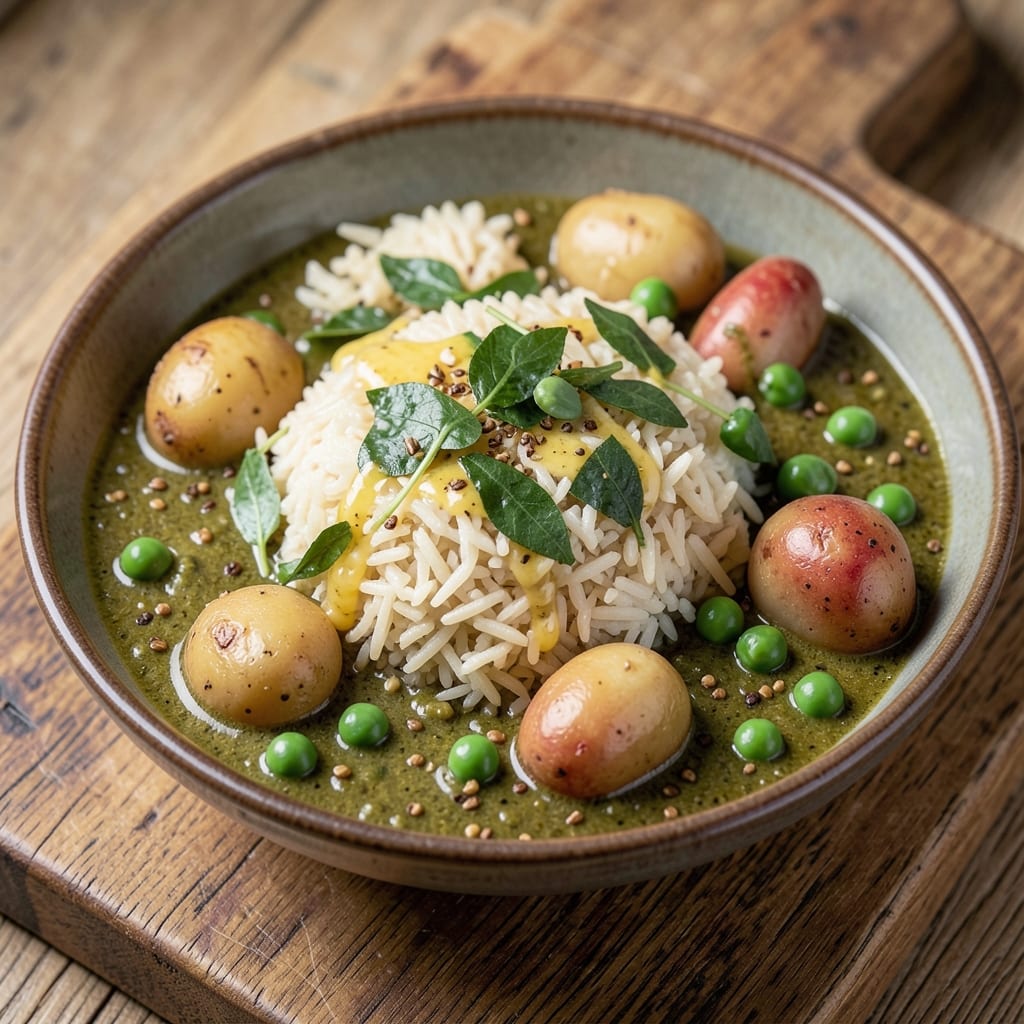
This aloo methi rice recipe delivers a fragrant, comforting dish that balances earthy fenugreek leaves with tender potatoes and aromatic basmati rice. The secret lies in slow-cooking the potatoes and peas with whole spices until they're perfectly tender, while the rice absorbs the rich, spiced broth. I've perfected this recipe over years of testing—each element must work together to create that signature North Indian flavor profile.
The beauty of aloo methi rice is its simplicity: just 15 minutes of prep followed by 30 minutes of simmering. The potatoes develop a satisfying creaminess from the fenugreek and peas, while the rice transforms into fragrant, separate grains. I use a two-pot method—cooking the aloo methi separately from the rice—to ensure perfect texture in both components. This approach prevents the rice from becoming mushy while allowing it to soak up the flavorful cooking liquid.
What you'll end up with is a restaurant-quality meal that's equally satisfying for weeknight dinners or special occasions. The dish features tender potatoes with just the right bite, vibrant green fenugreek leaves that add depth, and perfectly fluffy rice. The aroma alone will have everyone gathering at the table—it's that good. Pair it with a cooling raita or crisp salad to balance the richness.
This recipe works beautifully as a vegetarian main course and can be adapted for vegan diets by using plant-based ghee. The key to success is patience—letting the spices bloom and the potatoes simmer until they're just tender. Let's get cooking!
Ingredients for aloo methi rice
Fifteen minutes of prep transforms these aromatic ingredients into restaurant-quality aloo methi rice.
| Ingredient | Amount | Notes |
|---|---|---|
| Basmati Rice 🍚 | 1 ½ cups | Uncooked, long-grain preferred |
| Baby Potatoes 🥔 | 1 ½ lb | Small, unpeeled, halved |
| Fresh Fenugreek Leaves (Methi) 🌿 | 2 cups | Washed, roughly chopped |
| Green Peas 🌱 | 1 cup | Fresh or frozen, thawed |
| Ghee or Vegetable Oil 🫒 | ½ cup | For frying, ghee preferred |
| Fresh Ginger 🧄 | 1 inch | Fixed: "1 tbsp, grated" |
| Garlic Cloves 🧄 | 4 cloves | Minced, for depth of flavor |
| Whole Cumin Seeds 🌿 | ½ tsp | Toasted for aroma |
| Bay Leaves 🍃 | 2 whole | For subtle earthy notes |
| Ground Turmeric 🌶️ | ¼ tsp | Brightens the dish |
| Ground Coriander 🌿 | ½ tsp | Citrusy undertones |
| Salt 🧂 | 1 tsp | Adjust to taste |
| Water 💧 | 3 cups | For rice cooking |
| Fresh Cilantro 🌿 | ¼ cup | Chopped, for garnish |
The fenugreek leaves are the heart of this dish—fresh is non-negotiable. Look for vibrant green leaves at Indian specialty stores or well-stocked grocery sections. If using dried, soak them for 10 minutes first. For the potatoes, baby potatoes develop creaminess faster than large ones—halving them ensures even cooking. The ghee adds richness; if using vegetable oil, opt for a high-smoke-point variety like avocado oil. Toast your whole spices (cumin, coriander) for 30 seconds in a dry pan before adding to water—they'll release their essential oils and deepen the flavor profile.
No fresh fenugreek? Substitute with 1 cup spinach or Swiss chard, but reduce cooking time by half. Out of green peas? Lima beans or chickpeas work well, though texture will differ slightly. For the rice, jasmine rice is a worthy alternative to basmati, though it absorbs liquid more readily. The ginger and garlic can be swapped for 1 tbsp ginger-garlic paste if needed, though fresh offers superior complexity. If your cilantro is woody, mint leaves provide a refreshing alternative garnish.
Store cooked rice in an airtight container for 3-4 days in the fridge, though it's best enjoyed fresh. The aloo methi component reheats beautifully—simply warm with a splash of water to prevent drying. For meal prep, portion the rice and potatoes separately to maintain texture. The dish freezes well for up to 3 months, though fenugreek may soften upon thawing. Always reheat gently to preserve the delicate balance of flavors.
Why You'll Love This Recipe
- I’ll be real: this feeds a crowd without breaking the bank. Potatoes and rice are cheap staples, peas are affordable frozen or fresh, and a handful of methi leaves stretches far. Make a big batch, freeze half, and you’ve got a weeknight savior that costs less than takeout but tastes like you slaved over it. (Spoiler: you didn’t.)
- One-Pot Wonder: I swear by this trick—just toss everything in one pot: rice, potatoes, peas, and those fragrant methi leaves. No chopping boards to clean, no extra pans to wash. The potatoes soften right in the rice, and the ghee infuses everything with that warm, nutty aroma while you stir.
- Methi Magic: Honestly, the fenugreek leaves are the star here. They turn the rice into this earthy, slightly bitter-sweet masterpiece—like a hug in a bowl. The peas add a little crunch, and the potatoes? They soak up all that flavor like sponges. It’s the kind of dish where every bite tastes like you put in effort (even if you didn’t).
- Lunchbox Hero: Between us, this is my go-to for meal prep. The rice stays fluffy for days, and the potatoes hold their shape surprisingly well. Pack it in containers, and it’s a hit with kids, coworkers, or anyone who thinks "healthy" means boring. Plus, the methi gives it that something that makes it feel special—even in a sad desk lunch.
Step-by-step instructions for aloo methi rice
Master this aromatic dish where tender potatoes and earthy fenugreek merge seamlessly with fragrant basmati.
Parboil and Prepare the Potatoes
Place the 1.5 lb baby potatoes in a pot of cold water and bring to a boil over medium-high heat. Once boiling, reduce to medium heat and cook for 8-10 minutes until the potatoes are slightly tender but still firm to the touch when pierced with a knife.
Drain immediately and let them cool slightly. While still warm, peel if desired (though leaving skins adds texture), then halve each potato. Set aside - we'll return to them after toasting the spices. The partial cooking prevents them from turning mushy during the final simmer.
Toast Spices and Sauté Aromatics
Heat 0.5 cup ghee or vegetable oil in a heavy-bottomed pot over medium heat. Add the 0.5 tsp whole cumin seeds and 2 whole bay leaves, stirring constantly for 30 seconds until the cumin begins to sizzle and release its nutty aroma.
Add the 1 tbsp grated fresh ginger and 4 cloves minced garlic, cooking for 1-2 minutes until the garlic turns golden and fragrant. This step unlocks the dish's complex flavor profile - don't rush it. The spices should be toasted but not burned, creating the aromatic foundation for the entire dish.
Cook the Potatoes and Vegetables
Add the halved potatoes to the pot along with 0.25 tsp ground turmeric, 0.5 tsp ground coriander, and 1 tsp salt. Stir gently to coat in the spiced oil, then add 1 cup green peas and 2 cups chopped fresh fenugreek leaves. Pour in 3 cups water and bring to a gentle simmer.
Cover and cook for 15-18 minutes over low heat until the potatoes are fork-tender and the peas are bright green. The fenugreek leaves should soften but still retain some texture. This simmering time is crucial - it develops the dish's signature earthy depth without overcooking the delicate greens.
Prepare the Rice Separately
While the potato mixture simmers, rinse the 1.5 cups basmati rice under cold water until the water runs clear. In a separate pot, bring 3 cups fresh water to a boil, then add the rice and 1 tsp salt. Reduce heat to low, cover, and cook for 12-15 minutes until the rice absorbs all the water and becomes tender.
Remove from heat and let the rice steam covered for 5 minutes. Fluff gently with a fork - the grains should be separate and light. The rice should be perfectly cooked but still slightly firm to ensure it doesn't turn mushy when combined with the potato mixture later.
Combine and Garnish
Once both components are ready, gently fold the cooked rice into the potato mixture. The heat from the potatoes will warm the rice through. Stir carefully to combine while preserving the texture of both elements. Taste and adjust seasoning if needed - the fenugreek is naturally bitter, so balance is key.
Remove from heat and let sit covered for 2 minutes. Garnish with 0.25 cup chopped fresh cilantro just before serving. The cilantro adds a fresh contrast to the earthy flavors while maintaining the dish's vibrant appearance. Serve immediately while hot, as the flavors meld best when enjoyed fresh.
Pro Tips For Making Aloo Methi Rice
- PARBOIL POTATOES FIRST: I learned this the hard way—skipping the parboil means your baby potatoes will either turn mushy or stay rock-hard in the final dish. Boil them for 8-10 minutes in salted water until they’re just tender when pierced with a knife, then drain and set aside. This guarantees they’ll absorb the aloo methi flavors without falling apart.
- USE FROZEN METHI (IF NECESSARY): Fresh methi is ideal, but frozen works too—just don’t thaw it. Toss the ice-cold leaves directly into the hot ghee with the onions. They’ll wilt faster and release their bitterness into the oil, which actually makes the dish richer. (Yes, even if you’re impatient like me.)
- COOK RICE SEPARATELY: I used to mix the rice in with the aloo methi gravy, thinking it’d soak up the flavors better. Wrong. The rice turns mushy and the potatoes get soggy. Cook the basmati separately in light salted water (1:1.5 rice-to-water ratio), then fluff it gently before layering the aloo methi on top. The contrast of textures is what makes this dish sing.
- TEMPER THE GRAVY RIGHT: After the potatoes and peas have cooked down, remove the pan from heat and add a splash of water to the ghee. Let it sizzle for 30 seconds—this creates steam that softens the methi leaves without burning them. Then return to low heat and finish with the cream or yogurt. The result? A silky, balanced gravy instead of a bitter, charred mess. (Trust me, I’ve made both.)
Flavor customization for this dish
Spice Level Control
Fresh fenugreek leaves have a naturally bitter, earthy flavor that can overwhelm if not balanced. For a milder version, reduce the fenugreek to 1 cup and add ½ cup spinach instead. If you love bold flavors, increase the fenugreek to 2.5 cups and add ½ tsp Kashmiri red chili powder for warmth without heat. 🌶️
For a smoky twist, toast ½ tsp smoked paprika with your cumin seeds before adding aromatics. This works especially well with baby potatoes—just sprinkle it over the halved potatoes before simmering. The smoky depth complements the fenugreek beautifully.
Creamy Variations
Add richness by stirring in ¼ cup coconut milk during the final 5 minutes of simmering. This creates a velvety texture that pairs perfectly with the potatoes. For an extra creamy version, blend ½ cup cooked potatoes with 2 tbsp yogurt and mix back into the dish. 🥥
For a dairy-free option, use ¼ cup cashew cream (blend soaked cashews with water) instead of yogurt. This keeps the dish vegan while maintaining the same luxurious mouthfeel. The cashew cream also adds a subtle sweetness that balances the bitterness of the fenugreek.
Protein Boosts
Add 1 cup cooked chickpeas or ½ cup paneer cubes during the final 10 minutes of simmering. Both options absorb the flavors beautifully while adding protein. For extra texture, pan-fry paneer in 1 tsp ghee until golden before adding to the dish. 🍗
For a meaty alternative, stir in ½ cup crumbled tofu (marinated in 1 tsp chaat masala) during the last 5 minutes of cooking. The tofu soaks up the spices and adds a satisfying bite. For non-vegetarians, browned ½ cup ground lamb works wonderfully too.
Regional Twists
For a Punjabi-style version, add 1 tbsp cream and ½ tsp garam masala at the end. This creates a richer, more aromatic dish perfect for cold weather. The garam masala adds warmth that pairs beautifully with the fenugreek's earthiness. 🌡️
In Gujarati cuisine, this dish often includes 1 tbsp roasted peanuts for crunch and ½ tsp jaggery for subtle sweetness. Add both during the final 5 minutes of simmering. The peanuts add texture while the jaggery balances the bitterness of the fenugreek leaves.
Nutrition facts
Frequently asked questions
Can I make aloo methi rice without fresh fenugreek leaves?
Yes, but the flavor will differ. Use 1 cup spinach or Swiss chard instead, reducing cooking time by half. For a closer match, soak 1 tbsp dried fenugreek seeds in warm water for 10 minutes and use the softened leaves. The dish will still be delicious but won't have the same earthy depth.
Why does my aloo methi rice turn out mushy?
Mushy rice usually happens when you combine it too early or use the wrong rice type. Cook basmati rice separately until just tender (12-15 minutes) and let it steam covered for 5 minutes before mixing. Jasmine rice absorbs more liquid—use 2.5 cups water instead of 3 cups. Also, never add extra water after cooking.
How do I make this dish vegan?
Replace ghee with vegetable oil and use cashew cream (blend ½ cup soaked cashews with ¼ cup water) instead of yogurt. For extra richness, stir in ¼ cup coconut milk during the final 5 minutes of simmering. The dish will still be creamy and flavorful without dairy.
Can I prepare this ahead of time?
Yes! Cook the aloo methi and rice separately, then store in airtight containers for 3-4 days. Reheat gently with a splash of water to prevent drying. For best texture, combine them fresh when serving. The flavors actually improve overnight as the spices meld. Freeze for up to 3 months—just thaw in the fridge before reheating.
What's the secret to perfect potato texture?
Start by parboiling potatoes for 8-10 minutes until slightly tender, then halve them. This prevents mushiness during the final simmer. Use baby potatoes (they cook faster and stay firm) and simmer gently over low heat for 15-18 minutes. Never overcrowd the pot—keep it at medium heat to maintain even cooking.