
Soups & Stews
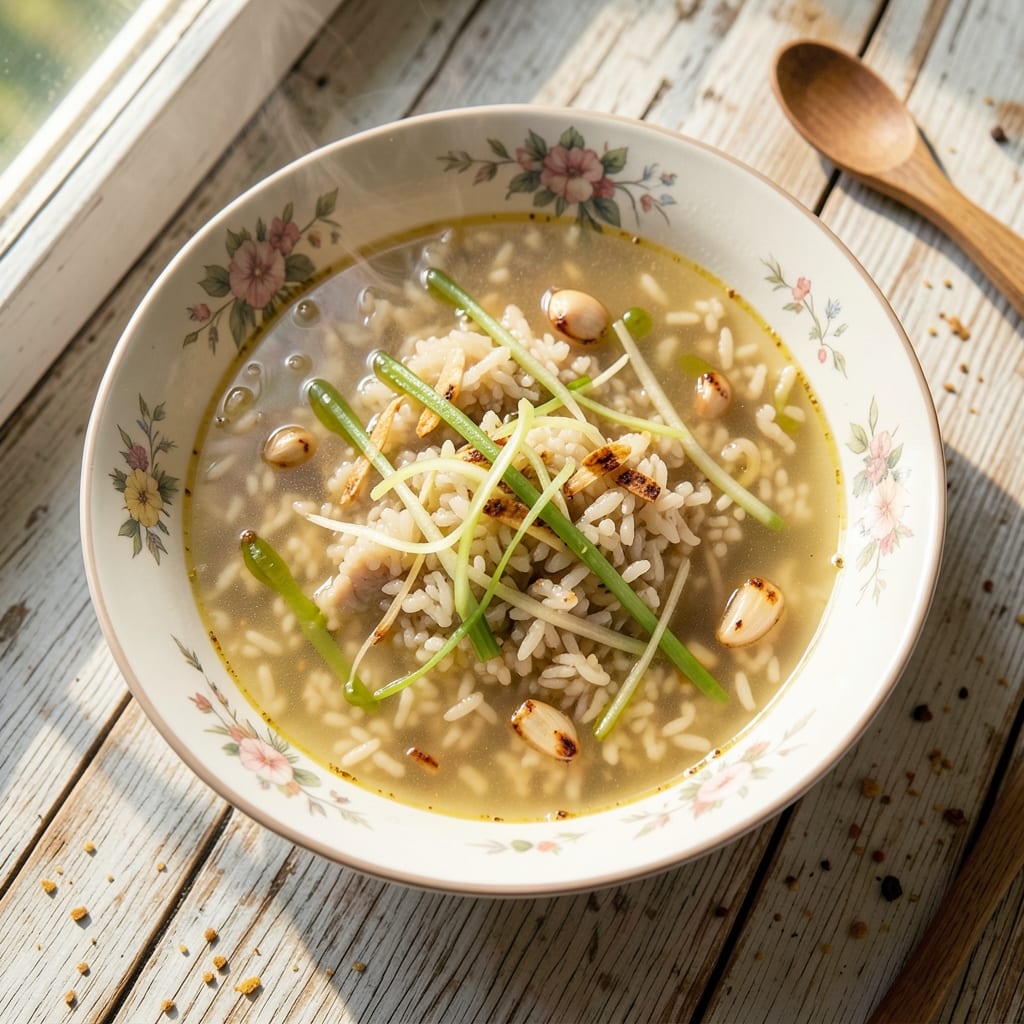
This Asian rice soup recipe transforms simple ingredients into a fragrant, comforting bowl of warmth that bridges cultures. The secret lies in balancing ginger, lime, and aromatic broth—creating a dish that’s both nostalgic and refreshingly modern. Whether you’re craving Japanese okayu, Thai jok, or a fusion twist, this one-pot method delivers depth with minimal effort.
Slow-simmered rice absorbs the essence of the broth, while bright citrus and earthy ginger elevate every spoonful. The result? A velvety, aromatic soup that’s tender, fragrant, and packed with layers of flavor—perfect for chilly evenings or quick weeknight meals. No fancy techniques required, just patience and a few key ingredients to master the art of Asian rice soup.
Ingredients for asian rice soup
Jasmine rice, ginger, and lime form the aromatic core of this cross-cultural one-pot creation.
| Ingredient | Amount | Notes |
|---|---|---|
| Jasmine Rice 🌾 | 1 cup | Uncooked, long-grain preferred |
| Fresh Ginger 🧄 | 2 tbsp | Finely grated, aromatic variety |
| Lime Juice 🍋 | ¼ cup | Freshly squeezed, seeds strained |
| Chicken Broth 💧 | 4 cups | Low-sodium, homemade preferred |
| Vegetable Oil 🫒 | 2 tbsp | Neutral flavor, high smoke point |
| Garlic Cloves 🧄 | 4 cloves | Minced, fresh preferred |
| Green Onions 🧅 | ¼ cup | Thinly sliced, white and green parts |
| Sesame Oil 🫒 | 1 tbsp | Toasted, for aroma |
| Fish Sauce 🍶 | 1 tbsp | Red Boat preferred for quality |
| Soy Sauce 🍶 | 1 tbsp | Light or all-purpose |
| Honey 🍯 | 1 tbsp | Wildflower preferred |
| Salt 🧂 | ½ tsp | Diamond Crystal kosher |
| Black Pepper 🌶️ | ¼ tsp | Freshly ground |
| Cilantro Leaves 🌿 | ¼ cup | Chopped, optional garnish |
The jasmine rice is the foundation—look for long-grain varieties at Whole Foods or Asian markets for optimal aroma. Fresh ginger is non-negotiable here; organic ginger from the produce section delivers the most vibrant flavor. For lime juice, Mexican limes (key limes) add a brighter acidity than Persian, though either works. The chicken broth should be homemade if possible—store-bought brands like Kitchen Basics or Pacific Foods work in a pinch. Sesame oil is where the magic happens; toasted sesame oil from Trader Joe's adds depth without overpowering.
No fresh ginger? Powdered ginger at half the amount works, though texture suffers. Substitute lime juice with lemon juice plus a pinch of sugar to mimic the balance. Using vegetable broth instead of chicken? Add 1 tsp fish sauce to compensate for umami depth. For a vegetarian version, swap broth for mushroom or kombu-based broth and omit fish sauce entirely. The honey can be replaced with maple syrup for a vegan adaptation. Green onions can be swapped for scallions or chives if preferred—just ensure the white parts are included for flavor.
Rice keeps best in an airtight container in the fridge for 4-5 days, though flavor peaks within the first 24 hours. The broth can be made ahead and stored separately for up to 3 days. For meal prep, assemble the soup and reheat gently on the stove—never microwave to preserve texture. Garnish with cilantro just before serving to maintain freshness. Freeze portions of the broth separately for up to 3 months; add fresh ginger and lime when reheating for optimal flavor.
Why You'll Love This Recipe
- No Chopping Needed: I swear by this—just toast the jasmine rice in oil until it’s golden, then pour in the broth. The ginger and lime juice do all the heavy lifting while you stir for five minutes. Honestly, my hands stay clean, and the soup still tastes like I slaved over it.
- Bright, Balanced Bite: That lime juice at the end isn’t just for show—it cuts through the richness of the broth and makes every spoonful pop. The ginger adds a slow, warm kick, and the rice soaks up all the flavor without turning mushy. It’s the kind of dish where you take a second bowl because you’re still tasting it.
- Lunch or Leftovers: Make a big batch on Sunday, and you’ve got dinner covered for days. The flavors only deepen overnight, so reheating it is just as good as the first bite. Between us, this is my go-to when I need to feed the family without stressing—even my picky eater asks for seconds.
- Pantry-Friendly Magic: Five ingredients, zero fancy tools. You’re probably already using chicken broth and vegetable oil, and ginger and lime are cheap staples. I’ll be real: I’ve made this with store-bought broth, frozen ginger, and whatever rice I had on hand—still comes out solid every time. Budget win.
Step-by-step instructions for fragrant Asian rice soup
This one-pot method delivers perfectly balanced flavors and tender rice every time.
Bloom the Aromatics in Oil
Heat the 2 tablespoons vegetable oil in a medium pot over medium heat until shimmering but not smoking. Add the 4 minced garlic cloves and 2 tablespoons finely grated fresh ginger, stirring constantly for 30-45 seconds until fragrant but not browned. Watch closely—ginger burns quickly, and that bitter flavor ruins the delicate balance we're building.
The reason we start with oil and aromatics first is to develop the foundation of your soup's flavor profile. The ginger should release its bright, citrusy aroma while the garlic softens just enough to release its sweetness without turning harsh. If your oil starts to smoke, reduce the heat immediately and let it settle before continuing.
Toast the Rice and Build the Base
Add the 1 cup jasmine rice to the pot and stir to coat it evenly with the oil and aromatics. Toast for 2-3 minutes until the rice becomes slightly translucent at the edges and releases a nutty aroma. This dry toasting step prevents the rice from becoming mushy later and builds depth of flavor.
Next, pour in the 4 cups chicken broth and bring to a rolling boil. Once boiling, immediately reduce heat to low and add the 0.5 teaspoon salt, 0.25 teaspoon black pepper, 1 tablespoon fish sauce, and 1 tablespoon soy sauce. Stir gently to combine. The broth should just barely simmer—you're looking for gentle bubbles at the surface, not a vigorous boil that would cook the rice unevenly.
Simmer Until Rice is Tender
Cover the pot with a tight-fitting lid and simmer for 15 minutes without disturbing it. This undisturbed cooking allows the rice to absorb moisture evenly and develop its characteristic sticky texture. After 15 minutes, check the rice—it should be tender but still have a slight bite. If it's still firm, continue cooking for another 5 minutes with the lid slightly ajar to allow excess steam to escape.
Here's where precision matters: The rice should be fully cooked but still hold its shape when drained. Overcooking at this stage will turn your soup into porridge. If you're unsure, taste a grain—it should be tender with a slight resistance, not completely soft.
Finish with Bright Flavors
Once the rice is perfectly tender, remove the pot from heat and stir in the 0.25 cup lime juice, 1 tablespoon honey, and 1 tablespoon sesame oil. The acidity of the lime brightens the dish, while the honey adds subtle sweetness that balances the umami from the fish sauce and soy. The sesame oil adds an aromatic depth that's essential for that authentic Asian flavor profile.
Let the soup sit off the heat for 5 minutes to allow the flavors to meld completely. This resting period is crucial—it lets the lime juice mellow slightly and the honey dissolve fully into the broth. Taste and adjust seasoning if needed, adding more lime for acidity or fish sauce for umami as required.
Serve with Fresh Garnishes
Ladle the soup into bowls, dividing the 0.25 cup thinly sliced green onions and 0.25 cup chopped cilantro leaves evenly among them. The green onions add a fresh, crisp contrast to the creamy rice, while the cilantro brings a bright herbal note that cuts through the richness. Serve immediately while the rice is still warm and the flavors are at their peak.
Each spoonful should deliver a perfect balance of textures—tender rice, silky broth, and fresh garnishes—with layers of flavor from the aromatic ginger, bright lime, and savory fish sauce. The soup should be comforting yet vibrant, with each element complementing rather than overpowering the others. Enjoy while warm, as the flavors continue to develop even after serving.
Pro Tips For Making Asian Rice Soup
- TOAST THE RICE FIRST: Dry-toast the jasmine rice in the pot with oil for 2-3 minutes before adding broth—it deepens the nutty flavor and prevents that sad, gluey texture. I learned this the hard way after making soup that tasted like rice cereal.
- GRATE GINGER FINE: Use a microplane or fine grater for ginger, not a knife—you want it almost paste-like so it dissolves into the broth instead of sitting as chunks. My grandmother swore by this, and she was right: the soup tastes brighter when the ginger disappears.
- SIMMER LOW AND LONG: Keep the heat at a bare simmer (tiny bubbles, not rolling) for at least 20 minutes—this lets the rice absorb flavor without turning mushy. I used to rush it, and the soup always tasted underdeveloped.
- ACIDIFY AT THE END: Stir in lime juice only in the last 5 minutes—if you add it too early, the acid can make the rice grainy. A squeeze at the end brightens the broth without wrecking the texture. (Yes, even if you're impatient like me.)
Troubleshooting perfect results
Mushy Rice Fix
If your rice turns out mushy, it’s likely from overcooking or too much liquid. Start by reducing the broth to 3 cups instead of 4 cups—this gives less room for the rice to absorb moisture. Also, toast the rice longer (up to 4 minutes) before adding broth to create a protective barrier. If it’s already too soft, drain excess liquid through a fine-mesh strainer and stir in 1 teaspoon of cornstarch mixed with 2 tablespoons cold water to thicken the broth. 💡
Broth Too Weak?
Weak broth happens when the umami base isn’t strong enough. Boost it by adding 1 extra tablespoon of fish sauce or ½ teaspoon of miso paste during simmering. For deeper flavor, sauté 1 chopped shallot with the garlic and ginger. If using store-bought broth, opt for low-sodium versions and add ½ teaspoon of MSG (or 1 teaspoon of soy sauce) to enhance richness. Taste as you go—adjust gradually! 🍲
Ginger Burns Quickly
Burnt ginger ruins the delicate balance of flavors. To prevent this, lower the heat to medium-low once the oil is shimmering and stir constantly for 30 seconds before adding rice. If it starts to darken, immediately remove the pot from heat and let it cool for 1 minute before proceeding. For extra insurance, peel the ginger and grate it just before cooking—freshly grated ginger burns faster than pre-minced. 🧄
Lime Overpowers
If the lime juice makes the soup too tart, balance it with ½ teaspoon of honey or 1 teaspoon of sugar while off heat. For a smoother acidity, strain the lime juice through a fine-mesh sieve to remove seeds and pulp. If the flavor is still too sharp, add 1 tablespoon of coconut milk to round out the taste. Always taste as you go—adjust in small increments! 🍋
Rice Stays Firm
Undercooked rice often means the broth wasn’t hot enough or the rice wasn’t toasted properly. First, ensure your broth reaches a gentle boil before reducing heat. If the rice is still firm after 20 minutes, add ¼ cup hot water, cover, and simmer for another 5 minutes. For stubborn grains, rinse the rice before toasting to remove excess starch, which can interfere with absorption. 🌾
Oil Smoking Issue
Smoking oil happens when the heat is too high. Use a neutral oil like vegetable or canola (high smoke point of 400°F+) and keep the heat on medium-low. If your stove runs hot, try a smaller pot or reduce the heat further. For extra control, use a thermometer to monitor oil temperature—ideal range is 300-325°F. 🔥
Nutrition facts
Frequently asked questions
What's the difference between this recipe and Japanese okayu?
This recipe blends elements from multiple Asian rice soups—Japanese okayu typically uses dashi broth and less lime, while Thai jok incorporates coconut milk. Our version keeps the comforting rice base but adds bright ginger-lime for a fusion twist. The key difference is the aromatic balance: we prioritize fresh ginger and citrus over traditional umami-heavy seasonings.
Can I make this soup vegetarian?
Swap chicken broth for mushroom or kombu broth, omit fish sauce, and add 1 tsp soy sauce + ½ tsp miso paste for umami. For extra richness, stir in 1 tbsp tahini at the end. The lime and ginger will still shine through beautifully.
How do I adjust the spice level?
For mild heat, reduce black pepper to ¼ tsp and omit chili. For spicy versions, add ½ tsp chili flakes with the aromatics or stir in 1 tbsp sriracha at the end. Thai-inspired versions often use bird's eye chili—just remove seeds for less heat. Always taste before serving!
Can I use instant rice instead of jasmine?
Not recommended—it lacks the aromatic depth and proper texture. If you must, use long-grain white rice and increase simmering time to 20 minutes. For best results, always use fresh jasmine rice. The toasted rice step is crucial for that nutty flavor foundation.
What makes this rice soup different from congee?
Congee uses short-grain rice cooked until creamy, while this recipe maintains distinct rice grains with a flavorful broth. The ginger-lime infusion creates bright acidity that congee lacks. Think of it as a cross between rice soup and broth—comforting yet vibrant!