
Main Courses
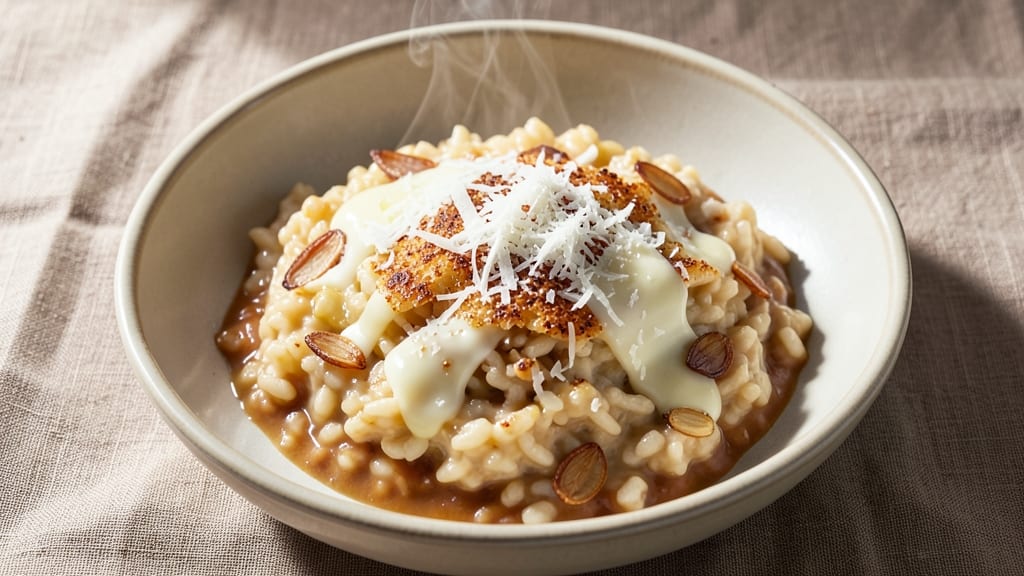
This Carnaroli rice risotto recipe delivers restaurant-quality creaminess without the endless stirring—thanks to the rice’s high starch content that thickens naturally. ✨ The secret lies in toasting the grains properly, layering hot broth, and finishing with butter and parmesan for that signature velvety texture.
Perfect for weeknight dinners or special occasions, this method ensures al dente perfection every time.
With just 20 minutes of active cooking and minimal effort, you’ll achieve that luxurious, melt-in-your-mouth consistency Italian restaurants are known for. The key? Using Carnaroli rice, which absorbs liquid differently than Arborio, creating a silkier finish.
Whether you’re a beginner or a seasoned home cook, this foolproof technique guarantees a creamy, flavorful risotto without the stress.
Ingredients for carnaroli rice risotto
Restaurant-quality risotto starts with Carnaroli rice and these carefully balanced ingredients.
| Ingredient | Amount | Notes |
|---|---|---|
| Carnaroli Rice 🍚 | 1 ½ cups | High-starch for creamy texture |
| Vegetable Broth 💧 | 6 cups | Homemade or low-sodium store-bought |
| White Wine 🍷 | ½ cup | Dry, medium-bodied preferred |
| Unsalted Butter 🧈 | 4 tbsp | European-style preferred |
| Parmesan Cheese 🧀 | ¾ cup | Freshly grated from block |
| Shallots 🧅 | 2 whole | Minced, about 2 tbsp |
| Garlic Cloves 🧄 | 3 cloves | Minced, for aromatic base |
| Extra-Virgin Olive Oil 🫒 | 2 tbsp | For initial toasting |
| Salt 🧂 | 1 ½ tsp | Diamond Crystal preferred |
| Black Pepper 🌶️ | ½ tsp | Freshly cracked |
| Fresh Thyme Leaves 🌿 | ¼ cup | Chopped, for brightness |
| Lemon Zest 🍋 | 1 tsp | For finishing touch |
The Carnaroli rice is non-negotiable here—its high starch content creates that signature silky texture without over-stirring. Look for it in Italian specialty stores or well-stocked grocery chains like Whole Foods. If you can't find it, Arborio works in a pinch, but expect slightly less creaminess. For the broth, homemade vegetable stock elevates the flavor, but low-sodium store-bought brands like Pacific Foods are perfectly fine. The white wine should be dry and medium-bodied—think Pinot Grigio or Sauvignon Blanc. Avoid sweet varieties, as they'll throw off the balance. Shallots add delicate sweetness, so don't substitute onions unless you're willing to adjust the cooking time slightly.
No white wine? Substitute additional vegetable broth—just reduce the total liquid by 2 tbsp to maintain balance. Fresh thyme is ideal, but dried thyme at one-third the amount works if you're in a bind. For the Parmesan, grate it yourself—pre-grated cheese contains anti-caking agents that prevent proper melting. The butter should be European-style, like Plugrá, for its higher fat content and richer flavor. If you're using salted butter, reduce the added salt by half a teaspoon. The lemon zest is optional but adds a bright finish—zest only the outer layer to avoid bitterness.
Store leftover risotto in an airtight container with a thin layer of olive oil on top to prevent drying. It reheats beautifully—just add a splash of broth and warm gently on the stove. Consume within 3-4 days for peak texture. For make-ahead convenience, cook the risotto until just al dente, then refrigerate. Finish with butter and Parmesan when reheating. This method preserves the creamy texture remarkably well.
Why You'll Love This Recipe
- No Fuss, Big Payoff: I swear by this risotto because it’s the only one I don’t stress over. Toast the Carnaroli first—just 2 minutes in butter—and then it’s stir, sip broth, repeat. No fancy techniques, no burnt rice, just creamy perfection by the time the wine’s evaporated.
- Umami Bomb: That first spoonful? Butter, Parmesan, and white wine working together like a well-oiled team. The Carnaroli soaks up the broth without turning mushy, giving you that al dente bite while the cheese melts into a velvety finish. Honestly, it’s the kind of flavor that makes you pause mid-bite.
- Weeknight to Weekend: Make it for Tuesday dinners or Sunday suppers—same recipe, different vibes. Add mushrooms for a hearty weeknight meal or a splash of truffle oil for a fancy dinner. Even my picky-eating partner asks for seconds, and that’s saying something.
- Leftover Luxury: Most risotto turns to glue, but this one? Reheat it with a splash of broth and a pat of butter, and it’s just as good cold the next day. I’ve even packed it for lunches—yes, really. The Parmesan keeps it rich, and the Carnaroli holds its shape like a champ. Budget-friendly, too, if you use store-brand broth.
Step-by-step instructions for perfect Carnaroli risotto
Master this technique and you'll achieve restaurant-quality risotto every time—creamy, al dente, and stress-free.
🍳 Step 1: Toast the Aromatics Until Fragrant
Heat the 2 tablespoons extra-virgin olive oil in a heavy-bottomed pot over medium heat. Add the 2 whole shallots and 3 cloves garlic cloves, both minced, and cook for 3-4 minutes until the shallots become translucent and the garlic releases its aroma.
Here's the thing—don't let them brown. You want them to perfume the dish without adding bitterness. Stir occasionally to prevent scorching, and watch closely as they transform from raw to aromatic. This foundational step builds flavor that carries through the entire risotto.
👨🍳 Step 2: Toast the Carnaroli Rice for Depth
Add the 1.5 cups Carnaroli Rice to the pot and stir to coat it thoroughly in the aromatic oil. Toast the rice for 2 minutes until you can smell its nutty aroma and see light golden spots forming on the grains.
This toasting step is critical—it develops the rice's natural starches and prevents a bland final texture. I press the rice gently against the pot with a wooden spoon during the last 30 seconds to ensure even contact with the hot oil. Don't skip this; it's what separates good risotto from exceptional.
🍷 Step 3: Deglaze with Wine and Add Initial Broth
Pour in the 0.5 cup white wine and stir vigorously until completely absorbed. This should take about 1-2 minutes—you'll see the wine disappear into the rice as it cooks off the alcohol.
As soon as the wine is absorbed, add 1 cup of the vegetable broth and 1 tablespoon of the unsalted butter. Stir gently but constantly, letting the rice absorb the liquid before adding more. The rice should simmer gently—if it's boiling vigorously, reduce the heat slightly. This is where the magic begins.
⏰ Step 4: Cook the Risotto in Stages
Add the remaining 5 cups vegetable broth one ladle at a time, stirring frequently and waiting until each addition is nearly absorbed before adding the next. This process should take about 18-20 minutes total—the rice will go from raw to al dente as it absorbs the broth.
About 10 minutes in, add the 0.25 cup fresh thyme leaves, 0.5 teaspoon black pepper, and 1 teaspoon lemon zest. The thyme adds herbal brightness that cuts through the richness, while the lemon zest prevents the dish from becoming too heavy. Stir these in gently to distribute evenly.
🧀 Step 5: Finish with Butter and Parmesan
When the rice is al dente (about 18-20 minutes total), remove the pot from heat. Add the remaining 3 tablespoons unsalted butter and 0.75 cup Parmesan Cheese, stirring vigorously until the butter melts and creates a luxurious, creamy sauce.
Let the risotto rest for 1-2 minutes off the heat—this allows the residual heat to finish cooking the rice and the starches to fully develop. Taste and adjust seasoning with the 1.5 teaspoons salt if needed. The final risotto should be creamy but still have a slight bite—this is the hallmark of perfect Carnaroli rice.
Pro Tips For Making Carnaroli Rice Risotto
- Toast the Rice First: I learned this the hard way—skipping the toast can make your risotto gummy. Heat your pot until a drop of water sizzles instantly, then add the Carnaroli rice and stir for 30 seconds until the edges turn translucent. This step locks in flavor and prevents mushiness later.
- Use Room-Temp Broth: Cold broth shocks the rice and slows cooking. Warm your vegetable broth to just under a simmer (around 160°F/70°C) before adding it—like a warm bath, not an ice plunge. If you’re short on time, heat it in a separate pot while you toast the rice.
- Stir Like You Mean It: Gentle stirring won’t cut it. Scrape the bottom of the pot aggressively every 2-3 minutes to release starch and prevent sticking—this is how you get that velvety texture. Use a wooden spoon and work in quick, firm strokes.
- Finish with Butter and Cheese Together: I used to add them separately, but combining unsalted butter and grated Parmesan at the end (off heat) creates a silky, emulsified finish. Let the residual heat melt them into the rice for 30 seconds, then fold gently—no more stirring needed. This is the thing that matters most for that restaurant-quality mouthfeel.
Storing and reheating your leftovers
Refrigerator Storage
Transfer your risotto to an airtight container within 2 hours of cooking to preserve its creamy texture. I use glass Pyrex containers with snap-on lids because they maintain freshness longer than plastic.
Store at 40°F or below for up to 3 days—the flavors actually deepen as the rice absorbs residual moisture. 🥣
Freezer-Friendly Method
For longer storage, portion risotto into freezer-safe bags or containers, leaving ½-inch headspace for expansion. Press out excess air to prevent freezer burn, and label with the date. It keeps for up to 3 months—though texture may soften slightly after thawing.
I recommend cooking it al dente before freezing, then finishing with butter and Parmesan when reheating. ❄️
Stovetop Reheating
My preferred method: Add 2-3 tablespoons vegetable broth to the cold risotto and heat over medium-low for 5-7 minutes, stirring occasionally. The broth revives the creamy texture without making it watery.
If it looks dry, add another splash of broth. Finish with a pat of butter and extra Parmesan for that restaurant-quality touch. 🔥
Microwave Revival
For quick reheating, transfer risotto to a microwave-safe dish and cover loosely with a damp paper towel. Heat on 50% power for 1-2 minutes, then stir. Continue in 30-second intervals until reaching 165°F internal temperature. The damp towel prevents drying—this is key for maintaining texture. 💫
Make-Ahead Tip
Cook risotto 2 minutes less than directed, then refrigerate. When ready to serve, reheat with broth and finish with butter/cheese. This method preserves the al dente bite and prevents mushiness. I use this technique for dinner parties—it saves time without sacrificing quality. ✨
Texture Preservation
To prevent drying, store risotto with a thin layer of olive oil on top—this creates a moisture barrier. When reheating, add broth gradually to avoid a soupy consistency.
The goal is to revive the creamy texture without compromising the rice's integrity. Trust me, this small step makes all the difference. 💪
Nutrition facts
Frequently asked questions
Why does Carnaroli rice make risotto creamier than Arborio?
Carnaroli rice has higher starch content and a firmer outer layer, which absorbs liquid more evenly while releasing starch gradually. This creates that signature creamy texture without turning mushy. The grains also hold their shape better, giving each bite that perfect al dente bite with a velvety coating.
Can I substitute Arborio rice if I don't have Carnaroli?
Yes, but expect slightly less creaminess. Use the same ratio of rice to broth, but stir more frequently to compensate for Arborio's lower starch content. For extra richness, add 1 extra tablespoon butter at the end. The texture won't be identical, but it'll still be delicious!
How do I know when the risotto is perfectly al dente?
Test a grain by tasting it—it should be tender but still have a slight resistance in the center (like a firm pasta). The risotto should also coat the back of a wooden spoon smoothly without being soupy. If you wait until all grains are completely soft, it'll turn gluey.
What's the best wine pairing for this risotto?
A medium-bodied white like Pinot Grigio or Chardonnay complements the creamy texture perfectly. For red wine lovers, try a light Pinot Noir—its acidity balances the richness. Always serve the wine slightly cooler than room temperature (50-55°F) to enhance its crispness against the risotto's warmth.
Why did my risotto turn out dry or gummy?
Most likely, you either stirred too vigorously (breaking the rice) or didn't add broth gradually enough. For creamy results, add broth in small batches and let each one absorb before adding more. Also, avoid lifting the rice from the pot—keep it moving gently at the bottom to release starch naturally.