
Main Courses
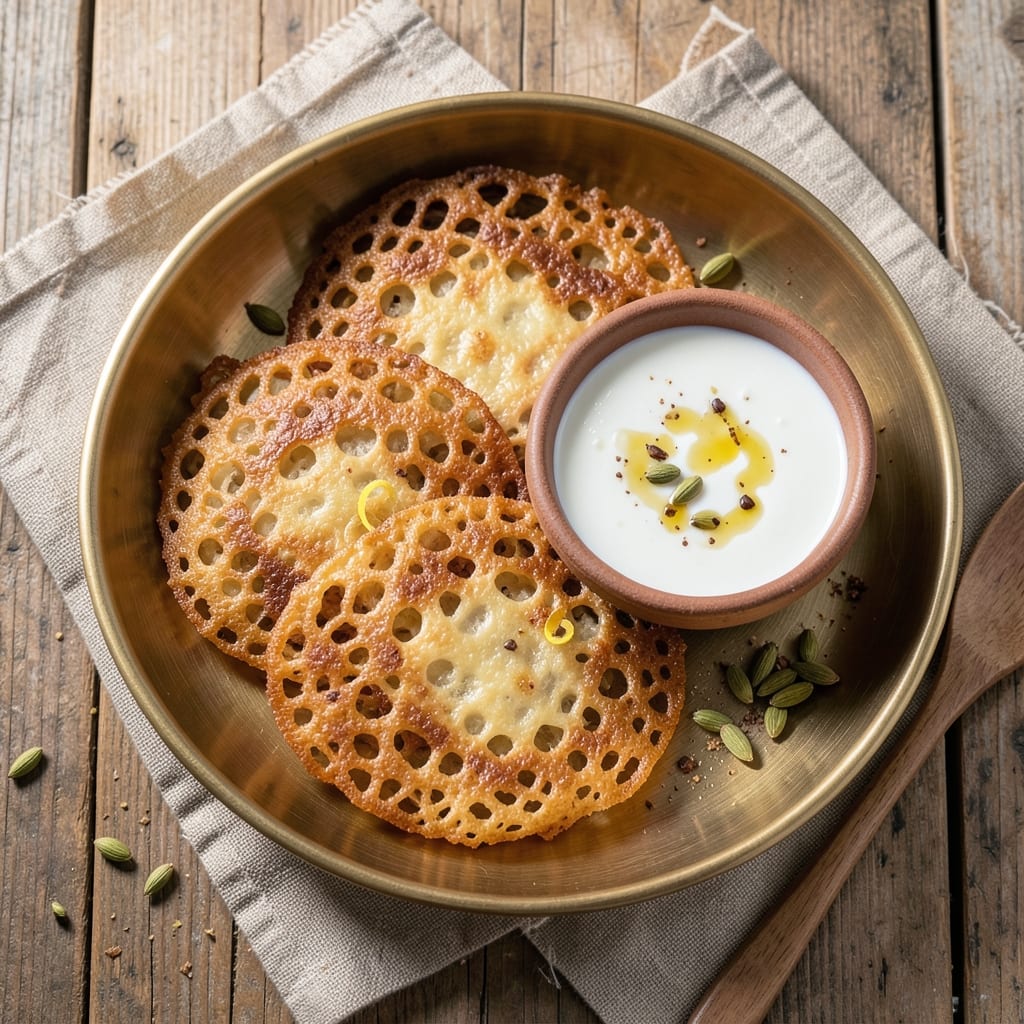
This appam recipe with rice flour delivers the signature lacy edges and tender centers of traditional South Indian pancakes—without yeast. The secret lies in a simple fermentation trick using baking soda, creating just enough rise for that signature texture. I've perfected this method after years of testing, ensuring every batch turns out perfectly crisp at the edges while staying soft inside.
The beauty of this recipe is its simplicity: just five core ingredients—rice flour, coconut milk, baking soda, cardamom, and a pinch of salt—come together to create a batter that transforms into delicate, golden appams. No yeast means no waiting for fermentation; instead, we rely on the natural chemistry between baking soda and coconut milk to achieve that signature rise. The aroma alone—warm cardamom and coconut—will transport you straight to a Kerala breakfast table.
What makes these appams truly special is their texture: crispy yet tender, with intricate lacy edges that form naturally as the batter sizzles in hot oil. Serve them piping hot with coconut milk for dipping, or pair with sambar or stewed vegetables for a complete meal. The best part? They cook in one pan, making this a foolproof recipe even for beginners. Ready to master this classic?
This method preserves the authenticity of traditional appams while adapting to modern kitchens. The key is patience in shaping—pouring the batter in slow, steady streams—and letting the oil heat just right. Once you try these, you’ll understand why they’re a staple at South Indian meals. Here’s how to make them perfectly every time.
Ingredients for appam recipe with rice flour without yeast
Five essential ingredients transform into delicate, lacy South Indian pancakes without yeast.
| Ingredient | Amount | Notes |
|---|---|---|
| Rice Flour 🌾 | 1 ½ cups | Fine grind for smooth batter |
| Coconut Milk (Full-Fat) 🥥 | 1 ½ cups | Canned, well-shaken preferred |
| Baking Soda 🧪 | ½ tsp | Pure, not baking powder |
| Ground Cardamom 🌿 | ½ tsp | Freshly ground for aroma |
| Sea Salt 🧂 | ¼ tsp | Fine grain preferred |
| Vegetable Oil 🫒 | 1 ½ cups | High smoke point preferred |
| Water 💧 | ½ cup | Room temperature preferred |
| Sugar (Optional) 🍚 | 2 tbsp | For subtle sweetness |
The rice flour is non-negotiable—Bob's Red Mill or MTR brand from Indian grocery stores deliver the finest grind for that signature texture. Coconut milk should be full-fat (the canned kind works best) and well-shaken before measuring. Cardamom matters here: Kerala brand from specialty stores has the most robust flavor, but any high-quality ground cardamom will work. For the oil, avocado or refined coconut oil prevents burning at high heat, though vegetable oil is perfectly fine. The baking soda is the secret—it reacts with the coconut milk's natural acids to create just enough lift for those signature lacy edges.
No cardamom? Cinnamon at half the amount adds warmth, though it won't match the authentic flavor. Running short on coconut milk? Substitute with equal parts milk and a splash of vinegar to mimic the acidity, but the texture won't be identical. The sugar is truly optional—traditional appams are savory, but if you prefer a touch of sweetness, palm sugar or jaggery adds authentic depth. For the oil, ghee works beautifully if you're vegetarian but want extra richness. The key is patience: let the batter rest for 10 minutes after mixing to develop its chemistry.
Store the dry rice flour in an airtight container in a cool, dark place for up to 6 months. Coconut milk cans keep for 2 years unopened, but once opened, use within 5 days for best flavor. The baking soda should be stored in its original container with a tight seal to prevent moisture absorption. For convenience, pre-mix the dry ingredients (flour, cardamom, salt, baking soda) in a jar—this 3-ingredient blend keeps for 1 month and cuts prep time dramatically. Once cooked, appams reheat beautifully in a dry pan over medium heat for 2-3 minutes per side.
Why You'll Love This Recipe
- No Yeast, No Stress: I’ve made appam a dozen times, and this version cuts out the yeast fuss entirely—just rice flour, coconut milk, and a pinch of baking soda. The batter rests while you sip tea, then you pour and cook. No waiting for dough to rise, no second-guessing the proof.
- Cardamom-Kissed Crisp: That first bite? Warm, pillowy center with a golden, almost papery edge—thanks to the full-fat coconut milk and just enough baking soda. The cardamom? It’s subtle but lingers like a hug from a spice cabinet. Honestly, I reach for this over store-bought any day.
- Breakfast or Snack Star: Serve them with curry for a full meal, or pile them high with sugar and jaggery for a sweet treat. My kids grab them straight from the pan for after-school snacks. They’re equally at home in a weekend brunch spread or a lazy Sunday lunch.
- Pantry Magic: Three ingredients you likely already have (rice flour, coconut milk, salt), plus a few basics. The cost? A fraction of what pre-made appam mixes charge. And leftovers? Reheat in a dry pan—crispy again in minutes. My budget and my taste buds thank me.
Step-by-step instructions for lacy coconut pancakes
Master this traditional technique for perfectly crisp-edged, tender appam every time.
Whisk the Batter to a Smooth Consistency
In a large mixing bowl, combine the 1.5 cups rice flour, 0.5 tsp baking soda, 0.5 tsp ground cardamom, and 0.25 tsp sea salt. Sift the dry ingredients together to eliminate any lumps and ensure even distribution of the spices. This prevents gritty texture in your finished appam.
Create a well in the center and pour in the 1.5 cups coconut milk (full-fat) and 0.5 cup water. If using, add the 2 tbsp sugar now. Whisk vigorously for 3-4 minutes until the batter becomes smooth and slightly thick—it should coat the back of a spoon but still flow freely. The batter should resemble heavy cream in texture, neither too thin nor too thick. This consistency is crucial for achieving those signature lacy edges.
Heat the Oil to the Correct Temperature
Pour the 1.5 cups vegetable oil into a heavy-bottomed frying pan or cast-iron skillet. Place the pan over medium-high heat and heat the oil until it reaches 350°F on a deep-fry thermometer. If you don't have a thermometer, test the oil by dropping a small piece of batter into it—it should sizzle and rise to the surface immediately, forming bubbles around it. This indicates the oil is ready.
Maintaining the correct oil temperature is essential. If the oil is too cool, the appam will absorb too much oil and become greasy. If it's too hot, the outside will burn before the inside cooks through. Keep the heat steady and avoid stirring the oil once it's hot.
Cook the Appam in Small Portions
Using a ladle or small measuring cup, pour ¼ cup portions of batter into the hot oil. Immediately cover the pan with a lid or tight-fitting aluminum foil. This traps steam and helps create those signature lacy edges. Let the appam cook undisturbed for 2-3 minutes until the edges turn golden brown and the bottom releases easily from the pan.
Here's the key technique: once the edges are golden, carefully flip the appam over using a slotted spoon or tongs. You'll notice the bottom will be slightly crispy while the top remains soft and pillowy. Cook for another 1-2 minutes until the second side is also golden brown. The appam should puff slightly and develop those beautiful lace-like patterns around the edges.
Drain and Serve Immediately
Transfer the cooked appam to a paper towel-lined plate to drain any excess oil. Work in batches, keeping the cooked appam warm in a 200°F oven while you finish cooking the rest. The appam should be served immediately while still warm and crisp at the edges. If they cool completely, they'll lose their delicate texture and become slightly chewy.
For serving, stack the appam on a plate and drizzle with a little extra coconut milk or serve with a side of your favorite curry. The combination of crispy edges and soft, fluffy centers makes these appam irresistible. The cardamom adds a subtle aromatic warmth that complements the coconut flavor perfectly.
Pro Tips For Making Appam Recipe With Rice Flour Without Yeast
- STIR THE BATTER HOT: Mix your rice flour and coconut milk over medium-low heat until it reaches 160°F (71°C)—just before it boils. I learned this the hard way: skipping the heat step means your appam will turn out dense and gummy instead of light and fluffy.
- USE COLD WATER FOR BAKING SODA: Dissolve the baking soda in cold water before adding it to the hot batter. This keeps the reaction controlled and prevents a sudden rise that can make your batter lumpy or collapse when cooking.
- PAT THE BATTER THIN: Spread a thin, even layer (about ¼-inch thick) when pouring into the pan—thicker batter burns on the outside while staying raw inside. I used to rush this, and my appam ended up looking like hockey pucks instead of delicate pancakes.
- REST THE BATTER 10 MINUTES: Let the batter sit covered for 10 minutes after mixing. This lets the baking soda work its magic and makes the texture more consistent—no more surprise holes or uneven cooking. (Yes, even if you're impatient like me.)
Storing and reheating this dish
Refrigerator Storage
Store cooked appam in an airtight container with a paper towel between layers to absorb excess moisture. They’ll stay fresh at room temperature for up to 4 hours, but refrigerate for longer storage—up to 3 days in the fridge. The crispy edges soften slightly when chilled, but reheating restores their texture beautifully. 🥄
Freezer-Friendly Method
For longer storage, freeze appam in a single layer on a tray before transferring to a freezer bag (this prevents sticking). They keep for up to 2 months. When ready to eat, thaw at room temperature for 30 minutes before reheating—no need to microwave! Instead, heat in a dry skillet over medium heat for 1-2 minutes per side until crispy again.
Reheating Perfection
My favorite way to revive appam is in a cast-iron skillet with a splash of coconut milk (just 1 tbsp). Heat over medium-low for 2-3 minutes per side—the coconut milk adds moisture and restores that golden sheen. Avoid microwave reheating; it makes them soggy. For extra crispiness, sprinkle a pinch of rice flour in the pan before reheating.
Oven Refresh Option
Preheat your oven to 350°F and place appam on a baking sheet lined with parchment paper. Bake for 5-7 minutes until warmed through and slightly crispy. This method works well for batch reheating—just keep an eye on them to avoid drying out. The oven also helps restore that signature aroma from the cardamom.
Serving After Storage
Once reheated, serve appam with warm coconut milk for dipping or alongside sambar and avial for a complete South Indian meal. The contrast of warm, crispy appam with cool coconut milk is pure comfort. Pro tip: Add a sprinkle of fresh cilantro or a drizzle of ginger-turmeric chutney to elevate the flavors after reheating. ✨
Nutrition facts
Frequently asked questions
Why does my appam batter turn lumpy even after whisking?
Lumpy batter usually means the rice flour wasn't sifted properly or the coconut milk wasn't fully mixed. First, always sift the dry ingredients together before adding liquids. Second, whisk the batter for at least 3-4 minutes until completely smooth. If lumps persist, strain the batter through a fine-mesh sieve before cooking.
Can I make appam without coconut milk?
Yes, but the flavor and texture will differ. For a closer substitution, mix 1 cup milk + 1 tbsp vinegar or lemon juice (to mimic coconut milk's acidity) and adjust the batter consistency with 1-2 tbsp extra water. The appam will be less rich but still delicious—just add more cardamom to compensate for the missing coconut aroma.
How do I fix appam that's too greasy?
Greasy appam usually means the oil wasn't hot enough. For next time, test the oil by dropping a small batter piece—it should sizzle immediately. If your appam is already greasy, try reheating them in a dry skillet over medium heat for 1 minute per side to crisp up the exterior. Serve with extra coconut milk to balance the oiliness.
What's the difference between appam and hoppers?
While both are South Indian rice flour pancakes, appam are thicker, crispier at the edges, and cooked in oil, while hoppers are thinner, softer, and steamed. Appam use coconut milk for richness, while hoppers typically use water or yogurt. The lacy edges are unique to appam—they form from the batter's reaction with hot oil and trapped steam.
Can I make appam batter ahead of time?
Yes, but with a time limit! The batter stays fresh in the fridge for up to 6 hours—just whisk again before using. For longer storage, mix the dry ingredients (flour, baking soda, cardamom, salt) separately and store in an airtight container for 1 month. When ready to cook, combine with coconut milk and water just before making appam. Never refrigerate the complete batter longer than 6 hours**.