
Main Courses
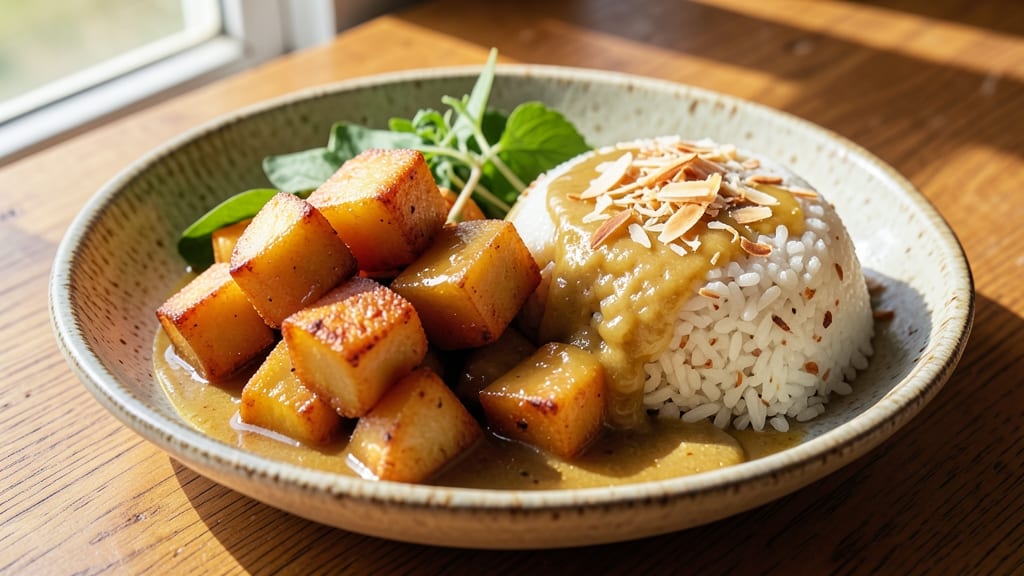
This cassava and glutinous rice recipe delivers the perfect balance of chewy, sweet bites with a crispy, caramelized top—a tropical flavor explosion in every bite. The secret lies in steaming cassava until tender, then mixing it with glutinous rice for a texture that’s both satisfying and addictive.
Whether you’re making a traditional dessert or a savory snack, this dish is versatile enough to fit any menu while keeping prep simple and foolproof.
What sets this recipe apart is the crunchy crust formed when baked or pan-fried, contrasting beautifully with the soft, sticky interior. The natural sweetness of cassava pairs perfectly with the mild, chewy texture of glutinous rice, creating a dish that’s both comforting and exciting.
Ready in under 45 minutes, it’s ideal for gatherings, meal prep, or a special treat without the fuss.
Ingredients for cassava and glutinous rice
These tropical staples transform into chewy, caramelized bites with irresistible crunch—perfect for both sweet and savory cravings.
| Ingredient | Amount | Notes |
|---|---|---|
| Fresh Cassava (Yuca) 🥔 | 2 lb | Peeled and cut into 1-inch cubes |
| Glutinous Rice (Sweet Rice) 🍚 | 1 ½ cups | Uncooked, rinsed thoroughly |
| Coconut Milk (Full-Fat) 🥥 | 13 ½ oz | Canned, unsweetened preferred |
| Coconut Sugar 🍯 | ½ cup | Or light brown sugar substitute |
| Vegetable Oil 🫒 | ¼ cup | For crispy crust formation |
| Shredded Coconut (Sweetened) 🥥 | ½ cup | Toasted for enhanced flavor |
| Lime Zest 🍋 | 1 tbsp | Freshly grated for brightness |
| Salt 🧂 | ½ tsp | Diamond Crystal preferred |
| Ground Cinnamon 🌿 | ¼ tsp | For subtle warmth |
| Vanilla Extract 🌸 | ½ tsp | Pure alcohol-free preferred |
| Pandan Leaves (Optional) 🌿 | 2 whole | Tied for aromatic infusion |
| Sesame Seeds 🌰 | 1 tbsp | Toasted for nutty crunch |
The cassava is the foundation here, and freshness matters. Look for firm, unblemished tubers at specialty markets or Latin grocers—Whole Foods and Trader Joe's often carry pre-peeled versions to save time. Glutinous rice should be labeled as 'sweet rice' or 'mochigome' for authentic texture. For the coconut milk, Aroy-D or Thai Kitchen brands deliver the richest flavor profile, but any full-fat canned variety will suffice. The key is using the thick, creamy part from the can rather than the watery portion.
No fresh pandan leaves? Pandan extract at one-fourth the amount works in a pinch, though it lacks the same aromatic depth. Substituting regular rice for glutinous will result in a drier texture—this recipe requires the unique chewiness of sweet rice. For coconut sugar, palm sugar or turbinado sugar offer similar caramel notes, though coconut sugar's natural molasses flavor is ideal. The sesame seeds can be swapped for crushed peanuts or slivered almonds if you prefer a different nutty profile, but toast them first to intensify flavor.
Store uncooked cassava cubes in a sealed container in the fridge for up to 5 days or freeze for 3 months to preserve texture. Once prepared, these bites keep in an airtight container for 4 days in the refrigerator, though they're best enjoyed within 2 days for maximum crispiness. For longer storage, freeze portions on a parchment-lined tray before transferring to a bag—this prevents sticking. Reheat in a skillet or oven to restore the crispy crust.
Why You'll Love This Recipe
- One-Pot Magic: I swear by this recipe when I’m too tired to wash another pan. Just peel the cassava, slice it thin, toss it in with the rice and coconut milk, and let it steam—no stirring, no fuss. The glutinous rice soaks up all that creamy coconut flavor while the cassava turns tender, and honestly? The cleanup is just a wipe-down.
- Sweet & Savory Balance: Between us, I didn’t think I’d like coconut sugar in savory dishes, but here it is—caramelizing just enough to cut through the richness of the coconut milk. The cassava’s natural starchiness soaks up the flavors like a sponge, while the rice stays pillowy. It’s the kind of dish where every bite feels just right—not too sweet, not too bland.
- Meal Prep MVP: This recipe is my secret weapon for busy mornings. Cook a big batch on Sunday, and you’ve got breakfast, lunch, or even dessert covered for days. The cassava holds up perfectly when reheated (microwave or oven, no judgment), and the rice stays sticky and satisfying. My kids grab it straight from the fridge—no complaints.
- Budget-Friendly Luxury: Full-fat coconut milk might sound fancy, but it stretches further than you’d think, especially when paired with cassava and rice. I buy cassava in bulk, and it keeps for weeks in the fridge, so I’m not scrambling for last-minute groceries. Plus, the dish feels indulgent without breaking the bank—like a little tropical escape for pennies.
Step-by-step instructions for cassava and glutinous rice recipe
A tropical dessert with perfect texture balance—crispy crust, sticky-sweet interior, and nutty crunch.
Prepare the Cassava for Even Cooking
Peel the 2 lb fresh cassava (yuca) using a vegetable peeler or sharp knife, removing all browned skin. Cut into 1-inch cubes for even cooking—smaller pieces ensure tender centers while larger edges develop that coveted crispy crust. Soak the cubes in cold water for 10 minutes to remove excess starch, then drain thoroughly and pat dry with paper towels. This step prevents a gummy texture and ensures proper crisping later.
While the cassava soaks, toast the 1 tbsp sesame seeds in a dry skillet over medium heat for 2-3 minutes until golden and fragrant. Set aside to cool—their nutty aroma will complement the coconut and lime flavors. Keep the toasted seeds separate until the final step to preserve their crunch.
Create the Sweet Coconut Base
In a large mixing bowl, combine the 1.5 cups glutinous rice (sweet rice) with the 13.5 oz full-fat coconut milk, 0.5 cup coconut sugar, 0.25 cup vegetable oil, 1 tbsp lime zest, 0.5 tsp salt, 0.25 tsp ground cinnamon, and 0.5 tsp vanilla extract. Mix thoroughly until the rice is fully coated and the coconut milk begins to absorb into the grains. If using the 2 whole pandan leaves, tie them together with kitchen twine and add to the mixture for subtle floral notes.
Let the mixture sit at room temperature for 15 minutes—this allows the rice to begin absorbing the coconut milk and sugar, creating a more cohesive texture. The lime zest will brighten the coconut's richness, while the cinnamon adds warmth that pairs beautifully with the cassava's natural earthiness.
Assemble and Bake for Crispy Perfection
Preheat your oven to 375°F and line a 9x13-inch baking dish with parchment paper for easy removal. Arrange the dried cassava cubes in an even layer across the bottom of the dish, leaving ½-inch gaps between each piece. This spacing ensures they develop crispy edges rather than steaming together.
Spread the coconut-rice mixture evenly over the cassava, pressing down gently to fill any gaps. Sprinkle the 0.5 cup toasted shredded coconut (sweetened) evenly over the top, then press lightly to help it adhere. Bake for 40-45 minutes until the edges are deep golden brown and the top is crispy. The cassava should be tender when pierced with a knife, with just a slight resistance in the center.
Finish with Toasted Crunch
Remove the baking dish from the oven and immediately sprinkle the toasted sesame seeds evenly over the top. Return to the oven for 2-3 minutes to toast the seeds slightly and enhance their aroma. Let the dessert cool in the pan for 10 minutes before slicing—this resting period allows the flavors to meld and prevents the crispy top from breaking apart.
Serve warm or at room temperature, cutting into 4 equal portions for the 4 servings. The contrast of crispy coconut-topped crust, sticky-sweet rice filling, and nutty sesame seeds creates a textural experience that balances tropical sweetness with subtle warmth. Store leftovers covered at room temperature for up to 2 days, though they're best enjoyed fresh.
Pro Tips For Making Cassava And Glutinous Rice
- PEEL CASSAVA THIN: I learned this the hard way—thick peels mean uneven cooking and wasted time. Use a sharp knife to slice just under the skin, then scrape with a spoon to remove all residue. A little effort here saves you from gummy, undercooked centers later.
- SOAK RICE 4+ HOURS: Glutinous rice needs serious soaking—at least 4 hours, preferably overnight. I used to rush it and ended up with dense, chalky grains. Cold water only, no salt, and swap it out once halfway if you’re in a hurry (yes, even if you’re impatient like me).
- LOW AND SLOW WITH COCONUT: After burning three batches, I finally figured out: coconut milk scalds easily. Simmer the mixture on low heat—just enough to keep it bubbling gently. High heat turns it grainy and separates the cream. Patience here makes all the difference.
- STIR IN SUGAR LAST: Coconut sugar burns faster than you’d think, especially when mixed with oil. Add it only in the final 5 minutes of cooking, then give it a quick toss to melt evenly. I skip this when I’m lazy, but the dish is noticeably better when I don’t.
Common mistakes when making this dish
Over-Soaking Cassava
Leaving cassava cubes in water for more than 10 minutes strips away too much starch, resulting in a dry, crumbly texture instead of the desired chewy bite. I learned this the hard way when my first batch turned out like overcooked potatoes.
Stick to the 10-minute soak, then pat them very dry with paper towels—this ensures they crisp up beautifully in the oven. 🥔
Skipping the Resting Time
Rushing to slice immediately after baking causes the crispy coconut top to shatter and the interior to fall apart. Always let the dessert rest for 10 minutes before cutting—this lets the flavors meld and the structure set.
I once served it too soon, and the whole thing crumbled like a sandcastle in the waves. Patience pays off here! ⏳
Uneven Cassava Sizes
Using inconsistent cube sizes leads to uneven cooking—some pieces stay rock-hard while others turn mushy. Aim for 1-inch cubes with minimal variation. If you're working with a large batch, cut them all at once using a mandoline slicer for precision.
I've had to salvage undercooked centers by returning them to the oven, which ruins the perfect texture balance. 🔪
Under-Mixing the Rice Base
Glutinous rice needs thorough mixing to absorb the coconut milk evenly, or you'll end up with dry pockets. Use a rubber spatula to scrape the bottom of the bowl and ensure every grain is coated.
I once forgot this step and got a dessert with dry, crumbly bits mixed in—like eating a coconut-flavored rice Krispie treat gone wrong. Give it 2 minutes of vigorous stirring. 🍚
Overcrowding the Baking Dish
Packing cassava cubes too closely prevents proper browning and crisping. Leave ½-inch gaps between pieces so they develop that coveted caramelized crust. I once made this mistake and ended up with steamed cassava instead of crispy bites. Think of it like baking cookies—they need space to spread and crisp! 🍪
Ignoring the Sesame Toast
Adding raw sesame seeds straight from the jar means they won't toast properly, leaving you with a bland, uncrunchy topping. Always toast them first in a dry skillet until golden and fragrant.
I've skipped this step before, and the final texture lost that crucial nutty crunch. 2-3 minutes at medium heat makes all the difference—don't skip it! 🌰
Nutrition facts
Frequently asked questions
Can I substitute regular rice for glutinous rice?
No, glutinous rice is essential for the chewy, sticky texture this recipe needs. Regular rice will result in a dry, crumbly dessert instead of the signature tropical bite. If you're out of glutinous rice, you can try sweet rice flour mixed with water to create a paste, but the texture won't be identical. The chewiness comes from the rice's unique starch content, so don't skip it!
How do I know when cassava is fully cooked?
The cassava cubes are done when they're tender but still hold their shape when pierced with a knife. For best results, aim for a slight resistance in the center—overcooked cassava becomes mushy. If your cubes feel firm after baking, return them to the oven for 5-10 minutes until they're just tender. Fresh cassava cooks faster than pre-packaged versions.
Can I make this recipe without coconut milk?
Yes, but the flavor will be less rich and tropical. Replace coconut milk with a mix of 1 cup heavy cream and ½ cup water for a neutral base, or use 1 cup almond milk for a lighter option. For best results, add 1 tsp coconut extract to compensate for the missing flavor. The texture will still work, but the authentic tropical profile will be lost.
Why is my dessert too sweet?
The coconut sugar and natural sweetness of cassava can make this dish overly sweet for some tastes. Balance it by adding ½ tsp freshly grated ginger or 1 tsp lime juice to the rice mixture. For a savory version, reduce the sugar to ¼ cup and add 1 tsp soy sauce or ½ tsp smoked paprika instead. Taste as you mix—the flavors meld during baking, so adjustments now prevent surprises later!
How can I make this recipe vegan?
This recipe is already vegan-friendly! Simply ensure your coconut milk is labeled "unsweetened" and contains no additives. For extra richness, use full-fat coconut milk and replace any honey-based ingredients (none in this recipe) with maple syrup or agave nectar. The natural sweetness of cassava and coconut sugar keeps it plant-based without compromise.