
Main Courses
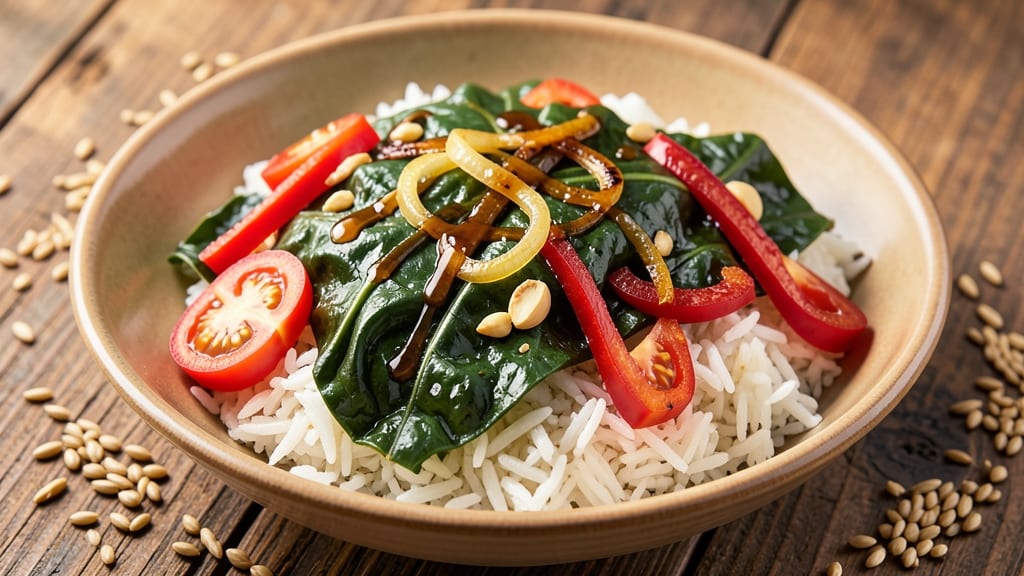
This West African cassava leaf and rice recipe delivers deep, earthy flavors in a single pot, blending tender greens with fragrant rice for a meal that feels like a warm embrace. 💛 The secret lies in properly preparing the cassava leaves—washing, blanching, and sautéing them until they release their vibrant, slightly bitter essence, which mellows into a rich, savory base when combined with tomatoes, peppers, and aromatic spices.
The result is a one-pot protein powerhouse where fluffy rice absorbs the leafy broth, creating a dish that’s both hearty and nutritious.
Whether you add smoked fish, shrimp, or keep it vegetarian, this recipe captures the soul of West African home cooking—simple yet deeply satisfying, with every bite telling a story of tradition and flavor.
Ingredients for cassava leaf and rice
Twelve vibrant ingredients blend to create this West African one-pot masterpiece.
| Ingredient | Amount | Notes |
|---|---|---|
| Fresh Cassava Leaves 🌿 | 12 oz | Washed and blanched first |
| Long-Grain White Rice 🍚 | 1 ½ cups | Uncooked, rinsed well |
| Fresh Tomatoes 🍅 | 2 medium | Ripe, diced (about 1 cup) |
| Yellow Onion 🧅 | 1 whole | Medium, chopped fine |
| Red Bell Pepper 🌶️ | 1 whole | Medium, diced (about 1 cup) |
| Garlic Cloves 🧄 | 4 cloves | Minced finely |
| Scotch Bonnet Peppers 🌶️ | 2 whole | Seeds removed, chopped (adjust for heat) |
| Vegetable Oil 🫒 | ¼ cup | For sautéing |
| Dried Thyme 🌿 | 1 tsp | Or 1 tbsp fresh |
| Ground Black Pepper 🌶️ | ½ tsp | Freshly ground |
| Salt 🧂 | 1 ½ tsp | Adjust to taste |
| Vegetable Broth 💧 | 2 cups | Low-sodium preferred |
| Smoked Fish (optional) 🐟 | 8 oz | Shredded (e.g., smoked mackerel) |
Cassava leaves are the heart of this dish—fresh is best, but frozen works in a pinch if you can't find them. Look for bright green, crisp leaves at West African markets or specialty grocery stores like Whole Foods. The leaves need thorough washing and blanching to remove bitterness, so plan ahead. For the rice, long-grain white is traditional, but jasmine or basmati will work too. The tomatoes should be ripe but firm—heirloom varieties add extra depth of flavor if you're feeling fancy.
No fresh cassava leaves? Substitute with spinach or collard greens, but reduce the amount by half since they're milder. Running low on scotch bonnet peppers? Jalapeños or habaneros work in a pinch, but go easy on the heat. The smoked fish is optional but adds incredible richness—smoked mackerel or sardines are traditional, but any smoked fish will do. If you're keeping it vegetarian, extra vegetable broth or a splash of soy sauce can mimic that umami depth. For the tomatoes, canned San Marzano in a pinch (drained well) keeps the dish from watering down.
This dish tastes even better the next day as flavors meld together. Store in an airtight container in the fridge for up to 4 days. For leftovers, reheat gently with a splash of water or broth to restore moisture. The rice will dry out if stored uncovered, so keep it sealed tight. Freezes beautifully for up to 3 months—portion into individual servings before freezing for easy reheating. The cassava leaves lose texture when reheated, so enjoy this as soon as possible for the best experience.
Why You'll Love This Recipe
- No-Chop Nightmare: I swear, the leaves don’t need perfect cutting—just rough chopping and wilt-down. The onions and bell peppers soften fast, so you’re stirring, not stressing. My lazy Sundays thank me.
- Umami Bomb: That first bite—savory, slightly bitter, wrapped in tomato-onion sweetness—hits different. The cassava leaves (properly blanched!) bring depth, while the rice soaks up the juices like a sponge. Honestly, it’s the kind of dish that makes you pause mid-bite.
- Pot Luck Hero: Bring it to gatherings, potlucks, or your own fridge for days. The rice stays fluffy, the greens hold their texture, and it reheats like a dream. Between us, this is the one dish I always bring when I don’t want to be “that person” who overcomplicates things.
- Pocketbook Victory: Fresh cassava leaves are cheaper than spinach, and a single bunch stretches across meals. Add rice, and you’ve got a filling plate for under $5. I’ll be real: my grocery bill dropped the week I discovered this. No guilt, all flavor.
Step-by-step instructions for West African cassava leaf and rice
This one-pot masterpiece delivers bold flavors and hearty texture with minimal cleanup.
🍳 Step 1: Sauté the Aromatic Base
Heat the 0.25 cup vegetable oil in a large pot over medium-high heat until shimmering. Add the finely chopped yellow onion and cook for 3-4 minutes until translucent and slightly caramelized. You'll see the edges start to soften—that's your signal to add the red bell pepper and cook for another 2 minutes.
Stir in the minced garlic cloves and chopped Scotch bonnet peppers (remove seeds if you prefer less heat). Cook for 30 seconds until fragrant—this releases the full flavor profile. Immediately add the dried thyme, ground black pepper, and salt, stirring to combine. The spices should sizzle slightly and fill your kitchen with aroma.
🍳 Step 2: Cook the Cassava Leaves
Add the washed and blanched fresh cassava leaves to the pot, stirring gently to wilt them. Cook for 5-6 minutes until they soften and darken slightly in color. This step is crucial—don't rush it or the leaves will remain tough. If the leaves look dry, add 2 tablespoons of vegetable broth to keep them moist.
Next, stir in the diced fresh tomatoes and cook for 3-4 minutes until they break down and release their juices. The mixture should become saucy and vibrant. If using the 8 oz smoked fish, add it now and stir to distribute evenly. The fish will infuse its smoky flavor throughout the dish.
⏰ Step 3: Combine and Simmer
Pour in the 2 cups vegetable broth and bring the mixture to a gentle boil. Stir in the 1.5 cups long-grain white rice, spreading it evenly across the bottom of the pot. This ensures each grain gets equal exposure to the flavorful liquid. Reduce heat to low and cover the pot with a tight-fitting lid.
Simmer for 25-30 minutes without lifting the lid. You'll know it's ready when the rice is tender and the liquid has been absorbed. The pot should smell rich and earthy, with hints of the cassava leaves' natural flavor. If the top appears dry before the rice is fully cooked, add 2-3 tablespoons of water or broth and continue cooking.
🍽️ Step 4: Rest and Serve
Once the rice is fully cooked, remove the pot from heat and let it rest for 5 minutes with the lid still on. This resting period allows the flavors to meld and the rice to absorb any remaining liquid. Fluff the rice gently with a fork, being careful not to break the grains.
Serve immediately in deep bowls, ensuring each portion gets a generous serving of the flavorful cassava leaves mixed throughout. The dish should be hearty and satisfying, with each bite delivering the perfect balance of rice, leafy greens, and aromatic spices. Pair with a simple side salad or warm bread to complete the meal.
Pro Tips For Making Cassava Leaf And Rice
- BLANCH LEAVES FIRST: Skip the raw leaf struggle—blanch cassava leaves in boiling salted water for 2-3 minutes before chopping. This softens the fibers so they cook down evenly and don’t turn mushy later (yes, I’ve ruined batches by skipping this).
- SAUTÉ ONIONS LOW AND SLOW: Don’t rush the onions—they’re the flavor base. Cook them on medium-low for 8-10 minutes until deep golden, not browned. I used to crank the heat and ended up with bitter, burnt bits that ruined the whole stew.
- CHOP TOMATOES AND PEPPERS SMALL: Tiny dice, not chunks. The smaller the pieces, the faster they soften and release juice into the sauce. I learned this after serving a version where the tomatoes stayed stubbornly firm—no one wanted to eat around them.
- RICE TO WATER RATIO MATTERS: Use a 1:1.5 ratio (rice to water) for perfect fluffiness. Too much water = gluey rice; too little = dry grains. I now measure by volume (1 cup rice = 1.5 cups water) because eyeballing it led to disaster every time.
Flavor customization for these flavors
Spice Level Control
Adjust the heat to your preference by controlling the Scotch bonnet peppers. For mild heat, use just 1 pepper and remove all seeds. For medium heat, keep 1 pepper with seeds intact.
If you love spice, add both peppers with seeds and stems. I like to toast the peppers for 30 seconds in the oil before adding other ingredients to deepen their flavor. 🌶️
Smoky Depth
If you don’t have smoked fish, try adding ½ cup shredded smoked paprika or 1 tbsp liquid smoke to the sautéed onions for that signature smoky flavor. For extra richness, stir in 1 tbsp tomato paste with the tomatoes—it intensifies the umami and balances any bitterness from the leaves.
Vegetarian Umami Boost
To replace the fish’s umami without meat, add 1 tbsp soy sauce or 1 tsp fish sauce (if you eat fish) when combining the broth and rice. For a plant-based option, toss in ½ cup cooked black-eyed peas or 1 tbsp nutritional yeast for a cheesy, savory kick.
The leaves will absorb these flavors beautifully.
Herb Variations
Swap thyme for 1 tbsp fresh thyme leaves or add ½ tsp ground nutmeg for warmth. For a brighter profile, stir in 1 tbsp chopped fresh parsley or cilantro at the end.
I love adding ½ tsp ground ginger with the garlic for a subtle zing that pairs perfectly with the cassava’s earthiness.
Protein Add-Ins
For a heartier dish, add 1 cup cooked shrimp or 1 cup diced chicken during the final 10 minutes of simmering. If using shrimp, toss them in 1 tsp garlic powder and ½ tsp smoked paprika before adding.
For a vegan option, stir in ½ cup chickpeas—they soak up the flavors like a dream. 🍤
Acid Balance
Brighten the dish with a splash of 1 tbsp lemon juice or 1 tbsp vinegar (apple cider or white wine) at the end. This cuts through the richness and balances the cassava’s natural bitterness.
For a tangy twist, add 1 tbsp diced cucumber or pickled red onions as a garnish when serving.
Nutrition facts
Frequently asked questions
Why do cassava leaves need blanching before cooking?
Blanching removes natural bitterness and toughens the leaves slightly, making them easier to chop and cook. The process also helps preserve their vibrant green color. Simply boil the leaves for 2-3 minutes, then shock in ice water before using in your recipe.
Can I use frozen cassava leaves instead of fresh?
Yes, but thaw them first in cold water and drain well. Frozen leaves work best when added directly to the pot after sautéing the aromatics, as they'll release moisture during cooking. You may need 10-12 oz more than fresh since they lose volume when frozen.
What's the best way to store leftovers?
Store in an airtight container in the fridge for up to 4 days. The flavors actually improve overnight! For freezing, portion into individual servings and freeze for 3 months. Reheat gently with a splash of water or broth to restore moisture—microwaving can make the rice dry out.
How do I make this dish spicier without Scotch bonnet?
Use 1-2 jalapeños or ½ tsp cayenne pepper instead. For authentic heat, try habanero pepper (remove seeds for milder heat). Toast the peppers in oil for 30 seconds first to deepen their flavor.
Can I cook this in an Instant Pot?
Sauté the aromatics as directed, then add all ingredients except rice. Seal and cook on high pressure for 4 minutes, then quick-release. Stir in rice and cook on high heat for 2 minutes to fluff. The pressure method creates perfectly tender leaves and rice in half the time!