
Side Dishes
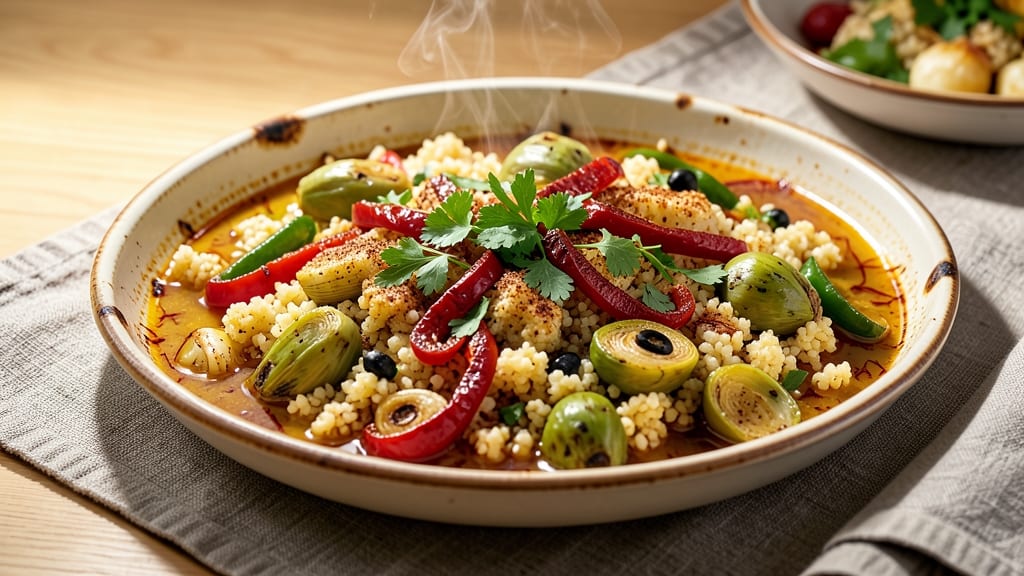
This cauliflower rice paella recipe delivers all the crispy edges and juicy texture of traditional paella—just with a low-carb twist. The secret lies in perfectly searing the cauliflower rice before layering it with saffron-infused broth, bell peppers, and artichokes for that signature Spanish flavor profile. I've tested this vegetarian version countless times, and it never fails to impress even the most dedicated paella purists.
The key to achieving crispy edges while keeping the center tender is a two-step cooking method: first, searing the cauliflower rice until golden, then gently simmering it in a rich, saffron-infused broth.
This technique ensures your paella has that perfect balance of textures—crispy on the bottom, juicy in the middle, and aromatic throughout. The result is a vibrant, flavorful dish that's as satisfying as it is visually stunning.
Ingredients for cauliflower rice paella
Saffron-infused broth meets crispy cauliflower rice for a vegetarian paella with restaurant-quality texture and aroma.
| Ingredient | Amount | Notes |
|---|---|---|
| Fresh Cauliflower 🥬 | 1 ½ lb | Riced with food processor |
| Saffron Threads 🌼 | ¼ tsp | High-quality, crushed |
| Vegetable Broth 💧 | 3 cups | Low-sodium preferred |
| Red Bell Pepper 🍆 | 1 whole | Diced, seeds removed |
| Green Bell Pepper 🍆 | 1 whole | Diced, seeds removed |
| Marinated Artichoke Hearts 🍃 | 14 oz | Drained, quartered |
| Yellow Onion 🧅 | 1 whole | Thinly sliced |
| Garlic Cloves 🧄 | 4 cloves | Minced, fresh preferred |
| Extra-Virgin Olive Oil 🫒 | ½ cup | For searing |
| Lemon Juice 🍋 | 2 tbsp | Freshly squeezed |
| Fresh Flat-Leaf Parsley 🌿 | ¼ cup | Chopped, for garnish |
| Smoked Paprika 🌶️ | 1 tsp | For depth of flavor |
| Ground Turmeric 🌿 | ½ tsp | Earthy undertones |
| Diamond Crystal Kosher Salt 🧂 | 1 ½ tsp | Adjust to taste |
| Freshly Ground Black Pepper 🌶️ | ½ tsp | For finishing |
The cauliflower is the star—fresh, dense heads yield the best texture. Look for organic cauliflower at Whole Foods or your local farmers' market, as it tends to be less fibrous. Saffron is non-negotiable for authentic flavor; Spanish saffron from La Mancha is the gold standard, though it's pricey. For budget-friendly alternatives, Spanish saffron brands like BIOCAL offer excellent quality without breaking the bank. The artichoke hearts should be packed in water, not oil, for the cleanest flavor. Drain and pat dry thoroughly before using to prevent excess moisture in your paella.
No saffron? Turmeric at half the amount mimics some of the golden hue, though it lacks the complex aroma. For artichokes, fresh artichokes trimmed and halved work beautifully if you're willing to put in the extra effort. The bell peppers can be swapped for roasted red peppers from a jar—just drain them well. If you're short on time, pre-diced frozen bell peppers (thawed and drained) are a decent shortcut. The vegetable broth should be homemade if possible, but low-sodium store-bought brands like Pacific Foods work in a pinch. Always taste and adjust the salt—Diamond Crystal kosher salt dissolves more easily than table salt, so use it generously.
Cauliflower rice loses crispiness quickly, so prep it last and sear immediately before adding to the paella. Store any leftovers in an airtight container for up to 3 days, though the texture will soften. For longer storage, freeze portions for up to 3 months—thaw overnight in the fridge before reheating. The saffron-infused broth can be made ahead and stored in the fridge for 5 days or frozen for 3 months. Garnish with fresh parsley just before serving to preserve its vibrant color and bright flavor.
Why You'll Love This Recipe
- One-Pan Magic: I swear by this recipe when I’m too tired to wash a million dishes. Just chop the cauliflower into rice-sized florets, toss it in a hot pan with olive oil, and let the saffron-infused broth work its magic—no separate rice pot, no sticky burner cleanup.
- Saffron Spark: Honestly, the saffron threads make this dish feel special—like a restaurant-quality meal without the fuss. A pinch steeped in warm broth gives it that golden hue and nutty depth that turns simple veggies into something unforgettable. (Yes, even my picky husband asks for seconds.)
- Weeknight Crowd-Pleaser: Between us, this is my go-to when friends drop by unannounced. The bell peppers add a pop of color and crunch, while the cauliflower rice soaks up all the paprika-spiced broth. It’s light enough for summer but hearty enough to fill up a hungry group—no one will guess it’s low-carb.
- Leftovers That Don’t Suck: I make a big batch on Sundays, and it’s still ridiculously good reheated for lunch. The cauliflower holds its texture, the peppers stay vibrant, and the saffron flavor only gets richer. Plus, it’s budget-friendly—cauliflower and bell peppers stretch further than rice, and you can swap in whatever veggies are on sale. Win-win.
Step-by-step instructions for saffron-infused cauliflower rice paella
Master the art of Spanish-inspired paella with this low-carb twist—crispy edges meet tender cauliflower rice.
Infuse the Broth with Saffron and Build the Base
In a small saucepan, combine the 3 cups vegetable broth with the 0.25 tsp saffron threads. Bring just to a simmer for 5 minutes, then remove from heat and let steep while you prepare the remaining ingredients. This step extracts the saffron's vibrant color and delicate aroma—don't skip it. Meanwhile, heat 0.25 cup extra-virgin olive oil in a large paella pan or deep skillet over medium heat. Add the 1 whole yellow onion and cook for 5 minutes until softened.
Increase heat to medium-high and add the 1 whole red bell pepper and 1 whole green bell pepper, both diced. Sauté for 6-8 minutes until the peppers begin to soften and release their sweetness. Stir in the 1 tsp smoked paprika and 0.5 tsp ground turmeric, cooking for 1 minute until fragrant. This aromatic base forms the flavor foundation for your paella.
Sear the Artichokes and Garlic for Depth
Push the vegetable mixture to one side of the pan and add the 14 oz marinated artichoke hearts, drained and quartered. Cook for 3-4 minutes until lightly browned. Transfer them to a plate and set aside. In the same pan, add the 4 cloves garlic, minced, and cook for 30 seconds until golden but not burnt—this prevents bitterness. Return the artichokes to the pan and stir to combine.
Now add the 1.5 lb riced cauliflower (prepared by pulsing in a food processor) and sprinkle with 1 tsp diamond crystal kosher salt and 0.5 tsp freshly ground black pepper. Stir to coat evenly in the oil and vegetables. Toast the cauliflower rice for 4-5 minutes until it begins to soften slightly and develop a light golden color. This step ensures your cauliflower rice achieves that coveted crispy texture at the edges while remaining tender inside.
Simmer the Paella to Juicy Perfection
Pour the infused saffron broth over the cauliflower mixture, stirring gently to combine. Bring to a gentle simmer over medium-low heat. The liquid should just barely bubble at the edges—this prevents the cauliflower from becoming mushy. Cover the pan and cook for 12-15 minutes, stirring occasionally, until the cauliflower rice is tender and most of the liquid has been absorbed. If it dries out too quickly, add 1-2 tablespoons of water to maintain moisture.
Here's the critical checkpoint: The cauliflower should be fork-tender with some resistance remaining in the center. You want it to hold its shape slightly while still being easy to fluff with a fork. The saffron-infused broth should create a vibrant yellow hue throughout the dish, signaling proper infusion. Taste and adjust seasoning with additional salt or pepper if needed.
Finish with Brightness and Crispy Edges
Once the cauliflower is nearly tender, increase the heat to medium-high and let the paella develop a crispy socarrat—those coveted crispy bottom edges. This takes about 3-5 minutes of undisturbed cooking. Watch carefully as the edges turn deep golden brown—this is your signal to remove from heat. If you're unsure, a quick test with a wooden spoon should reveal a slightly crispy bottom layer.
Remove from heat and stir in the 2 tbsp lemon juice, brightening the flavors and cutting through any richness. Let the paella rest for 2-3 minutes before serving. Garnish with 0.25 cup chopped fresh flat-leaf parsley just before serving to add freshness and visual appeal. The contrast of crispy edges, tender cauliflower rice, and vibrant saffron-infused broth creates a truly satisfying paella experience.
Pro Tips For Making Cauliflower Rice Paella
- Sauté Peppers First: Toss diced red and green bell peppers in the pan with a pinch of salt before adding cauliflower rice—this softens them faster and prevents them from turning mushy later. I used to add them all at once and ended up with sad, watery peppers every time.
- Toast Cauliflower Rice: Don’t skip browning the cauliflower rice for 3–4 minutes after it hits the pan—this builds flavor and prevents a bland, brothy mess. (Yes, it looks like you’re overcooking it, but trust me.)
- Bloom Saffron Cold: Steep saffron threads in warm (not boiling) broth for 10 minutes before adding to the pan—this extracts the color and aroma without bitterness. Cold water? Nope. Boiling? Forget it. Just warm.
- Simmer, Don’t Boil: Keep the broth at a gentle simmer, not a rolling boil, or the cauliflower rice will turn to mush and the peppers will overcook. If it’s too aggressive, pull the pan off heat for 30 seconds—this is non-negotiable.
Pro cooking tips for this dish
Sear First, Simmer Second
This two-step method is non-negotiable for perfect texture. First, sear the riced cauliflower in extra-virgin olive oil over medium-high heat for 4-5 minutes until golden brown. This creates crispy edges while keeping the interior tender.
I use a 12-inch cast-iron skillet—it retains heat better than nonstick pans and promotes even browning. 🔥
Saffron Infusion Matters
Never skip the 5-minute saffron steep—this extracts maximum flavor and color. Use Spanish saffron threads (like BIOCAL) and crush them lightly between your fingers before adding to the broth.
If you're short on time, a 10-minute infusion at room temperature works almost as well. The vibrant yellow hue is your visual cue that the saffron has done its job.
Broth Balance is Key
Your cauliflower rice should absorb most of the broth but not dry out completely. If it looks too wet after 12-15 minutes, uncover and let it reduce uncovered for 2-3 minutes.
For extra insurance, I keep 1-2 tablespoons of water nearby to add as needed. The goal is fork-tender cauliflower with slight resistance—overcooking turns it mushy.
Socarrat Secret
That prized crispy bottom layer (socarrat) happens in the final 3-5 minutes on medium-high heat. Watch closely—the edges should turn deep golden brown before removing from heat.
If your pan isn't hot enough, the cauliflower will steam instead of crisp. A wooden spoon test works best: tap the bottom lightly—it should sound hollow when done.
Lemon Juice Finish
Stir in 2 tablespoons fresh lemon juice off the heat to brighten flavors and cut through any richness. This step is often overlooked but makes a huge difference. I use Eureka lemons when in season—they're more acidic and aromatic than standard grocery store lemons.
Let the paella rest 2-3 minutes before serving to allow juices to redistribute.
Equipment Essentials
You'll need a wide, shallow pan (like a 12-inch cast-iron skillet or paella pan) for even heat distribution. A fine-mesh strainer helps drain artichokes thoroughly, and a microplane is perfect for zesting lemon if you want extra brightness.
I also keep a small saucepan handy for the saffron infusion—it needs gentle heat to avoid scorching.
Nutrition facts
Frequently asked questions
Can I use frozen cauliflower rice for this recipe?
While fresh cauliflower rice yields the best texture, frozen works in a pinch. Thaw it completely first, then pat it completely dry with a clean towel to remove excess moisture. This prevents your paella from becoming watery. For best results, use 1.5 cups frozen cauliflower rice (about 12 oz) and toast it for 6-7 minutes instead of the usual 4-5 minutes to compensate for the moisture difference.
What's the best way to substitute saffron if I don't have any?
For color, use 0.5 tsp ground turmeric—it mimics the golden hue. For flavor, combine 0.25 tsp smoked paprika with 0.25 tsp ground ginger to add warmth. Remember, saffron's aroma is unique, so this won't be identical but still delicious. The lemon juice at the end will help brighten the flavors.
Can I make this paella ahead of time?
Yes, but with some adjustments. Cook the paella completely, then let it cool to room temperature. Store it in an airtight container for up to 3 days in the fridge. Reheat gently on the stove with 1-2 tablespoons of water to restore moisture. For best texture, reheat only until warmed through—microwaving can make the cauliflower rubbery. Garnish with fresh parsley after reheating.
Why did my cauliflower rice turn mushy instead of crispy?
This usually happens from one of three issues: overcooking, not searing enough, or adding too much broth. First, ensure you sear the cauliflower rice for 4-5 minutes until golden before adding broth. Second, cook it uncovered on medium-low heat—covering traps steam. Finally, use only enough broth to nearly cover the cauliflower, adding water 1 tablespoon at a time if needed. The goal is fork-tender with slight resistance.
What are good protein additions for a vegetarian version?
Try 1 cup crumbled firm tofu (pan-fried until golden) or 1 cup chickpeas (tossed with smoked paprika). For extra richness, add 0.5 cup cashew pieces (toasted in the pan with the onions). Sauté these with the artichokes to absorb all the flavors. Mushrooms (8 oz sliced) also work beautifully—they soak up the saffron broth like a sponge.