
Main Courses
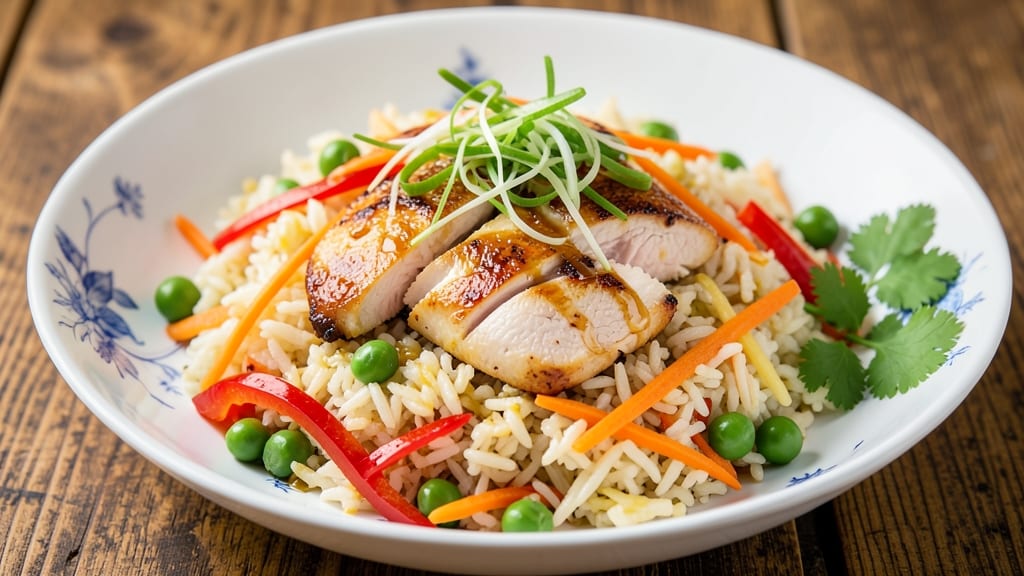
This chicken and veg fried rice recipe delivers the perfect balance of protein, vegetables, and perfectly cooked rice in one wok-heated dish. 🔥 The secret lies in high-heat stir-frying that locks in juicy chicken while keeping vegetables crisp-tender, all while achieving that signature wok hei aroma.
I've refined this technique over years of wok work, and it never fails to impress—whether you're feeding a family or meal prepping for the week.
The foundation starts with day-old rice, which absorbs flavors better and fries up perfectly without turning mushy. We'll use a combination of fresh vegetables—carrots, peas, and bell peppers—that stay vibrant through the cooking process, while the chicken gets marinated in a simple soy-ginger mixture for maximum flavor penetration.
The key is working quickly over high heat to maintain texture and prevent overcooking.
What you'll end up with is a restaurant-quality fried rice dish that's packed with savory, slightly sweet, and umami-rich flavors. The chicken remains juicy with a lightly seared exterior, the vegetables retain their crispness, and the rice develops a delicious toasted edge while staying tender inside.
This is the kind of meal that transforms simple ingredients into something truly satisfying.
Serve immediately for the best texture, or let it sit for 10 minutes if you prefer slightly cooler fried rice. The flavors only deepen as they rest, making this dish perfect for both weeknight dinners and weekend gatherings. Let's get cooking—this recipe is your new go-to for effortless, flavor-packed meals.
Ingredients for chicken and veg fried rice
Day-old rice, juicy chicken, and vibrant veggies transform into this restaurant-quality fried rice masterpiece.
| Ingredient | Amount | Notes |
|---|---|---|
| Day-Old Cooked White Rice 🍚 | 4 cups | Cold and slightly dry preferred |
| Boneless Chicken Breast 🍗 | 1 ½ lb | Cut into 1-inch cubes |
| Fresh Carrots 🥕 | 1 cup | Julienned or thinly sliced |
| Frozen Peas 🌿 | 1 cup | Thawed for even cooking |
| Red Bell Pepper 🌶️ | 1 whole | Diced into small pieces |
| Green Onions 🧅 | ½ cup | Sliced into 1-inch pieces |
| Soy Sauce 🍶 | ½ cup | Light or all-purpose preferred |
| Sesame Oil 🫒 | 1 tbsp | Toasted for aroma |
| Vegetable Oil 🫒 | 4 tbsp | High smoke point preferred |
| Fresh Ginger 🌿 | 1 tbsp | Grated finely |
| Large Eggs 🥚 | 2 whole | Beaten for scrambling |
| Garlic Cloves 🧄 | 4 cloves | Minced finely |
| Salt 🧂 | 1 tsp | Kosher or sea salt |
| Black Pepper 🌶️ | ½ tsp | Freshly ground |
| White Pepper 🌶️ | ¼ tsp | For subtle heat |
The rice is non-negotiable—day-old works magic by absorbing flavors like a sponge. Jasmine or long-grain white rice are ideal, but any leftover rice will do. For the chicken, boneless breast is leaner and stays juicier than thigh, but thighs work if you want richer flavor. Cut it into even 1-inch cubes so it cooks uniformly. The carrots? Julienne them yourself—store-bought pre-sliced gets soggy. Fresh ginger and garlic are essential here—they’re the secret to that wok hei aroma. Trader Joe’s sells pre-grated ginger if you’re short on time, but fresh is always better.
No fresh ginger? Dried powdered ginger at half the amount works in a pinch, but it lacks depth. Swap bell peppers for broccoli or snap peas if you prefer different textures. The soy sauce can be low-sodium if you’re watching salt, but add an extra pinch of salt at the end. Eggs add richness—scrambled in last for perfect texture. For extra protein, toss in tofu or shrimp alongside the chicken. The frozen peas? Thaw them in cold water before adding to keep them bright and crisp.
This dish is best served immediately, but if you must reheat, low heat in a wok or skillet with a splash of water to steam. Keeps for 3 days in the fridge in an airtight container, but texture suffers after day two. Freezes beautifully for up to 3 months—portion into single servings before freezing. Pro tip: Line a container with parchment paper to prevent sticking. The flavors only get better as they meld, making this perfect for meal prep.
Why You'll Love This Recipe
- No-Chop Night: I swear by this trick—just dice the bell pepper and carrots once at the start of the week. Toss them in the fridge until you’re ready. The chicken? Toss it in the pan raw, and it shreds perfectly while the rice toasts. That’s 10 minutes saved, every time.
- Umami Bomb: The secret’s in the sauce—soy sauce, a splash of oyster sauce (or hoisin if you’re avoiding it), and a quick stir-fry with garlic and ginger. That crispy chicken mixed with the sweet bell pepper and frozen peas? The texture contrast alone makes it ridiculous.
- Lunchbox Hero: Between us, this is my go-to for meal prep. Double the batch on Sunday, and you’ve got three days of packed lunches. The peas stay bright, the chicken stays tender, and the rice? Always perfect. No sad, soggy leftovers here.
- Pocketbook Win: Fresh carrots, frozen peas, and chicken breast stretch this recipe far. I feed four people for under $10, and it’s still hearty enough that no one complains. Honestly, it’s the kind of dish that makes grocery night feel like a victory.
Step-by-step instructions for chicken and vegetable fried rice
Here's how to transform simple ingredients into restaurant-quality fried rice with perfect texture and bold flavors.
🍳 Step 1: Prep the Protein and Veggies for Maximum Flavor
First, cut the 1.5 lb boneless chicken breast into 1-inch cubes—this size ensures even cooking and quick absorption of flavors. Pat them dry with paper towels to remove any moisture, which helps them sear beautifully later.
Next, prep all your vegetables: julienne or thinly slice the 1 cup fresh carrots, dice the 1 whole red bell pepper into small pieces, and slice the 0.5 cup green onions into 1-inch pieces. For the 1 cup frozen peas, thaw them completely for even cooking—just spread them on a plate and let them sit while you work. The 1 tbsp fresh ginger should be grated finely, and the 4 cloves garlic should be minced until you can barely see the pieces.
Here's the thing—don't skip the thawing step for the peas. Frozen peas release moisture unevenly, which can make your fried rice soggy. And when you slice the green onions, save the white parts for the final garnish—they add a fresh pop of color and crunch.
🔥 Step 2: Sear the Chicken and Scramble the Eggs
Heat 2 tablespoons vegetable oil in a wok or large skillet over medium-high heat until shimmering. Add the chicken cubes in a single layer and let them sear undisturbed for 3-4 minutes until they develop a golden-brown crust. This step is crucial—it locks in juices and builds deep flavor. Once browned, remove the chicken and set it aside on a plate.
In the same pan, add the remaining 2 tablespoons vegetable oil and swirl to coat. Pour in the 2 whole large eggs that have been beaten in a bowl with 0.5 tsp black pepper and 0.25 tsp white pepper. Scramble quickly over medium heat until just set—you want soft, creamy curds, not dry scrambled eggs. Remove and set aside with the chicken.
Don't walk away during this step. Eggs go from perfect to rubbery in seconds, and you want that silky texture that blends seamlessly into the fried rice. The white pepper adds a subtle, earthy warmth that complements the soy sauce perfectly.
🍳 Step 3: Stir-Fry the Aromatics and Veggies
Add another 1 tablespoon vegetable oil to the pan and set it over high heat. Toss in the 4 cloves minced garlic and 1 tbsp finely grated ginger, stirring for 30 seconds until fragrant—you should smell that pungent, fresh aroma. This is where the magic happens; don't let the garlic burn.
Next, add the 1 cup julienned carrots and 1 cup diced red bell pepper. Stir-fry for 2-3 minutes until the carrots soften slightly but still retain a bit of crunch. Add the 1 cup thawed frozen peas and cook for another 1 minute—they'll finish cooking in the final step. The veggies should be vibrant and bright, not mushy.
Here's a pro tip: Work quickly but don't rush. The vegetables should cook just until tender-crisp, which happens faster over high heat. If your pan isn't hot enough, you'll end up with limp, sad veggies instead of the perfect texture we're after.
🥘 Step 4: Combine Everything and Cook to Perfection
Push the vegetables to one side of the pan and add the remaining 1 tablespoon vegetable oil. Scatter the 4 cups day-old cooked white rice evenly over the oil, breaking up any clumps with your spatula. Stir-fry for 2-3 minutes, letting the rice absorb the oil and heat through.
Pour in the 0.5 cup soy sauce and the 1 tbsp toasted sesame oil, then add the chicken and scrambled eggs back to the pan. Toss everything together vigorously for 3-4 minutes until the rice is heated through and coated in the sauce. The rice should be hot, the chicken should be juicy, and the veggies should still have a little bite.
This is the moment that matters: Taste and adjust seasoning. If it needs more salt, add a pinch of the 1 tsp salt you've set aside. If the flavors seem muted, a splash of water or a little more soy sauce can brighten things up. The dish should be savory, slightly umami, and perfectly balanced.
🍽️ Step 5: Finish with Green Onions and Serve Immediately
Turn off the heat and stir in the 0.5 cup sliced green onions, reserving a few slices for garnish. The green onions add a fresh, bright contrast to the rich, savory fried rice. Transfer the dish to a serving platter and garnish with the reserved green onion slices for that restaurant-quality presentation.
Serve immediately while everything is steaming hot. The rice should be slightly sticky but not mushy, the chicken should be tender and juicy, and the veggies should add a satisfying crunch. Each bite should deliver a perfect harmony of textures and flavors—creamy eggs, tender chicken, crisp veggies, and that irresistible wok-hei (breath of the wok) aroma.
Real talk: This dish tastes even better the next day when the flavors have had time to meld. But trust me, it's hard to wait when it smells this amazing fresh out of the pan.
Pro Tips For Making Chicken And Veg Fried Rice
- PREP CHICKEN IN BITE-SIZED PIECES: I used to slice chicken breast thinly, but it turned to mush when stir-frying. Cut it into 1-inch cubes first, then slice each cube into two thin strips—this keeps it tender but holds its shape. (Yes, it’s extra work, but your rice won’t be swimming in shredded chicken.)
- USE DRY RICE FROM THE FRIDGE: Cold, dry rice from the fridge is your best friend here. Skip the fresh rice—it’s too moist and will turn mushy. Spread leftover rice on a tray and refrigerate for at least 30 minutes before using. This trick guarantees separate grains every time.
- STIR-FRY PEAS LAST: Frozen peas might look convenient, but they’re the worst for soaking up oil. Toss them in only in the final 30 seconds of cooking—they’ll stay bright green and crisp instead of turning into a sad, soggy mess. (I learned this after one particularly gloomy batch.)
- BURNOFF THE AROMA: After cooking the chicken, let it sit in the wok for 30 seconds—it’ll release fat and deepen the flavor. Then remove it and crank the heat to high before adding the veggies. This step makes a real difference in how rich the final dish tastes. (It’s not just about flavor; it’s about confidence.)
Dietary considerations for this chicken and veg fried rice
Gluten-Free Adaptations
This fried rice is naturally gluten-free if you use a certified gluten-free soy sauce like Kikkoman Gluten-Free Tamari. Swap regular soy sauce for ½ cup tamari and check all other ingredients for hidden gluten—like vegetable broth or seasoning blends.
I always double-check my Trader Joe's frozen peas and rice packages for cross-contamination warnings. 🌱
Vegetarian Options
Skip the chicken and add 1 cup extra-firm tofu (pressed and cubed) or ½ lb shrimp for protein. Tofu absorbs flavors well—marinate it in 2 tbsp soy sauce + 1 tbsp sesame oil for 15 minutes before cooking.
For shrimp, toss with 1 tsp garlic powder + ½ tsp paprika and sear until pink. I love adding mushrooms (like shiitake or cremini) for umami depth.
Low-Carb Swaps
Replace rice with cauliflower rice (fresh or frozen) for a low-carb version. Use 4 cups cauliflower rice and stir-fry it for 3-4 minutes until tender. Add an extra 1 tbsp vegetable oil to prevent sticking.
For extra satisfaction, top with crispy bacon bits or fried shallots. I’ve found Trader Joe’s pre-riced cauliflower works best—just don’t overcook it!
Allergen-Friendly Adjustments
For egg-free fried rice, omit the eggs entirely or replace them with 2 tbsp nutritional yeast for a cheesy flavor. If sesame allergies are a concern, skip the sesame oil and use 1 tbsp neutral oil instead.
Always check labels—Kraft mayo (common in some recipes) contains sesame, so I avoid it when needed. For nut-free meals, ensure all ingredients (like soy sauce) are processed in nut-free facilities.
Spicy or Mild Versions
Add 1 tsp chili crisp or ½ tsp cayenne for heat, or keep it mild with 1 tsp extra ginger for brightness. For a sweet-spicy twist, stir in 1 tbsp hoisin sauce with the soy sauce.
I often keep a small bowl of sriracha on the table for customizable heat—everyone can adjust to their taste! 🌶️
Nutrition facts
Frequently asked questions
Can I use fresh rice instead of day-old rice for this recipe?
Fresh rice is too moist and will turn mushy when stir-fried. Day-old rice is ideal because it's slightly drier and absorbs flavors better. If you only have fresh rice, spread it on a baking sheet and refrigerate for at least 2 hours or freeze for 30 minutes to dry it out. This mimics the texture of day-old rice perfectly!
How do I prevent my fried rice from being soggy?
Soggy fried rice happens when too much moisture is added. Use day-old rice (never fresh), thaw frozen veggies completely before adding, and avoid overcrowding the pan. Cook in batches if needed, and always use a high-heat wok or skillet to evaporate excess moisture quickly. The key is speed—work fast once everything hits the pan!
Can I make this recipe with a regular skillet instead of a wok?
While a wok is ideal for its high heat and sloped sides, a large non-stick skillet works perfectly. Use medium-high to high heat and cook in smaller batches if needed. The secret is maintaining high heat—if your skillet isn't hot enough, the rice will steam instead of fry. A cast iron skillet is especially great for retaining heat!
What's the best way to reheat leftover fried rice?
Reheat in a wok or skillet over medium heat with a splash of water or broth to steam. Stir constantly for 2-3 minutes until hot through. Microwaving works in a pinch, but the texture suffers—it loses that crisp-tender quality. For best results, reheat only what you plan to eat immediately, as fried rice reheats best fresh from the pan!
How can I add extra protein without changing the recipe?
Add ½ lb shrimp (peeled and deveined) or 1 cup firm tofu (pressed and cubed) alongside the chicken. For shrimp, cook them for 2-3 minutes until pink before adding to the rice. Tofu should be pan-fried until golden first. Both options add protein without altering the core technique—just adjust cooking times slightly for the extra ingredients!