
Main Courses
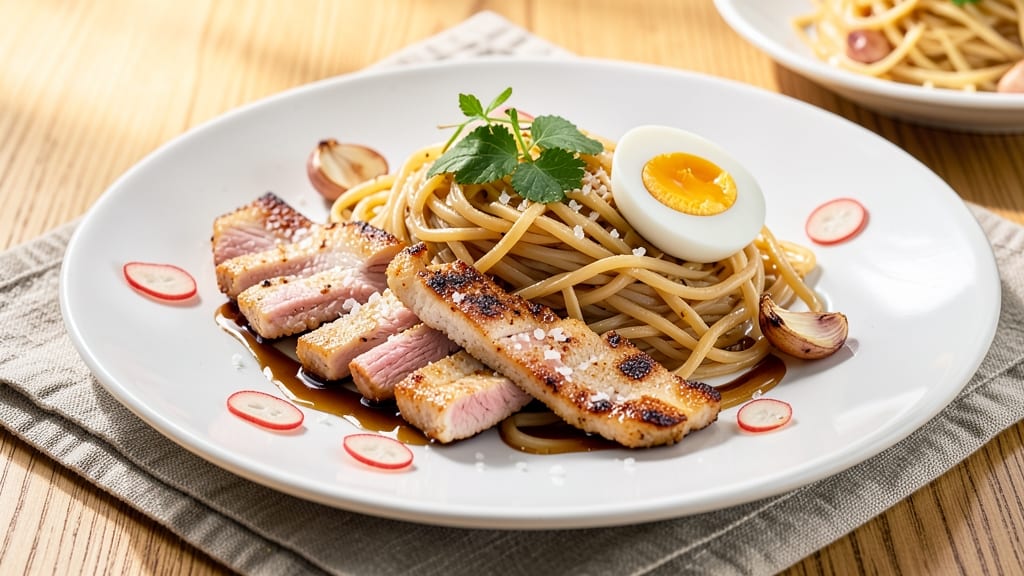
This chicken rice vermicelli noodles recipe transforms a simple wok toss into a restaurant-worthy meal with tender chicken and delicate egg ribbons. I developed this version after years of perfecting the balance between silky noodles and savory protein—no heavy sauces, just bright, aromatic flavors that shine.
The secret lies in quick-cooking the chicken just until tender and folding in those signature egg ribbons at the perfect moment.
The beauty of this dish is its simplicity: thin rice noodles soak up the flavors while staying tender, and the chicken stays juicy thanks to a light soy-ginger marinade. What makes it special is the technique—high-heat stir-frying ensures crisp edges on the noodles while keeping the chicken perfectly cooked through.
The egg ribbons add a luxurious touch without overpowering the dish, creating a harmonious blend of textures and flavors.
By the time you finish assembling this dish, you'll have a vibrant, aromatic plate that's light enough for summer but satisfying enough for any meal. The silky egg ribbons glisten under the sauce, the noodles hold their shape, and the chicken remains juicy and flavorful.
It's the kind of meal that feels both comforting and exciting—elegant enough for guests but simple enough for weeknights.
Serve it with a sprinkle of fresh herbs, a squeeze of lime, and chili flakes for heat. Pair with pickled vegetables or a simple cucumber salad to balance the richness. This recipe delivers restaurant-quality results with minimal effort—let's get cooking!
Ingredients for chicken rice vermicelli noodles
Thin rice noodles, tender chicken, and silky egg ribbons—this dish balances delicate textures with bold flavors.
| Ingredient | Amount | Notes |
|---|---|---|
| Rice Vermicelli Noodles 🍜 | 8 oz | Uncooked, thin rice noodles |
| Boneless Chicken Breast 🍗 | 1 ½ lb | Thinly sliced, pounded even |
| Large Eggs 🥚 | 3 whole | Fresh, room temperature |
| Low-Sodium Soy Sauce 🥢 | 3 tbsp | For marinade and sauce |
| Fresh Ginger 🧄 | 2 tbsp | Finely grated, aromatic |
| Garlic Cloves 🧄 | 4 cloves | Minced, fresh preferred |
| Vegetable Oil 🫒 | 3 tbsp | High smoke point |
| Lime Juice 🍋 | 2 tbsp | Freshly squeezed |
| Fish Sauce 🍶 | 1 tbsp | For umami depth |
| Green Onions 🧅 | ½ cup | Thinly sliced, white/green parts |
| Fresh Thai Basil 🌿 | ¼ cup | Or regular basil if unavailable |
| Red Chili Flakes 🌶️ | ½ tsp | Adjust to taste |
| Salt 🧂 | ½ tsp | Kosher or sea salt |
| White Pepper 🌶️ | ¼ tsp | Freshly ground |
The rice vermicelli is the foundation—look for thin, dry strands at Asian markets or the international aisle. Mama brand or Golden Gate are reliable choices. Soak the noodles in warm water for 10-15 minutes until pliable but still slightly firm; over-soaking makes them mushy. The chicken should be pounded to even 1/4-inch thickness for consistent cooking—thicker pieces stay tough. Fresh Thai basil makes all the difference, but regular basil works in a pinch (just double the amount).
No fish sauce? Soy sauce plus a pinch of sugar mimics the umami, though it won't be identical. Substitute lime zest for lime juice if you're out, but the acidity is key for brightness. For the egg ribbons, whisk eggs until frothy—they should be just thick enough to hold their shape when poured. The marinade (soy, ginger, garlic) works best if the chicken sits for 15-20 minutes before cooking, but even 5 minutes helps. If you can't find Thai basil, cilantro or mint add a different but still vibrant note.
Prep the noodles and marinade first—they need time to soak and infuse. Store dry noodles in an airtight container for up to 6 months; cooked noodles keep for 3 days in the fridge but get gummy. The chicken marinade can be prepped a day ahead and stored in the fridge. For leftovers, reheat gently with a splash of water to prevent drying. The egg ribbons are best made fresh, but you can pre-whisk the eggs and store them for up to 4 hours in the fridge.
Why You'll Love This Recipe
- 20-Minute Prep: I swear by this recipe when I’m starving but don’t want to slave over dinner. Just slice the chicken into thin strips (no fancy knife skills needed), soak the noodles while you cook, and toss everything together—no waiting for sauces to thicken or chopping mountains of veggies.
- Ginger-Soy Magic: That little knob of fresh ginger and splash of low-sodium soy sauce? Pure flavor alchemy. The ginger brightens the dish while the soy gives it this addictive umami punch—like a lighter, fresher take on takeout, but way better.
- Lunchbox Hero: Between us, this is my go-to for meal prep. Cook a big batch of chicken, store it separately, and assemble with cold noodles when you’re ready. Pack it in a bento box, and suddenly you’ve got a satisfying, protein-packed lunch that doesn’t taste like sad office food.
- Budget Win: Chicken breast and rice noodles stretch for miles, and you’re not drowning in expensive ingredients. Plus, the leftovers reheat like a dream—just add a splash of water to revive the noodles, and you’ve got dinner again tomorrow. (Yes, even on a Tuesday night.)
Step-by-step instructions for chicken rice vermicelli noodles
Master this lightened-up wok toss with tender chicken and silky egg ribbons in just minutes.
Prepare the Chicken and Marinate
Begin by slicing the 1.5 lb boneless chicken breast into thin, even strips about ¼-inch thick. Place them between two sheets of plastic wrap and pound gently with a meat mallet or rolling pin to ensure uniform thickness. This prevents uneven cooking later.
In a bowl, combine 2 tablespoons low-sodium soy sauce, 1 tablespoon fish sauce, and 1 tablespoon lime juice. Add the pounded chicken strips and toss to coat evenly. Let the marinade penetrate the meat for at least 15 minutes—this ensures maximum flavor absorption. While waiting, finely grate the 2 tablespoons fresh ginger and mince the 4 cloves garlic for the next step.
Cook the Vermicelli Noodles
Bring a large pot of water to a gentle boil and add the 8 oz rice vermicelli noodles. These delicate noodles cook in just 3-4 minutes—watch closely as they turn translucent and slightly swollen. Drain immediately in a colander and rinse briefly under cold water to stop the cooking process. This prevents them from becoming mushy when tossed later.
While the noodles drain, prepare a large wok or skillet over medium-high heat. Add 2 tablespoons vegetable oil and let it heat until shimmering but not smoking. This high-heat step is crucial for creating the signature wok hei flavor that carries through the dish.
Sear the Chicken and Aromatics
Working in batches if needed, add the marinated chicken to the hot wok. Cook undisturbed for 1-2 minutes until the edges turn golden brown and the chicken releases easily from the pan. This searing step builds flavor and texture. Remove the chicken and set aside on a plate.
In the same wok, add the remaining 1 tablespoon vegetable oil and swirl to coat. Add the grated ginger and minced garlic, cooking for 30 seconds until fragrant. Be careful not to burn the garlic—it should smell sweet and nutty, not bitter. This aromatic base forms the flavor foundation for the entire dish.
Create Silky Egg Ribbons
Crack the 3 whole large eggs into a bowl and whisk vigorously until the yolks and whites are fully combined. The mixture should be uniform with no streaks of yellow. Heat the wok over medium-low heat and add 1 tablespoon vegetable oil, swirling to coat.
Pour the egg mixture into the wok, immediately tilting the pan to spread the eggs evenly into thin ribbons. Cook for 20-30 seconds until the edges begin to set but the center remains slightly runny. This creates the signature silky texture that contrasts beautifully with the chewy noodles and tender chicken.
Combine and Finish
Return the chicken to the wok along with the cooked vermicelli noodles. Add 0.5 teaspoon salt, 0.25 teaspoon white pepper, and 0.5 teaspoon red chili flakes to taste. Toss everything together vigorously for 1 minute until the noodles are evenly coated and heated through.
Stir in the 0.5 cup sliced green onions and 0.25 cup chopped fresh Thai basil. The basil should be added at the very end to preserve its vibrant color and fresh aroma. Taste and adjust seasoning if needed—you might want to add a splash more lime juice for brightness or a touch of soy sauce for saltiness. Serve immediately while hot, garnished with additional basil and green onions if desired.
Pro Tips For Making Chicken Rice Vermicelli Noodles
- SOAK NOODLES SEPARATELY: I learned this the hard way—dumping them all in one bowl and forgetting about them while you cook the chicken. Instead, divide the vermicelli into two bowls and soak them in warm (not boiling) water for 5-7 minutes. The outer strands take longer to soften, and you’ll end up with a mushy mess if you’re not careful. Trust me, check them at 5 minutes first.
- CUT CHICKEN THIN: Thick slices mean chewy chicken in your noodles. Pound your boneless breast to an even ¼-inch thickness before slicing into thin strips—about ¼-inch wide. This ensures they cook fast and stay tender, especially when stir-frying. (Yes, even if you’re impatient like me.)
- GINGER MATTERS: Skip the pre-grated jar—it’s bland and watery. Use a microplane or knife to finely mince fresh ginger, then let it sit in the soy sauce for 10 minutes before cooking. This pulls out the flavor and prevents it from turning bitter. My grandmother swore by this, and she was right: the aroma is what makes this dish sing.
- STIR-FRY IN BATCHES: Crowd the pan and you’ll steam the chicken instead of sear it. Cook the chicken in two batches over medium-high heat with just enough oil to coat the pan. By the time you add the eggs and noodles, the chicken will be golden and crisp, not soggy. (Your future self will thank you.)
Pro cooking tips for great chicken rice vermicelli noodles
High-Heat Wok Mastery
Your wok needs to be screaming hot before adding oil—this creates the signature wok hei (breath of the wok) that carries aromatic flavors throughout the dish.
I use a 14-inch carbon steel wok on my gas burner set to high heat—wait until the wok is so hot that droplets of water sizzle and evaporate instantly. This high heat sears the chicken beautifully and prevents the noodles from turning mushy when tossed. 🔥
Perfect Egg Ribbon Technique
The secret to silky egg ribbons lies in the temperature and timing. Heat your wok to medium-low—too high and the eggs cook unevenly, too low and they turn rubbery.
Whisk the eggs until completely frothy (no streaks!), then pour them in while tilting the wok to spread them thin. Cook for exactly 20-30 seconds—they should look glossy with just a hint of set at the edges.
I've ruined more egg ribbons than I'll admit by overcooking, so set a timer!
Noodle Soaking Science
Rice vermicelli needs just enough soaking to soften but not enough to turn into mush. Use warm (not boiling) water—I fill a bowl with hot tap water and let it sit for 2 minutes before adding the noodles.
Soak for 10-15 minutes—they're ready when they're pliable but still hold their shape. Drain immediately and rinse with cold water for 10 seconds to stop cooking. This prevents that dreaded gummy texture when tossed.
Marinade Timing Matters
Don't skip the marinade time—even 15 minutes—is crucial for flavor penetration. The acidity from lime juice and fish sauce breaks down the chicken fibers, making it more tender. I like to marinate in the fridge if I have time, but room temperature works too.
Pro tip: Add ½ teaspoon sugar—it helps caramelize the edges during searing for extra flavor. The chicken should absorb the marinade completely before cooking.
Batch Cooking Chicken
Working in batches prevents overcrowding, which steams instead of sears the chicken. My wok holds about ½ lb chicken at a time—any more and the temperature drops, leading to soggy results.
Cook each batch until golden brown on all sides (about 1-2 minutes per side), then set aside on a wire rack to keep it crisp. This two-stage cooking method ensures juicy chicken that stays tender even after tossing with noodles. ✨
Fresh Herbs at the End
Adding fresh herbs at the very last minute preserves their vibrant color and bright flavor. I always stir in Thai basil and green onions—their peppery notes cut through the richness of the dish.
For extra aroma, gently warm the herbs in the wok for 10 seconds—**just enough to release their essential oils without cooking them. This final step elevates the dish from good to restaurant-quality in seconds.
Nutrition facts
Frequently asked questions
Can I substitute chicken thighs for breasts in this recipe?
Yes, but adjust the cooking time! Chicken thighs stay juicier and cook faster than breasts, so aim for 1 minute per side until golden brown. They'll be more flavorful but slightly richer—balance with extra lime juice or herbs. For best results, trim excess fat to prevent splattering.
How do I prevent the vermicelli noodles from turning mushy?
Use warm (not boiling) water for soaking and limit time to 10-15 minutes. Drain immediately and rinse with cold water for 10 seconds to stop cooking. Toss them with oil right after draining to create a protective barrier. Over-soaking is the #1 cause of gummy noodles!
What's the best way to reheat leftovers?
Add 1 tablespoon water per serving to the wok with leftovers and cover for 1-2 minutes on medium heat. Stir gently to redistribute the sauce. Avoid microwaving—it makes the noodles rubbery. For extra crispiness, sear chicken separately before combining with noodles.
Can I make this dish ahead of time?
Prep everything except the egg ribbons up to 2 days ahead: marinate chicken, soak noodles (rinse and store in fridge in a sealed container), and mix sauces. Cook chicken and noodles separately, then refrigerate. Reheat components separately and add fresh egg ribbons when serving. The flavors develop beautifully overnight!
What if I don't have Thai basil?
Use double the amount of regular basil or substitute with cilantro or mint for a different but still vibrant flavor. For a more savory note, try Italian parsley. The key is adding herbs at the very end to preserve their freshness. Thai basil's anise-like flavor is special, but these alternatives work well!