
Main Courses
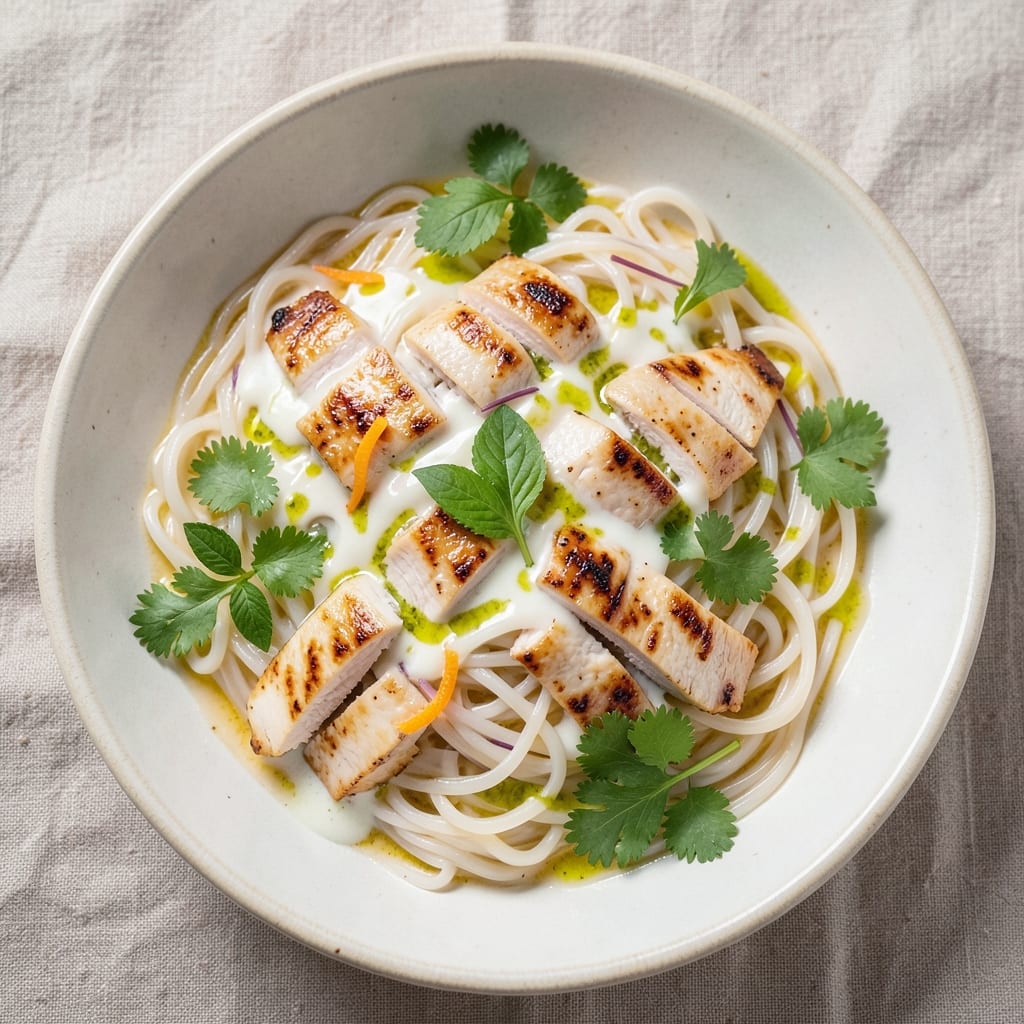
A taste of Thai vermicelli rice noodles brings a burst of coconut-lime zing to your table in just 20 minutes. This recipe captures the essence of street-side Thai cuisine with tender rice noodles, savory chicken, and a fragrant sauce that balances sweet, tangy, and spicy notes perfectly. The secret lies in stir-frying the noodles just enough to soften them while keeping them chewy, then tossing them with a sauce that’s rich from coconut milk but brightened with lime and fish sauce.
What sets this dish apart is the harmony of flavors—each component plays its part. The chicken is marinated in a simple garlic-shallot mixture and cooked until tender, while the sauce simmers with palm sugar to caramelize slightly, creating depth. Fresh Thai basil and cilantro add aromatic freshness, and a squeeze of lime right before serving ensures that vibrant zing. This isn’t just a noodle dish; it’s a restaurant-quality experience you can recreate at home.
The process is straightforward but packed with technique: high-heat stir-frying for the noodles to avoid mushiness, careful balancing of the sauce ingredients, and proper garnishing to elevate the dish. You’ll end up with a plate of noodles that’s golden, fragrant, and irresistibly flavorful, perfect for a quick weeknight dinner or a weekend meal with friends. Every bite delivers that perfect mix of textures and flavors that makes Thai street food so beloved.
Serve it with extra lime wedges on the side and a sprinkle of sesame seeds for crunch. This recipe is designed to impress without being complicated—ideal for anyone looking to bring a taste of Thailand to their kitchen. Let’s get cooking!
Ingredients for a taste of thai vermicelli rice noodles
Eight ounces of noodles, a splash of coconut milk, and Thai basil make this dish shine.
| Ingredient | Amount | Notes |
|---|---|---|
| Vermicelli Rice Noodles 🍜 | 8 oz | Fresh or dried, soaked per package |
| Boneless Chicken Breast 🍗 | 1 ½ lb | Thinly sliced, pounded even thickness |
| Coconut Milk 🥥 | 1 can | Full-fat, 13.5 oz can, unsweetened |
| Fresh Thai Basil Leaves 🌿 | 1 cup | Stems removed, loosely packed |
| Fresh Cilantro Leaves 🌿 | ½ cup | Chopped, for garnish |
| Lime Juice 🍋 | ¼ cup | Freshly squeezed, seeds removed |
| Fish Sauce 🍶 | 2 tbsp | Red Boat preferred for authenticity |
| Palm Sugar 🍚 | 2 tbsp | Or substitute brown sugar |
| Garlic Cloves 🧄 | 6 cloves | Minced, for sauce |
| Shallots 🧅 | 3 whole | Thinly sliced, for aromatics |
| Vegetable Oil 🫒 | 2 tbsp | For stir-frying protein |
| Red Chili Flakes 🌶️ | 1 tsp | Adjust for spice preference |
| Salt 🧂 | 1 tsp | Diamond Crystal kosher salt |
| Black Pepper 🌶️ | ½ tsp | Freshly ground |
| Sesame Seeds 🌱 | 1 tbsp | Toasted, for garnish |
The Thai basil is non-negotiable here—Asian markets have the best selection, but Trader Joe's carries a solid frozen version in a pinch (thaw and drain well). Look for bright green leaves, not wilted or yellowing. Coconut milk matters too: full-fat, unsweetened gives that creamy texture. I always grab Thai Kitchen brand at the regular grocery store—it's affordable and consistent. The fish sauce? Red Boat is worth the splurge for that authentic umami punch, but Three Crabs works in a budget pinch. Palm sugar adds that caramel depth, but light brown sugar in a 1:1 swap gets you close if you're fresh out.
No Thai basil? Fresh basil plus a pinch of lemongrass paste (find it in the Asian aisle) mimics the vibe. Short on fish sauce? Soy sauce plus a splash of vinegar works, but you'll lose that funky depth. The noodles can be fresh or dried—just soak dried ones for 10-12 minutes until pliable, not mushy. Chicken too tough? Pound it to even thickness before cooking. For extra protein, swap in shrimp or tofu, but sear them first—they crisp up beautifully and hold their shape better than chicken in this dish.
This sauce keeps 5 days in the fridge, but the noodles? Best eaten fresh. Store sauce separately in a sealed jar with a thin layer of oil on top to preserve freshness. Garnishes like cilantro and sesame seeds can be added fresh when serving—cilantro wilts fast, so wait until the last minute. The dish reheats beautifully, but textures change slightly. For meal prep, cook the protein and sauce separately, then toss with noodles when ready to eat. Leftovers? 3 days max in the fridge—after that, the noodles get gummy.
Why You'll Love This Recipe
- No-Soaking Needed: The vermicelli here soak up sauce like a dream—just a quick rinse and they’re ready. Honestly, I’ve burned more rice than I’d admit, but these noodles? Five minutes in hot water and they’re perfect every time.
- Creamy-Crisp Magic: That coconut milk and chicken combo delivers the best of both worlds: tender, juicy protein with a velvety sauce that clings to the noodles. The basil and cilantro? They turn it from good to "why didn’t I make this sooner."
- Lunchbox Hero: Pack it cold or reheat it—this dish holds up beautifully. Between us, I’ve sent it to work, school lunches, and even picnics with zero complaints. The noodles stay al dente, and the flavors only get better as it sits.
- Budget-Friendly Feast: Chicken breast is affordable, coconut milk stretches far, and fresh herbs add freshness without breaking the bank. I’ll be real: my grocery bill for this recipe is half what it’d be for takeout, but the taste? Night and day.
Step-by-step instructions for coconut-lime Thai vermicelli noodles
This vibrant Thai dish comes together faster than you'd expect—bright, aromatic, and perfectly balanced.
Prepare the Vermicelli Noodles
Fill a large bowl with hot water and add the 8 oz vermicelli rice noodles. Let them soak for 8-10 minutes until pliable but still slightly firm to the touch. Drain immediately and rinse under cold water to stop cooking. This prevents mushy texture while keeping them tender. Keep the noodles covered with a damp towel to prevent drying out.
Real talk: If you're using dried noodles, check the package for soaking time—some brands vary. The noodles should separate easily when pressed between fingers but still hold shape. Over-soaking leads to gummy noodles, so don't walk away during this step.
Cook the Chicken and Aromatics
Heat 2 tablespoons vegetable oil in a large skillet over medium-high heat. Add the 1.5 lb boneless chicken breast, sliced into thin strips, and cook for 3-4 minutes until the edges turn light golden and the chicken is no longer pink in the center. Remove and set aside.
In the same skillet, add the 3 whole shallots (thinly sliced) and 6 cloves garlic (minced). Cook for 1-2 minutes until the shallots soften and become translucent. Stir in 1 teaspoon red chili flakes and cook for 30 seconds until fragrant. This aromatic base forms the flavor foundation of the dish.
Build the Coconut-Lime Sauce
Pour in the 1 can coconut milk and bring to a gentle simmer over medium heat. Stir in 2 tablespoons palm sugar, 2 tablespoons fish sauce, and 0.25 cup lime juice. Let the sauce simmer for 3-4 minutes until slightly thickened—it should coat the back of a spoon but still be pourable.
Here's the thing—taste the sauce at this stage. It should balance sweet, salty, and tangy flavors. If it's too bland, add another ½ teaspoon fish sauce. If it's too sharp, stir in ½ teaspoon palm sugar. The sauce should be vibrant but not overpowering.
Assemble the Noodles
Return the cooked chicken to the skillet with the sauce and stir to combine. Add the drained vermicelli rice noodles and toss gently to coat evenly. Cook for 1-2 minutes until the noodles are heated through and the sauce clings to them. The dish should look glossy and inviting.
Remove from heat and fold in 1 cup fresh Thai basil leaves and 0.5 cup fresh cilantro leaves. The herbs should wilt slightly but remain vibrant. This is where the dish comes alive with fresh, bright flavors. If the noodles seem dry, add 1-2 tablespoons water to loosen the sauce.
Finish and Serve
Divide the noodles among 4 plates and garnish each serving with 1 tablespoon toasted sesame seeds. Sprinkle with a pinch of salt and 0.5 teaspoon black pepper to enhance the flavors. Serve immediately while the noodles are hot and the sauce is silky.
Each bite should deliver a perfect harmony of creamy coconut, zesty lime, aromatic herbs, and tender chicken. The noodles should be al dente with a glossy coating of sauce. For extra authenticity, serve with a side of fresh cucumber slices or a simple green salad to cut through the richness.
Pro Tips For Making A Taste Of Thai Vermicelli Rice Noodles
- SOAK NOODLES UNTIL THEY’RE SLIPPERY: I used to eyeball the water and end up with either mushy or chewy noodles—both crimes. Fill a bowl with room-temperature water (not hot, not cold) and let them sit for 8-10 minutes until they’re soft but still hold shape when drained. Drain, rinse briefly with cold water, and shock them in an ice bath for 30 seconds to stop cooking. This keeps them tender but prevents the sad, limp texture that ruins the dish.
- SEAR CHICKEN IN BATCHES: Crowding the pan turns your chicken into a sad, steamed block instead of crispy, golden pieces. Cut the breast into 1-inch strips (thinner than you think) and cook in two batches over medium-high heat with 1 tablespoon oil per batch. Don’t rush—wait until the oil shimmers before adding the chicken, or you’ll end up with gray, rubbery meat.
- STRAIN COCONUT MILK LIKE A BOSS: The canned stuff is convenient, but the sediment at the bottom? That’s where the flavor hides. After simmering coconut milk for sauces, strain it through a fine-mesh sieve (or even cheesecloth) into a clean bowl. Discard the thick pulp—it’s bitter and gummy. This keeps your sauce silky, not gritty, and makes the basil and cilantro shine instead of fighting for attention.
- SALT THE NOODLES AFTER DRAINING: I learned this the hard way—salting the noodles in the soaking water makes them absorb too much, turning them mushy. Instead, toss them with ½ teaspoon salt per serving after draining and rinsing, while they’re still warm. The heat helps the salt cling, and you’ll get that perfect balance of seasoning without the texture disaster. (Yes, even if you’re impatient like me.)
Pro cooking tips for this dish
Noodle Soaking Secrets
Soaking vermicelli rice noodles is an art—too long and they turn mushy, too short and they stay tough. I swear by the 8-10 minute window in hot water, then an immediate cold water rinse to lock in that perfect al dente texture. Pro tip: Use a fine-mesh strainer to drain them completely, then toss with a splash of oil to prevent sticking while you finish the dish. 💫
Protein Prep Matters
Thinly sliced chicken should be evenly pounded to ¼-inch thickness before cooking—this ensures it cooks uniformly in just 3-4 minutes over medium-high heat. I like to use a rolling pin wrapped in plastic wrap for this step. For extra flavor, marinate the chicken in 1 tbsp fish sauce and 1 tbsp lime juice for 15 minutes before cooking.
Sauce Balance Magic
The sauce is where this dish shines, and it's all about that perfect balance of sweet, salty, and tangy. After simmering, always taste and adjust—I usually need ½ tsp more fish sauce or ½ tsp more palm sugar to get it right. For a smoother sauce, blend the coconut milk with 1 tbsp lime juice and 1 tsp fish sauce before adding to the pan. This creates a silky texture that coats the noodles beautifully.
Herb Timing Trick
Adding fresh herbs at the very end is crucial—they should just wilt slightly but still retain their vibrant color. I fold in Thai basil and cilantro off the heat to preserve their bright flavors. For an extra pop of color, add a few Thai basil stems to the sauce while simmering—they'll infuse the liquid with their aromatic oils while keeping the leaves intact for garnishing.
Skillet Selection
Your choice of pan makes a difference. I recommend a 12-inch nonstick skillet for even heat distribution, but a well-seasoned cast iron works too. Avoid stainless steel—it can scorch the coconut milk and burn the shallots. If your skillet isn't large enough, cook the chicken in batches and set aside between additions to prevent overcrowding.
Make-Ahead Sauce Hack
Make the sauce up to 5 days ahead and store it in an airtight container with a thin layer of oil on top to preserve freshness. When ready to serve, simply reheat the sauce gently over low heat and toss with freshly cooked noodles and protein. This saves time on busy weeknights while keeping the flavors vibrant. Just
Nutrition facts
Frequently asked questions
Can I use dried vermicelli noodles instead of fresh?
Dried vermicelli noodles work perfectly—just soak them in hot water for 8-10 minutes until pliable but still firm. Drain immediately and rinse with cold water to stop cooking. The key is not to over-soak, or they'll turn mushy. Keep them covered with a damp towel while you finish the rest of the dish.
What if I don’t have Thai basil? Can I substitute?
Yes! Use regular fresh basil plus ½ teaspoon lemongrass paste (found in Asian markets) for a similar aroma. If you're completely out of options, cilantro alone will work, but the flavor will be less authentic. For a bold alternative, try holy basil (also called tulsi), which has a slightly spicier note.
How can I make this dish vegetarian?
Swap the chicken for firm tofu or extra-firm tofu, pressed and cubed. Pan-fry the tofu until golden and crispy before adding to the sauce. For extra protein, add 1 cup cooked shrimp or 12 oz mushrooms (like shiitake or oyster) for a meaty texture. Just be sure to cook them first—they hold up better than raw tofu in this dish.
Why does my sauce seem too thin or too thick?
If the sauce is too thin, simmer it uncovered for 1-2 extra minutes to reduce. For a thicker sauce, blend 1 tablespoon cornstarch with 2 tablespoons water, then stir it into the simmering sauce until it thickens. Too thick? Thin with 1-2 tablespoons warm water or coconut milk. Always taste as you go—the sauce should coat the back of a spoon but remain pourable.
Can I make this ahead of time for meal prep?
Yes, but with a few tweaks! Cook the protein and sauce separately, then store them in airtight containers in the fridge for up to 3 days. Reheat the sauce gently, then toss with freshly cooked noodles and herbs when serving. The noodles are best eaten fresh, but you can cook them ahead, rinse with cold water, and store them separately (covered) for 1 day. Reheat noodles in the sauce for 1-2 minutes to warm through.