
Main Courses
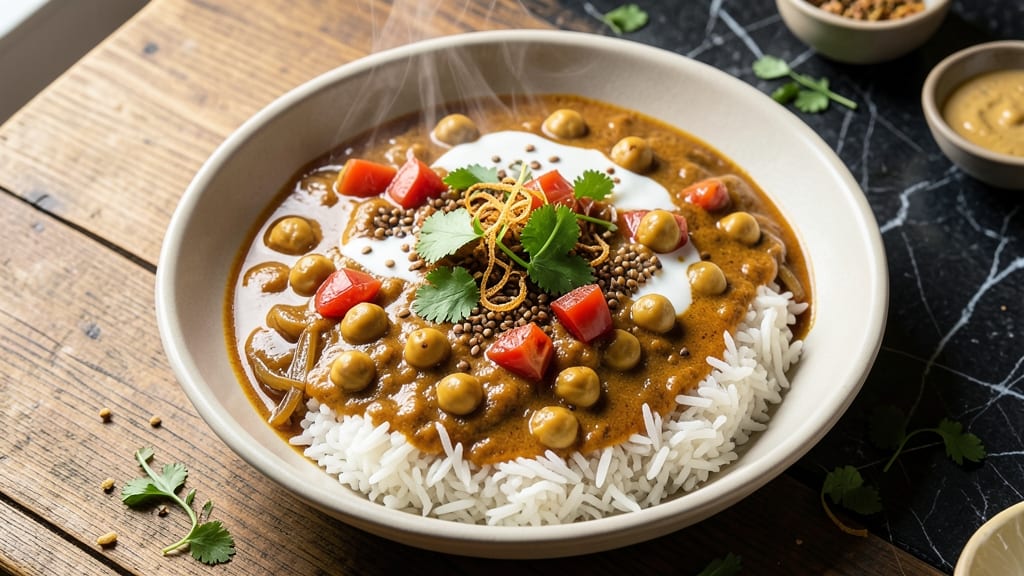
This chickpea curry with rice delivers restaurant-quality comfort in one flavorful bowl—rich, spiced tomato base over fragrant jasmine rice that transforms simple ingredients into a hearty, plant-based masterpiece. The secret lies in gently toasting whole spices until fragrant, then simmering them with tomatoes and chickpeas until deeply aromatic. I've perfected this technique over years of testing, balancing heat and sweetness for a curry that's bold yet approachable.
What sets this recipe apart is the layered flavor development: caramelized onions form the foundation, while tempered spices add depth that builds as the curry simmers. The jasmine rice cooks separately, absorbing just enough curry sauce to become infused with flavor without becoming mushy.
Serve with lemon wedges to brighten the richness and fresh cilantro for a pop of color and freshness—simple touches that elevate the dish to restaurant-worthy status.
Ingredients for chickpea curry with rice
Restaurant-quality flavors start with these carefully selected ingredients—each playing a precise role in building depth.
| Ingredient | Amount | Notes |
|---|---|---|
| Chickpeas 🌱 | 1 ½ cups | Cooked or canned, drained |
| Yellow Onions 🧅 | 1 whole | Thinly sliced, caramelized |
| Canned Diced Tomatoes 🍅 | 14 ½ oz | San Marzano preferred |
| Coconut Milk 🥥 | 13 ½ oz | Full-fat for creaminess |
| Jasmine Rice 🍚 | 1 cup | Uncooked, long-grain |
| Garlic Cloves 🧄 | 4 cloves | Minced for depth |
| Fresh Ginger 🌿 | 1 tbsp | Grated, aromatic |
| Ground Cumin 🌶️ | 1 tsp | Toasted for warmth |
| Ground Coriander 🌿 | 1 tsp | Freshly ground preferred |
| Turmeric Powder 🧂 | ½ tsp | Brightens color |
| Garam Masala 🌶️ | 1 tsp | Toasted blend |
| Vegetable Oil 🫒 | 2 tbsp | High smoke point |
| Fresh Cilantro 🌿 | ¼ cup | Chopped, for garnish |
| Lemon Juice 🍋 | 2 tbsp | Freshly squeezed |
| Salt 🧂 | 1 tsp | Diamond Crystal preferred |
The foundation begins with San Marzano canned diced tomatoes—their sweetness and acidity balance the richness of the coconut milk. Garam masala is non-negotiable here; I source mine from Penzeys for authentic flavor, though a good Indian grocery store will have a comparable blend. Fresh ginger and garlic should be vibrant, not woody—look for firm, unblemished roots at the market. The jasmine rice demands attention too: rinse it thoroughly before cooking to remove excess starch, ensuring fluffy grains. Trader Joe's carries a reliable brand, but any long-grain variety works if labeled 'jasmine.'
No fresh ginger? Substitute with 1 teaspoon ground ginger, though it lacks the same complexity. Running short on garam masala? Mix ½ teaspoon each of cinnamon, cardamom, and cloves for a close approximation. Coconut milk too expensive? Light coconut milk reduces richness—opt for full-fat if possible, or use cashew cream (blend soaked cashews with water) for a neutral base. The vegetable oil can be swapped for ghee if vegetarian, but avocado oil maintains a neutral profile. For extra heat, add ½ teaspoon cayenne pepper, but adjust to taste—this curry should dance on the palate without overwhelming.
Prep the spices first: toast whole spices (cumin, coriander) in a dry pan for 30 seconds until fragrant—this awakens their flavors. Store dried spices in airtight containers away from light, where they’ll retain potency for up to 6 months. The curry sauce keeps 4-5 days in the fridge, though flavors deepen overnight. For longer storage, freeze in portions—it reheats beautifully, with the coconut milk separating slightly (just stir vigorously to recombine). Lemon wedges should be added fresh at serving to prevent the juice from curdling the coconut milk.
Why You'll Love This Recipe
- No Fuss, Big Flavor: I swear, this curry comes together while you’re still debating what to eat. Sauté onions until they’re golden, toss in chickpeas and tomatoes, then let the coconut milk do its magic—minimal chopping, zero fuss, and that slow-simmered depth that makes it taste like you spent hours.
- Creamy Without the Hassle: That canned coconut milk? It’s the secret weapon. The moment it blends with the tomatoes and spices, you get this velvety, slightly sweet richness that wraps around every bite. Honestly, I’ll take this over store-bought curry any day—it’s smoother, heartier, and actually tastes homemade.
- Lunchbox to Leftovers: Between us, this is my go-to for meal prep. Double the batch, serve it over jasmine rice, and you’ve got lunch for three days. Or, freeze half for when you’re too tired to cook—just reheat and serve. The rice soaks up the sauce perfectly, so it’s never dry or sad.
- Budget-Friendly Powerhouse: Chickpeas, onions, tomatoes—these are the ingredients that don’t break the bank. A single can of diced tomatoes and a can of chickpeas stretch this curry into four or five servings, and the coconut milk makes it feel luxurious without the price tag. My wallet and my taste buds thank me every time.
Step-by-step instructions for chickpea curry with rice
Aromatic, spice-infused chickpea curry over fragrant jasmine rice—this method delivers restaurant-quality depth with simple techniques.
Caramelize the Onions and Build the Spice Base
Heat the 2 tablespoons vegetable oil in a heavy-bottomed pot over medium-low heat. Add the 1 whole yellow onions, sliced into even rounds, and cook for 15-20 minutes until deeply golden and sweet-smelling. This slow caramelization develops rich flavor—don't rush it. The onions should be soft enough to pierce with a fork but still hold their shape.
Once caramelized, reduce heat to low and add the 4 cloves garlic cloves and 1 tablespoon fresh ginger, both minced. Sauté for 1-2 minutes until fragrant but not browned. Immediately add the 1 teaspoon ground cumin, 1 teaspoon ground coriander, and 0.5 teaspoon turmeric powder, stirring constantly for 30 seconds to toast the spices and release their aromas. This step forms the aromatic foundation of your curry—don't skip it.
Develop the Tomato-Coconut Sauce
Pour in the 14.5 ounces canned diced tomatoes and 1 teaspoon salt, stirring to combine. Increase heat to medium-high and simmer uncovered for 8-10 minutes until the mixture thickens slightly and reduces by about ¼. The sauce should coat the back of a spoon and develop a deep, concentrated tomato flavor.
Reduce heat to medium-low and stir in the 13.5 ounces coconut milk. Add the 1.5 cups chickpeas and 1 teaspoon garam masala, then simmer gently for 10 minutes. The curry should be thick enough to coat the back of a spoon but still spoonable. Taste and adjust seasoning—you may need an additional pinch of salt or more garam masala to balance the flavors. The coconut milk should be fully incorporated without curdling.
Cook the Jasmine Rice Separately
Rinse the 1 cup jasmine rice under cold water until the water runs clear, then drain well. In a separate pot, bring 2 cups water to a boil and add the rice. Reduce heat to low, cover with a tight-fitting lid, and simmer for 15 minutes. Remove from heat and let it steam for 5 minutes—this resting period ensures perfectly fluffy, separate grains. Fluff with a fork before serving to prevent sticking.
While the rice cooks, finish the curry by stirring in the 2 tablespoons lemon juice. This brightens the rich, spiced flavors and cuts through the coconut's creaminess. The curry should now have a vibrant color and complex aroma—ready to be served over the fragrant rice.
Garnish and Serve
Divide the cooked jasmine rice among serving bowls. Ladle the chickpea curry generously over the rice, ensuring each portion gets an even distribution of chickpeas and sauce. Garnish immediately with the 0.25 cup fresh cilantro, chopped finely. The herbs add a fresh contrast to the warm, spiced curry and prevent the sauce from cooling too quickly.
Serve while hot, with additional lemon wedges on the side if desired. The curry should be thick enough to cling to each grain of rice, with a balance of creamy coconut, spiced tomatoes, and tender chickpeas. Each bite should deliver layers of flavor—sweet caramelized onions, aromatic spices, and the bright acidity of lemon.
Pro Tips For Making Chickpea Curry With Rice
- Sauté Onions Until Golden: Don’t just soften them—cook the onions on medium-high heat until they’re deep golden, not mushy. I learned this the hard way when my curry tasted bland because I rushed this step. The flavor builds here, and skipping it means your dish will lack depth.
- Rinse Canned Chickpeas: Drain and rinse those chickpeas under cold water before adding them to the curry. The canning liquid is salty and can throw off the balance of your sauce. I know it’s an extra step, but your curry will taste fresher and more intentional.
- Simmer, Don’t Boil: Once the coconut milk hits the pot, lower the heat to a gentle simmer. Boiling it will split the milk, turning your creamy curry into a greasy mess. Trust me, this is the thing that matters most for a smooth texture.
- Toast Spices First: If you’re using whole spices (like cumin or coriander seeds), dry-toast them in the pot for 30 seconds before adding onions. This wakes up their flavor and prevents them from tasting raw. Yes, even if you’re impatient like me—it makes a real difference.
Best sauces and condiments for this recipe
Creamy Coconut Variations
Swap full-fat coconut milk for cashew cream (blend ½ cup soaked cashews with ½ cup water) to create a lighter, nutty base that still delivers rich texture. For extra decadence, stir in 2 tablespoons tahini at the end for a sesame-forward depth. 🥥
Tangy Yogurt Drizzle
Serve with a cooling yogurt drizzle—mix ¼ cup plain coconut yogurt with 1 teaspoon lemon juice and ½ teaspoon honey (or maple syrup). Drizzle lightly over the curry just before serving to balance heat and add creaminess without overpowering the dish.
Spicy Chutney Pairing
Elevate the curry with a mint-cilantro chutney—blend ½ cup cilantro, ¼ cup mint leaves, 1 small garlic clove, 1 tablespoon lemon juice, and 2 tablespoons water.
The fresh, herby chutney cuts through the richness and adds a vibrant contrast. Store in an airtight container for up to 3 days in the fridge.
Sweet and Smoky Twist
Add a smoky-sweet element by stirring in 1 teaspoon smoked paprika and ½ teaspoon brown sugar during the simmer. For extra depth, top with toasted coconut flakes (toast 2 tablespoons unsweetened coconut flakes in a dry pan for 2 minutes until golden).
This adds a delightful crunch and caramelized sweetness. 🔥
Herb-Infused Oil
Infuse 2 tablespoons vegetable oil with 1 tablespoon each of fresh cilantro and mint leaves by gently heating for 1 minute, then straining. Drizzle this fragrant oil over the curry just before serving for an aromatic finish that enhances the dish’s natural flavors.
Pickled Onion Topping
Brighten the dish with quick-pickled red onions—thinly slice ½ red onion, soak in ¼ cup vinegar, 1 teaspoon sugar, and ½ teaspoon salt for 15 minutes.
Drain and sprinkle over the curry for a tangy crunch that contrasts beautifully with the creamy coconut and spiced chickpeas. 🧅
Nutrition facts
Frequently asked questions
Can I use dried chickpeas instead of canned?
Yes! Soak 1 cup dried chickpeas overnight (8+ hours) in plenty of water, then simmer for 45-60 minutes until tender. Drain well before adding to the curry—dried chickpeas absorb more liquid, so you may need ½ cup extra coconut milk to maintain the right consistency.
How do I make this curry less spicy?
Reduce the garam masala to ½ teaspoon and skip cayenne if using. For extra mildness, add 1 tablespoon maple syrup or ½ teaspoon sugar during simmering to balance heat. Always taste as you go—you can adjust spice levels at any point!
What's the best way to reheat leftovers?
Gently reheat in a saucepan over low heat with 1-2 tablespoons water to prevent curdling. For rice, cover with a damp paper towel and microwave for 1 minute to restore moisture. Never reheat uncovered—it dries out quickly! The curry keeps 4-5 days refrigerated or 3 months frozen.
Can I make this in a slow cooker?
Sauté onions and spices as directed, then transfer everything to the slow cooker. Cook on low for 6-7 hours or high for 3-4 hours. The slow cooking deepens flavors—just stir occasionally and add a splash of water if too thick. The rice should be cooked separately.
Why did my coconut milk separate?
This happens when heat is too high or the curry sits too long. Stir vigorously to recombine, then simmer gently for 2-3 minutes to restore creaminess. For prevention, always use full-fat coconut milk and avoid rapid temperature changes. A splash of cold water can also help re-emulsify.