
Main Courses
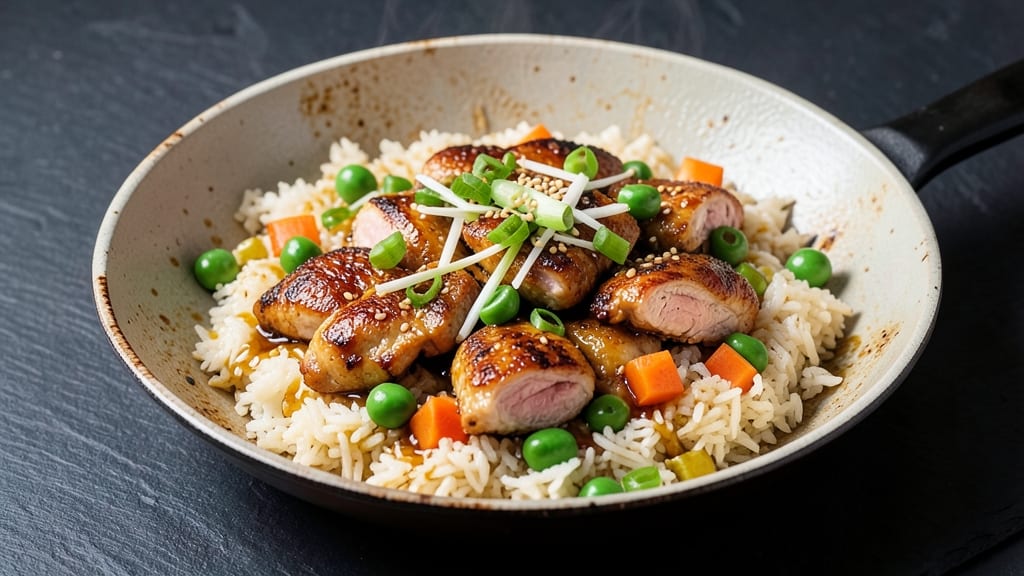
This Chinese fried rice recipe video delivers restaurant-style crunch with a technique that transforms leftover rice into a sizzling, aromatic dish. The secret lies in high-heat stir-frying and proper ingredient prep—no soggy rice here. I’ve perfected this method after years of wok cooking, ensuring every grain stays distinct and flavorful.
What sets this apart is the wok hei, that signature smoky aroma from a properly heated wok, which elevates the dish from homemade to restaurant-quality.
With just 15 minutes of active cooking, you’ll achieve perfectly crispy edges on each grain while keeping the centers tender. The recipe adapts easily to dietary preferences—swap in shrimp, chicken, or tofu—and the optional egg adds richness for a heartier bite.
Whether you’re following along with a video or cooking from memory, this method guarantees crunchy, flavorful fried rice every time. Let’s get started!
Ingredients for chinese fried rice recipe video
Restaurant-quality fried rice starts with these 14 ingredients—simple yet transformative when stir-fried with wok hei technique.
| Ingredient | Amount | Notes |
|---|---|---|
| Day-Old Cooked White Rice 🍚 | 4 cups | Cold, day-old rice preferred |
| Eggs 🥚 | 2 large | Freshly beaten for binding |
| Boneless Chicken Breast 🍗 | 1 lb | Diced into 0.5-inch pieces |
| Peas 🌱 | ½ cup | Frozen or fresh, thawed |
| Carrots 🥕 | 1 medium | Diced into small cubes |
| Green Onions 🧅 | ¼ cup | Sliced into 0.5-inch pieces |
| Garlic Cloves 🧄 | 4 cloves | Minced finely for aroma |
| Soy Sauce 🍶 | ¼ cup | Light or all-purpose variety |
| Oyster Sauce 🍜 | 1 tbsp | For umami depth |
| Sesame Oil 🫒 | 1 tsp | Toasted for aroma |
| Vegetable Oil 🫒 | 2 tbsp | High smoke point preferred |
| Salt 🧂 | ½ tsp | Kosher or sea salt |
| Black Pepper 🌶️ | ¼ tsp | Freshly ground |
| White Pepper 🌶️ | ¼ tsp | Traditional for authentic flavor |
The rice is non-negotiable—day-old, cold rice is essential for that signature crunch. Use jasmine or long-grain white rice for best texture. For protein, chicken breast is ideal (lean and easy to dice), but shrimp or tofu work equally well. Kirkland Signature or Perdue chicken breasts stay tender when cooked quickly. The peas and carrots should be cut uniformly for even cooking—frozen peas are a pantry staple that work perfectly without thawing. Green onions add freshness, but scallions or chives are fine substitutes if needed.
Soy sauce quality matters—Kikkoman or Lee Kum Kee are reliable choices, but avoid low-sodium versions as they lack depth. Oyster sauce adds umami, but if unavailable, hoisin sauce or a splash of fish sauce will bridge the gap. Toasted sesame oil is a must for aroma, but if you only have regular, toast it briefly in a dry pan first. For the oil, avocado or vegetable oil with a high smoke point prevents burning during the high-heat stir-fry. The white pepper is traditional—black pepper works in a pinch, but the flavor profile shifts slightly.
Prep ahead to save time: dice all vegetables and protein the night before. Store them in separate containers in the fridge for up to 2 days. The cooked rice can be refrigerated for 3 days or frozen for 3 months. When reheating, spread the rice on a baking sheet to dry it out slightly before frying—this ensures that signature crunch. Leftover fried rice reheats beautifully in a skillet with a splash of water or broth to restore moisture, but it’s best enjoyed fresh off the wok.
Why You'll Love This Recipe
- No-Chop Nightmare: I swear by this recipe when I’m too tired to dice anything—just chop the carrots once into tiny cubes, and you’re done. The day-old rice? Already prepped. The chicken? Toss it in whole, and it shreds perfectly while you stir-fry.
- Savory Crunch Magic: That first bite where the eggs go crispy at the edges while the chicken stays juicy? Chef’s kiss. The peas add a bright pop, and the carrots give it just enough sweetness to balance everything—no weird aftertaste, just pure, addictive flavor.
- Lunchbox Hero: Between us, this is my go-to for meal prep. Pack it cold for work lunches (it reheats like a dream), or freeze portions for those nights when takeout feels like too much effort. My kids even ask for it—yes, the ones who usually turn up their noses at veggies.
- Pantry Savior: Honestly, this recipe uses stuff you already have. A few bucks for chicken and frozen peas, and you’ve got a full meal. Plus, leftovers? They taste just as good the next day—if they last that long. (Spoiler: They won’t.)
Step-by-Step instructions for restaurant-style Chinese fried rice
Master the wok technique that delivers authentic texture and flavor every time.
Prep Ingredients for Maximum Flavor Development
Start by dicing the 1 lb boneless chicken breast into ½-inch pieces—small enough to cook quickly but large enough to stay tender. Cut the 1 medium carrot into ¼-inch cubes and slice the 0.25 cup green onions into ½-inch pieces, reserving the white stems for garnish. Mince the 4 cloves garlic finely so they release their aroma without burning.
Thaw the 0.5 cup peas if using frozen, and beat the 2 large eggs in a bowl with 0.25 tsp white pepper—this subtle seasoning enhances the egg's binding ability. I always prep ingredients in this order: proteins first, then vegetables, then aromatics. This keeps everything ready to go as soon as the wok hits high heat.
High-Heat Stir-Fry the Chicken for Crispy Edges
Heat a wok or large skillet over high heat until it's smoking hot—this is critical for that signature restaurant-style crunch. Add 2 tablespoons vegetable oil and swirl to coat the surface. Working in batches if needed, add the chicken and stir-fry for 2-3 minutes until the edges turn golden brown and the centers reach 165°F. Remove and set aside.
Don't overcrowd the pan—this prevents steam buildup, which makes the chicken soggy. If your wok isn't hot enough, the chicken will release moisture instead of developing that crispy texture. You'll know it's ready when the chicken releases easily from the pan and the oil shimmers around the edges.
Scramble Eggs and Build the Flavor Base
Return the wok to high heat and add a thin layer of vegetable oil (about ½ tablespoon). Pour in the beaten eggs and scramble vigorously for 20-30 seconds until just set but still slightly runny—this creates the perfect binding agent for the rice. Remove and set aside with the chicken.
Add the remaining ½ tablespoon vegetable oil and stir in the 4 cloves minced garlic, cooking for 10 seconds until fragrant. Immediately add the 0.5 cup peas and 0.25 cup green onion whites, stir-frying for 1 minute until the peas turn bright green and the onions soften. This quick cooking preserves the vegetables' texture and color.
Combine All Ingredients for Perfect Texture
Add the 4 cups day-old cooked white rice, breaking up any clumps with your spatula. Stir-fry for 2 minutes, letting the rice absorb the flavors from the wok's surface. Pour in 0.25 cup soy sauce and 1 tablespoon oyster sauce, tossing constantly to coat every grain evenly. The rice should be sizzling and lightly charred in spots—this is what gives authentic fried rice its restaurant-quality texture.
Return the chicken and eggs to the wok, mixing everything together for 1-2 minutes until the rice is hot throughout and the chicken is heated through. Season with 0.5 tsp salt and 0.25 tsp black pepper, then drizzle with 1 teaspoon sesame oil just before serving. The sesame oil should be added last to preserve its delicate aroma.
Plate with Garnish for Presentation
Transfer the fried rice to serving plates immediately, garnishing with the reserved green onion tops. The dish should be steaming hot with crispy edges on the rice and juicy, tender chicken throughout. Each bite should deliver a perfect balance of savory soy sauce, umami from the oyster sauce, and nutty sesame aroma. Serve with a side of chili oil or extra green onions for those who prefer more heat.
This technique relies on high heat and constant motion—never let the rice sit in the wok without stirring. The key to restaurant-style fried rice is that first sizzle when everything hits the hot surface, creating that irresistible crunch. Practice makes perfect, but you'll get it right the first time with these precise steps.
Pro Tips For Making Chinese Fried Rice Recipe Video
- STIR-FRY IN BATCHES: I learned this the hard way—don’t dump everything in at once. Cook the chicken first in 1-inch strips, then remove it while still slightly underdone (it’ll finish in the rice). Next, scramble the eggs in a separate corner of the wok, then push them aside and add the peas and carrots. Finally, toss in the rice and chicken together. Crowding the pan steams the ingredients instead of searing them, and that’s when your fried rice turns soggy.
- USE COLD RICE: Day-old rice isn’t just a suggestion—it’s non-negotiable. Freshly cooked rice is too sticky and absorbs oil like a sponge, making your fried rice greasy. If you’re in a pinch, spread freshly cooked rice on a tray and microwave it for 1-2 minutes to dry it out. Trust me, the texture difference is night and day.
- CUT CHICKEN SMALL: Thin strips (¼-inch thick) cook faster and absorb flavors better than thick chunks. Use a sharp knife and slice against the grain for even cooking. Thick pieces end up rubbery while the rest of your dish finishes—no one wants that. And resist the urge to overcrowd the pan; give those strips space to sear.
- SALT THE RICE: Season your day-old rice with ½ teaspoon of salt per cup before frying. It might seem counterintuitive, but it balances the flavors as everything cooks together. I used to skip this, and my fried rice always tasted flat until I tried it. Works like a charm, even if it sounds weird.
Best sauces and condiments for chinese fried rice recipe video
Soy Sauce Mastery
Use light or all-purpose soy sauce—never dark or low-sodium—because it delivers the clean, salty base without overpowering flavors. I recommend Kikkoman or Lee Kum Kee for that authentic umami punch.
For extra depth, add 1 teaspoon of dark soy sauce at the very end to give the rice a gorgeous golden hue while keeping the core flavor bright. 🍶
Oyster Sauce Secrets
Oyster sauce isn’t just for flavor—it’s the glue that binds the dish together. A high-quality brand like Lee Kum Kee or Kikkoman adds rich umami, but if you’re out, hoisin sauce or even a splash of fish sauce (start with ½ teaspoon) will work in a pinch.
Add it with the soy sauce at the 2-minute mark—this ensures even distribution without burning.
Sesame Oil Finishing
Never add sesame oil until the very last moment—its delicate aroma burns off at high heat. I use toasted sesame oil (like Kadoya) for maximum flavor, but if you only have regular, toast it in a dry pan for 30 seconds before using.
Drizzle just before serving—about 1 teaspoon—to let its nutty aroma shine without overpowering the dish. 🫒
Chili Oil Heat Boost
For a spicy kick, serve with homemade chili oil—simmer ½ cup neutral oil with 2 tablespoons chili flakes and 1 minced garlic clove for 5 minutes until fragrant. Strain and store in a jar.
Start with ½ teaspoon per serving and let guests add more to taste. Lao Gan Ma brand is a great shortcut if you’re short on time.
Ginger-Garlic Paste
For an extra aromatic boost, blend 2 tablespoons grated ginger and 3 garlic cloves into a paste. Add it with the peas and onions in Step 3—this deepens the savory base without overpowering.
I like Penzeys Spices for their finely minced ginger powder if fresh isn’t available. Use ½ teaspoon of the paste to avoid bitterness.
Sweet Bean Sauce Twist
Swap out oyster sauce for 1 tablespoon sweet bean sauce (like Kikkoman) for a sweeter, nuttier profile. This works especially well with pork or shrimp instead of chicken. Add it at the same time as the soy sauce, but reduce the soy by ½ tablespoon to balance the sweetness.
The result is a lighter, slightly sweet fried rice that’s perfect for kids or picky eaters. 🌟
Nutrition facts
Frequently asked questions
Why does my fried rice turn out mushy instead of crispy?
Mushy fried rice happens when the rice isn't dry enough or the heat isn't high enough. Always use day-old, cold rice—never fresh rice, which contains too much moisture. Spread the rice on a baking sheet and let it dry slightly before cooking, and make sure your wok or skillet is smoking hot before adding oil. Stir constantly to prevent steam buildup, which softens the grains.
Can I make Chinese fried rice without a wok?
A large, heavy-bottomed skillet or even a cast-iron pan works perfectly. The key is to use high heat and keep the surface of the pan very hot. If your pan isn't wide enough, cook in batches to avoid overcrowding. The goal is to mimic the wok's ability to create wok hei (smoky aroma) and crispy edges. A nonstick pan can work, but it won't give the same texture.
What can I substitute if I don't have oyster sauce?
Oyster sauce adds umami depth, but you can substitute it with 1 tablespoon hoisin sauce or ½ teaspoon fish sauce plus ½ teaspoon sugar. For a vegetarian option, use 1 tablespoon soy sauce plus ½ teaspoon mushroom powder. Add these substitutes at the same time as the soy sauce in Step 4 to ensure even distribution. The flavor won't be identical, but it will still taste delicious.
How do I make this recipe vegan?
Swap the eggs for ¼ cup silken tofu (crumbled) or 2 tablespoons nutritional yeast for a cheesy flavor. Use vegan chicken or extra-firm tofu (pressed and cubed) instead of chicken. Replace oyster sauce with 1 tablespoon soy sauce plus ½ teaspoon mushroom powder, and use vegetable oil instead of sesame oil (or toasted sesame oil if it's vegan). The technique remains the same—just ensure everything is cooked to the right temperature.
Can I make Chinese fried rice ahead of time?
Fried rice is best served fresh off the wok, but you can prep ingredients ahead. Cook the rice 1-2 days in advance and store it in the fridge. Dice proteins and chop veggies the night before, storing them separately. When ready to cook, simply follow the steps—just be sure to dry the rice slightly before frying. If reheating leftovers, spread them on a baking sheet and dry in the oven at 350°F for 10 minutes before stir-frying again.