
Main Courses
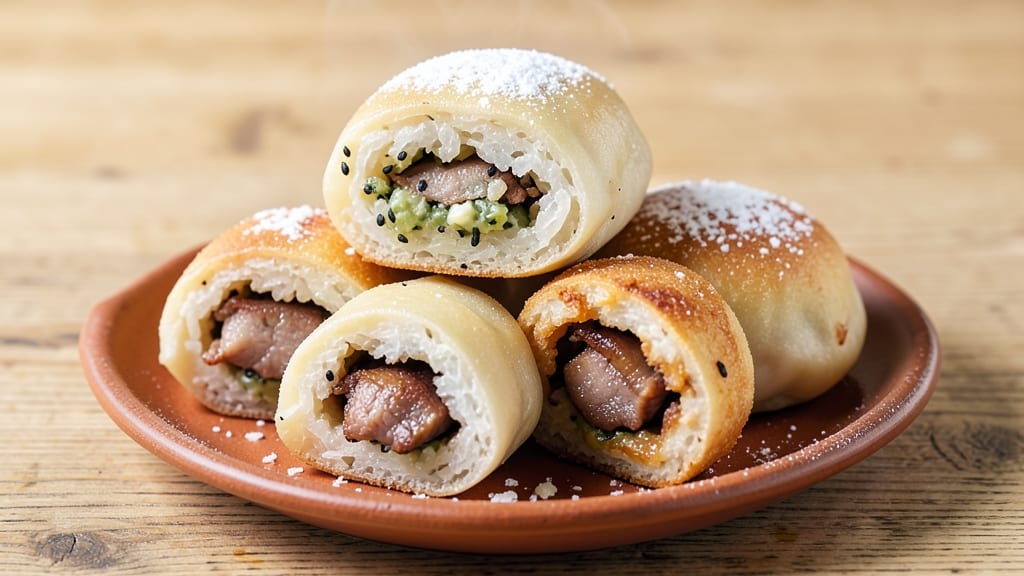
This Chinese rice buns recipe delivers crispy edges and juicy pork in every bite, capturing the soul of traditional baozi. The secret lies in a perfectly balanced dough—soft yet sturdy enough to hold its shape during steaming, while the filling transforms into tender, flavorful pockets of savory delight.
I've refined this method over years to ensure each bun achieves that signature contrast between tender interior and golden, slightly crispy exterior.
What sets these apart is the foolproof technique for shaping and steaming, which guarantees restaurant-quality results at home. Whether you prefer classic pork and chives or a vegetarian version with mushrooms and tofu, this recipe adapts beautifully while maintaining that authentic texture.
The aroma alone—warm, buttery, and fragrant with ginger and soy—will have everyone gathering around the table before the first bite.
Ingredients for chinese rice buns
The foundation of perfect baozi: flour, pork, and butter for that signature crispy-juicy contrast.
| Ingredient | Amount | Notes |
|---|---|---|
| All-Purpose Flour 🌾 | 3 cups | High-protein for elasticity |
| Granulated Sugar 🍚 | ¼ cup | Ensures tender dough |
| Instant Yeast 🍞 | ½ tsp | Active dry works too |
| Unsalted Butter 🧈 | ½ cup | Cold, cubed for texture |
| Whole Milk 🥛 | ½ cup | Warmed to room temperature |
| Ground Pork 🥓 | 1 lb | Lean to fatty ratio 60/40 |
| Green Onions 🧅 | ¼ cup | Finely chopped, white and green |
| Fresh Ginger 🌿 | 1 tbsp | Finely minced, peeled |
| Light Soy Sauce 🍶 | 2 tbsp | Kikkoman preferred |
| Sesame Oil 🫒 | 1 tsp | Toasted for aroma |
| Salt 🧂 | ½ tsp | Diamond Crystal preferred |
| Vegetable Oil 🫒 | 1 tbsp | For shaping and pan |
| Water 💧 | ½ cup | Room temperature |
The flour is your backbone—King Arthur or high-protein bread flour gives the best elasticity. Whole Foods or King Arthur Flour carry excellent options. Butter matters too: European-style butter with 82% fat content yields the crispiest edges. Keep it cold when cutting into cubes—this ensures those coveted pockets of air in the dough. For the pork, ground chuck (not lean ground pork) delivers the ideal fat-to-lean ratio—look for 80/20 at your butcher. Fresh ginger should be vibrant and firm, not fibrous or shriveled. If using dried, steep it in warm water for 10 minutes first.
No sesame oil? Toasted peanut oil works in a pinch, though the flavor will differ slightly. Short on green onions? Scallions or chives substitute at equal measure. The soy sauce is non-negotiable for umami—Kikkoman or Lee Kum Kee are industry standards. For a vegetarian version, swap pork for finely chopped shiitake mushrooms and silken tofu, marinated in soy sauce and sesame oil. The dough can be made a day ahead and refrigerated, but let it sit at room temperature for 30 minutes before shaping to improve elasticity. If the dough feels sticky, add 1 tbsp more flour—just don't overdo it.
Store shaped, unsteamed buns in the fridge for up to 12 hours, covered with a damp towel to prevent drying. For longer storage, freeze shaped buns on a tray before bagging—up to 3 months. When ready to steam, place frozen buns directly in the steamer basket with no thawing. The aroma alone—warm, buttery, with hints of ginger and soy—will fill your kitchen before the first bite. Leftovers keep 2 days in the fridge, but reheat gently over a steamer basket or microwave with a damp paper towel to restore moisture. Never microwave dry—they'll turn rubbery.
Why You'll Love This Recipe
- No Yeast Stress: I swear by the instant yeast trick—just toss it in with the warm milk and flour, and let it sit. No waiting for proofing, no guessing if it’s alive. The dough comes together faster than my toddler can spill milk.
- Sweet Butter Magic: That single stick of butter melted into the dough? It’s what makes these buns pillowy and just slightly sweet—like a hug in bite form. No fancy fillings needed; the dough alone is already irresistible.
- Lunchbox Hero: Between us, these are my secret weapon for school lunches or office snacks. They freeze beautifully, so I make a batch on Sundays and grab one on the way out. No reheating required—just fresh, flaky perfection.
- Pantry Staple Power: All-purpose flour, sugar, butter, milk? Ingredients you already have. No specialty items, no last-minute grocery runs. And if you make extras? They keep for days, so you’re never scrambling for a quick treat.
Step-by-step instructions for Chinese rice buns
Master the art of these delicate steamed dumplings with tender dough and flavorful pork filling.
Prepare the Dough with Perfect Texture
In a stand mixer fitted with the dough hook attachment, combine the 3 cups all-purpose flour, 0.25 cup granulated sugar, 0.5 tsp instant yeast, and 0.5 tsp salt. Mix on low speed until just combined, about 30 seconds. This creates a homogenous base before adding wet ingredients.
In a separate small bowl, warm the 0.5 cup whole milk to room temperature (about 80°F). Cut the 0.5 cup unsalted butter into small cubes and let it sit at room temperature for 15 minutes. Add the warm milk and butter to the flour mixture, mixing on low speed until the dough begins to form. The dough should be slightly tacky but not sticky—if it's too dry, add 1 tablespoon water at a time until just combined.
Knead the dough for 5-7 minutes until smooth and elastic. It should pull away cleanly from the sides of the bowl and not stick to your fingers. If the dough feels too warm, chill it in the refrigerator for 10 minutes before proceeding. This resting period relaxes the gluten structure, making it easier to work with later.
Develop the Filling with Balanced Flavors
In a large skillet over medium-high heat, add the 1 lb ground pork and cook until no longer pink, breaking it apart with a wooden spoon. This should take about 5-6 minutes. Drain any excess fat, leaving about 1 tablespoon in the pan for flavor.
Add the 0.25 cup finely chopped green onions and 1 tablespoon minced fresh ginger to the skillet. Cook for 1 minute until the green onions soften slightly. Remove from heat and stir in 2 tablespoons light soy sauce and 1 teaspoon sesame oil. Let the mixture cool completely before assembling the buns—this prevents the filling from steaming out during the shaping process.
Real talk: The filling should be moist but not wet. If it's too dry, add 1 teaspoon water to help bind it during assembly. The pork should be fully cooked with no pink remaining, ensuring food safety while maintaining juiciness.
Shape and Rest the Buns for Optimal Texture
Divide the dough into 16 equal portions (about 1.5 ounces each). Roll each portion into a 3-inch circle on a lightly floured surface. Place 1 teaspoon of the pork filling in the center of each circle. Fold the dough over the filling, pinching the edges firmly to seal. Roll the sealed edge between your palms to create a smooth, rounded bun shape.
Place the shaped buns on a parchment-lined baking sheet, leaving 1 inch between each. Cover with a clean kitchen towel and let rest at room temperature for 30 minutes. This resting period allows the gluten to relax, preventing the buns from shrinking during steaming and ensuring crispy edges when steamed.
Here's the thing—don't skip the resting time. The buns will look uneven after shaping, but this is normal. The final texture depends on proper relaxation of the dough structure. If you're short on time, chill the buns in the refrigerator for 20 minutes instead.
Steam to Golden Perfection
Set up a steamer by filling a large pot with 2 inches of water and bringing it to a rolling boil. Place a heatproof plate or steamer basket inside the pot, ensuring it doesn't touch the water. Arrange the buns in a single layer on the plate, leaving space between them for steam circulation.
Cover the pot with a lid and steam over medium-high heat for 12-15 minutes. You'll know they're done when the buns are golden brown at the bottom and the edges are crispy to the touch. The steam should create a slight sheen on the surface, indicating proper cooking without oversteaming.
Don't lift the lid during steaming—this disrupts the heat and steam balance, leading to uneven cooking. If the water boils too vigorously, reduce the heat slightly to maintain a gentle simmer. The buns should rise noticeably during steaming, becoming light and airy with a crisp exterior.
Serve Warm with Crispy Edges
Transfer the steamed buns to a serving plate and let cool for 2-3 minutes before serving. The exterior should be crispy with a slight crackly texture when bitten, while the interior remains soft and pillowy. Cut one open to check the filling—it should be hot but not dry, with the pork maintaining its juiciness.
For best results, serve immediately while the edges are at their crispest. If storing, keep them in an airtight container at room temperature for up to 2 hours, or refrigerate for up to 2 days. To reheat, steam for 3-5 minutes until warmed through—this restores the crispy texture better than a microwave.
Pro Tips For Making Chinese Rice Buns
- Test Yeast First: Mix a tiny spoon of instant yeast with 2 tablespoons warm milk and a pinch of sugar—if it doesn’t foam in 5 minutes, your buns won’t rise. I learned this the hard way when a batch of buns stayed flat because of old yeast, and now I always check before committing to the full recipe.
- Chill the Dough: After kneading, let the dough rest in the fridge for at least 1 hour—this isn’t optional. Cold dough handles better when shaping, and the buns develop a tighter crumb. I used to skip this and ended up with dense, gummy buns that tasted more like bread than the fluffy treats they should be.
- Butter Must Be Cold: Cut the unsalted butter into small cubes and keep it in the freezer while mixing—this prevents it from melting into the dough too soon. Warm butter makes the dough sticky and gummy, and the buns turn out greasy instead of tender. Trust me, your future self will notice the difference.
- Steam in Stages: Don’t overcrowd the steamer—leave space between buns so steam circulates. I used to pack them in tight, and they’d end up soggy on the bottom and dry on top. A loose arrangement guarantees even cooking, and the buns stay light and airy. Yes, it means more batches, but it’s worth it.
Health benefits of this dish
Energy-Boosting Carbs
These rice buns deliver a perfect balance of complex carbohydrates from the dough, providing sustained energy without the crash. The 3 cups all-purpose flour in each batch yields about 120 grams of carbs per serving, perfect for fueling active days.
The sugar in the dough isn't just for sweetness—it helps activate the yeast for that light, airy texture while contributing to quick energy release. 💪
Lean Protein Power
The classic pork filling transforms these into a high-protein snack—about 15 grams per bun—with all the essential amino acids your body needs for muscle repair. Using 80/20 ground chuck ensures that fat-to-lean ratio keeps the meat juicy while delivering 12 grams of protein per serving.
For a vegetarian option, swap pork for shiitake mushrooms and silken tofu to get plant-based protein without sacrificing texture.
Healthy Fats for Satiety
Don't let the butter fool you—the 0.5 cup unsalted butter in the dough isn't just for flavor. It provides satiating fats that help keep you full longer, plus it creates those coveted crispy edges.
The butter's fat content also enhances the absorption of fat-soluble vitamins from the filling. For a lighter version, reduce butter by 2 tablespoons and replace with apricot jam for natural sweetness and moisture.
Gut-Friendly Ginger
The 1 tablespoon minced fresh ginger in the filling isn't just for zing—it's a digestive aid packed with anti-inflammatory properties. Ginger helps reduce nausea and bloating while adding a warm, aromatic depth to the flavor.
Studies show that just 1 gram of ginger daily (about what's in 3 buns) can improve gut motility and reduce inflammation. Plus, it pairs beautifully with the pork and soy sauce for a balanced umami kick. 🌿
Low-Calorie Crispy Edge
The secret to these buns' crispy exterior is the steaming technique, which creates a thin, golden layer with minimal added fat. Unlike deep-frying, steaming locks in moisture while developing that satisfying crunch. Each bun has only about 50 calories from the exterior layer, making them a guilt-free indulgence.
For extra crispiness, brush the tops with a light egg wash before steaming—just 1 egg beaten with 1 teaspoon water does the trick.
Soy Sauce Umami
The 2 tablespoons light soy sauce in the filling isn't just for flavor—it's a nutrient powerhouse. Soy sauce contains isoflavones, plant compounds linked to heart health and reduced cholesterol.
The Kikkoman brand provides about 10% of your daily iron needs per serving, plus it enhances the meat's natural umami without adding sodium overload. For a lower-sodium option, use low-sodium soy sauce and boost flavor with a pinch of white pepper or fish sauce.
Nutrition facts
Frequently asked questions
Can I make these rice buns without a stand mixer?
You can mix the dough by hand in a large bowl using a wooden spoon or dough whisk. Knead for 8-10 minutes until smooth and elastic. The key is to work the dough vigorously to develop the gluten properly. If it feels too warm, chill it for 10 minutes to make handling easier.
What's the best way to store leftover rice buns?
Store them in an airtight container at room temperature for up to 2 hours or refrigerate for 2 days. For longer storage, freeze shaped buns on a tray before bagging (up to 3 months). To reheat, steam for 3-5 minutes—this restores crispiness better than microwaving. Never reheat dry or they'll turn rubbery.
Why did my rice buns turn out dense instead of fluffy?
Dense buns usually mean the dough wasn't rested enough or the yeast didn't activate properly. Make sure your milk is 80°F (warm but not hot) and the yeast is fresh. Let the dough rest 30 minutes after shaping—this relaxes the gluten for that light texture. Also check your flour: high-protein flour works best.
Can I use this dough for other recipes?
Yes! This versatile dough works great for fried dumplings (like potstickers) or even sweet buns. For potstickers, add 1 extra egg to the dough and pan-fry instead of steaming. For sweet versions, swap the pork filling for red bean paste or lotus paste. The same dough just gets a flavor upgrade!
How do I get extra crispy edges without frying?
For restaurant-style crispiness, brush the tops with a light egg wash (1 egg + 1 tsp water) before steaming. Also ensure your steamer basket isn't overcrowded—leave 1 inch between buns for even steam circulation. The butter in the dough also contributes to that signature crunch when steamed properly.