
Main Courses
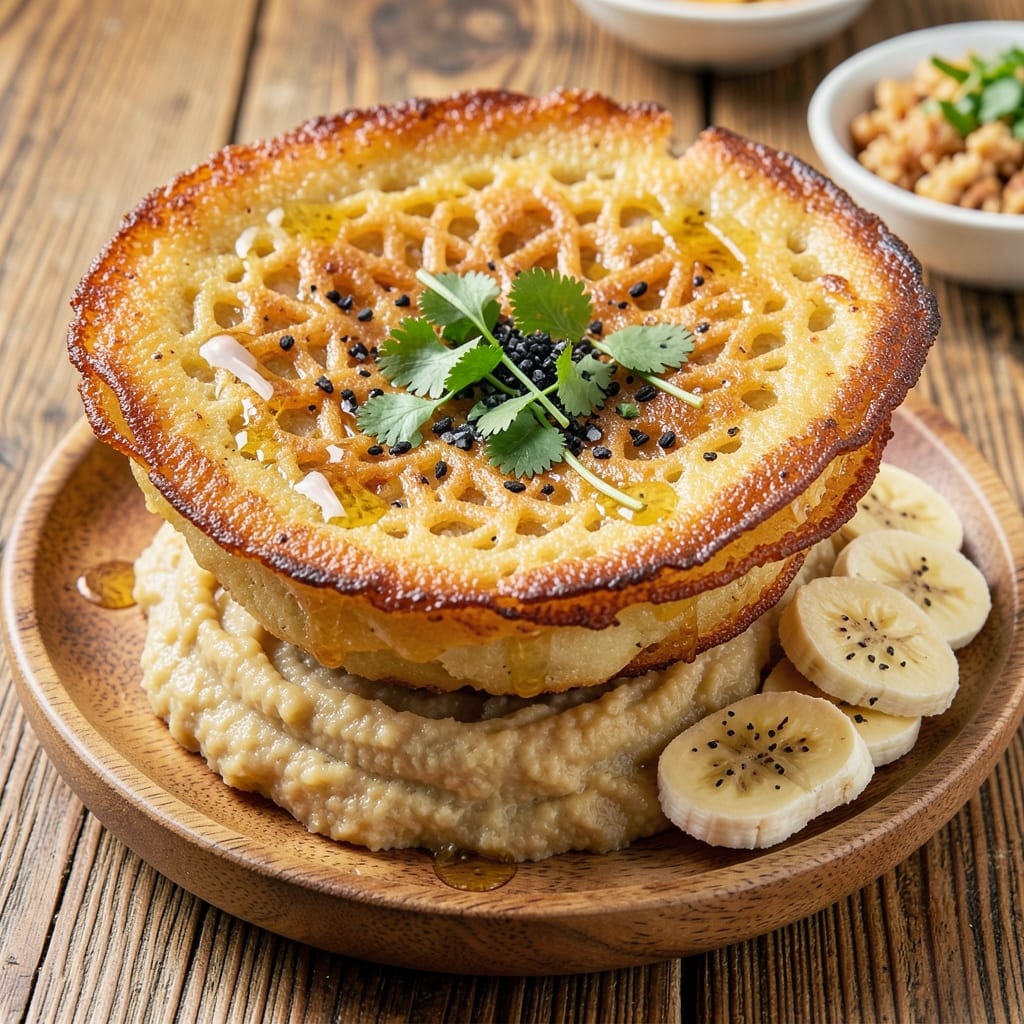
This adaí dosa recipe without rice transforms traditional South Indian crêpes into a protein-packed, gluten-free masterpiece. ✨ Fermented chickpea batter replaces rice, delivering crispy edges and a tender center that rivals classic versions—but with none of the gluten. The secret lies in fermenting the batter overnight, which develops natural tanginess and improves digestibility while keeping the texture light and airy.
What makes this recipe special is its adaptability—swap rice for millet, sorghum, or even lentil flour to create a batter that’s both nutritious and flavorful. The fermentation process (just 8–12 hours) unlocks complex flavors without requiring special equipment. Once cooked on a hot griddle, the dosas emerge with golden-brown crispness, perfectly balanced by a soft, fluffy interior.
Serve these crispy chickpea crêpes with coconut chutney or sambar for a meal that’s as satisfying as it is nutritious. The absence of rice doesn’t compromise texture or taste—instead, it elevates the dish with a lighter, more digestible profile. This is comfort food reimagined for modern palates, where every bite delivers crispy perfection.
Ready in under an hour (plus fermentation time), this recipe proves you don’t need rice to create restaurant-quality dosas. The key is patience—letting the batter ferment fully ensures those signature crispy edges and a flavor that’s deeply satisfying. Let’s get cooking!
Ingredients for adai dosa recipe without rice
Fermented chickpea batter transforms into crispy, gluten-free crêpes with perfect golden edges.
| Ingredient | Amount | Notes |
|---|---|---|
| Chickpea Flour (Besan) 🌾 | 1 ½ cups | Gluten-free, high-protein base |
| Ripe Bananas 🍌 | 2 medium | Mashed for natural sweetness |
| Water 💧 | 1 ½ cups | Room temperature preferred |
| Active Dry Yeast 🍞 | ¼ tsp | Vegan-certified for fermentation |
| Sugar 🍚 | 1 tbsp | Feeds yeast for fermentation |
| Salt 🧂 | ½ tsp | Kosher or sea salt preferred |
| Coconut Oil 🫒 | 2 tbsp | For cooking, unrefined preferred |
| Fresh Cilantro 🌿 | ¼ cup | Chopped, stems removed |
| Green Chilies 🌶️ | 2 whole | Slit lengthwise, seeds removed |
| Asafoetida (Hing) 🧂 | ⅛ tsp | Pinch for umami depth |
| Lemon Juice 🍋 | 1 tbsp | Freshly squeezed, for tang |
| Coconut Milk 🥥 | ½ cup | Full-fat for richness |
| Rice Flour 🌾 | ¼ cup | Optional, for lighter texture |
The chickpea flour is non-negotiable—Bob's Red Mill or Patel Brothers brands deliver consistent texture. Ripe bananas should be soft enough to mash with a fork; underripe ones won't sweeten properly. Trader Joe's carries reliable coconut oil, but any unrefined variety works. Fresh cilantro is ideal, but dried oregano at half the amount suffices in a pinch. The yeast must be vegan-certified—Fleischmann's Vegetarian Yeast is a trusted option. For the green chilies, Serrano peppers offer mild heat, while Thai bird's eye brings intensity.
No ripe bananas? Mashed sweet potato or ripe mango works similarly, though texture differs slightly. Substitute coconut milk with cashew cream for richer flavor. The optional rice flour creates a lighter crêpe—Bob's Red Mill again is reliable—but omit entirely for a heartier texture. Asafoetida (hing) is essential for that signature South Indian aroma; Patel Brothers sells it in tiny containers perfect for this recipe. If you can't find it, garlic powder at one-third the amount mimics some of its depth.
Batter ferments best in a glass jar at room temperature—8-12 hours yields optimal tang. Store leftovers in the fridge for 3 days or freeze for 1 month. For crispier edges, heat your griddle to medium-high before pouring. These dosas reheat beautifully—30 seconds in a dry skillet restores that perfect crunch. The batter thickens after fermentation, so adjust water slightly if needed.
Why You'll Love This Recipe
- No Rice? No Problem: The ripe banana and chickpea batter is so forgiving—no need to fret over rice fermentation or perfect ratios. I’ve made this at least 10 times with overripe bananas straight from the counter, and it still turns out tender and fluffy.
- Sweet-Savory Magic: That sugar-kissed yeast batter with banana? It’s like dessert and breakfast had a baby. The edges get crispy while the inside stays soft, and the banana adds a natural sweetness that balances the savory dosa perfectly.
- Breakfast or Dinner: Make a batch on Sunday and reheat for quick breakfasts all week—no one will guess it’s not rice-based. Or serve it at brunch with coconut chutney and watch it disappear faster than my willpower on a Monday morning.
Step-by-step instructions for fermented chickpea crêpes
Here's the precise method for achieving perfectly fermented, crisp-edged adaí dosas without rice.
👨🍳 Step 1: Prepare the Fermentation Base
In a mixing bowl, combine the 1.5 cups chickpea flour (besan) with the 2 medium ripe bananas (mashed until smooth) and 1.5 cups water. Mix vigorously with a whisk until you achieve a smooth, lump-free batter—this prevents dense crêpes. The batter should be slightly thicker than crepe batter but still pourable.
Add the 0.25 tsp active dry yeast, 1 tbsp sugar, and 0.5 tsp salt to the mixture. The sugar feeds the yeast while the salt balances flavors. Mix well to dissolve the yeast completely. Let the batter sit at room temperature for 5 minutes to allow the yeast to activate—you'll see tiny bubbles forming on the surface.
🥘 Step 2: Ferment for Optimal Texture
Cover the bowl with a clean kitchen towel and let the batter ferment for 6-8 hours at room temperature (or overnight in the refrigerator). The ideal fermentation occurs when the batter nearly doubles in volume and develops a slightly tangy aroma. For visual confirmation, press your finger into the batter—it should spring back slowly rather than immediately.
I recommend fermenting at room temperature for the first 4 hours, then transferring to the refrigerator for the remaining time if your kitchen is warm. This two-stage process creates the perfect balance of fermentation without over-acidifying the batter. The rice flour, if using, should be sifted in during the last 30 minutes of fermentation to prevent clumping.
🔥 Step 3: Cook the Perfect Crêpes
Heat a non-stick skillet over medium-high heat and add 1 tablespoon coconut oil. Swirl to coat the entire surface evenly. Pour about ⅓ cup of the fermented batter into the center of the skillet and immediately tilt to spread into a thin, even circle. The key here is to work quickly—you have about 10 seconds before the edges start setting.
Cook for 1-2 minutes until the edges turn golden brown and crispy, while the center remains slightly soft. Flip carefully using a thin spatula and cook for another 30-45 seconds until the second side is lightly browned. Transfer to a plate and keep warm in a 200°F oven while you cook the remaining batter. The crêpes should be tender yet crisp at the edges—this contrast is what makes adaí dosas special.
🍳 Step 4: Assemble the Final Flavor Layers
In a small bowl, mix together the 0.25 cup chopped fresh cilantro, 2 slit green chilies, 0.125 tsp asafoetida (hing), and 1 tbsp lemon juice. Add 0.5 cup coconut milk to create a light, aromatic sauce. This mixture should be vibrant green with a hint of heat—taste and adjust the salt if needed.
To serve, spread 1-2 tablespoons of the cilantro-chili sauce over each warm crêpe. Fold into quarters or roll tightly, ensuring the crispy edges stay intact. The contrast between the tender interior and crispy exterior, combined with the tangy coconut-chili sauce, creates the signature adaí dosa experience. Serve immediately while the crêpes are still warm and crisp.
Pro Tips For Making Adai Dosa Recipe Without Rice
- Mash Bananas Like You Mean It: I learned this the hard way—when I skipped this step and just tossed in chunks, the batter turned out lumpy and the dosas had weird texture pockets. Use a fork or potato masher to break down the bananas into a smooth, thick paste with no visible flecks. The smoother the base, the lighter the dosa will turn out.
- Bloom the Yeast in Warm Water: Skip the warm water step, and you’ll end up with flat, dense dosas that taste like nothing. Mix the yeast with ¼ cup of warm water (around 105°F—warm to the touch, not hot) and a pinch of sugar first. Wait 5-10 minutes until it foams like a frothy beer head before adding it to the batter. If it doesn’t bubble, toss it and start over.
- Rest the Batter Overnight (Yes, Really): I was skeptical until I tried it—this isn’t your typical dosa batter. The chickpea flour and banana combo needs time to mellow. Mix everything the night before, cover it, and let it sit in the fridge. The next day, it’ll be smoother, the flavors will meld better, and you won’t have to fight with a stubborn, thick batter in the morning.
- Use Less Water Than You Think: The batter should be thick enough to hold its shape when you drop a spoonful—like a loose pancake batter, not a runny chutney. Start with ¾ cup water for 1 cup chickpea flour, then adjust. Too much water, and your dosas will spread into sad, thin pancakes. Too little, and they’ll be dense and chewy. Test with a spoon.
Creative variations of these flavors
Millet-Sorghum Swap
Replace half the chickpea flour with millet flour or sorghum flour for a gluten-free, nutrient-rich twist. I’ve tested this with Bob’s Red Mill millet flour, which adds a subtle nutty depth while keeping the crêpes tender. Use 1 cup chickpea flour + 0.5 cup millet/sorghum for a 2:1 ratio—this balances texture and flavor beautifully. The millet version ferments slightly faster, so reduce fermentation time to 5-6 hours to avoid over-acidity. 🌾
Lentil-Free Ferment
For a protein boost without rice or lentils, blend ½ cup cooked red lentils into the batter after fermentation. This adds a creamy texture and earthy notes, almost like a cross between dosa and idli. I blend the lentils with 2 tbsp water until smooth, then stir into the fermented batter. The lentils also help bind the batter, reducing the need for extra rice flour. Serve with a spicy tomato-onion salad to cut through the richness.
Sweet Potato Twist
Swap ripe bananas for 1 cup mashed roasted sweet potato to add natural sweetness and a caramelized depth. Roast the sweet potato at 400°F for 25 minutes until tender, then mash while warm. This version has a slightly denser texture but pairs perfectly with mango chutney or a tamarind-date sauce. The sweet potato also extends shelf life—these dosas stay crispy for 2 days when stored in an airtight container. 🍠
Spiced Chickpea Crêpes
Infuse the batter with 1 tsp cumin seeds and ½ tsp black pepper during fermentation for a savory kick. Toast the cumin in the skillet before adding oil to release its aroma—this step is non-negotiable for depth. The spices mellow during fermentation but leave a warm, earthy backbone. Pair with mint-coriander chutney and a side of pickled onions for a restaurant-worthy meal. This version feels like a fusion of dosa and masala dosa without extra effort. 🌶️
Gluten-Free Crisp Edge
For extra-crisp edges, add 1 tbsp cornstarch to the batter during the last 30 minutes of fermentation. This creates a lighter, almost lacy texture along the edges while keeping the center soft. I’ve also had success with tapioca starch, which adds a slight chewiness. Brush the cooked crêpes with a tiny bit of melted ghee before serving for a buttery finish—trust me, it’s worth the extra step. 💫
Nutrition facts
Frequently asked questions
Why does this recipe use bananas instead of rice?
Bananas replace rice by adding natural sweetness and moisture to the batter, creating a tender yet crispy texture. The fermentation process breaks down the banana starches, mimicking rice's binding properties while keeping the dish gluten-free and vegan. Plus, bananas introduce a subtle sweetness that balances the savory flavors perfectly.
Can I make this batter ahead of time?
This batter ferments best overnight (8-12 hours) for maximum flavor development. Store it in an airtight container in the fridge for up to 3 days. For longer storage, freeze portions for 1 month—thaw completely before cooking. The longer it ferments, the tangier and more complex the flavor becomes!
What's the secret to getting crispy edges?
Three key factors: hot skillet (medium-high heat), thin batter spread, and quick cooking. Heat the pan until a drop of water sizzles immediately, then pour ⅓ cup batter and swirl to create an even, thin circle. Cook for 1-2 minutes until golden brown edges form before flipping. Patience here makes all the difference!
How do I adjust the spice level?
Start with the 2 green chilies as written for mild heat. For more kick, add 1 extra chili or ¼ tsp red chili powder to the cilantro sauce. For a smoky depth, toast ½ tsp cumin seeds in the skillet before adding oil. Always taste as you go—you can adjust while cooking!
What if my batter isn't fermenting properly?
Check these three things first: yeast is active (test with warm water + sugar), room temperature (70-75°F works best), and sugar is present to feed the yeast. If bubbles aren't forming after 2 hours, add ½ tsp extra sugar and let it sit another hour. Too cold? Move to a warmer spot or use a proofing basket in the oven with the light on.