
Side Dishes
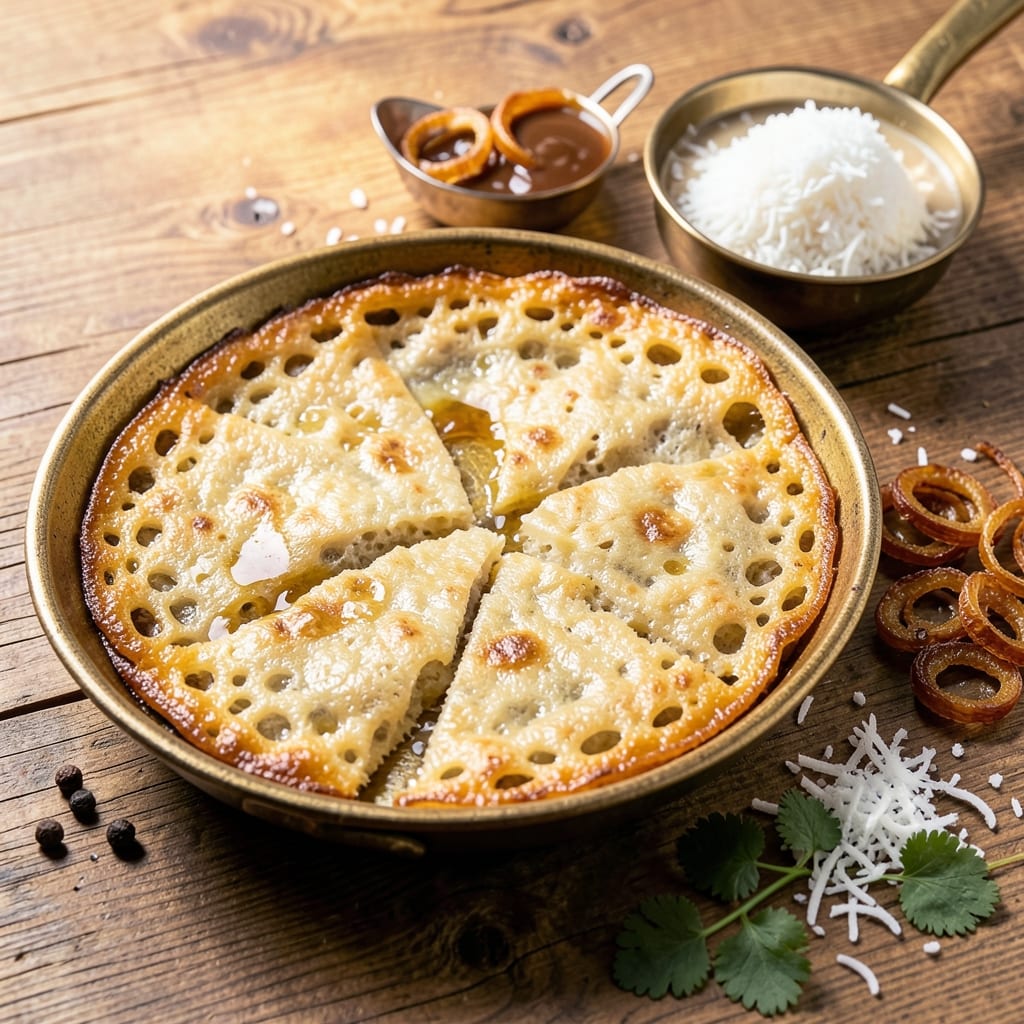
This appam recipe with idli rice transforms simple ingredients into delicate, lacy coconut pancakes with a melt-in-your-mouth texture. 🌟 The secret lies in fermenting the batter overnight, creating a light yet sturdy structure perfect for soaking up coconut milk or sambar. I’ve perfected this traditional South Indian dish to deliver crisp edges and tender centers every time, staying true to its vegetarian roots while making it approachable for home cooks.
The process begins with idli rice, which absorbs flavors beautifully and forms the signature lacy pattern when steamed. Unlike crispy dosas, appam rely on a slightly thicker batter that’s poured into greased molds, then steamed until golden and fragrant. This method ensures the pancakes hold their shape while remaining soft inside—a balance that’s both satisfying and visually stunning.
What sets this recipe apart is its versatility: serve them sweet with jaggery or cardamom-infused coconut milk, or savory with a side of sambar and coconut chutney. The batter’s fermentation also boosts digestibility, making it a comforting staple in Kerala cuisine. With just a few ingredients and patience, you’ll achieve restaurant-quality results that taste like a taste of home.
Whether you’re hosting a dinner or craving a comforting snack, these appam deliver on both flavor and tradition. The key is in the steaming—don’t rush it, and you’ll end up with pancakes that are crisp enough to hold their shape yet tender enough to dissolve on your tongue. Let’s get started on this timeless recipe.
Ingredients for appam recipe with idli rice
Six essential ingredients transform into golden, lacy appam with crisp edges and tender centers.
| Ingredient | Amount | Notes |
|---|---|---|
| Idli Rice 🌾 | 1 cup | Uncooked, rinsed thoroughly |
| Urad Dal (Black Gram) 🌱 | ¼ cup | Split, rinsed well |
| Grated Coconut (Fresh or Frozen) 🥥 | 1 ½ cups | Packed, unsweetened |
| Water 💧 | 1 ½ cups | Room temperature |
| Sugar (or Jaggery) 🍯 | ¼ cup | Adjust to taste |
| Salt 🧂 | ½ tsp | Fine grain preferred |
| Yeast (Active Dry) 🍞 | ¼ tsp | Instant yeast works too |
| Cardamom Powder 🌿 | ¼ tsp | Ground, optional |
| Coconut Milk (for serving) 🥥 | 1 cup | Thick, unsweetened |
| Ghee (or Coconut Oil) 🫒 | 2 tbsp | For greasing molds |
| Sambar Powder (or Curry Powder) 🌶️ | 1 tbsp | For savory variation |
The idli rice and urad dal are the foundation—look for well-rinsed, unbroken grains at Indian grocery stores like Apna Bazaar or Patel Brothers. Freshly grated coconut makes all the difference; frozen works in a pinch, but thaw and drain excess water. Sugar or jaggery balances the coconut’s sweetness, while yeast ensures the perfect rise. For cardamom, Penzeys carries high-quality ground powder, but any spice aisle will do. The coconut milk should be thick—avoid the canned watery kind—for serving.
No yeast? Baking soda plus lemon juice (1 tsp each) can substitute, but fermentation overnight gives the best texture. Short on urad dal? Substitute with moong dal at double the amount, though texture will differ slightly. For a savory twist, swap sugar for sambar powder and serve with coconut chutney. Ghee is traditional, but coconut oil works just as well for greasing molds. If using jaggery, grate it finely—lumps won’t dissolve properly in the batter.
Store the batter in an airtight container in the fridge for up to 2 days—fermentation slows in the cold, but it’ll still rise. Leftover appam reheat beautifully in a steamer for 10-15 minutes. For extra crispiness, steam over high heat and let them rest in the molds for 2 minutes before unmolding. Freeze cooked appam between parchment paper for up to 1 month—reheat in a dry skillet for a quick snack.
Why You'll Love This Recipe
- No-Fuss Batter: I swear by this recipe because the batter doesn’t need hours of soaking or fancy blending. Just mix idli rice, urad dal, and water—let it sit for 4 hours (yes, really), and boom. No food processor, no stress, just a smooth, lump-free batter ready for pouring.
- Sweet-Savory Magic: That first bite? The coconut’s nuttiness meets the soft, fluffy rice, while a touch of jaggery (or sugar) balances it all. It’s like a hug in edible form—comforting enough for breakfast but exciting enough for dessert.
- Weeknight to Brunch: Make a big batch on Sunday, store the batter, and serve up crispy appams all week. They’re perfect for lazy mornings, potlucks, or even as a side for curries. Honestly, I’ve served them at everything from family dinners to friend hangouts.
- Pocketbook Perk: Urad dal and rice? Two of the cheapest staples out there. A single batch feeds four (or two very hungry people) and costs pennies. Plus, leftovers reheat like a dream—just pop them in a pan for seconds that taste just as good as the first.
Step-by-step instructions for appam recipe with idli rice
Here's the method for light, lacy coconut pancakes that steam to perfect crispness every time.
👨🍳 Step 1: Soak and Grind the Batter Base
Combine the 1 cup idli rice and 0.25 cup urad dal (black gram) in a large bowl. Add 1.5 cups water and let soak for 4-5 hours or overnight at room temperature. The grains should absorb water and become soft but not mushy.
After soaking, drain any excess water but don't rinse. Transfer to a wet grinder or blender and grind into a smooth, thin batter—like heavy cream consistency. If using a blender, work in batches and scrape down the sides to ensure even grinding. This step is crucial: the batter should be thin enough to flow easily when poured.
🍳 Step 2: Prepare the Coconut Mixture
In a separate bowl, mix the 1.5 cups grated coconut (fresh or frozen), 0.25 cup sugar (or jaggery), 0.5 tsp salt, 0.25 tsp yeast (active dry), and 0.25 tsp cardamom powder. Add 1.5 cups water and mix well. Let this mixture sit for 10 minutes to allow the yeast to activate slightly.
Now combine this coconut mixture with the ground rice batter. Stir thoroughly until fully incorporated. The batter should have a thick, creamy consistency—similar to pancake batter but slightly more fluid. Cover with a clean kitchen towel and let ferment at room temperature for 6-8 hours or until the batter doubles in volume and develops a slightly tangy aroma. This fermentation step creates the signature light texture of appam.
🔥 Step 3: Heat and Shape the Appam
Heat a small non-stick skillet or appam pan over medium heat. Add 1 tbsp ghee (or coconut oil) and swirl to coat the bottom evenly. Pour about ¼ cup of the fermented batter into the center of the pan. Quickly tilt the pan in circular motions to spread the batter thinly and evenly—you want a 3-4 inch diameter circle.
Cover the pan with a lid and cook for 2-3 minutes until the edges turn golden brown and the center puffs up slightly. Here's the key: don't peek or lift the lid during cooking—steam needs to build up to create those signature lacy holes. You'll know it's ready when the top develops small bubbles and the edges crisp up beautifully. Remove carefully with a spatula and transfer to a plate.
🥘 Step 4: Serve with Coconut Milk
Repeat with the remaining batter, adding 1 tbsp ghee (or coconut oil) between each batch to prevent sticking. For a savory variation, sprinkle 1 tbsp sambar powder (or curry powder) on top of each appam before serving.
Serve the warm appam immediately with 1 cup coconut milk (for serving) poured over the top. The contrast of warm, crispy appam with cool, creamy coconut milk creates the perfect balance. For an extra touch, garnish with a sprinkle of grated coconut or a few drops of honey if you prefer a sweeter variation.
Pro Tips For Making Appam Recipe With Idli Rice
- Soak Urad Dal Overnight: I learned this the hard way—rushing the soak means your batter will be gritty no matter how much you grind it. Cover 1 cup urad dal in 3-4 times its volume of water (about 3.5 cups) and let it sit for at least 8 hours, preferably overnight. The dal should split open easily when pressed between fingers; if not, add 10 more minutes to your grinding time.
- Grind in Batches: This isn’t the prettiest method, but it’s the tastiest. Urad dal and rice generate enough heat to turn your batter into glue if you dump everything in at once. Grind half the soaked dal first, then mix in the rice and remaining dal in two more batches, scraping down the sides between each. Your mixer will thank you.
- Test Batter Consistency: Skip the guesswork—your batter should hold a shape when you drop a spoonful into water. If it spreads like pancake batter, add 1-2 tablespoons more rice; if it clumps, thin with 1 tablespoon warm water. Too thick? Your appams will be dense. Too thin? They’ll collapse like sad pancakes.
- Cook on Medium-Low Heat: High heat is the enemy of even cooking. Once your appam pan is hot (test with a drop of water—it should sizzle and evaporate instantly), reduce to medium-low. Too hot, and the edges burn before the center sets; too low, and they steam instead of crisping. Adjust the flame as needed—this is where patience pays off.
Health benefits of appam recipe with idli rice
Digestive Comfort
Fermented foods like appam are nature’s way of making nutrients more digestible. The overnight fermentation of idli rice and urad dal breaks down complex carbohydrates and proteins, making them easier for your body to absorb. This process also creates beneficial probiotics that support gut health—something I’ve noticed helps me feel lighter after meals. 💪
Protein Powerhouse
Urad dal provides a solid plant-based protein source, with about 12 grams per serving of these lacy pancakes. Combined with the idli rice, you get a complete amino acid profile, perfect for vegetarian diets. I love making these for breakfast because they keep me full and energized for hours without the mid-morning sugar crash.
Heart-Healthy Fats
The grated coconut adds beneficial medium-chain triglycerides (MCTs) that support heart health and metabolism. These healthy fats are absorbed directly by the liver, providing quick energy. Just 1.5 cups of coconut in this recipe gives you about 20% of your daily recommended intake of these heart-friendly fats. Plus, coconut’s natural sweetness reduces the need for refined sugar.
Blood Sugar Balance
Unlike refined flour pancakes, appam have a low glycemic index thanks to the fermentation process and whole grains. The fiber from idli rice and urad dal slows sugar absorption, helping maintain steady blood glucose levels. I’ve found this especially helpful when serving them with coconut milk—no energy crashes here! The cardamom also adds a subtle blood-sugar-regulating effect.
Antioxidant Boost
Cardamom and coconut are packed with antioxidants that combat oxidative stress. Cardamom contains compounds like cineole and terpinol that have been shown to reduce inflammation. Meanwhile, coconut provides manganese and selenium, both essential for immune function. It’s these little details that make traditional recipes so much more than just delicious—they’re functional foods too. ✨
Gluten-Free Naturally
For those avoiding gluten, appam are a perfect solution—they’re naturally free of wheat, barley, and rye. The combination of idli rice and urad dal creates a sturdy yet tender texture without any gluten-containing ingredients. I’ve served these at gluten-free gatherings, and they’re always a hit because they don’t compromise on flavor or satisfaction.
Nutrition facts
Frequently asked questions
Why does my appam batter not rise properly?
The most common reason is insufficient fermentation time or inactive yeast. Use active dry yeast (not baking powder) and let it ferment for 6-8 hours in a warm spot (like a turned-off oven with light on). If your kitchen is cold, place the bowl near a warm spot or use a tiny bit of sugar to activate the yeast faster. Also, ensure your batter isn't too thick—it should be like heavy cream.
Can I make appam without a special appam pan?
Use a small non-stick skillet or even a well-oiled crepe pan. The key is to pour the batter thinly (about ¼ cup per appam) and cook on medium heat. Cover with a lid to trap steam, which creates those signature lacy holes. A regular pan works just as well—just be patient and let them cook undisturbed for 2-3 minutes per side.
How do I store leftover appam?
Store them in an airtight container at room temperature for 1-2 days or refrigerate for up to 3 days. To reheat, steam for 5-7 minutes. For extra crispiness, warm in a dry skillet over low heat for 1 minute per side. They also freeze beautifully—wrap individually in parchment paper and freeze for up to 1 month. Thaw overnight in the fridge before reheating.
What’s the difference between sweet and savory appam?
The base recipe is sweet, but you can easily make savory versions! For savory appam, replace the sugar with 1 tbsp sambar powder or curry powder. Add ½ tsp asafoetida (hing) for depth, and serve with coconut chutney instead of coconut milk. The batter preparation stays the same—just adjust the seasoning. Savory appam are a popular breakfast in Kerala, often paired with spicy sambar.
Can I use regular rice instead of idli rice?
Not recommended—idli rice has a unique texture that absorbs flavors better and creates the perfect lacy pattern. However, if you must substitute, use parboiled rice (like basmati) and soak it for 6-8 hours***. The batter will be slightly denser, and the appam may not be as light, but they’ll still taste delicious. For best results, stick with idli rice—it’s worth finding at Indian grocery stores!