
Main Courses
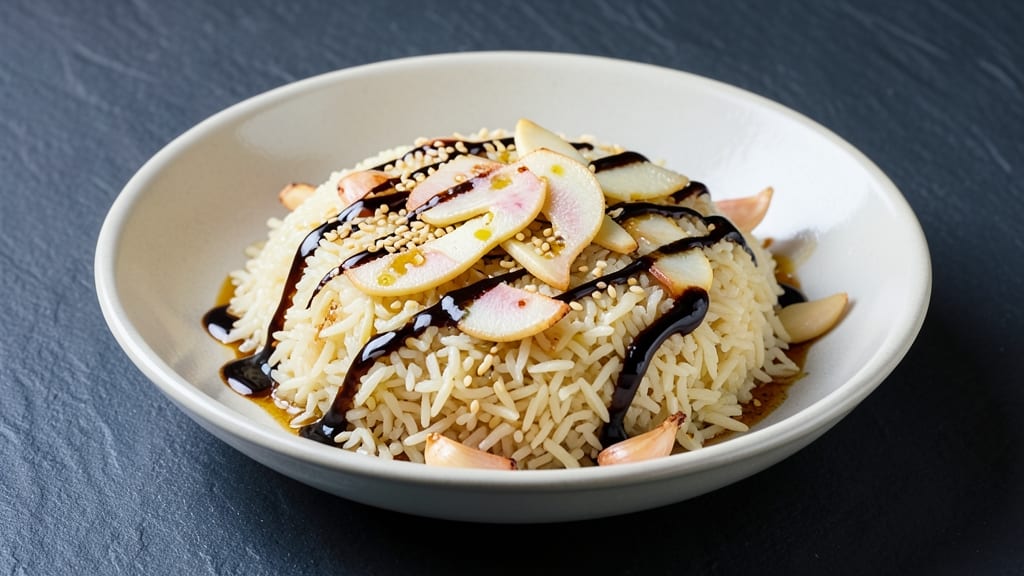
This Chinese ginger rice recipe transforms simple jasmine grains into fragrant, zesty bites with a crispy top that crackles with every spoonful. 🔥 The secret lies in balancing sweet and savory flavors through fresh ginger, garlic, and soy—creating a dish that's both comforting and sophisticated enough for dinner parties.
What sets this apart is the dual-texture magic: tender, aromatic rice with a golden crust that adds satisfying crunch. Perfect for serving alongside grilled proteins or fresh stir-fried vegetables, this dish delivers restaurant-quality results with minimal effort. The aromatic ginger infusion elevates plain rice into something truly special.
Ingredients for chinese ginger rice
Fragrant jasmine rice meets zesty ginger and soy for a restaurant-worthy dish that delivers dual-texture magic.
| Ingredient | Amount | Notes |
|---|---|---|
| Jasmine Rice 🍚 | 1 ½ cups | Uncooked, long-grain preferred |
| Fresh Ginger 🌿 | ½ cup | Finely grated, aromatic variety |
| Garlic Cloves 🧄 | 4 cloves | Minced, fresh preferred |
| Light Soy Sauce 🍶 | ¼ cup | Kikkoman brand recommended |
| Dark Soy Sauce 🍶 | 1 tbsp | For depth of flavor |
| Sesame Oil 🫒 | 1 tbsp | Toasted, for aroma |
| Honey 🍯 | 1 tbsp | Pure, for sweetness |
| Vegetable Oil 🫒 | 2 tbsp | High smoke point |
| Green Onions 🧅 | 4 whole | Thinly sliced, for garnish |
| Sesame Seeds 🌰 | 1 tbsp | Toasted, for texture |
| Salt 🧂 | 1 tsp | Diamond Crystal preferred |
| White Pepper 🌶️ | ¼ tsp | Freshly ground |
| Rice Vinegar 🍶 | 1 tbsp | For brightness |
| Water 💧 | 2 cups | Filtered preferred |
The ginger is non-negotiable—look for fresh, plump rhizomes with tight skin and no soft spots. Whole Foods or Asian markets carry the best quality. For maximum aroma, grate it yourself (pre-grated loses potency fast). The jasmine rice should be long-grain and uncooked, with a fragrant aroma—Thai Kitchen brand is reliable if you can't find specialty stores. Toast the rice in the pot for 2 minutes before adding water to develop its natural nuttiness, which forms the aromatic base for the ginger infusion.
No fresh ginger? Powdered ginger at half the amount works in a pinch, but the flavor won't be as vibrant. Substitute dark soy sauce with 1 tbsp molasses plus 1 tsp soy sauce for a similar depth. Sesame oil is purely for aroma—use sparingly, or swap for 1 tsp toasted sesame paste if you prefer. The honey can be replaced with maple syrup, though it'll alter the flavor profile slightly. For extra crispiness, sprinkle 1 tbsp panko breadcrumbs on top before broiling—it mimics the traditional crispy crust without extra effort.
Toasted sesame seeds keep for 3 months in an airtight container, while fresh ginger lasts 2 weeks in the fridge. The cooked rice reheats beautifully—just add a splash of water and cover with a damp paper towel to restore moisture. For meal prep, portion into glass containers with tight lids to maintain the crispy top. Store for up to 4 days in the fridge, though the texture softens after day 2. Freeze for 3 months if needed, but expect a slightly denser texture upon thawing.
Why You'll Love This Recipe
- Fewer Ingredients, Bigger Flavor: I swear by this combo—just rice, ginger, garlic, and soy—but it packs a punch. That fresh ginger? It’s the secret weapon, bright and zesty without overpowering, while the dark soy adds this deep, caramelized richness.
- One-Pot Magic: No fancy equipment here—just a pot, a lid, and 20 minutes of hands-off time. The rice gets perfectly fragrant from the garlic and ginger, and the soy sauce keeps it sticky just enough. Honestly, it’s the kind of dish that makes me feel like a pro.
- Lunchbox Hero: This rice reheats like a dream and keeps its texture for days. Toss it with leftover chicken, quick-fried veggies, or even just an egg—it’s my go-to for packed lunches. My kids actually finish their meals when this is involved.
- Budget-Friendly Staple: Jasmine rice is cheap, ginger lasts forever, and a little soy goes a long way. I make this when I’m pinching pennies, and it still feels special. Plus, the leftovers taste just as good the next day—no sad, dry rice here.
Step-by-step instructions for fragrant Chinese ginger rice
Here's how to transform simple jasmine rice into restaurant-quality ginger rice with crispy tops and aromatic depth.
👨🍳 Step 1: Prepare the Ginger-Garlic Aromatics
In a small bowl, combine the 0.5 cup fresh ginger and 4 cloves garlic cloves. Using a microplane, grate the ginger until you have a fine, paste-like consistency—this releases the maximum flavor. For the garlic, mince it finely so it blends seamlessly into the rice without large chunks.
Heat 1 tablespoon vegetable oil in a large skillet over medium heat until shimmering. Add the ginger-garlic mixture and sauté for 2-3 minutes until fragrant and the raw aroma gives way to something warm and inviting. Be careful not to let it brown—ginger burns quickly and becomes bitter. Remove from heat and set aside.
🍳 Step 2: Toast the Sesame Seeds and Build the Flavor Base
In the same skillet (no need to clean it—the fond adds depth), add 1 tablespoon vegetable oil and 1 tablespoon sesame seeds. Toast over medium-low heat for 1-2 minutes until the seeds turn golden and release their nutty aroma. Immediately transfer to a small bowl and set aside.
Return the skillet to medium heat and add 1 tablespoon sesame oil. Pour in 0.25 cup light soy sauce, 1 tablespoon dark soy sauce, 1 tablespoon honey, and 1 tablespoon rice vinegar. Stir constantly for 1 minute until the mixture reduces slightly and coats the back of a spoon. This creates the flavor foundation that will infuse every grain.
🥘 Step 3: Layer the Rice and Infuse the Flavors
Rinse the 1.5 cups jasmine rice under cold water until the water runs clear, then drain well in a fine-mesh strainer. Spread the rice evenly in the skillet with the flavor base, stirring gently to coat every grain. Cook uncovered over medium-low heat for 5 minutes, stirring occasionally, until the rice becomes translucent at the edges.
Add the 2 cups water and the ginger-garlic mixture. Stir once to distribute, then bring to a gentle simmer. Reduce heat to low and cover with a tight-fitting lid. Let cook for 15 minutes without disturbing—this steam infusion is crucial for even cooking and maximum aroma development.
🔥 Step 4: Develop the Crispy Top and Finish
After 15 minutes, uncover the rice and increase heat to medium-high. Let it cook undisturbed for 2-3 minutes until the top forms a golden-brown crust—this is where the magic happens. The contrast between the crispy top and tender interior creates the perfect texture.
Stir in the toasted sesame seeds and remaining 1 teaspoon salt and 0.25 teaspoon white pepper. Fold gently to distribute. For extra brightness, sprinkle with the 4 whole green onions sliced thinly. Serve immediately while the top is still crisp—this dish is best enjoyed fresh from the pan.
Pro Tips For Making Chinese Ginger Rice
- TOAST THE GINGER: I learned this the hard way—raw ginger in this dish just tastes like medicine. Slice it thin (about 1/8-inch), then fry it in oil on medium-high until it’s golden and fragrant, not just softened. That caramelized edge makes all the difference, especially when paired with the garlic.
- USE TWO SOY SAUCES SEPARATELY: Don’t mix them upfront—light soy adds brightness, dark soy gives depth. Stir in the light soy after the rice is cooked to keep it vibrant, then add dark soy just before serving to coat the grains. Your rice will look richer and taste more balanced.
- STEAM THE RICE FIRST: Par-cook the jasmine rice in a steamer for 12–15 minutes until just tender but still slightly firm. This prevents mush when you later stir-fry it with the ginger and garlic. Trust me, your rice will stay distinct and fluffy.
- GARLIC TO 60% CRISPY: Slice garlic cloves lengthwise into thin slivers (not minced) and fry until the edges turn golden but the center stays soft. Overdoing it burns the flavor, but undercooking leaves it raw. Aim for 60% crispy—this balances the ginger’s bite and adds texture.
Essential equipment for great chinese ginger rice
Skillet Essentials
Your 12-inch cast iron skillet is non-negotiable for this recipe—it retains heat perfectly and develops that coveted crispy top. I swear by my Lodge Pre-Seasoned Cast Iron skillet; it’s durable and develops a natural non-stick patina over time.
For a budget-friendly alternative, a stainless steel skillet with a glass lid works well, but avoid non-stick—it can’t handle the high heat needed for the crispy crust. 🔥
Ginger Tools
Fresh ginger makes all the difference, so invest in a microplane—it creates a fine, paste-like texture that infuses flavor deeply. A cheese grater works in a pinch, but it yields larger, less aromatic pieces.
For garlic, a garlic press saves time, but I prefer mincing with a sharp chef’s knife for better control. Avoid pre-grated ginger from jars; it loses potency fast and often contains fillers.
Measuring Precision
Use a digital kitchen scale for the rice and water measurements—1.5 cups jasmine rice should weigh about 300 grams uncooked. This ensures consistent texture every time. For liquids like soy sauce and honey, a liquid measuring cup with clear markings prevents over- or under-measuring.
I keep my OXO Good Grips set handy; it’s ergonomic and accurate. Precision here balances the sweet-savory profile perfectly.
Heat Control Helpers
A thermometer isn’t strictly necessary, but a stovetop thermometer (like the Thermoworks Thermapen) helps gauge your skillet’s temperature—aim for medium-low (275°F) when toasting sesame seeds and medium-high (375°F) for the crispy top.
If you lack a thermometer, use the hand test: hover your hand over the skillet—it should feel warm but not scorching. For even heat distribution, place your skillet on the back burner of a gas stove or the middle rack of an electric coil.
Crisp-Top Secrets
To achieve that golden crust, I recommend a tongs set with long handles—OXO Good Grips again—to gently stir the rice without crushing the grains.
For extra crispiness, keep a small broiler pan ready: if your skillet’s top isn’t browning evenly, transfer it to the broiler for 1-2 minutes under the high heat setting. Just watch closely to avoid burning! A heat-resistant spatula helps scrape up any stuck bits for maximum flavor extraction. ✨
Nutrition facts
Frequently asked questions
Can I make this ginger rice in a rice cooker?
While possible, a rice cooker won't give you that signature crispy top. For best results, use a skillet—it distributes heat more evenly and allows you to control the final crisping step. If you must use a rice cooker, spread the cooked rice on a baking sheet and broil for 2-3 minutes at 450°F to create crispy edges.
What's the secret to balancing sweet and savory flavors?
The key is the ratio of ingredients: 1 tbsp honey to 0.25 cup soy sauce creates harmony. The dark soy sauce adds depth, while rice vinegar brightens everything. Taste as you go—adjust with an extra ½ tsp honey if you want more sweetness or ½ tsp soy sauce for more umami.
How do I store leftovers without losing the crispy texture?
Store in an airtight container with parchment paper between layers to preserve moisture. Reheat in a skillet over medium heat with a splash of water, then cover for 2 minutes before uncovering to restore crispiness. For extra crunch, broil for 1 minute at the end.
Can I substitute basmati rice for jasmine?
Basmati works but lacks jasmine's signature floral aroma. If substituting, use 1.6 cups basmati (it expands more) and add ½ tsp cardamom during cooking to mimic jasmine's fragrance. For texture, basmati will be slightly firmer but still delicious.
Why did my ginger rice turn out mushy?
Overcooking or too much water are the usual culprits. Use the 1:1 rice-to-water ratio (1.5 cups rice to 2 cups water) and cook on low heat after initial simmering. Avoid lifting the lid while cooking—steam is crucial for even texture. If it's still mushy, spread it on a tray and bake at 350°F for 10 minutes to dry it out.