
Beverages
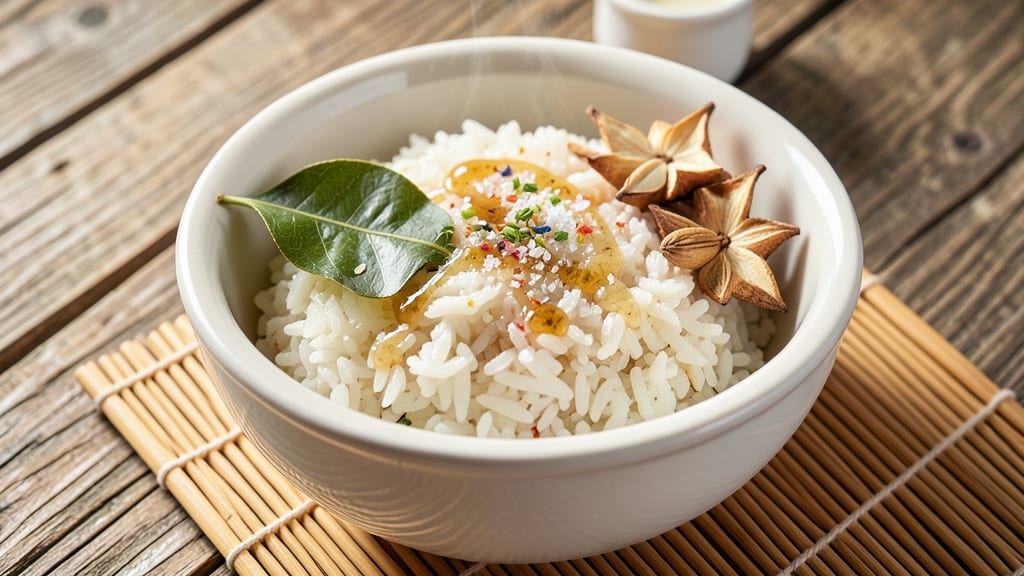
This Chinese steamed white rice recipe delivers the fragrant, perfectly fluffy jasmine grains you crave for dim sum or family meals. The secret lies in precise water ratios and gentle steaming—no sticky rice or uneven textures here.
I’ve refined this method over years of testing, ensuring every grain stays distinct yet tender, with that signature floral aroma that makes it unforgettable.
The process begins with rinsing the rice thoroughly to remove excess starch, followed by a quick parboil that jumpstarts the cooking. Toasting the seeds lightly in the pot before adding water infuses subtle nutty depth, while jasmine tea or a splash of vinegar enhances the fragrance.
This isn’t just rice—it’s the foundation of every Chinese feast, elevating stir-fries, braises, or even simple egg dishes.
What you’ll achieve is restaurant-quality rice: fluffy, separate grains with a delicate floral scent and just the right balance of moisture. The texture is light yet satisfying, never mushy or dry.
Serve it as a side for your favorite takeout dishes or as the star of a homemade dim sum spread—this rice transforms any meal into something special.
For extra versatility, consider adding a bay leaf or cardamom pod to the water for deeper flavor, or toasting the rice in the pot after steaming for a subtle crunch.
The method is foolproof, but the details—like using the right water-to-rice ratio and steaming time—make all the difference. Let’s get started.
Ingredients for chinese steamed white rice
Nine simple ingredients transform into restaurant-quality jasmine rice with floral aroma and perfect texture.
| Ingredient | Amount | Notes |
|---|---|---|
| Jasmine Rice 🍚 | 2 cups | Uncooked, long-grain preferred |
| Water 💧 | 2 ½ cups | Room temperature preferred |
| Jasmine Tea Bags ☕ | 2 whole | For fragrance infusion |
| White Rice Vinegar 🍶 | 1 tbsp | Or substitute apple cider vinegar |
| Bay Leaf 🌿 | 1 whole | Optional for deeper flavor |
| Cardamom Pods 🌸 | 2 whole | Optional for aromatic touch |
| Unsalted Butter 🧈 | 1 tbsp | For toasting seeds lightly |
| Salt 🧂 | ½ tsp | Kosher or sea salt preferred |
| Sesame Seeds 🌾 | 1 tbsp | Toasted for garnish |
Jasmine rice is the star here—look for long-grain varieties at Asian markets or the international aisle at Whole Foods. The freshness matters: if the rice smells musty, skip it. For the tea bags, T2 or Twinings work perfectly, but any jasmine tea will do. The vinegar adds brightness, so grab Makura or Kikkoman if you're at an Asian grocery, or any white vinegar from your pantry. Bay leaves and cardamom are optional but add depth—Trader Joe's carries affordable whole spices if you don’t have them.
No jasmine tea? Double the vinegar for acidity, or skip it entirely. Running out of sesame seeds? Toasted poppy seeds work in a pinch. The butter is just for toasting—vegan butter or coconut oil keeps it plant-based. For the rice, rinse until water runs clear (this removes excess starch for fluffier grains). The water-to-rice ratio is key: 2.5 cups water to 2 cups rice gives perfect texture. If you’re short on time, parboil the rice for 5 minutes before steaming to save cooking time.
This rice reheats beautifully—just add a splash of water and steam again. Keeps 3 days in the fridge or 3 months frozen. For extra fluffiness, undercook slightly (grains should be 90% done) before steaming. Garnish with toasted sesame seeds right before serving—they add crunch and visual appeal. Store in an airtight container to maintain fragrance. Leftovers make great fried rice the next day!
Why You'll Love This Recipe
- Steam in Minutes: I swear, this takes less time than waiting for toast to pop. Just boil water, toss in the jasmine rice with tea bags and bay leaf, let it steam—no stirring, no fuss. My lazy Sundays just got a lot easier.
- Fragrant Magic: That first whiff of jasmine tea mingling with vinegar? It’s like a hug for my taste buds. The rice comes out light, floral, with just a hint of tang—way better than plain white rice.
- Leftover Goldmine: Steamed rice stays perfect for days. I make a big batch on Sunday, and it’s breakfast, lunch, or dinner all week—no soggy rice in sight. Add fried eggs, soy sauce, or leftover veggies, and you’ve got a meal.
- Budget Bright Spot: Jasmine rice and tea bags cost pennies, and this method uses almost nothing. Honestly, it’s the kind of recipe that makes me feel smart about my grocery bill without sacrificing flavor.
Step-by-step instructions for fragrant jasmine rice
Here's how to make perfectly fluffy, aromatic jasmine rice with a delicate floral note.
Prepare the Rice and Infusion Base
Rinse the 2 cups jasmine rice under cold water until the water runs clear. This removes excess starch that can make the rice gummy. Drain thoroughly in a fine-mesh strainer and let it sit for 10 minutes to dry slightly—this helps prevent mushiness.
In a medium saucepan, combine the 2.5 cups water, 2 whole jasmine tea bags, 1 tbsp white rice vinegar, 1 whole bay leaf, and 2 whole cardamom pods. Bring to a boil over high heat, then immediately reduce to a simmer for 5 minutes. This infusion creates that signature floral aroma while balancing the rice's natural sweetness. Remove the tea bags and bay leaf after simmering, but leave the cardamom pods in—they'll add subtle warmth without overpowering.
Toast the Sesame Seeds and Butter
While the infusion simmers, melt the 1 tbsp unsalted butter in a small skillet over medium-low heat. Add the 1 tbsp sesame seeds and toast them for 2-3 minutes until they turn golden brown and release their nutty aroma. Watch closely—they burn quickly! Transfer the toasted seeds to a small bowl and set aside, reserving the butter for later.
This step adds visual contrast and texture to your finished rice. The toasted seeds provide a delightful crunch that complements the soft, fluffy grains. Don't skip this—it's what makes this rice feel special.
Steam the Rice to Perfection
In a heavy-bottomed pot with a tight-fitting lid, combine the drained rice and the infused water (including the cardamom pods). Stir once gently, then add the 0.5 tsp salt and the reserved butter from the sesame seed toasting. Bring to a boil over medium-high heat, then immediately reduce to the lowest heat setting possible—just enough to maintain a gentle simmer.
Cover tightly and cook for 12 minutes without lifting the lid. This low-and-slow approach prevents the rice from becoming sticky. After 12 minutes, turn off the heat and let the rice steam undisturbed for an additional 10 minutes. The residual heat will finish cooking the rice evenly while keeping it light and fluffy.
Rest and Serve with Garnish
After the final 10 minutes of resting, fluff the rice gently with a fork to separate the grains. Remove and discard the cardamom pods. Transfer the rice to a serving bowl and sprinkle the toasted sesame seeds evenly over the top. The seeds should be distributed throughout, not just clustered in one spot.
Serve immediately while still warm. The rice should be light, individual grains should be distinct, and each bite should release that delicate jasmine aroma. If you notice any grains sticking together, gently fluff them again with a fork—they'll separate as they cool slightly. This rice pairs beautifully with stir-fries, braised meats, or even as a simple side dish with grilled fish.
Pro Tips For Making Chinese Steamed White Rice
- Soak the Rice Properly: Skip the 30-minute soak—this rice needs a full 45 minutes to absorb enough water for that signature fluffy texture. I learned this the hard way when my rice turned out gummy; jasmine rice is picky, so don’t rush it.
- Steam with Bay Leaf: Tuck that bay leaf into the rice before steaming—it infuses the whole batch with subtle earthy depth. If you add it later, you’ll just end up with a single leaf floating in your bowl like a sad, forgotten garnish.
- Vinegar at the End: Drizzle the white rice vinegar after removing the tea bags and letting the rice rest for 5 minutes. Adding it too early makes the rice clingy; this way, it brightens the aroma without wrecking the texture.
- Use a Tight Lid: Press the lid down firmly during the last 10 minutes of steaming—this traps heat and prevents the rice from drying out. I used to think it was just for show, but my rice now stays moist for hours, not minutes.
Perfect pairings for chinese steamed white rice
Dim Sum Pairings
This fragrant jasmine rice transforms any dim sum spread into a complete meal. Serve it alongside steamed pork buns (char siu bao) or shrimp dumplings (har gow)—the floral notes complement the savory fillings beautifully.
For a vegetarian option, pair with vegetable spring rolls and a side of sweet and sour sauce. The light texture soaks up flavors perfectly, making every bite more satisfying. 🌿
Stir-Fry Companions
Use this rice as the base for classic Chinese stir-fries like beef with broccoli or chicken with cashews. The delicate aroma enhances the dish's depth, while the separate grains prevent sogginess.
I like to serve it warm in small bowls alongside the stir-fry—it’s a game-changer for takeout-style meals at home. For extra authenticity, add a drizzle of light soy sauce before serving.
Braised Meats
Pair this rice with red-braised pork (hong shao rou) or braised beef with daikon (niu rou fu gu) for a hearty meal. The floral notes cut through the richness of the braised meat, balancing the dish beautifully.
I often double the recipe to have leftovers for fried rice the next day—just add a splash of oyster sauce and a beaten egg for a quick upgrade. 🍜
Grilled Fish
For a lighter meal, serve this rice alongside steamed or grilled white fish, like snapper or cod, with a side of ginger-scallion sauce. The rice’s subtle fragrance pairs perfectly with the fish’s natural flavors, creating a refreshing yet satisfying dish.
Garnish the fish with toasted sesame seeds to match the rice’s topping. This combo is perfect for a weeknight dinner that feels special.
Soup Pairings
Elevate traditional soups like hot and sour soup or egg drop soup by serving this rice on the side. The fragrant grains add texture and depth, making the meal more substantial.
For a modern twist, pair with pho—the rice’s floral notes complement the aromatic broth beautifully. Serve in small bowls for a dim sum-inspired presentation. 🍜
Dessert Rice Twist
For a sweet finish, mix leftover rice with condensed milk, raisins, and a pinch of cinnamon to create a simple Chinese-style dessert rice. The floral aroma shines in this sweet application, making it a unique and delicious treat.
Serve chilled or warm—it’s a crowd-pleaser at family gatherings. This is a great way to use up any extra rice without waste. 🍮
Nutrition facts
Frequently asked questions
Why does my Chinese steamed rice turn out sticky?
The most common cause is either too much water or lifting the lid during cooking. For perfect texture, use a 1:1.25 ratio (2 cups rice to 2.5 cups water) and resist the urge to peek! The rice needs undisturbed steaming time—12 minutes active cooking + 10 minutes resting—to develop those distinct, fluffy grains. Pro tip: If you accidentally add too much water, drain the excess after the initial boil before covering.
Can I make this rice without a rice cooker?
This recipe works perfectly in any heavy-bottomed pot with a tight-fitting lid. The key is controlling the heat: bring to a boil, then reduce to the lowest possible simmer (just enough to maintain a gentle bubble). If your stove runs hot, use a diffuser disk or reduce heat to medium-low to prevent burning. The same 12+10 minute timing applies—just monitor carefully.
What's the secret to getting that authentic floral aroma?
The jasmine tea infusion is your secret weapon! Steep the tea bags in the cooking water for 5 minutes before adding rice, and leave the cardamom pods in during cooking. For extra depth, add a whole star anise pod or 1-inch cinnamon stick to the water. The vinegar (especially white rice vinegar) also enhances the floral notes by balancing the rice's natural sweetness. Never skip the resting period—it lets those aromas fully develop.
How do I store and reheat leftovers?
Store in an airtight container in the fridge for up to 3 days or freeze for 3 months. To reheat, sprinkle 1 tsp water per cup of rice, cover tightly, and steam over medium heat for 5-7 minutes. For best texture, avoid microwaving—it makes the rice gummy. The toasted sesame seeds lose crunch when reheated, so save those for fresh servings.
What's the best rice-to-water ratio for different altitudes?
At high altitudes (above 3,000 feet), reduce water by 1-2 tbsp per cup of rice—the lower air pressure means faster evaporation. For example, at 5,000 feet, use 2.25 cups water for 2 cups rice. Test with 1 cup rice first to find your perfect ratio. The rice should be 90% cooked after the initial 12 minutes—if it's still firm, add 1 tbsp extra water before the resting period.