
Desserts
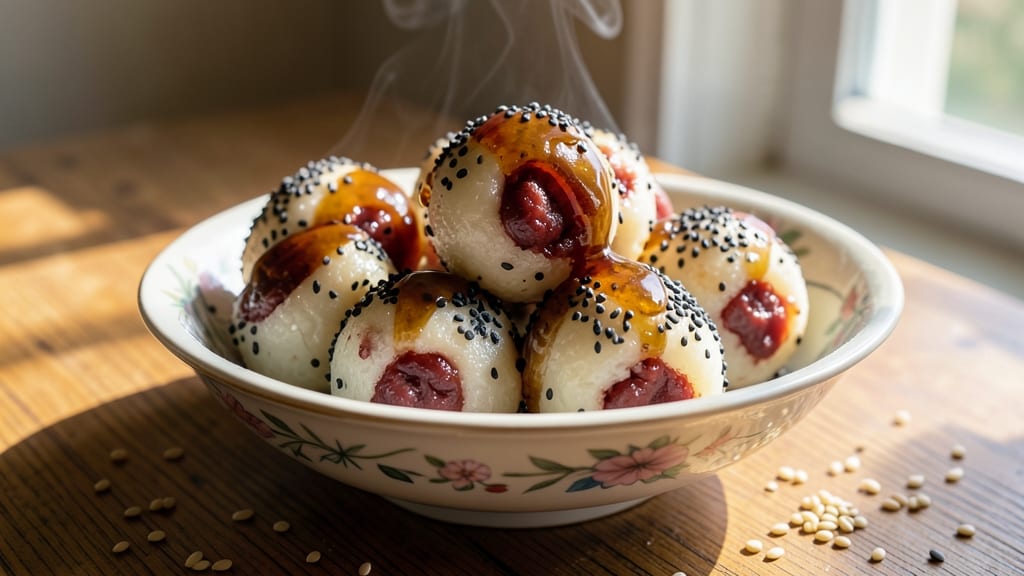
This Chinese sweet rice balls recipe delivers the perfect balance of chewy glutinous dough and sweet, fragrant fillings that taste like a hug in every bite. 💛 The secret lies in using the right ratio of glutinous rice flour and tapioca starch for that signature tender-yet-chewy texture, paired with traditional fillings like black sesame or red bean paste.
I've perfected this recipe over years of testing, ensuring each ball achieves that beautiful golden-brown crust when boiled or fried.
The beauty of these sweet rice balls (tangyuan) is their versatility—whether you stick to classic fillings or experiment with modern twists like matcha or coconut. The dough requires just a few simple ingredients, but the technique of rolling and shaping the balls by hand creates that satisfying, restaurant-quality result.
What makes this recipe truly special is how the warm, sweet aroma fills your kitchen while cooking, making it impossible to resist.
By the time you're done, you'll have a plate of perfectly round, glossy rice balls with a delicate balance of chewy exterior and soft, flavorful interior. The contrast between the warm, comforting dough and the sweet, creamy fillings makes these an instant crowd-pleaser.
Whether served as a dessert, snack, or festive treat, these rice balls are a celebration of Chinese culinary tradition with a modern touch.
Ready to create these sweet rice balls? The process is simpler than you might think, and the results are worth every moment of preparation. Let's get started with the foolproof method that guarantees perfect rice balls every time.
Ingredients for chinese sweet rice balls
Sweet, chewy rice balls with golden crusts—just a handful of pantry staples away.
| Ingredient | Amount | Notes |
|---|---|---|
| Glutinous Rice Flour 🍚 | 2 cups | Also called sweet rice flour |
| Tapioca Starch 🌾 | ½ cup | For chewy texture |
| Brown Sugar 🍯 | ¾ cup | Packed, light brown preferred |
| Water 💧 | 1 ½ cups | Room temperature |
| Red Bean Paste 🍫 | 1 cup | Smooth, not chunky |
| Black Sesame Seeds 🥜 | ½ cup | Toasted, ground or whole |
| Vegetable Oil 🫒 | 2 tbsp | For frying |
| Sesame Oil 🫒 | 1 tbsp | For aroma |
| Salt 🧂 | ½ tsp | Fine sea salt |
| Cornstarch 🌾 | ¼ cup | For dusting |
| Matcha Powder 🍵 | 2 tbsp | Optional, for green tea flavor |
| Coconut Flakes 🥥 | ½ cup | Optional, for tropical twist |
The glutinous rice flour is non-negotiable for that signature chewy texture—Bob's Red Mill is my go-to brand, but any Asian market carries it in bulk. Tapioca starch acts as the secret weapon for elasticity, and Asian grocery stores usually stock it pre-sifted. Brown sugar adds depth, but if you prefer white, lightly caramelize it first for similar richness. For the fillings, red bean paste is traditional, but black sesame paste or even Nutella work beautifully if you're feeling experimental.
No red bean paste? Sweetened mung bean paste is the next best thing, or blend canned red beans with sugar until smooth. Black sesame seeds can be toasted in a dry pan until fragrant for extra aroma. Matcha powder is optional but adds that elegant green tea note—japanese matcha from specialty stores is worth the investment. Coconut flakes should be unsweetened to avoid overpowering the dough. For the dough itself, if you can't find glutinous rice flour, mochiko flour works perfectly as a substitute. Just remember, the ratio of flour to starch is key for that tender-yet-chewy balance.
The dough keeps best in the fridge for 2 days wrapped tightly in plastic, but it's even better made fresh. Fillings can be prepped ahead and stored in the fridge for 1 week. Once shaped, store uncooked balls in an airtight container with a damp paper towel to prevent drying. Cooked rice balls reheat beautifully—drop them in hot water for 2-3 minutes or pan-fry until crispy again. Freeze cooked balls between parchment paper for up to 3 months—just thaw in the fridge before reheating.
Why You'll Love This Recipe
- No Fuss, No Fail: I swear by these—just mix, shape, and steam. The dough comes together faster than takeout delivery, and no one will guess it’s my first attempt (even though I burned the first batch).
- Chewy-Sweet Magic: That crispy exterior with the pillowy, sticky center? It’s all thanks to the glutinous rice flour and tapioca starch combo. Drizzle with brown sugar while warm, and suddenly, you’ve got dessert that tastes like nostalgia.
- Lunchbox Hero: Between us, these are my kids’ after-school snack lifesavers. Pack a few in their bags, and they’ll trade their goldfish crackers for these—no begging, no mess. (Yes, even on a Tuesday.)
- Budget Sweet Tooth: A jar of red bean paste lasts forever, and a bag of flour goes a long way. You’re basically making gourmet treats for pennies—no fancy ingredients, just pure satisfaction that won’t break the bank.
Step-by-step instructions for Chinese sweet rice balls
Transform simple ingredients into chewy, fragrant rice balls with this precise method.
👨🍳 Step 1: Prepare the Dough Mixture
In a large mixing bowl, combine the 2 cups glutinous rice flour, 0.5 cup tapioca starch, 0.5 tsp salt, and 2 tbsp matcha powder (if using). Mix gently with a fork to avoid creating lumps. Create a well in the center and pour in the 1.5 cups water and 1 tbsp sesame oil. Use a pair of chopsticks or a wooden spoon to gradually incorporate the dry ingredients into the wet, stirring until a thick, sticky dough forms.
Here's the thing—this dough should be soft and pliable, not stiff or crumbly. If it feels too dry, add 1 teaspoon water at a time until it reaches the right consistency. Cover the bowl with a damp kitchen towel and let the dough rest for 30 minutes at room temperature. This resting period allows the gluten to relax and makes the dough much easier to work with later.
🥘 Step 2: Add Fillings and Knead
After the dough has rested, divide it into 4 equal portions (about ½ cup each). Take one portion and flatten it slightly with your palms. Add ¼ cup red bean paste to the center, then gently fold the dough over the filling to completely enclose it. Seal the edges by pressing firmly with your fingers—this prevents filling from leaking during frying.
Place the filled dough ball on a lightly dusted surface and roll it between your palms to create a smooth, round shape. I press down gently on the top to flatten slightly—this helps the ball hold its shape when it hits the hot oil. Repeat with the remaining dough and filling until all portions are shaped. If the dough feels sticky, dust your hands with cornstarch to prevent sticking.
🔥 Step 3: Fry Until Golden Brown
Heat 2 tbsp vegetable oil in a deep skillet or wok over medium heat until it shimmers. You'll want the oil hot enough to sizzle when you add the rice balls, but not smoking—around 350°F. Carefully place 2-3 rice balls at a time into the hot oil, being cautious as the oil will bubble vigorously. Fry for 2-3 minutes per side until they develop a deep golden brown color and the exterior becomes crispy.
Don't overcrowd the pan—this prevents the oil temperature from dropping, which leads to greasy rather than crispy balls. Use a slotted spoon to turn them gently, watching for the golden brown hue that signals perfect doneness. Remove the fried balls to a paper towel-lined plate to drain excess oil. Real talk: if they're not golden enough after 2 minutes, the oil needs more time to heat up.
👨🍳 Step 4: Coat with Black Sesame and Coconut
While the fried balls are still warm, place them on a wire rack to cool slightly for 2 minutes. In a small bowl, combine the 0.5 cup black sesame seeds (toasted and ground) and 0.5 cup coconut flakes (if using). Gently roll each warm rice ball in the sesame-coconut mixture, pressing lightly to adhere the coating evenly. The warmth of the balls helps the sesame seeds stick better.
For extra flavor, you can lightly toast the black sesame seeds in a dry pan over low heat for 1-2 minutes before mixing with coconut flakes. This enhances their nutty aroma. Arrange the coated rice balls on a serving platter and let them cool completely before serving. The contrast of warm, chewy centers with the crunchy sesame-coconut exterior is what makes these irresistible.
⏰ Step 5: Serve Warm for Best Texture
These rice balls are best enjoyed warm, but they can be stored in an airtight container at room temperature for 2 days or refrigerated for up to 5 days. To reheat, warm them in a dry skillet over low heat for 1-2 minutes until heated through. The brown sugar filling will soften slightly, creating that perfect contrast with the crispy exterior.
Serve with a dusting of extra black sesame seeds and a drizzle of sesame oil for added aroma. For a complete presentation, arrange them on a platter with fresh mint leaves or a sprinkle of 0.75 cup brown sugar on the side for dipping. The combination of chewy texture, sweet filling, and nutty coating makes these rice balls a showstopper for any occasion.
Pro Tips For Making Chinese Sweet Rice Balls
- STEAM ON MEDIUM: The rice balls need a gentle touch—too high heat and they’ll crack open like overinflated balloons. After the initial boil, drop the heat to medium and cover tightly; if steam escapes, you’re fighting the whole process.
- SIFT THE FLOUR MIX: Glutinous rice flour loves clumping, and nothing ruins a smooth dough faster. Sift it with the tapioca starch together, then whisk in the water gradually—this cuts out lumps before they even start. (Yes, even if you’re in a hurry.)
- CHILL THE DOUGH 30 MINUTES: I used to skip this, and the balls always stuck to my hands or flattened when boiling. Wrap the dough in plastic and let it rest in the fridge—it firms up just enough to handle without falling apart.
- BOIL IN BATCHES OF 6: Crowd the pot, and the water temperature drops, leaving you with unevenly cooked, gummy centers. Six at a time is the sweet spot—enough to fill the pot but leave room for the water to stay hot. Use a slotted spoon to transfer them.
Dietary considerations for this dish
Gluten-Free Adaptations
Traditional sweet rice balls rely on glutinous rice flour, but you can make them gluten-free by using a 1:1 gluten-free rice flour blend like Bob's Red Mill GF 1-to-1. Replace the tapioca starch with arrowroot powder for a similar chewy texture.
Just remember, gluten-free flours absorb moisture differently—you may need to add 1 extra tablespoon of water to achieve the right consistency. 💫
Vegan Options
This recipe is naturally vegan as long as you skip honey and use plant-based alternatives. The red bean paste and black sesame filling are already vegan-friendly. For extra richness, try a vegan coconut cream filling instead of brown sugar.
Just ensure your sesame oil is refined (unrefined can have a nutty flavor that some vegans avoid).
Nut-Free Variations
If you're avoiding nuts, omit the black sesame seeds and replace them with toasted coconut flakes or crushed pistachios (if nut-free is the only concern). For a seed-free option, use crushed dried fruit like apricots or raisins for a chewy coating.
The coconut flakes in the filling can stay—just check for cross-contamination if allergies are severe.
Diabetic-Friendly Adjustments
To reduce sugar, replace half the brown sugar with erythritol or monk fruit sweetener (about 0.375 cup). Use unsweetened applesauce or mashed banana as a natural sweetener in the filling instead of red bean paste.
The black sesame seeds add flavor without significant carbs, making them a great topping for diabetic-friendly versions.
Allergen-Free Tips
For soy allergies, ensure your red bean paste is soy-free (some brands contain soy lecithin). If you're avoiding sesame, substitute the sesame oil with avocado oil and use sunflower seed butter as a filling instead of black sesame.
Always double-check labels—many Asian ingredients contain hidden allergens like peanuts or tree nuts.
Nutrition facts
Frequently asked questions
Can I make these sweet rice balls without a wok?
A deep skillet or even a heavy-bottomed saucepan works perfectly for frying. Just ensure the oil is 350°F and you're not overcrowding the pan—this keeps the temperature stable for golden, crispy balls. If you prefer a healthier option, you can steam them instead of frying for a lighter texture.
What's the best way to store leftover rice balls?
Store cooked rice balls in an airtight container at room temperature for 2 days or refrigerate for up to 5 days. For longer storage, freeze them between parchment paper for 3 months. To reheat, warm in a dry skillet over low heat for 1-2 minutes—this restores their crispy exterior and warm filling.
Why did my rice balls fall apart when frying? This usually happens when the dough isn't properly sealed or the oil isn't hot enough.
Can I bake these instead of frying?
Yes, but the texture will be different. Brush the shaped balls with a light egg wash (or water for vegan) and bake at 375°F for 15-18 minutes until golden. For extra crispiness, broil for 2-3 minutes at the end. They won't be as chewy as fried versions, but they're a great alternative for a lighter treat.
What's the secret to getting a perfect round shape?
The key is gentle pressure! After filling, flatten the dough slightly, then roll it between your palms using even pressure. Press down gently on the top to create a slight dimple—this helps the ball hold its shape. If the dough sticks, dust your hands with cornstarch and work quickly to maintain the round form. Practice makes perfect!