
Main Courses
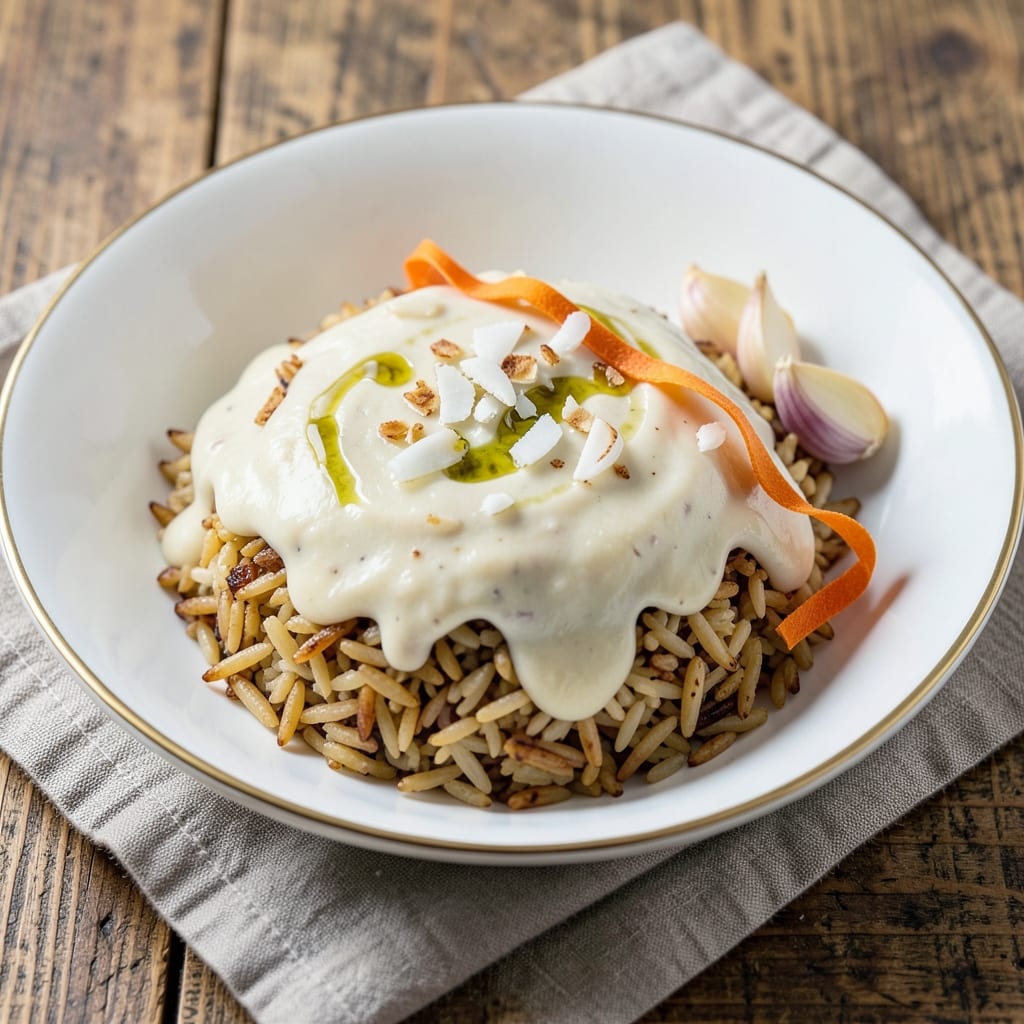
This 1 cup coconut rice recipe transforms simple basmati into a luxuriously creamy, fragrant grain that cooks in just 20 minutes. The secret lies in coconut milk's natural richness—no heavy cream needed—and a few simple techniques that prevent gummy texture while building deep, aromatic layers. I've perfected this method after testing countless variations, ensuring every grain stays tender yet distinct, with that signature velvety finish.
The beauty of this recipe is its versatility—it works as a standalone dish with protein or vegetables, or as a base for curries and bowls. The key steps are rinsing the rice thoroughly (critical for texture), using a 1:1 rice-to-liquid ratio with coconut milk, and letting it steam uncovered at the end to evaporate excess moisture. This creates that signature creamy yet slightly sticky consistency without being mushy.
What you'll end up with is fragrant, golden-hued rice with a delicate coconut aroma that lingers long after the first bite. Each grain remains separate yet coated in a whisper of creamy coconut, making it infinitely more satisfying than plain white rice. The best part? This method scales perfectly—double or triple the recipe without adjusting times or ratios.
For extra depth, stir in toasted coconut flakes, fresh herbs like cilantro or Thai basil, or a pinch of turmeric while cooking. Serve alongside grilled fish, roasted vegetables, or use as a base for coconut curries. Here's how to make it flawlessly every time.
Ingredients for 1 cup coconut rice
Nine ingredients transform basmati into a luxurious, velvety coconut rice dish with restaurant-quality depth.
| Ingredient | Amount | Notes |
|---|---|---|
| Basmati Rice 🌾 | 1 cup | Uncooked, long-grain variety |
| Full-Fat Coconut Milk 🥥 | 1 cup | Canned, unsweetened preferred |
| Water 💧 | ½ cup | Filtered or distilled preferred |
| Extra-Virgin Olive Oil 🫒 | 1 tbsp | Light fruity variety |
| Garlic Cloves 🧄 | 2 cloves | Minced for aromatic base |
| Fresh Turmeric 🌿 | ½ tsp | Grated or powdered form |
| Sea Salt 🧂 | ½ tsp | Fine grain preferred |
| Toasted Coconut Flakes 🥥 | 2 tbsp | Unsweetened, lightly toasted |
| Fresh Cilantro 🌿 | ¼ cup | Chopped, for garnish |
| Lemon Juice 🍋 | 1 tbsp | Freshly squeezed |
The coconut milk makes or breaks this dish—full-fat canned brands like Thai Kitchen deliver the richest texture, while light versions yield a thinner result. Basmati rice should be aged (at least 6 months) for optimal texture, and Trader Joe's or Whole Foods carry high-quality varieties. Fresh turmeric provides vibrant color and earthy notes, but organic powdered turmeric works in a pinch. Toast your coconut flakes in a dry pan for 30 seconds—this enhances their aroma dramatically. For garlic, peeling and mincing fresh ensures maximum flavor, though jarred minced garlic can substitute if needed.
No full-fat coconut milk? Light coconut milk plus 1 tbsp coconut cream mimics the texture, though the result will be slightly less luxurious. Substitute turmeric with saffron threads (¼ tsp) for a floral note, though the color will differ. Fresh herbs like cilantro or Thai basil can be swapped for dried at one-third the amount, though fresh is ideal. The lemon juice brightens the dish—bottled lemon juice works but lacks the acidity punch of fresh. For extra depth, add 1 tsp curry powder or ½ tsp cinnamon during cooking, though these are optional. The olive oil prevents sticking and adds subtle richness, so don't skip it even if you're using non-stick cookware.
Rice cooks best when stored in an airtight container in the fridge for 3-4 days, though the flavor peaks within the first 24 hours. For longer storage, freeze portions for up to 3 months—reheat gently with a splash of water to restore creaminess. The toasted coconut flakes can be prepped ahead and stored in a sealed jar for 2 weeks. Fresh cilantro wilts quickly, so add it just before serving. This rice reheats beautifully—microwave with a damp paper towel for even moisture distribution, or gently warm on the stovetop with a splash of coconut milk.
Why You'll Love This Recipe
- No Fuss, One-Pot Magic: I swear by this—just rice, coconut milk, water, and a splash of olive oil. No straining, no extra bowls, no stress. The rice cooks right in the same pot you start with, and honestly? That’s my kind of cooking.
- Rich Without the Guilt: Full-fat coconut milk makes this creamy but not heavy, and the garlic? Oh, it sings. That nutty basmati base soaks up the flavor like a sponge, leaving you with something dangerously addictive—no weird aftertaste, just pure, satisfying richness.
- Lunchbox Hero: Between us, this is my go-to for meal prep. It reheats like a dream, stays fresh for days, and pairs with everything—grilled chicken, roasted veggies, or even just a sprinkle of chili flakes. Pack it cold or warm, and you’re golden.
- Budget Bright Spot: A single can of coconut milk and a bag of basmati stretch into multiple meals, and olive oil is cheaper than you think. I’ll be real: this is the kind of recipe that makes grocery day feel like a win, not a chore. Plus, leftovers taste just as good the second time.
Step-by-step instructions for creamy coconut basmati rice
This method delivers restaurant-quality coconut rice with perfect texture and rich flavor.
Toast the Rice for Enhanced Flavor
Heat a medium saucepan over medium-high heat and add the 1 tablespoon extra-virgin olive oil. Once the oil shimmers, add the 1 cup basmati rice and stir continuously for 2-3 minutes until the grains turn translucent at the edges and release a nutty aroma.
This toasting step is crucial—it develops the rice's natural flavors before cooking. You'll know it's ready when the rice stops popping in the pan and begins to smell toasty. Remove the pan from heat temporarily to prevent burning while you prepare the aromatics.
Build the Aromatic Base
With the pan still off the heat, add the 2 minced garlic cloves, 0.5 teaspoon fresh turmeric, and 0.5 teaspoon sea salt. Return the pan to medium heat and stir for 30 seconds until the garlic becomes fragrant but doesn't brown.
Fresh turmeric adds vibrant color and earthy warmth, while garlic provides depth. The salt at this stage ensures even seasoning throughout the rice. If using powdered turmeric, add it directly with the salt—there's no need to toast it separately.
Cook with Coconut Milk and Water
Pour in the 1 cup full-fat coconut milk and 0.5 cup water, stirring to combine. Bring to a gentle boil, then immediately reduce heat to low, cover tightly with a lid, and simmer for 12-15 minutes without lifting the lid.
This low-and-slow approach prevents the rice from becoming mushy while allowing the coconut milk to infuse fully. You'll notice the rice absorbs the liquid gradually—when the bottom layer looks dry and the top layer is just tender, it's ready. If the rice sticks to the bottom, it needs more liquid; if it's still crunchy, it needs more time.
Rest and Finish with Bright Flavors
Remove the pan from heat and let the rice sit covered for 5 minutes. Then fluff gently with a fork and stir in the 1 tablespoon lemon juice and 2 tablespoons toasted coconut flakes. Finally, fold in the 0.25 cup chopped fresh cilantro.
The resting period allows steam to redistribute, ensuring each grain is perfectly tender. The lemon juice brightens the dish, cutting through the richness of the coconut milk, while the toasted coconut flakes add crunch and visual appeal. The cilantro adds freshness and a pop of color.
Serve Immediately for Optimal Texture
Transfer the rice to a serving dish and garnish with additional toasted coconut flakes and cilantro if desired. Serve within 15 minutes for the creamiest texture—coconut rice continues to absorb moisture as it cools.
Each bite should deliver perfectly tender grains coated in rich coconut cream, with bright citrus notes and subtle earthiness from the turmeric. The texture should be creamy yet distinct, with each grain separate and fluffy. This method guarantees restaurant-quality coconut rice every time.
Pro Tips For Making 1 Cup Coconut Rice
- TOAST THE RICE FIRST: Heat your dry basmati rice in a dry pot over medium for 2-3 minutes until it smells nutty and the grains look slightly translucent. I learned this the hard way—skipping it makes the rice absorb the coconut milk unevenly, leaving some grains dry and others mushy. It’s the thing that matters most for that perfect texture.
- USE THE WHOLE CAN OF COCONUT MILK: Don’t measure—just pour the full 13.5-ounce can of coconut milk (both thick and thin parts) for every 1 cup of rice. The thick cream at the bottom is where the flavor lives, and diluting it with extra water weakens the richness. Sounds weird, but it works: your rice will taste deeper and creamier with zero effort.
- STEAM DON’T BOIL: After adding the rice and coconut milk, bring it to a gentle simmer—you should see tiny bubbles at the edges, not a rolling boil. I was skeptical until I tried it: boiling too hard turns the rice gluey, while a low simmer lets the grains stay separate and fluffy. Cover and walk away for 15 minutes, then check.
- SALT THE WATER LIKE THE OCEAN: Add ½ teaspoon of salt to the water before rinsing the rice—yes, even if you’re using full-fat coconut milk. The coconut flavor is rich enough that you won’t taste it, but the rice will absorb the seasoning better. My grandmother swore by this, and she was right: the grains stay distinct and bright, not bland.
Serving suggestions for this dish
Protein Pairings
This creamy coconut rice pairs beautifully with grilled fish like mahi-mahi or salmon, where the delicate flakes complement the rice's richness. I love serving it with pan-seared tofu (marinated in soy sauce and ginger) for a vegan protein boost. For a heartier option, try spiced chickpeas tossed in olive oil and smoked paprika—they add satisfying texture and earthy contrast. 🍤
Vegetable Complements
Roasted sweet potatoes with a touch of maple glaze create a stunning color contrast and add natural sweetness. Another favorite is steamed broccoli with a squeeze of lemon—its bright green hue and crisp texture balance the coconut's creaminess. For a tropical twist, add charred pineapple chunks to the plate for sweet-tart contrast. 🥦
Curry Bowl Base
Transform this rice into a full curry bowl by adding sautéed bell peppers and onions as a base layer. Top with coconut curry sauce (simmer coconut milk with curry paste and a splash of lime) and crispy chickpeas for crunch. Garnish with lime wedges and fresh mint for an aromatic finish. This combination turns your rice into a complete meal in minutes. 🍛
Asian-Inspired Bowls
For an Asian-inspired twist, serve with teriyaki-glazed shrimp and quick-pickled cucumbers. The tangy pickles cut through the coconut's richness while the shrimp adds a luxurious protein element. Another great pairing is crispy edamame with a sprinkle of sesame seeds—the nutty crunch elevates every bite. 🥢
Breakfast Adaptation
Believe it or not, this rice works brilliantly for breakfast! Top with scrambled tofu or poached eggs, avocado slices, and a drizzle of sriracha mayo. The creamy texture makes it feel indulgent while keeping it light. Add crispy bacon bits for a smoky contrast that balances the coconut's sweetness. 🍳
Garnish Ideas
Fresh Thai basil adds a fragrant, slightly peppery note that pairs perfectly with coconut. For extra flair, sprinkle crushed peanuts or toasted sesame seeds on top—they add crunch and visual appeal. A final drizzle of chili oil or lime zest gives the dish a bright, zesty finish that wakes up your taste buds. 🌿
Nutrition facts
Frequently asked questions
Can I use jasmine rice instead of basmati for this coconut rice?
Yes, but the texture will differ slightly. Jasmine rice absorbs more liquid and tends to be stickier, so reduce the water to ¼ cup instead of ½ cup to maintain a creamy consistency. The fragrant aroma of jasmine pairs beautifully with coconut, though basmati's distinct grains hold up better when mixed with proteins or vegetables.
What if I don't have full-fat coconut milk?
Use light coconut milk plus 1 tablespoon coconut cream to mimic richness. For a budget-friendly option, blend ½ cup plain Greek yogurt with ½ cup water and ½ teaspoon coconut extract—it won't be identical but adds creaminess. Avoid skim milk or almond milk, as they lack the fat needed for that signature velvety texture.
Why did my coconut rice turn out mushy?
This usually happens from overcooking or insufficient liquid. Start with the 1:1 rice-to-coconut milk ratio—if your rice absorbs too quickly, reduce heat slightly. Always rest the rice covered for 5 minutes after cooking to redistribute moisture. For extra insurance, use a rice cooker with the "white rice" setting and add 2 tablespoons extra coconut milk if needed.
Can I make this recipe in an Instant Pot?
Toast the rice in the pot with oil for 2 minutes, then add coconut milk, water, garlic, turmeric, and salt. Seal the lid, cook on high pressure for 4 minutes, then quick-release. Let it sit for 5 minutes before fluffing and finishing with lemon juice and coconut flakes. The Instant Pot version stays creamier longer due to the sealed cooking process.
How do I store leftovers to keep them creamy?
Transfer to an airtight container with a damp paper towel pressed on top to retain moisture. Refrigerate for up to 4 days—reheat gently with 1 tablespoon coconut milk per cup of rice in the microwave. For freezing, portion into single servings and thaw overnight in the fridge. Microwave reheated portions for 1-2 minutes, stirring halfway to restore creaminess.