
Main Courses
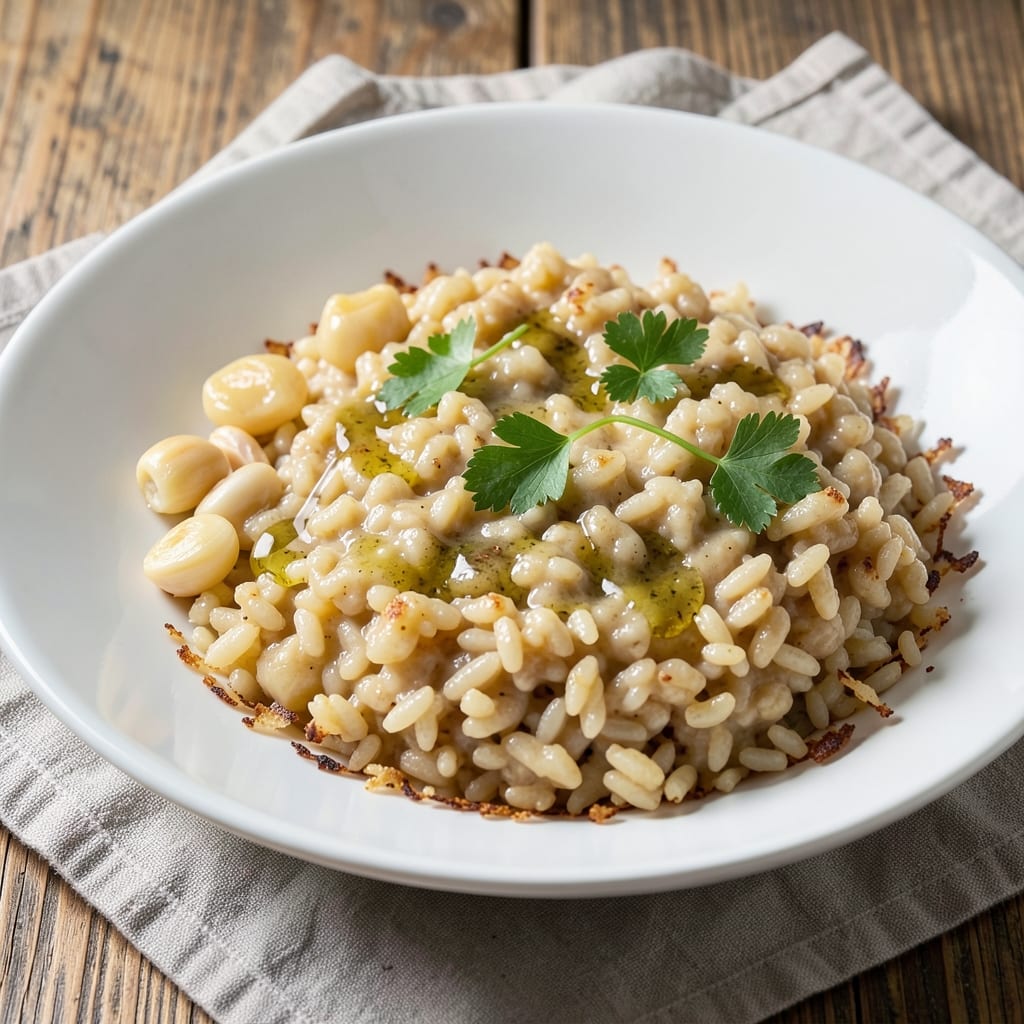
Aborio rice transforms ordinary meals into restaurant-worthy dishes when cooked to al dente perfection—creamy yet firm, with each grain distinct and flavorful. The secret lies in proper toasting and gradual liquid absorption, a technique that elevates simple ingredients into something extraordinary. I've perfected this method over years of testing, ensuring every bite delivers that signature risotto texture without the guesswork.
What sets this recipe apart is the balance of technique and timing—just 18 minutes from start to finish, yet yielding results that rival hours of simmering. We begin with a light toast of the rice in olive oil, unlocking its natural starches before gradually adding warm broth. This method guarantees a creamy finish without gummy rice, while the Arborio variety's high starch content creates that luxurious mouthfeel.
The result is a dish that's both elegant and approachable: tender rice with a velvety texture, each grain maintaining its shape while absorbing rich flavors. Whether paired with sauteed mushrooms, roasted vegetables, or a simple protein, this rice forms the perfect base. The key is patience—letting the rice work with the liquid rather than forcing it along.
For an even more refined presentation, finish with a sprinkle of fresh herbs or a drizzle of olive oil, but the true magic lies in the technique itself. This is the kind of recipe that turns weeknight dinners into memorable meals, proving that perfection doesn't require complexity. Let's create it together.
Ingredients for aborio rice
Eighteen minutes transforms simple ingredients into restaurant-quality Arborio rice perfection.
| Ingredient | Amount | Notes |
|---|---|---|
| Arborio Rice 🍚 | 1 ½ cups | Unrinsed, medium-grain variety |
| Extra-Virgin Olive Oil 🫒 | ½ cup | High-quality, fruity variety |
| Vegetable Broth 💧 | 4 cups | Warm, homemade or quality store-bought |
| Shallots 🧅 | 2 whole | Minced, finely chopped |
| Garlic Cloves 🧄 | 3 cloves | Minced, freshly peeled |
| White Wine 🍷 | ½ cup | Dry, medium-bodied |
| Dry White Wine 🍷 | ½ cup | Same as above, for deglazing |
| Parmesan Cheese 🧀 | ½ cup | Freshly grated, aged |
| Unsalted Butter 🧈 | 2 tbsp | Cold, cubed |
| Salt 🧂 | 1 tsp | Diamond Crystal kosher |
| Black Pepper 🌶️ | ½ tsp | Freshly cracked |
| Fresh Parsley 🌿 | ¼ cup | Chopped, flat-leaf |
The Arborio rice is the star—look for packages labeled 'Arborio' or 'risotto rice' at specialty stores like Whole Foods or Eataly. Avoid pre-rinsed rice; its natural starch is essential for that signature creamy texture. For the broth, homemade is ideal, but quality low-sodium store-bought works in a pinch. The Parmigiano-Reggiano should be freshly grated from a wedge—pre-grated contains anti-caking agents that ruin the texture. Shallots add subtle sweetness without overpowering; substitute 3 tbsp finely chopped red onion if unavailable. The white wine should be dry and crisp—think Sauvignon Blanc or Pinot Grigio. Toast the rice in olive oil until translucent at the edges; this step unlocks the starches that create the velvety finish.
No Arborio rice? Carnaroli or Vialone Nano are excellent substitutes, though Arborio remains the gold standard. Skip the wine? Substitute an extra 0.5 cup broth, but the acidity helps balance flavors. For a dairy-free version, omit the butter and Parmesan, replacing with nutritional yeast and vegan butter. The parsley is optional but adds freshness; dried oregano at 1/4 tsp works if needed. If your broth isn't warm enough, heat it gently in a saucepan—cold broth stops the cooking process. The key is patience: stir frequently but gently to avoid breaking the grains. This isn't the time for aggressive stirring; let the rice work its magic.
Store any leftovers in an airtight container for up to 3 days in the fridge, though it's best enjoyed fresh. Reheat gently with a splash of broth or water to restore creaminess. For freezing, portion into single-serving containers and freeze for up to 3 months. Thaw overnight in the fridge before reheating. The rice reheats beautifully but may lose a touch of its velvety texture—add a pat of butter or drizzle of olive oil when reheating to restore richness. This recipe scales perfectly for larger groups; simply double the ingredients and use a larger pot with a tight-fitting lid to maintain even heat distribution.
Why You'll Love This Recipe
- One-Pot Magic: I swear by this recipe when I’m too tired to wash dishes. Toss everything into one pot—no fancy tools, just a spoon and patience—and the rice cooks itself into creamy perfection while you sip your wine.
- Garlic Bomb: That slow-toasted garlic in olive oil? Chef’s kiss. The shallots caramelize just enough to add sweetness, but the garlic hits like a flavor punchline—rich, nutty, and impossible to resist.
- Weeknight Workhorse: Between us, this is my go-to when I need something fast but still impressive. Serve it alongside grilled chicken or roasted veggies, or eat it straight from the pan—no judgment here.
- Budget Stretch: Arborio rice might seem fancy, but a cup goes a long way, and vegetable broth keeps costs down. Leftovers reheat beautifully, so I make double batches and freeze portions for lazy days. Smart, simple, satisfying.
Step-by-step instructions for al dente Arborio rice
Mastering risotto requires patience and precision—here's how to achieve creamy, perfectly al dente Arborio rice every time.
Bloom the Shallots and Garlic in Olive Oil
Heat the 0.5 cup extra-virgin olive oil in a heavy-bottomed saucepan over medium heat. Add the 2 whole minced shallots and 3 cloves minced garlic cloves, cooking for 3-4 minutes until the shallots become translucent and the garlic releases its aroma without browning.
This slow cooking process develops their natural sweetness while preventing bitterness. Stir occasionally to ensure even distribution—you're building the flavor foundation for your risotto. The oil should be shimmering but not smoking, indicating the perfect temperature for the next steps.
Toast the Arborio Rice
Add the 1.5 cups unrinsed Arborio rice to the pan and stir for 1-2 minutes until the grains become slightly translucent at the edges. This "toasting" step is crucial—it enhances the rice's natural starch content, which will later create that signature creamy texture.
Don't rush this step. The rice should develop a faint golden hue around the edges while maintaining its shape. If you notice the rice sticking slightly, that's normal—just keep stirring. The toasted rice will absorb the initial fat, preventing it from clumping later in the cooking process.
Deglaze with White Wine
Pour in the 0.5 cup dry white wine and stir vigorously, scraping up any browned bits from the bottom of the pan. Let the wine simmer for 2-3 minutes until completely evaporated. This deglazing step removes the alcohol and incorporates those flavorful fond bits into your risotto base.
Here's the thing—don't skip this evaporation step. The wine needs to fully reduce before adding the broth. You'll know it's ready when the pan is dry and the wine aroma has completely dissipated, leaving behind a rich, savory foundation.
Cook the Rice with Vegetable Broth
Add the 4 cups warm vegetable broth and the 1 tsp salt, then bring to a gentle simmer. Stir occasionally, adding more broth ½ cup at a time as needed to maintain a consistent liquid level that just covers the rice. This gradual addition allows the rice to absorb liquid slowly, developing that perfect creamy consistency.
Cook for 14-16 minutes total, stirring every 2-3 minutes. The rice should be tender but still have a slight bite—this is the hallmark of al dente texture. You'll notice the rice will begin to release starch as it cooks, creating that characteristic creamy sauce. If the rice starts to stick, add a splash of warm broth to loosen it.
Finish with Butter, Cheese, and Fresh Herbs
Remove the pan from heat and stir in the 2 tbsp cold cubed unsalted butter and 0.5 cup freshly grated Parmesan cheese. The residual heat will melt the butter and cheese, creating a luxurious, velvety finish. Add the 0.5 tsp freshly cracked black pepper and 0.25 cup chopped fresh parsley, mixing until evenly distributed.
Let the risotto rest for 1-2 minutes before serving. This final step transforms your rice from simply cooked to restaurant-quality. The butter and cheese add richness, while the parsley provides a bright, fresh contrast. Serve immediately while still warm, with the creamy sauce clinging perfectly to each grain.
Pro Tips For Making Aborio Rice
- STIR CONSTANTLY AT FIRST: The first 5 minutes of toasting Arborio rice in olive oil are where the magic happens—don’t let it sit. I learned this the hard way when my rice turned into a sad, gummy mess because I walked away for "just a minute." Keep that pan moving until the rice looks translucent and the oil starts clinging to it like glue.
- USE COLD BROTH: Dumping boiling broth directly into your pot will shock the rice and stop the cooking process midway. Instead, heat your broth until it’s just simmering—about 180°F (82°C)—and add it gradually. This keeps the rice plump and the texture creamy, not mushy. (Yes, even if you’re impatient like me.)
- MINCE SHALLOTS FINE: Big chunks of shallot mean your risotto will taste like it’s hiding vegetables. Pulse them in a food processor until they’re almost paste-like—you want them to disappear into the rice. I used to chop them by hand and always noticed the texture. Trust me, this makes a real difference in the final bite.
- SALT THE BROTH: If you’re using plain vegetable broth, salt it to taste before adding it to the rice. Unsalted broth in risotto is a cardinal sin—it’s like building a house without a foundation. Aim for about 1 teaspoon of salt per 2 cups of broth, and adjust as you go. (Your future self will thank you.)
Regional styles of aborio rice
Italian Risotto Tradition
This recipe traces back to Northern Italy's Lombardy and Piedmont regions, where Arborio rice thrives in the fertile Po Valley. Traditional versions use butter, Parmesan, and white wine—the holy trinity of risotto—creating a dish that's both rustic and refined. The slow cooking method was born from necessity: farmers needed to stretch rice with broth to feed families, but the technique evolved into an art form. 🌍
Authentic Italian risotto often features local ingredients like saffron in Milan or bone marrow in Piedmont, but the core method remains the same. The key difference? Italians use homemade stock infused with vegetables, meat, or fish—never bouillon cubes. For true authenticity, simmer your broth with onion, celery, carrot, and a bay leaf for at least 2 hours.
Northern Italian Variations
Venetian-style risotto often includes asparagus or radicchio, while Milanese versions might feature saffron-infused broth for a golden hue. In Piedmont, you'll find truffle risotto with shaved black truffles or fontina cheese instead of Parmesan. The texture remains creamy, but the flavor profiles shift dramatically based on regional ingredients.
For a true Northern Italian experience, try adding 1 tsp saffron threads to your broth—soak them in 2 tbsp warm water for 10 minutes before straining. This adds a floral aroma and vibrant color without overpowering the dish. The Italians call this "risotto alla Milanese," and it's a showstopper at any table.
Southern Italian Adaptations
While risotto originates in the north, Southern Italy has its own take using Carnaroli rice and seafood. In Sicily, you'll find seafood risotto with shrimp, clams, and fennel, while Calabria incorporates chili peppers for heat. The cooking method stays similar, but the ingredients reflect coastal flavors and bold spices.
For a Southern twist, stir in ½ cup chopped calamari or shrimp during the final 5 minutes of cooking. Add 1 tsp red pepper flakes with the broth for a spicy kick, or finish with lemon zest instead of parsley. The acidity cuts through the richness beautifully.
Modern Fusion Takes
Today's chefs are reimagining risotto with global flavors. Try a Japanese-inspired version with dashi broth, mirin, and scallions, or a Mexican twist using chipotle broth and cotija cheese. Even breakfast risotto exists—cook it with cheddar and chives, then top with a fried egg.
For a fusion experiment, swap the Parmesan for pecorino Romano and add 1 tbsp tomato paste with the shallots. Finish with balsamic glaze drizzle and proscuitto di Parma for an Italian-meets-Mediterranean masterpiece. The possibilities are endless when you think outside the pot!
Nutrition facts
Frequently asked questions
Why does Arborio rice need to be toasted before cooking?
Toasting releases the rice's natural starches, which create that signature creamy texture. The 1-2 minute toast also prevents clumping later by coating each grain with oil. This step is crucial for authentic risotto—it's what gives it that luxurious mouthfeel without becoming mushy.
Can I substitute Arborio rice with another type?
Yes, but with limitations. Carnaroli or Vialone Nano work best—they have similar starch content. Avoid long-grain rice like basmati or jasmine, as they lack the necessary starch for creamy results. If you must use a substitute, add 1 extra tbsp butter at the end to compensate for lower starch.
Why does my risotto turn out gummy instead of creamy?
This usually happens from overcooking or insufficient stirring. Remove from heat when rice still has a slight bite (14-16 minutes total), then let it sit off heat for 1-2 minutes to finish cooking. Stir gently but frequently—aggressive stirring breaks grains, releasing too much starch at once. Keep broth warm but not boiling.
How do I make this recipe vegetarian?
Swap the butter for vegan butter or olive oil and use nutritional yeast instead of Parmesan. For depth, add 1 tsp miso paste with the shallots or ½ cup white beans during the final 5 minutes. The umami from these ingredients replaces the dairy's richness beautifully.
Can I make this ahead of time?
Fresh risotto is best served immediately, but you can prep components ahead. Toast the rice and store it dry for 2 days. Make broth in advance and reheat before using. For leftovers, refrigerate for up to 3 days—reheat with 2 tbsp broth per cup of rice over low heat, stirring until creamy. Texture won't be identical but still delicious!