
Main Courses
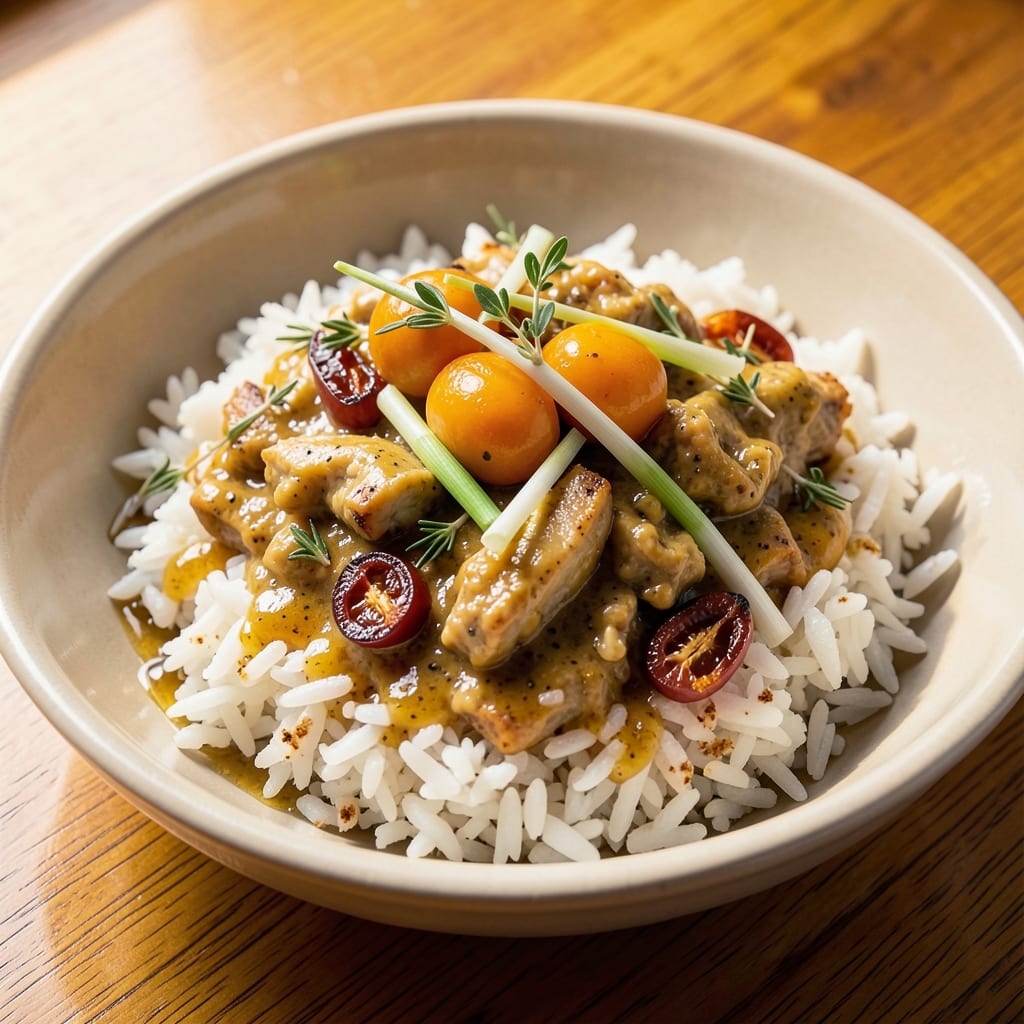
Ackee and saltfish seasoned rice delivers the soul of Jamaica in every bite—crispy golden crust, fluffy buttery rice, and tender saltfish all cooked together in one flavorful pot. 🌟 This traditional dish transforms simple ingredients into a symphony of textures and spices, where the ackee's creamy texture and saltfish's savory depth create an unforgettable meal. The key lies in properly preparing the saltfish and blending the seasonings just right to achieve that signature Jamaican taste.
What sets this recipe apart is the harmony of techniques: boiling the saltfish to remove excess salt, carefully peeling the ackee to avoid its toxic skin, and layering the rice with a blend of thyme, scallions, and Scotch bonnet peppers for depth. The result is a dish that's both comforting and vibrant—perfect for brunch, Sunday dinners, or any time you crave a taste of home. Every element comes together in one pot, making it efficient yet deeply flavorful.
By the time you're done, you'll have a pot of golden, crust-topped rice infused with the rich flavors of saltfish and ackee, ready to be served with fried plantains or coleslaw for the full Jamaican experience. The dish is naturally gluten-free and pescatarian, making it versatile for various dietary needs while staying true to its cultural roots. This is more than just a recipe—it's a celebration of Jamaican heritage on your plate.
The beauty of this dish lies in its simplicity and tradition. The saltfish, properly desalted and shredded, melts into the rice, while the ackee adds a delicate creaminess that balances the saltiness. The blend of spices—thyme, garlic, and Scotch bonnet—creates a fragrant aroma that fills your kitchen and invites everyone to the table. Whether you're cooking for family or sharing with friends, this recipe promises a taste of Jamaica that's both heartwarming and authentic.
Ingredients for ackee and saltfish seasoned rice
Simple pantry staples meet Jamaican tradition in this one-pot masterpiece.
| Ingredient | Amount | Notes |
|---|---|---|
| Long-Grain White Rice 🍚 | 2 cups | Uncooked, jasmine or basmati preferred |
| Saltfish (Dried Cod) 🐟 | 1 ½ lb | Properly desalted and shredded |
| Ackee (Canned) 🍈 | 2 cups | Drained, skin removed carefully |
| Fresh Thyme 🌿 | ¼ cup | Chopped stems and leaves |
| Scallions 🧅 | ¼ cup | Thinly sliced, white and green parts |
| Scotch Bonnet Peppers 🌶️ | 1 whole | Seeds removed, finely chopped |
| Garlic Cloves 🧄 | 4 cloves | Minced finely for depth |
| Tomato Paste 🍅 | 2 tbsp | Smooth, no-salt-added |
| Unsalted Butter 🧈 | 4 tbsp | Full-fat for richness |
| Chicken or Vegetable Stock 💧 | 2 cups | Low-sodium preferred |
| Olive Oil 🫒 | 2 tbsp | Light, for frying crust |
| Salt 🧂 | 2 tsp | Adjust to taste after cooking |
| Black Pepper 🌶️ | ½ tsp | Freshly ground for heat |
| Allspice Berries 🌿 | ¼ tsp | Ground, essential Jamaican flavor |
| Bay Leaves 🍃 | 2 whole | Dried, for aromatic depth |
The saltfish is the heart of this dish, so desalting properly is non-negotiable. Soak the fish in cold water for at least 24 hours, changing the water every 4-6 hours until it tastes neutral. Caribbean markets or specialty grocery stores like Whole Foods often carry pre-desalted saltfish, but if you're buying it fresh, plan ahead. Ackee is trickier to find—check the international aisle at Publix or Kroger, or order online from Jamaican specialty shops. The canned version is safe as long as you remove the skin and toxic aril completely. For the Scotch bonnet, handle with gloves—it's one of the hottest peppers in the world.
No Scotch bonnet? Habanero at half the amount works in a pinch, but reduce to 1/4 if you're sensitive to heat. Fresh thyme is ideal, but dried at one-third the quantity gets you close. The tomato paste can be swapped for 1/4 cup tomato sauce if you prefer less intensity. For the rice, jasmine or basmati gives that signature fluffiness—don't substitute with long-grain white unless you're willing to risk a gummy texture. The butter matters here—full-fat is a must for that golden crust. If you're making this for a crowd, double the batch and use a larger pot with a tight-fitting lid.
Prep the saltfish and ackee a day ahead if possible—the flavors meld better after resting. Store the desalted fish in its soaking water in the fridge, and keep the ackee in its juice. The cooked rice keeps well for 3-4 days in the fridge, though it's best reheated gently with a splash of water. For leftovers, reheat in a skillet with a bit of butter to restore that crispy crust. Freezing isn't recommended—the texture suffers. If you're making this for a brunch, prep everything the night before and just cook in the morning. Trust me, the aroma alone will have everyone at the table early.
Why You'll Love This Recipe
- One-Pot Magic: The rice, saltfish, and ackee all simmer together—no extra pans, no fuss. Just soak the saltfish overnight (or use pre-soaked for speed), toss everything in one pot, and let it work its flavor while you do laundry or scroll through memes.
- Taste Like Home: That first bite of buttery saltfish with bright ackee? It’s ridiculously good. The thyme and scallions add freshness that cuts through the richness, and honestly, it’s the kind of dish that makes you pause mid-bite to appreciate how simple things can be this delicious.
- Weeknight & Weekend: Make a big batch on Sunday—it reheats like a dream for lunches or quick dinners. Or serve it at a brunch with friends; the ackee’s creamy texture and saltfish’s savory crunch make it feel special without the stress.
- Budget Breakthrough: Saltfish and canned ackee stretch a long way, feeding four for under $10. I’ll be real: my grocery budget thanks me every time I make this, and the leftovers? Still better than takeout the next day.
Step-by-step instructions for Jamaican ackee and saltfish rice
Transform simple ingredients into Jamaica's national dish with this foolproof one-pot method.
🍳 Step 1: Sauté the Aromatics for Deep Flavor
Heat the 2 tablespoons olive oil in a heavy-bottomed pot over medium heat. Add the 4 cloves garlic cloves and 1 whole Scotch Bonnet Peppers (seeds removed), cooking for 1-2 minutes until the garlic turns golden and fragrant. This is your flavor foundation—don't rush it.
Add the 0.25 cup scallions and 0.25 cup fresh thyme, stirring constantly for 30 seconds until the scallions soften slightly. The thyme should release its piney aroma. Here's the thing—if your scallions are particularly strong, reduce to 2 tablespoons to avoid overpowering the dish.
🍳 Step 2: Build the Crust with Saltfish and Tomato Paste
Push the aromatics to one side of the pot and add 2 tablespoons tomato paste to the empty space. Stir vigorously for 1 minute until it darkens slightly—this prevents the paste from sticking and creates a rich base. Add the 1.5 lb saltfish and cook for 3-4 minutes, stirring occasionally, until the saltfish begins to crisp slightly at the edges.
This step is crucial for developing that signature Jamaican crust. If the saltfish sticks, add 1 tablespoon chicken stock to deglaze. The saltfish should release its delicate flavor while maintaining some texture—don't overcook it into oblivion.
🥘 Step 3: Layer and Toast the Rice
Add the 2 cups long-grain white rice to the pot and stir to coat evenly in the tomato-saltfish mixture. Cook for 2 minutes on medium heat, stirring constantly, until the grains become translucent at the edges. This dry toasting creates the perfect foundation for fluffy rice.
Here's where the magic happens: pour in the 2 cups chicken or vegetable stock and stir gently once. The rice should be evenly distributed with no dry spots. Add the 2 whole bay leaves, 0.25 tsp allspice berries, 2 tsp salt, and 0.5 tsp black pepper. The allspice is non-negotiable—it's the soul of this dish.
🔥 Step 4: Simmer and Incorporate Ackee
Bring the mixture to a gentle boil, then reduce heat to low, cover tightly with a lid, and simmer for 15 minutes. After 15 minutes, gently fold in the 2 cups ackee using a wooden spoon. The ackee should be distributed evenly throughout—this is when the dish comes together visually.
Simmer uncovered for another 10 minutes, stirring occasionally. You'll notice the liquid reduces and the rice absorbs it. The ackee should soften slightly but maintain its distinctive texture. If the rice looks dry before it's fully cooked, add 2 tablespoons stock and continue simmering.
🔪 Step 5: Finish with Butter for Richness
Once the rice is tender (about 25 minutes total cooking time), remove from heat. Stir in the 4 tablespoons unsalted butter until melted and fully incorporated. The butter should create a glossy sheen on the rice and enhance all the flavors.
Taste and adjust seasoning—you might need an additional ½ teaspoon salt or ¼ teaspoon black pepper depending on your saltfish. Let the rice rest covered for 5 minutes before serving. This resting period allows the flavors to meld completely, resulting in that perfect balance of buttery rice, tender saltfish, and sweet ackee.
Pro Tips For Making Ackee And Saltfish Seasoned Rice
- Soak Saltfish Overnight: I learned this the hard way—skipping the soak leaves you with rubbery, flavorless fish. Toss the saltfish in cold water (about 4 cups per pound) for 12+ hours, changing the water twice. The longer it soaks, the more tender and flavorful it becomes—trust me, your rice will taste it. ---
- Sauté Scallions First: Start with the scallions in hot oil until they’re golden, not just wilted. This builds the base flavor before adding anything else. If you rush this, your dish will taste raw and underdeveloped—like skipping the intro before the main act. ---
- Don’t Overcook the Ackee: Ackee turns mushy fast, and once it’s past that perfect creamy stage, there’s no fixing it. Simmer it gently for 3–4 minutes max, just until it’s heated through. You’re not making soup here—keep it bright and intact. ---
- Use Thyme Early: Toss the thyme into the pot with the saltfish and scallions, not as an afterthought. The longer it steeps, the deeper the aroma. I used to add it at the end, and the dish always felt like it was missing something—now it’s bold and right.
Common mistakes when making this recipe
Over-Soaking Saltfish
I’ve seen people soak saltfish for days thinking it’ll make it more tender, but that’s a big mistake. Over-soaking leaches out too much flavor and protein, turning your saltfish into a mushy, flavorless mess. The ideal soak time is 24 hours with water changes every 4-6 hours. If you’re short on time, a 12-hour soak with frequent water changes works too. Trust me, the saltfish should taste neutral but still hold its texture—if it’s watery or falling apart, you’ve gone too far. 🌊
Skipping the Ackee Peel
The ackee’s skin and aril are toxic if ingested, so never skip peeling it thoroughly. I’ve seen people rush this step and end up with an upset stomach. When opening the can, remove the outer skin first, then carefully peel off the inner aril from each ackee pod. Use a spoon to scoop out the creamy flesh, leaving behind any dark or discolored parts. The flesh should be bright yellow—if it looks dull or slimy, discard it. Safety first! 🍈
Undercooking the Rice
One of the most common mistakes is pulling the rice off the heat too soon. The rice needs 25 minutes total of cooking time, including the initial simmer. If you check it early and it’s not fully tender, don’t rush it—add 2 tablespoons stock and cover it back up. Undercooked rice turns gummy and mushy, while perfectly cooked rice should be fluffy with a slight bite. Pro tip: Use your fingers to press a grain—if it’s soft but still holds its shape, it’s done. 🍚
Ignoring the Butter Finish
Some people skip the butter at the end, thinking it’s optional, but that’s where the magic happens. The 4 tablespoons unsalted butter not only adds richness but also creates that signature glossy sheen and balances the dish’s flavors. Stir it in gently until fully melted and incorporated—don’t let it pool at the bottom. If you’re watching your fat intake, use 2 tablespoons butter and 2 tablespoons olive oil, but don’t skip it entirely. The butter is what makes this dish feel truly indulgent. 🧈
Using the Wrong Rice
Not all rice is created equal, and using the wrong type can ruin your dish. Long-grain white rice is a must—it absorbs the flavors perfectly and stays fluffy. Substituting with basmati or jasmine is fine, but avoid medium or short-grain rice like arborio or sushi rice. These varieties release too much starch and will turn your rice into a gluey mess. Stick to jasmine or basmati rice for that authentic Jamaican texture. 💡
Overcrowding the Pot
If your pot is too small, the rice will steam instead of toast, leading to a soggy, uneven texture. Use a pot that’s at least 3-quart capacity for this recipe—any smaller and the rice won’t have room to develop that crispy crust. If you’re making a larger batch, use a 4-5 quart pot and reduce the rice to 1 cup per quart to avoid overcrowding. A tight-fitting lid is also crucial for trapping steam and cooking the rice evenly. 🔥
Nutrition facts
Frequently asked questions
Why does Jamaican seasoned rice have a crispy crust?
The golden crust comes from toasting the rice in the pot before adding liquid. Stir the rice in the tomato-saltfish mixture for 2 minutes until translucent—this creates the Maillard reaction that forms the crust. The butter finish also adds richness that enhances this texture.
Can I substitute canned ackee with something else?
Fresh ackee is ideal, but if unavailable, try avocado chunks for creaminess or sautéed mushrooms for umami depth. However, nothing perfectly replicates ackee's unique texture and flavor. Ackee is Jamaica's national fruit and the star of this dish!
How do I know when the saltfish is properly desalted?
The fish should taste neutral—neither salty nor fishy—when you test a small piece. Soak for 24 hours with water changes every 4-6 hours. If it still tastes salty, soak another 4-6 hours. Never skip this step—the excess salt will ruin your rice.
What's the best way to reheat leftover ackee and saltfish rice?
Reheat in a skillet over low heat with 1 tablespoon butter and 2 tablespoons water per cup of rice. Cover for 3-5 minutes to restore moisture. Microwaving makes the rice gummy—always use dry heat to revive the crust.
Can I make this dish without Scotch bonnet peppers?
Yes! Use ½ teaspoon cayenne pepper or 1 teaspoon mild paprika for heat. For no heat, omit entirely—just reduce the tomato paste to 1 tablespoon to balance flavors. The Scotch bonnet adds depth, but the dish still shines without it.