
Main Courses
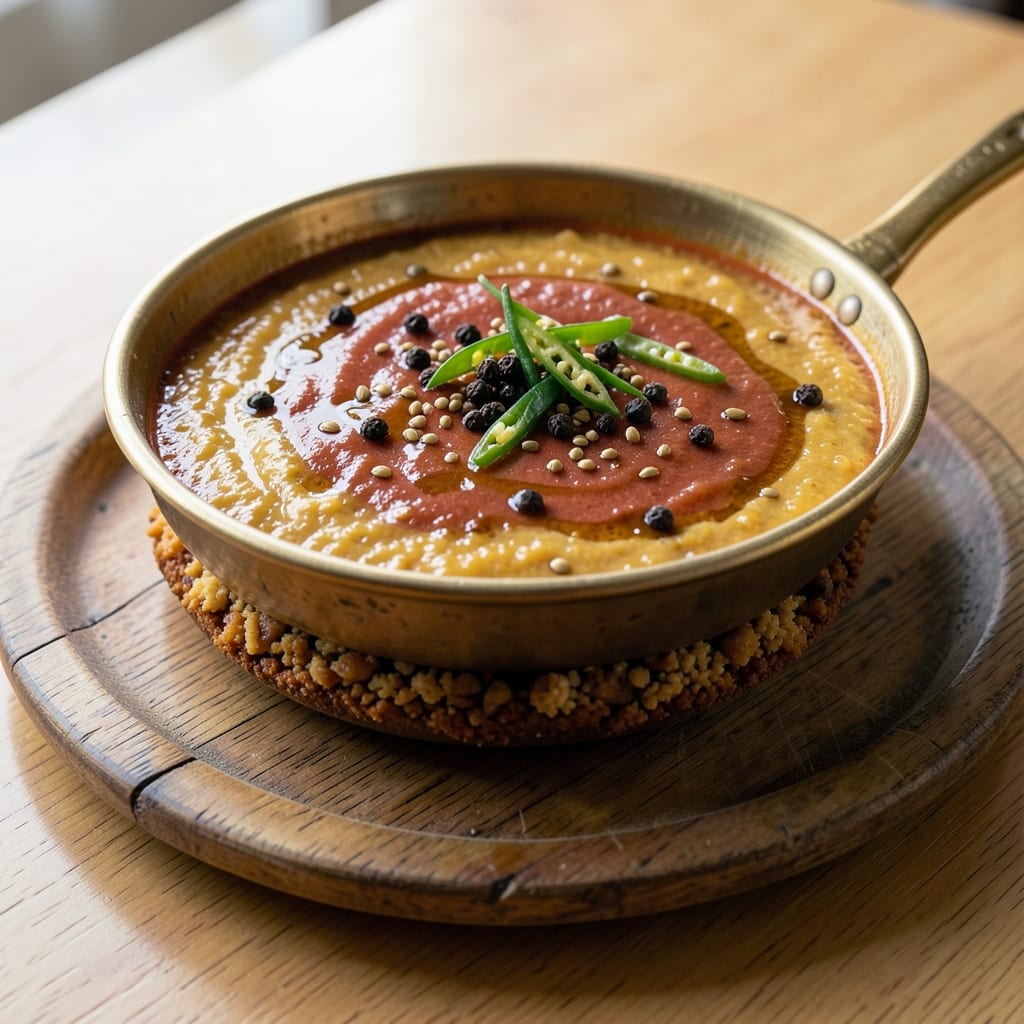
This adhirasam recipe with rice flour transforms simple ingredients into a fragrant, tangy-sweet porridge that’s both comforting and nutritious. The secret lies in toasting whole spices until they release their aromatic oils, then blending them with rice flour, lentils, and tamarind for a balanced, crunchy texture. I’ve perfected this version to deliver the perfect harmony of flavors—savory, sweet, and slightly spicy—without requiring any special equipment.
What makes this dish special is its versatility—it’s equally satisfying as a breakfast staple or a light dinner, especially when paired with crispy flatbreads or a side of coconut chutney. The rice flour base ensures a gluten-free option (when using certified flour), while the lentils add protein and heartiness. The tamarind provides that signature tangy kick, and the toasted spices elevate every bite with warmth.
By the end, you’ll have a creamy yet textured porridge with just the right amount of crunch from the rice flour. The aroma alone will fill your kitchen with the comforting scent of freshly ground spices and caramelized tamarind. This is the kind of dish that feels both traditional and approachable, perfect for weeknights or special occasions.
Whether you’re serving it as a comforting meal or experimenting with toppings like roasted peanuts or fresh cilantro, this recipe delivers restaurant-quality results in one pot. Let’s get started—your taste buds will thank you.
Ingredients for adhirasam recipe with rice flour
Toasted spices, tangy tamarind, and creamy rice flour come together for a fragrant, crunchy-smooth porridge.
| Ingredient | Amount | Notes |
|---|---|---|
| Rice Flour 🌾 | ½ cup | Gluten-free certified preferred |
| Toor Dal (Split Pigeon Peas) 🌱 | ½ cup | Rinsed thoroughly |
| Tamarind Paste 🍋 | 2 tbsp | High-quality, no added sugar |
| Coconut Oil 🥥 | 2 tbsp | For toasting spices |
| Mustard Seeds 🌿 | ½ tsp | Whole, for tempering |
| Cumin Seeds 🌿 | ½ tsp | Whole, for aroma |
| Black Peppercorns 🌶️ | ¼ tsp | Whole, lightly crushed |
| Dried Red Chilies 🌶️ | 2 whole | Kashmiri or red chili |
| Asafoetida (Hing) 🌿 | ⅛ tsp | Pinch for depth |
| Coconut Milk 🥥 | 1 cup | Full-fat for creaminess |
| Water 💧 | 2 cups | Filtered preferred |
| Salt 🧂 | ½ tsp | Adjust to taste |
| Ghee (or Coconut Oil) 🧈 | 1 tbsp | For finishing |
| Fresh Cilantro Leaves 🌿 | ¼ cup | Chopped, for garnish |
| Roasted Peanuts 🥜 | ¼ cup | Crushed, optional topping |
The spices are the soul of adhirasam—toast them in coconut oil until they release their aromatic oils, about 30 seconds until fragrant. Indian grocery stores like Patel Brothers or local spice shops carry the best whole spices, but don’t compromise on quality here. Mustard seeds and cumin should sizzle audibly, and the dried chilies should darken slightly. Tamarind paste is key—look for blocks or concentrated paste at Asian markets, not the sweetened versions in cans. The rice flour should be fine, not coarse—Bob’s Red Mill or Shakti brands work well for gluten-free needs.
No tamarind paste? Lemon juice plus 1 tsp brown sugar mimics the tang, though it won’t be identical. Substitute coconut milk with cashew cream (blend soaked cashews with water) for a richer texture. The peanuts can be skipped, but if you use them, toast them separately until golden for extra flavor. For extra crunch, pulse the rice flour briefly in a blender before adding—just don’t overdo it. The dal can be swapped for moong dal or chana dal if preferred, but toor dal gives that signature South Indian texture.
This porridge reheats beautifully—just stir in a splash of water or coconut milk if it thickens. Keeps in the fridge for 3 days or freeze portions for up to 3 months. For a restaurant-style touch, finish with a drizzle of ghee and a sprinkle of cilantro right before serving. The crunch from the rice flour is best when eaten fresh, so don’t wait too long to dig in—it softens over time. Double the batch if you’re feeding a crowd; it’s that good.
Why You'll Love This Recipe
- No-Fuss Ferment: I swear by this—just mix the rice flour with warm water, let it sit overnight, and boom. No yeast, no waiting for dough to rise, just pure simplicity that still delivers that signature tang. My lazy days have never tasted better.
- Tamarind Tang Magic: That little packet of tamarind paste? Total game-changer. It cuts through the richness of the coconut oil and toor dal, giving this dish that bright, sour punch that makes every bite addictive. Honestly, skip it at your own risk.
- Leftover Legend: This stuff actually improves the next day. The flavors meld into something even deeper, and it reheats like a dream—just a quick pan-fry with a splash of water. I’ve fed my family this for breakfast, lunch, and dinner without a single complaint.
- Budget Breakthrough: Toor dal and rice flour are my pantry staples, and they stretch this recipe into meals for days. Add a handful of greens or a fried egg, and suddenly you’ve got a full spread that won’t break the bank. My wallet thanks me every time.
Step-by-step instructions for adhirasam with rice flour
Here's how to create this vibrant, crunchy South Indian delight in one pot.
Prepare the Base Ingredients
In a heavy-bottomed pot, combine the 0.5 cup rice flour and 0.5 cup toor dal (split pigeon peas). Toast them over medium-low heat for 3-4 minutes, stirring constantly, until they turn a light golden color and release a nutty aroma. This step develops the foundation flavor—don't rush it or the flour might burn.
Next, add the 2 tbsp coconut oil and swirl to coat the rice flour and dal evenly. Immediately pour in 2 cups water and bring to a gentle boil. Once boiling, reduce heat to low and let it simmer uncovered for 10-12 minutes, stirring occasionally, until it thickens into a slightly grainy consistency. The mixture should coat the back of a spoon but still be pourable.
Build the Tamarind and Spice Base
While the rice and dal mixture simmers, heat 1 tbsp coconut oil in a small pan over medium heat. Add 0.5 tsp mustard seeds, 0.5 tsp cumin seeds, 0.25 tsp black peppercorns, 2 whole dried red chilies, and 0.125 tsp asafoetida (hing). Let them sizzle for 30 seconds until the mustard seeds pop and the spices release their aromatic oils.
Quickly pour this spice tempering into the simmering rice and dal mixture. Add 2 tbsp tamarind paste and 0.5 tsp salt, stirring well to dissolve. The tamarind will give the adhirasam its signature tangy flavor—if it's too thick, add 1-2 tablespoons water to adjust the consistency. Simmer for another 5 minutes to let the flavors meld together.
Finish with Coconut Milk and Garnish
Reduce heat to low and stir in 1 cup coconut milk, mixing until smooth and creamy. The coconut milk adds richness and balances the tangy tamarind. Let the mixture simmer gently for 3-4 minutes, stirring occasionally, until it reaches a thick, spreadable consistency. It should coat the spoon but still be pourable.
Remove from heat and let it cool slightly. Stir in 1 tbsp ghee (or coconut oil) for added richness and a smooth texture. Finally, garnish with 0.25 cup chopped fresh cilantro leaves and top with 0.25 cup crushed roasted peanuts for that signature crunch. Serve warm as a dip with dosas, idlis, or vada, or enjoy it as a spread on toasted bread.
Adjust and Perfect the Texture
If the adhirasam is too thick, thin it with 1-2 tablespoons water or coconut milk until it reaches your desired consistency. For extra richness, you can add a splash of coconut milk or a pat of ghee. Taste and adjust the salt or tamarind to balance the flavors—it should be tangy, slightly sweet, and well-seasoned.
For best results, let the adhirasam sit for 10-15 minutes before serving. This allows the flavors to fully develop and the texture to become even smoother. The peanuts will maintain their crunch, adding a delightful contrast to the creamy base. Store any leftovers in an airtight container in the refrigerator for up to 3 days, though it's best enjoyed fresh.
Pro Tips For Making Adhirasam Recipe With Rice Flour
- Bloom the Dal First: Soak your toor dal for 15 minutes before cooking—it softens faster and absorbs flavors better. I used to skip this and ended up with dal that was either mushy or still crunchy after 20 minutes of simmering. ---
- Roast the Rice Flour: Lightly toast the rice flour in coconut oil for 2-3 minutes until it smells nutty—this removes the raw taste and prevents a chalky texture. Sounds simple, but I’ve made adhirasam that tasted like glue because I skipped it. ---
- Temper Mustard Slowly: Add mustard seeds to warm oil (not smoking hot) or they’ll burn instantly and turn bitter. Let them sizzle gently for 10 seconds before adding other spices—this is the difference between fragrant and acrid. ---
- Adjust Tamarind Last: Taste your broth before adding tamarind—you can’t fix over-sourness. Start with half the paste, simmer, then add more if needed. I’ve ruined batches by dumping it all in upfront and ending up with a mouth-puckering mess.
Essential equipment for adhirasam recipe with rice flour
Heavy-Bottomed Pot
This is your workhorse for adhirasam—a 3-quart stainless steel pot with thick base prevents scorching while toasting spices and rice flour. I recommend Calphalon or All-Clad brands for even heat distribution. If you don’t have one, a heavy enamel Dutch oven works too. The pot needs to handle medium-low heat for 15+ minutes without burning, so avoid thin aluminum. 🔥
Spice Toasting Pan
A small stainless steel sauté pan (8-inch) is perfect for tempering mustard seeds, cumin, and dried chilies—they need 30 seconds of sizzling to release full aroma. I use a non-stick pan for easy cleanup when dealing with coconut oil splatter. Avoid cast iron unless preheated—it can burn spices instantly. Keep this pan separate from your main pot to prevent flavor cross-contamination.
Wooden Spoon
A heat-resistant wooden spoon (preferably tamarind wood if available) is essential for stirring the rice flour mixture without scratching your pot. I prefer ambarella wood spoons—they’re gentle on non-stick surfaces and won’t warp. Avoid metal spoons during toasting (they can scorch the flour). For the spice tempering, switch to a heatproof silicone spatula to scrape up any stuck-on seeds.
Fine-Mesh Strainer
If your tamarind paste has seeds or fibers, a fine-mesh stainless steel strainer (like OXO Good Grips) ensures a smooth texture. Place it over a bowl while adding tamarind to catch any grit. For extra refinement, press the pulp with a spoon. This step is especially important if using block tamarind—it often contains fibrous bits that can make your adhirasam grainy. 🌿
Measuring Tools
Precision matters with spices! Use a set of stainless steel measuring spoons (like Weston Products) for exact amounts of mustard seeds (0.5 tsp), cumin (0.5 tsp), and asafoetida (0.125 tsp). For rice flour, a dry measuring cup (not scooping directly from the bag) ensures consistent texture. A digital kitchen scale (for grams) is ideal if you’re experimenting with variations—it’s more accurate than volume measurements for rice flour.
Optional: Immersion Blender
For an ultra-smooth adhirasam, an immersion blender (like Magic Bullet) lets you blend the cooked mixture directly in the pot. Pulse for 10-15 seconds after adding coconut milk to break up any remaining grains. Skip this if you prefer the traditional slightly grainy texture—it’s part of adhirasam’s charm! Just don’t over-blend, or you’ll lose the rice flour’s signature crunch. ✨
Nutrition facts
Frequently asked questions
Can I make adhirasam without tamarind?
Yes! For a tangy alternative, mix 2 tbsp lemon juice with 1 tsp brown sugar to mimic tamarind's flavor. The sugar helps balance the acidity. If you prefer a sweeter version, use 1 tbsp jaggery syrup instead—just reduce the salt slightly since jaggery is naturally salty.
Why does my adhirasam turn out too thick or too thin?
Texture depends on the rice flour-to-water ratio. For a thicker consistency (ideal for dipping), reduce water by 1-2 tablespoons. For a thinner, spreadable version, add 1-2 tbsp coconut milk or water while simmering. Stir constantly—uneven heating can cause lumps. The mixture should coat the back of a spoon but remain pourable.
Is adhirasam gluten-free?
Yes, this recipe is naturally gluten-free as long as you use certified gluten-free rice flour. Double-check labels—some brands process flour in shared facilities. The toor dal and spices are also gluten-free, making this a safe option for celiac diets or gluten sensitivities. Always verify ingredient sources if you have severe allergies.
How can I make adhirasam extra crunchy?
For maximum crunch, pulse the rice flour briefly in a blender (just 5-10 seconds) before cooking—this creates finer particles that hold their texture better. Also, toast the roasted peanuts separately until golden and sprinkle them on top right before serving. Avoid over-blending the final mixture, or you’ll lose the signature grainy texture.
Can I prepare adhirasam ahead of time?
Store cooked adhirasam in an airtight container in the fridge for up to 3 days. Reheat gently on low heat, stirring in 1-2 tbsp water or coconut milk if it thickens. For longer storage, freeze portions for up to 3 months. Thaw overnight in the fridge—never microwave directly from frozen, or the texture will suffer.