
Main Courses
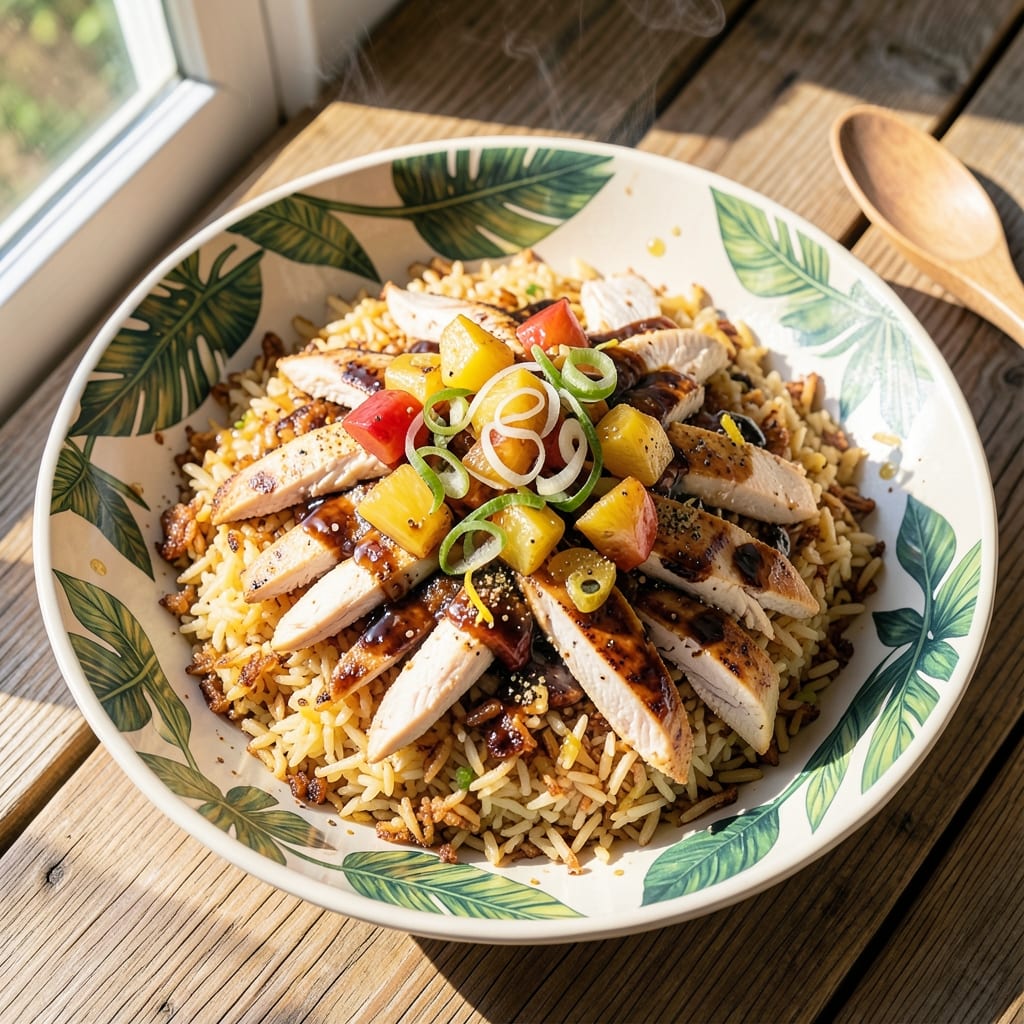
This adobo fried rice recipe Hawaii blends Filipino umami with tropical zing—where crispy wok-tossed grains meet tangy soy-vinegar marinade and sweet pineapple chunks. The secret? Charred garlic, ginger, and a perfect balance of salty-sweet flavors that make every bite sing. I developed this after craving the bold contrasts of local Hawaiian comfort food with the depth of Filipino adobo, and it’s now my go-to for weeknight dinners that feel like a celebration.
The magic happens in the wok, where day-old jasmine rice gets tossed with tender protein—whether it’s shredded chicken, crispy pork, or marinated tofu—and bursts of fresh pineapple that cut through the richness. Traditional adobo seasoning (soy sauce, vinegar, brown sugar) builds layers of flavor, while local touches like green onions and sesame oil add that unmistakable Hawaiian twist. It’s a dish that’s both nostalgic and fresh, perfect for feeding a crowd or meal prepping for the week.
What you’ll end up with is golden, aromatic fried rice with a satisfying crunch from the wok-fried edges, tender protein, and juicy pineapple that brightens every bite. The sauce clings to each grain, delivering that perfect balance of tangy, savory, and slightly sweet—just like your favorite local plate but made at home. Serve it with cool macaroni salad or lomi lomi salmon to round out the meal.
This recipe is designed to be flexible—swap proteins based on what you have, adjust the pineapple sweetness to taste, and even add veggies like bell peppers or carrots for extra crunch. The key is keeping the wok hot and moving quickly, so the rice stays separate and crispy. Let’s get cooking!
Ingredients for adobo fried rice recipe hawaii
Crispy wok-tossed rice meets Filipino umami and tropical pineapple—here’s what makes this Hawaii-style adobo fried rice sing.
| Ingredient | Amount | Notes |
|---|---|---|
| Day-Old Jasmine Rice 🍚 | 4 cups | Cold and separated, no clumps |
| Shredded Chicken Breast 🍗 | 1 ½ lb | Cooked, skinless, shredded fine |
| Fresh Pineapple Chunks 🍍 | 1 ½ cups | Small dice, juicy variety preferred |
| Green Onions 🧅 | ½ cup | Thinly sliced, white and green parts |
| Sesame Oil 🫒 | 1 tbsp | Toasted, for aroma |
| Dark Soy Sauce 🥄 | ⅓ cup | For deep umami flavor |
| Rice Vinegar 💧 | ¼ cup | White or seasoned |
| Brown Sugar 🍬 | 2 tbsp | Light or dark, packed |
| Garlic Cloves 🧄 | 6 cloves | Charred for smoky depth |
| Fresh Ginger 🌿 | 1 tbsp | Grated, finely minced |
| Vegetable Oil 🫒 | ½ cup | High smoke point for wok |
| Salt 🧂 | 1 tsp | Kosher or sea salt |
| Black Pepper 🌶️ | ½ tsp | Freshly cracked |
| Toasted Sesame Seeds 🌰 | 1 tbsp | For garnish, optional |
The jasmine rice is non-negotiable—day-old grains absorb flavors better and stay separate. I always use Lundberg Farms or Calrose for that authentic texture. For the shredded chicken, grab boneless, skinless breasts from the deli counter—they stay juicier when shredded. Pineapple? Grab Dole or Maui Gold—sweeter, juicier, and worth the splurge. The green onions should be bright and crisp, so buy them fresh and slice them just before tossing. Sesame oil is a must—Kadoya or La Choy are my go-tos for that nutty aroma that wafts through the kitchen.
No shredded chicken? Rotisserie chicken works in a pinch—just shred it yourself. Fresh pineapple too expensive? Canned pineapple chunks (drained well) save the day, though fresh is always better. Soy sauce can be swapped for coconut aminos if you're avoiding gluten. Brown sugar craving something lighter? Honey or maple syrup (same amount) keeps it sweet. The garlic and ginger get charred in the wok—don’t skip this step (trust me, it’s a game-changer). Vegetable oil is key—avocado oil has the highest smoke point if you’re frying at high heat.
This dish tastes even better the next day—double batch and store leftovers in airtight containers for 4-5 days. Freezes beautifully for 3 months too. Sesame seeds add crunch, so toast them in a dry pan for 30 seconds before sprinkling. Serve with cool macaroni salad or lomi lomi salmon for that full Hawaiian plate vibe. Pro tip: Keep a small bowl of cold water nearby to rinse your wok between batches—prevents sticking like magic.
Why You'll Love This Recipe
- One-Pan Magic: I swear by this recipe because it’s actually just one pan—no chopping boards, no extra dishes. Toss in the day-old rice, shredded chicken, and pineapple chunks, then let the sesame oil work its nutty, toasty charm while you stir. Honestly, the cleanup is so minimal I’ll take it over any fussy recipe.
- Sweet-Savory Balance: That tangy adobo sauce (even if you’re using a shortcut) pairs perfectly with the pineapple’s brightness—like a flavor hug. The chicken stays juicy while the rice gets that crispy edge, and the green onions add this fresh pop that makes every bite feel special. (Yes, even on a Tuesday night.)
- Lunchbox Hero: Between us, this is my go-to for meal prep because it reheats like a dream. Pack it in containers, and the pineapple stays juicy while the rice keeps its texture. My kids beg for it—my daughter even picks out the chicken first, but still asks for seconds. (That’s the real test.)
- Budget Bright Spot: Pineapple chunks and day-old rice stretch this dish into a full meal without breaking the bank. Shredded chicken is cheap in bulk, and sesame oil goes a long way. I’ll be real: I’ve made this for $10 and fed four people well—no sad leftovers, just happy seconds.
Step-by-step instructions for wok-tossed adobo fried rice
Here's how to transform cold rice into a vibrant, umami-packed dish with Hawaiian-inspired sweetness.
Prepare the Charred Garlic-Ginger Base
Heat a dry skillet over medium-high heat and add the 6 cloves garlic cloves and 1 tablespoon fresh ginger. Let them char for 2-3 minutes until deeply golden and fragrant—this smoky depth is what makes this dish sing. Watch closely so they don't burn completely.
Transfer the charred aromatics to a cutting board and finely mince them with a knife. Set aside in a small bowl. The charred garlic will give your fried rice that signature smoky-sweet complexity that balances the bright pineapple perfectly. Don't skip this step—it's the flavor foundation!
Build the Adobo Sauce
In a small bowl, whisk together the 0.33 cup dark soy sauce, 0.25 cup rice vinegar, 2 tablespoons brown sugar, and 1 teaspoon salt. Taste and adjust—you want a balance of salty, tangy, and sweet. This sauce will coat every grain of rice and infuse the chicken with that signature umami zing.
Add the minced charred garlic and ginger to the sauce mixture and stir well. Let it sit for 5 minutes while you prep the remaining ingredients. This resting time allows the flavors to meld together, creating a cohesive sauce that will transform your fried rice from ordinary to extraordinary.
Wok-Toss the Rice with Chicken and Pineapple
Heat 0.5 cup vegetable oil in a wok or large skillet over high heat until shimmering. Add the 4 cups day-old jasmine rice and stir-fry for 2 minutes until the grains are separated and slightly toasted. Don't crowd the pan—work in batches if needed to maintain high heat.
Push the rice to one side of the wok and add the 1.5 lb shredded chicken breast and 1.5 cups fresh pineapple chunks. Stir-fry for 3-4 minutes until the chicken is heated through and the pineapple begins to caramelize slightly at the edges. The high heat will create that perfect wok hei—those smoky, aromatic vapors that make fried rice taste restaurant-quality.
Combine and Finish with Aromatics
Pour the adobo sauce over the rice mixture and toss vigorously for 1-2 minutes until everything is evenly coated. Add the 0.5 cup green onions and 1 tablespoon sesame oil, tossing everything together one final time. The sesame oil adds a nutty aroma that complements the sweet and savory flavors perfectly.
Taste and adjust seasoning if needed—you might want to add a pinch more salt or a splash of rice vinegar to balance the flavors. The rice should be hot and fragrant, with each bite delivering a perfect harmony of textures and flavors. The pineapple adds a bright freshness that cuts through the richness of the chicken and rice.
Garnish and Serve Immediately
Transfer the fried rice to serving plates and sprinkle with 1 tablespoon toasted sesame seeds and an extra sprinkle of green onions for color and freshness. Serve immediately while still hot—fried rice tastes best right out of the wok when the textures are perfect and the aromas are at their peak.
This dish is all about the contrast—crispy edges on the rice, tender chicken, sweet pineapple, and that umami-rich sauce tying it all together. The toasted sesame seeds add a delightful crunch that elevates every bite. Enjoy your Hawaiian-inspired adobo fried rice with a side of steamed greens or a simple cucumber salad to balance the richness.
Pro Tips For Making Adobo Fried Rice Recipe Hawaii
- CRISP THE RICE FIRST: Toss your day-old jasmine rice with a dry splash of sesame oil (about 1 tsp) before hitting the wok—this creates a thin, flavorful crust while keeping the centers tender. I used to skip this, and my rice always ended up sticky and sad; now it’s got that perfect bite.
- SHRED CHICKEN DRY: Pat your shredded chicken bone-dry with paper towels before adding it to the wok—moisture turns fried rice into a gluey mess. I learned this the hard way after a batch turned into a sad, clumpy pile. Trust me, the extra 30 seconds saves the dish.
- SALT THE PINEAPPLE: Toss pineapple chunks with a pinch of salt and let them sit for 10 minutes before cooking—this draws out excess juice and keeps your fried rice from getting waterlogged. Sounds weird, but it works: your rice stays crisp, and the pineapple stays bright.
- STIR IN GREEN ONIONS LAST: Hold off on the green onions until the very end—they burn faster than you’d think and turn bitter. Toss them in with a quick fold, then serve immediately so they stay vibrant. (Yes, even if you’re impatient like me.)
Pro cooking tips for this dish
Wok Hei Mastery
That smoky, aromatic wok hei is what separates home-cooked fried rice from restaurant-quality. To achieve it, use a carbon steel wok (like Made In or Victorio) heated until it's screaming hot—you should see steam when you add oil. I crank my burner to maximum heat and let the wok sit for 2-3 minutes before adding oil. The key is maintaining high, even heat throughout cooking—never let the temperature drop. 🔥
Work in batches if needed to avoid crowding the pan. Overloading causes steam buildup, making the rice soggy instead of crispy. I typically divide 4 cups rice into two batches for my 14-inch wok. Keep everything moving constantly with a wide spatula—the goal is to get those crispy edges on every grain while keeping the chicken and pineapple tender.
Protein Prep Secrets
Your protein should be pre-cooked, shredded, and seasoned before hitting the wok. For chicken, I marinate 1.5 lbs breast in 1 tbsp soy sauce, 1 tsp brown sugar, and ½ tsp black pepper for 15 minutes before shredding. This ensures it stays juicy and absorbs flavors better. For pork, I use shoulder because it's more flavorful when shredded—just braise it until tender first.
Pro tip: Pat the protein dry with paper towels before adding to the wok. Excess moisture creates steam, which can make your rice mushy. I also like to toss the shredded chicken with 1 tsp toasted sesame oil before adding it to the wok—this gives it extra aroma and helps it crisp up faster. 💫
Rice Texture Control
Day-old rice is non-negotiable—it's drier and separates better when tossed. If you're short on time, spread freshly cooked rice on a tray and refrigerate for 1 hour to dry it out. The grains should be completely separate with no clumps before hitting the wok. I use my fingers to break up any stubborn clumps while the rice is still cold.
When stir-frying, work fast and furious—the rice should only spend 2-3 minutes in the wok. Overcooking turns it gummy. I like to add a splash of 1 tbsp water to the wok right before tossing the rice if it looks too dry. This creates steam that helps distribute the sauce evenly without making the rice soggy. 💡
Sauce Balance Tips
The adobo sauce should be tangy, sweet, and umami-rich—not overpowering. I always taste it before tossing with the rice. If it needs more depth, add ½ tsp fish sauce (for authentic Filipino flavor) or a pinch of white pepper. For extra brightness, a splash of lime juice (about 1 tsp) at the end cuts through the richness beautifully.
Remember: less is more with soy sauce. Start with ⅓ cup and adjust—too much makes the rice taste salty. The charred garlic and ginger in the sauce are what give it that smoky complexity, so don't skip mincing them finely. I like to press the charred garlic with the flat side of my knife to release more oils before adding to the sauce. ✨
Nutrition facts
Frequently asked questions
Can I use fresh jasmine rice instead of day-old rice?
Fresh rice will work, but it needs to be completely dry to avoid a mushy texture. Spread freshly cooked rice on a tray and refrigerate for 1 hour to dry it out. For best results, use day-old rice—it's drier and separates perfectly when tossed.
What's the best protein substitute for chicken?
Try shredded pork shoulder (braised until tender) or firm tofu (pressed and pan-fried). For seafood lovers, shrimp or calamari work beautifully—just cook them separately and add at the end to avoid overcooking.
How do I make this recipe vegetarian?
Swap the chicken for extra-firm tofu (pressed and cubed) or tempeh, and add 1 cup mixed veggies like bell peppers, carrots, or snap peas. Boost umami with ½ cup mushrooms sautéed in sesame oil. Keep the adobo sauce base the same—it's already vegetarian!
Can I make this dish ahead of time?
Yes! Cook the fried rice and let it cool completely, then store in an airtight container for 4-5 days in the fridge. Reheat in a skillet over medium heat with a splash of water to restore crispiness. For freezing, portion into single servings and freeze for up to 3 months. Thaw overnight in the fridge before reheating.
What sides pair well with this Hawaiian-style fried rice?
Classic Hawaiian pairings include macaroni salad (creamy or vinegar-based), lomi lomi salmon, or steamed greens with sesame dressing. For a lighter option, try cucumber salad or pineapple salsa to complement the dish's sweetness.