
Main Courses
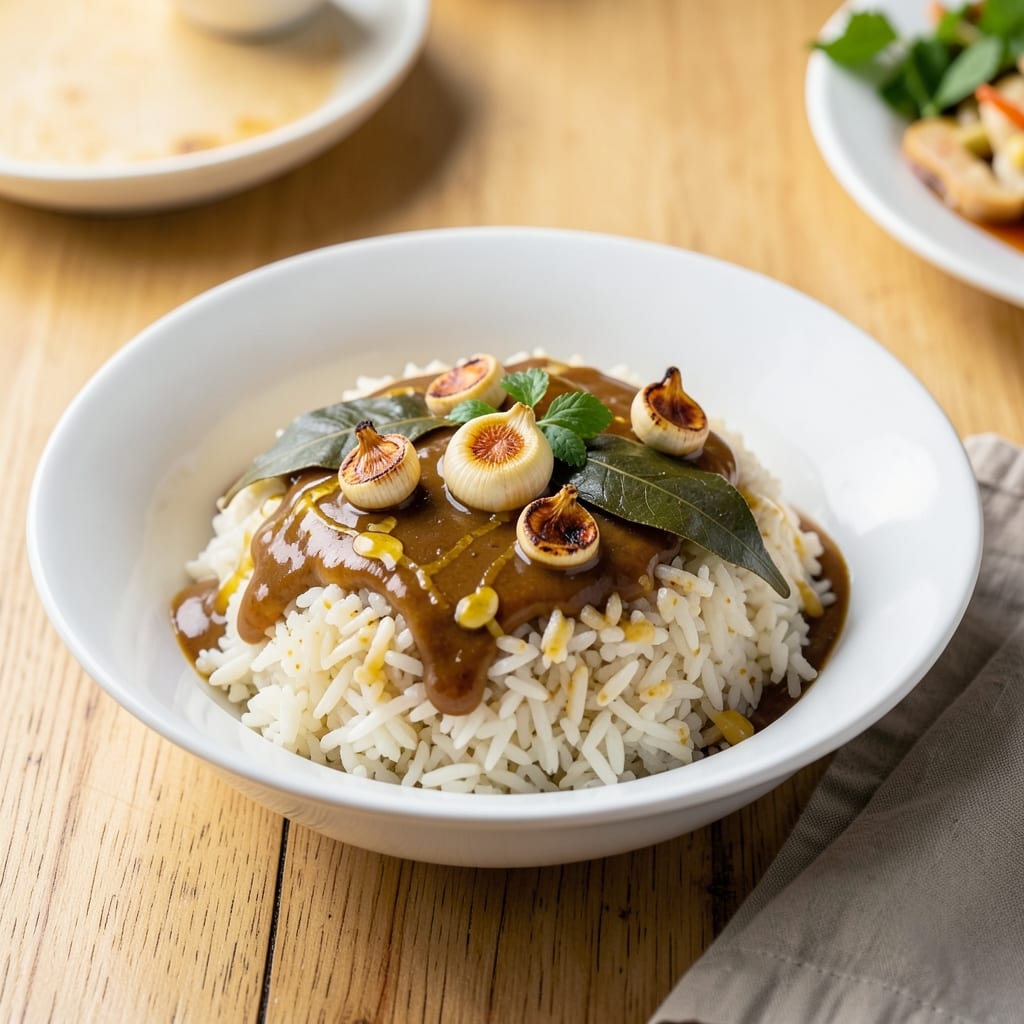
This Filipino adobo rice recipe transforms simple ingredients into a deeply flavorful, aromatic dish that captures the heart of Filipino home cooking. The secret lies in the balance of soy sauce, vinegar, and charred garlic—each element working together to create a savory, slightly tangy rice that pairs perfectly with adobo meats or vegetables. After years of perfecting this dish, I’ve found the right ratio of ingredients and cooking technique to deliver restaurant-quality results at home.
The beauty of adobo rice is its versatility—whether you’re making a traditional soy-based version or a vinegar-heavy take, the method remains the same. The rice absorbs the rich, umami-packed broth while staying tender and separate, never mushy. Charred garlic adds a smoky depth that elevates every bite, making this dish a staple in Filipino households. It’s the kind of meal that feels comforting yet sophisticated, perfect for weeknight dinners or special gatherings.
What makes this recipe stand out is the harmony of flavors: the salty-sweet soy, the bright tang of vinegar, and the aromatic garlic all come together in a single pot. The result is rice that’s infused with flavor but still light enough to let the natural taste of the grains shine through. Serve it alongside crispy adobo chicken or pork, or enjoy it on its own as a hearty side dish. This is Filipino comfort food at its finest.
The best part? This dish is foolproof—no advanced techniques required. With just a few pantry staples and a little patience, you’ll have a pot of adobo rice that tastes like it’s been simmering for hours. The aroma alone will have everyone at the table asking for seconds. Let’s get started on this timeless Filipino classic.
Ingredients for adobo rice filipino
Simple pantry staples create Filipino comfort food at its finest—this adobo rice is all about balance.
| Ingredient | Amount | Notes |
|---|---|---|
| Long-Grain White Rice 🍚 | 1 ½ cups | Uncooked, jasmine or basmati preferred |
| Soy Sauce 🍶 | ½ cup | Light or regular, not low-sodium |
| Cane Vinegar 🍋 | ¼ cup | White vinegar substitute if needed |
| Garlic Cloves 🧄 | 8 cloves | Charred for smoky depth |
| Fresh Ginger 🌿 | 1 tbsp | Finely grated, peeled |
| Bay Leaves 🌿 | 2 whole | Dried, for aromatic depth |
| Black Peppercorns 🌶️ | ½ tsp | Crushed, not ground |
| Olive Oil 🫒 | 1 tbsp | For charring garlic |
| Water 💧 | 2 cups | Filtered preferred |
| Salt 🧂 | 1 tsp | Kosher or sea salt |
| Sugar 🍬 | 1 tbsp | White or brown, balances flavors |
| Vegetable Oil 🫒 | 1 tbsp | For cooking rice |
The garlic is non-negotiable—char it in olive oil until crispy for that signature smoky flavor. Look for fresh garlic bulbs with tight cloves at Filipino markets or well-stocked grocery stores. The soy sauce should be light, not dark, for a cleaner flavor. Golden Mountain or Pearl River Bridge brands are my go-tos, but any good-quality soy sauce works. Fresh ginger loses potency fast, so buy it when it's firm and aromatic. The bay leaves add depth but can be omitted if you prefer a more modern take.
No cane vinegar? White vinegar or apple cider vinegar works in a pinch, but reduce to 2 tablespoons. The sugar balances the acidity—brown sugar adds subtle molasses notes. If you're avoiding sugar, date syrup or coconut sugar are great swaps. For a richer version, add 1 tablespoon of coconut milk powder to the rice. The rice should be uncooked and dry—jasmine or basmati holds up best to the braising.
This rice tastes even better the next day as flavors meld. Store in an airtight container for up to 5 days in the fridge. For longer storage, freeze for 3 months. Reheat gently with a splash of water to restore moisture. I always double the batch—leftover adobo rice makes perfect fried rice the next morning.
Why You'll Love This Recipe
- One-Pot Magic: The rice cooks right in the adobo sauce—no separate pot, no extra dishes. Just toss everything in, simmer, and walk away while the garlic and ginger work their flavor magic.
- Umami Bomb: That balance of soy sauce and vinegar? It’s chef’s kiss—savory, tangy, and just a little sweet without trying. The rice soaks up the goodness like a sponge, making every bite irresistible.
- Budget Meal, Big Flavor: Soy sauce, vinegar, and rice? Affordable, simple, but ridiculously satisfying. It’s the kind of dish that makes you feel like you’re treating yourself without breaking the bank. (Yes, even on a Tuesday night.)
Step-by-step instructions for adobo rice Filipino recipe
Master this classic Filipino dish where fragrant rice absorbs rich soy-vinegar sauce with charred garlic bites.
Char the Garlic and Prepare Aromatics
Heat a dry skillet over medium-high heat. Add the 8 cloves garlic and cook, stirring constantly, until they turn deep golden brown and smell intensely fragrant—about 3-4 minutes. This charring creates the signature smoky depth of Filipino adobo.
Remove the charred garlic from the skillet and set aside. In the same skillet, add the 1 tablespoon olive oil and the 1 tablespoon finely grated fresh ginger. Cook for 30 seconds until the ginger becomes fragrant but doesn't brown. This aromatic base will infuse the entire dish.
Build the Adobo Sauce
Transfer the ginger-infused oil to a medium saucepan. Add the 0.5 cup soy sauce, 0.25 cup cane vinegar, 2 whole bay leaves, 0.5 teaspoon crushed black peppercorns, 1 tablespoon sugar, and 1 teaspoon salt. Bring to a boil over medium-high heat, then immediately reduce to medium-low heat.
Simmer uncovered for 5-7 minutes until the sauce reduces by about 25% and becomes slightly syrupy. You'll notice the vinegar aroma mellows while the soy sauce deepens in color. This reduction concentrates the flavors for maximum impact on the rice.
Cook the Rice in the Adobo Sauce
Add the 1.5 cups long-grain white rice to the saucepan and stir gently to coat each grain. Pour in the 2 cups water and add the charred garlic cloves. Bring to a boil, then immediately reduce heat to low and cover tightly with a lid.
Cook for 15 minutes undisturbed. Here's the thing—Filipino adobo rice should steam gently. If you notice water bubbling vigorously, reduce the heat slightly. After 15 minutes, remove the lid and check for doneness. The rice should be tender with just a slight bite remaining.
Finish and Rest the Rice
Return the covered saucepan to low heat and cook for another 5 minutes. This final step allows the rice to absorb any remaining sauce and develop a delicate crust on the bottom of the pan. The charred garlic cloves should be tender enough to eat but still hold their shape.
Remove from heat and let the rice rest, covered, for 5 minutes. This resting period is crucial—it allows the steam to redistribute throughout the rice, ensuring each grain is perfectly moist. Fluff gently with a fork before serving, and you'll have restaurant-quality adobo rice with those signature charred garlic bites.
Pro Tips For Making Adobo Rice Filipino
- Toast Your Garlic: I learned this the hard way—raw garlic in adobo rice makes the dish taste bitter and sharp. Sauté 8-10 minuted chopped cloves in oil until deep golden, almost nutty, before adding anything else. This builds flavor that actually carries through the rice. ---
- Balance Vinegar Early: Cane vinegar’s acidity can turn your rice mushy if you dump it all at once. Split the dose: add half with the soy sauce at the start, then finish with the rest toward the end. Your rice will stay firm but still brighten up. ---
- Don’t Skip the Ginger Mince: Pre-grated ginger from a jar is fine, but freshly minced makes a real difference. Use about 1 tablespoon—it’s the subtle warmth that keeps the adobo from tasting flat. If you’re short on time, zest the peel instead; it’s less work but still adds depth. ---
- Simmer Low and Slow: After adding the rice, crank the heat to boil once, then drop it to the lowest setting you can tolerate. I know, I know—it’s tempting to rush, but letting it bubble gently for 18-20 minutes guarantees even cooking without burning the bottom. (Your future self will thank you.)
Best sauces and condiments for this dish
Classic Soy-Vinegar Sauce
The foundation of adobo rice is its signature soy-vinegar sauce, where the balance of ½ cup soy sauce and ¼ cup cane vinegar creates that signature tangy-savory depth. I prefer using Golden Mountain soy sauce for its clean, slightly sweet profile. For extra authenticity, add 1 tablespoon sugar to balance the acidity while ½ teaspoon crushed black peppercorns add a subtle warmth. Let the sauce reduce by 25% before adding rice—this concentrates the flavors beautifully. 🍶
Charred Garlic Bites
These crispy, smoky garlic cloves are non-negotiable—they transform ordinary rice into something extraordinary. Char 8 cloves garlic in a dry skillet over medium-high heat until deep golden brown (3-4 minutes). The key is to keep stirring constantly to prevent burning. Once charred, add them directly to the rice for that signature crunch and aroma. I like to use Filipino garlic when available—it's often more robust in flavor.
Ginger-Infused Oil Base
After charring the garlic, use the same skillet to infuse 1 tablespoon olive oil with 1 tablespoon freshly grated ginger for just 30 seconds. This aromatic base carries the essence of the dish throughout. The ginger should be fragrant but not browned—overcooking turns it bitter. This simple step elevates the rice from good to unforgettable. 🌿
Bay Leaf and Pepper Depth
Don't skip the 2 whole bay leaves and ½ teaspoon crushed black peppercorns—they add complex aromatic layers. The bay leaves infuse the rice with a subtle herbal note, while the peppercorns provide a gentle heat. Remove the bay leaves before serving if you prefer a cleaner presentation, but I leave them in for maximum flavor. For extra depth, add a pinch of cinnamon or star anise during the sauce reduction.
Coconut Milk Twist
For a richer version, stir in ¼ cup coconut milk during the final 5 minutes of cooking. This creates a creamy, slightly sweet variation that's perfect for special occasions. I use full-fat coconut milk for the best texture, but light coconut milk works in a pinch. This twist is especially popular in Visayan-style adobo rice, where coconut is a staple ingredient.
Leftover Magic
Adobo rice tastes even better the next day as the flavors meld together. Store leftovers in an airtight container for up to 5 days in the fridge. For a quick meal, reheat with a splash of water and serve with a fried egg on top. You can also transform leftovers into adobo fried rice by stir-frying with scrambled eggs and extra soy sauce. The possibilities are endless! 💡
Nutrition facts
Frequently asked questions
Can I substitute white vinegar for cane vinegar in this recipe?
Yes, you can use white vinegar as a substitute, but reduce the amount to 2 tablespoons instead of ¼ cup. Cane vinegar has a milder, slightly sweeter taste that works perfectly with the soy sauce. White vinegar is more acidic, so using too much will make the rice overly tangy.
Why does my adobo rice turn out mushy?
Mushy rice usually happens when the heat is too high or the rice isn't rested properly. Always cook on low heat after the initial boil and cover tightly. Let the rice rest for 5 minutes after cooking—this helps redistribute moisture. Also, avoid lifting the lid during cooking to trap steam.
How do I make this recipe vegetarian?
Simply omit the charred garlic cloves if you prefer, or replace them with charred shallots for a similar flavor. The soy-vinegar sauce remains perfectly vegetarian. For extra depth, add ½ cup diced mushrooms or tofu to the rice during the final 5 minutes of cooking. The dish will still be packed with umami flavor!
Can I make adobo rice in a rice cooker?
Prepare the sauce as directed, then add the rice and water to your rice cooker. Cook on the white rice setting until fully done. For the charred garlic, add it during the last 5 minutes of cooking. The rice cooker will maintain the gentle heat needed for perfect texture.
What's the best way to serve leftover adobo rice?
Leftover adobo rice is even better the next day! Reheat with a splash of water and serve with a fried egg on top for a classic Filipino breakfast. You can also turn it into adobo fried rice by stir-frying with scrambled eggs, extra soy sauce, and diced vegetables. It's a great way to use up leftovers without waste.