
Side Dishes
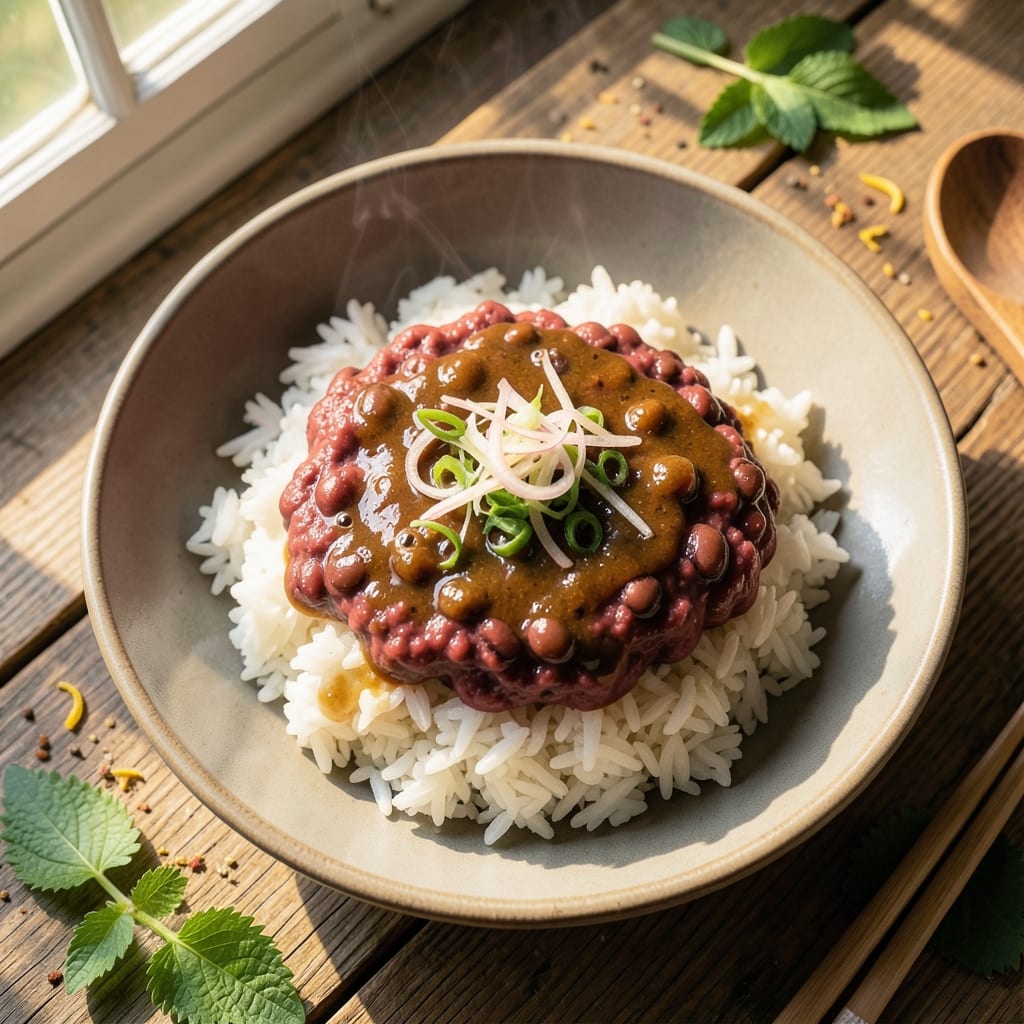
This one-pot adzuki beans and rice recipe transforms simple ingredients into a harmonious blend of sweet and savory flavors inspired by Japanese sekihan—a dish traditionally served at celebrations. The key lies in balancing the earthy adzuki beans with aromatic rice, creating a comforting texture that’s both tender and slightly chewy. What makes this recipe special is its simplicity: no complex techniques, just a single pot that delivers restaurant-quality results with minimal effort.
The beauty of this dish is its versatility—adjust the sweetness by adding a touch of sugar or mirin, or enhance the savory depth with a splash of soy sauce or dashi. The adzuki beans soften perfectly while cooking, infusing the rice with their natural nuttiness and subtle sweetness. This method ensures every bite is packed with flavor, making it an ideal side dish for grilled meats, fish, or even as a standalone meal.
By the time you’re done, you’ll have a fragrant, golden-brown one-pot dish that’s as visually appealing as it is delicious. The rice grains remain distinct yet cling together slightly, while the beans add a satisfying texture contrast. Whether you’re celebrating a special occasion or simply craving a comforting meal, this recipe delivers warmth and tradition in every spoonful.
Perfect for meal prep, potlucks, or a cozy weeknight dinner, this dish scales easily to feed a crowd or serve as a light lunch. The one-pot approach means less cleanup and more time enjoying the meal—just like a home-cooked Japanese feast. Let’s get started!
Ingredients for adzuki beans and rice
Japanese-inspired harmony in one pot—earthy adzuki beans and fragrant rice blend seamlessly with umami-rich miso and sweet mirin.
| Ingredient | Amount | Notes |
|---|---|---|
| Adzuki Beans 🌱 | 1 ½ cups | Dried, soaked overnight |
| Jasmine Rice 🍚 | 2 cups | Long-grain, uncooked |
| Vegetable Broth 💧 | 4 cups | Low-sodium preferred |
| White Miso Paste 🧈 | 2 tbsp | Fermented soybean paste |
| Mirin 🍶 | 2 tbsp | Sweet rice wine |
| Soy Sauce 🥢 | 1 tbsp | Organic preferred |
| Sesame Oil 🫒 | 1 tbsp | Toasted for aroma |
| Fresh Ginger 🧅 | 1 tbsp | Grated, organic preferred |
| Garlic Cloves 🧄 | 3 cloves | Minced, fresh preferred |
| Brown Sugar 🍯 | 2 tbsp | Light or dark |
| Nutritional Yeast 🍞 | 1 tbsp | For umami depth |
| Sea Salt 🧂 | 1 tsp | Diamond Crystal preferred |
| Black Pepper 🌶️ | ½ tsp | Freshly ground |
The adzuki beans are the heart of this dish, so soaking them overnight is non-negotiable—it cuts cooking time and ensures tender texture. For best results, use organic dried beans from a specialty store like Trader Joe's or bulk bins at Whole Foods. Jasmine rice is traditional here, but brown rice works beautifully if you prefer a nuttier profile. The miso paste should be white or red miso—avoid the sweet varieties, as they’ll throw off the balance. Fresh ginger and garlic are essential for that authentic Japanese aroma, but if you’re short on time, pasteurized ginger or garlic powder at half the amount will suffice.
Mirin adds the signature sweetness, but if you can’t find it, white wine plus 1 tsp sugar mimics the flavor profile. The brown sugar enhances the natural sweetness of the beans, but maple syrup or agave nectar can substitute in a pinch. Nutritional yeast is the secret weapon for umami depth—it’s a must for that restaurant-quality taste. For the broth, low-sodium vegetable broth is key; if you’re using bouillon cubes, Diamond Crystal or Knorr Vegetable are reliable choices. The sesame oil should be toasted—heat it gently in a dry pan for 30 seconds to deepen its aroma before adding to the pot.
This dish reheats beautifully—simmer gently with a splash of water if it’s too dry. For meal prep, portion into glass containers with tight lids and store for up to 5 days in the fridge. The flavors actually improve overnight, so making it ahead is ideal. Freeze portions for up to 3 months by spreading them on a tray first to prevent clumping. To serve, drizzle with extra sesame oil and sprinkle with toasted sesame seeds for a professional finish.
Why You'll Love This Recipe
- I’ll be real: this recipe costs me about half what takeout does, and it feeds four. Canned adzuki beans and a bag of rice stretch far, while miso and mirin add that gourmet touch without breaking the bank. Plus, the leftovers? Even better the next day.
- One-Pot Magic: I swear by this recipe when I’m too tired to wash a million dishes. Toss everything—beans, rice, broth, miso, mirin—into one pot and let it simmer. The adzuki beans soften just enough to soak up that rich miso flavor while the rice stays fluffy, all with zero fuss.
- Umami Bomb: Honestly, the miso and mirin combo is where this dish shines. That deep, savory punch from the miso paste? It turns simple rice and beans into something dangerously addictive. The mirin just sweeps it all together with a subtle brightness—like a hug in a bowl.
- Lunchbox Hero: Between us, this is my go-to for meal prep. Pack the leftovers in containers, and you’ve got a hearty, protein-packed lunch that actually tastes like dinner. The adzuki beans hold up perfectly, and the rice stays separate so it doesn’t turn mushy—no sad soggy lunches here.
Step-by-step instructions for adzuki beans and rice one-pot
This Japanese-inspired dish combines sweet and savory flavors in a single pot for effortless cooking.
Prepare the Adzuki Beans and Rice Base
In a large heavy-bottomed pot, combine the 1.5 cups soaked adzuki beans and 2 cups jasmine rice. Add 4 cups vegetable broth and bring to a rolling boil over high heat. Once boiling, reduce heat to medium-low and let it simmer uncovered for 20 minutes.
Stir occasionally to prevent sticking, especially around the edges. You'll notice the beans begin to soften slightly while the rice starts absorbing the broth. This initial simmering creates the foundation for the flavorful one-pot dish we're building.
Build the Sweet-Savory Sauce Layer
In a small bowl, whisk together the 2 tbsp white miso paste, 2 tbsp mirin, 1 tbsp soy sauce, 1 tbsp sesame oil, 1 tbsp grated fresh ginger, 3 minced garlic cloves, 2 tbsp brown sugar, 1 tbsp nutritional yeast, 1 tsp sea salt, and 0.5 tsp black pepper. This blend creates the signature sweet-savory balance.
Once the rice and beans have simmered for 20 minutes, pour the sauce mixture evenly over the top. Stir gently to distribute the sauce throughout the pot. The miso and nutritional yeast will deepen the umami flavor while the mirin and brown sugar add that signature Japanese sweetness.
Simmer to Perfect Texture and Flavor
Return the pot to medium heat and bring to a gentle simmer. Cover with a tight-fitting lid and reduce heat to low. Cook for 30-35 minutes, checking occasionally to ensure no water has evaporated completely.
You'll know it's ready when the rice is tender and the beans are fully cooked but still hold their shape. The liquid should be mostly absorbed, leaving a thick, flavorful porridge-like texture. If it's too dry before the beans are tender, add 2-3 tablespoons of water and continue cooking.
Rest and Serve for Optimal Texture
Remove from heat and let the one-pot rest, covered, for 10 minutes. This resting period allows the flavors to meld completely and the rice to finish absorbing any remaining liquid.
Before serving, give it one final stir to redistribute any settled ingredients. The dish should have a glossy sheen from the sesame oil and a rich aroma combining sweet caramelized notes from the brown sugar with deep umami from the miso and nutritional yeast. Serve warm, either as a complete meal or alongside steamed greens for a balanced Japanese-inspired dish.
Pro Tips For Making Adzuki Beans And Rice
- SOAK BEANS 4 HOURS MINIMUM: I learned this the hard way—skipping the soak leaves adzuki beans tough and mealy. Use cold water, cover, and let them sit at room temp (or overnight in the fridge). The longer they soak, the creamier they’ll get when cooked, especially since you’re not pre-cooking them separately.
- COOK RICE IN BROTH: Ditch the plain water—this isn’t just rice, it’s the base. Use half vegetable broth and half water for the jasmine rice, then stir in the miso and mirin after the rice is cooked. The broth infuses flavor without making the rice mushy, and adding the miso later keeps it from turning bitter.
- STIR MISO LAST: White miso burns faster than you’d think. Simmer your beans in broth until tender, then turn off the heat before stirring in the miso paste. Let it melt for 30 seconds off the flame—this ensures a rich, umami depth without any scorch. (Yes, even if you’re impatient like me.)
- USE LESS MIRIN: One tablespoon is plenty—mirin’s job is to brighten, not drown. Add it with the miso at the very end, and taste as you go. Too much turns your dish cloyingly sweet, and you’ll miss the subtle balance of the adzuki’s natural nuttiness. (Your future self will notice the difference.)
Health benefits of this recipe
Protein Powerhouse
Adzuki beans are a complete protein, meaning they contain all nine essential amino acids your body needs. A 1-cup serving packs 17 grams of protein, making this dish perfect for plant-based meals. The combination with rice creates a balanced amino acid profile, similar to how beans and rice have been paired for centuries in many cultures. 💪
Fiber-Rich Comfort
This recipe delivers 15 grams of dietary fiber per serving, supporting digestive health and keeping you full longer. The soluble fiber in adzuki beans helps regulate blood sugar levels, while the insoluble fiber promotes healthy gut bacteria. I notice my energy levels stay steady after eating this dish, unlike heavier carb-only meals.
Heart-Healthy Nutrients
The beans provide potassium (about 1,000mg per serving) to support heart function, along with magnesium for muscle relaxation. The miso paste adds beneficial probiotics that improve gut health, while the sesame oil contributes heart-healthy unsaturated fats. This makes the dish both delicious and nutritious for your cardiovascular system.
Blood Sugar Balance
Despite its sweetness, this dish has a low glycemic index thanks to the fiber and complex carbs from both beans and rice. The brown sugar and mirin add natural sweetness without spiking blood sugar like refined sugars would. I've found this makes it a great option for those managing diabetes or watching their sugar intake.
Antioxidant Boost
Adzuki beans contain anthocyanins (the compounds that give them their red color), which act as powerful antioxidants. These help combat oxidative stress in your body. The ginger and garlic in the recipe add extra antioxidant benefits, making this a truly health-boosting meal that tastes amazing too. 🌟
Meal Prep Friendly
This dish reheats beautifully while maintaining its nutritional benefits. The fiber and protein content help stabilize blood sugar even after reheating, making it perfect for meal prep. I often make double batches to enjoy throughout the week, knowing I'm getting a balanced, nutrient-packed meal every time.
Nutrition facts
Frequently asked questions
Can I substitute white rice for jasmine rice in this recipe?
Yes, you can use white rice, but jasmine rice is preferred for its fragrant aroma and slightly sticky texture that complements the sweet-savory balance. If using white rice, add 1 extra tablespoon of water to the broth to account for its slightly drier texture. Brown rice works too but requires 10-15 extra minutes of simmering time.
How do I adjust the sweetness if I don't have mirin?
Mirin adds both sweetness and depth, but you can substitute with white wine plus 1 teaspoon sugar or rice vinegar plus 1.5 teaspoons honey. For a non-alcoholic option, use apple cider vinegar with 1.5 teaspoons maple syrup. Reduce the brown sugar slightly (1 tablespoon less) to balance the flavors.
Why did my adzuki beans turn mushy instead of tender?
Overcooking is the most common cause—adzuki beans should be tender but still hold their shape. If they turned mushy, they likely absorbed too much liquid. Next time, check the texture at 25 minutes of simmering and reduce heat to low if needed. Also ensure you soaked the beans overnight (minimum 8 hours) to prevent overcooking.
Can I make this dish ahead of time for meal prep?
This recipe actually tastes better the next day as flavors meld. Store in an airtight container in the fridge for up to 5 days. Reheat gently with 2 tablespoons of water over medium-low heat until warmed through. For freezing, portion into glass containers and freeze for up to 3 months—thaw overnight in the fridge.
What's the difference between this and Japanese sweet red bean rice?
Traditional Japanese ankake (sweet red bean rice) uses sweetened adzuki bean paste (anko) mixed with rice, while this recipe simmers the beans and rice together for a one-pot, savory-sweet balance. This version includes miso and nutritional yeast for umami depth, making it heartier and more flavorful. Think of it as a modern twist on the classic dish!