
Main Courses
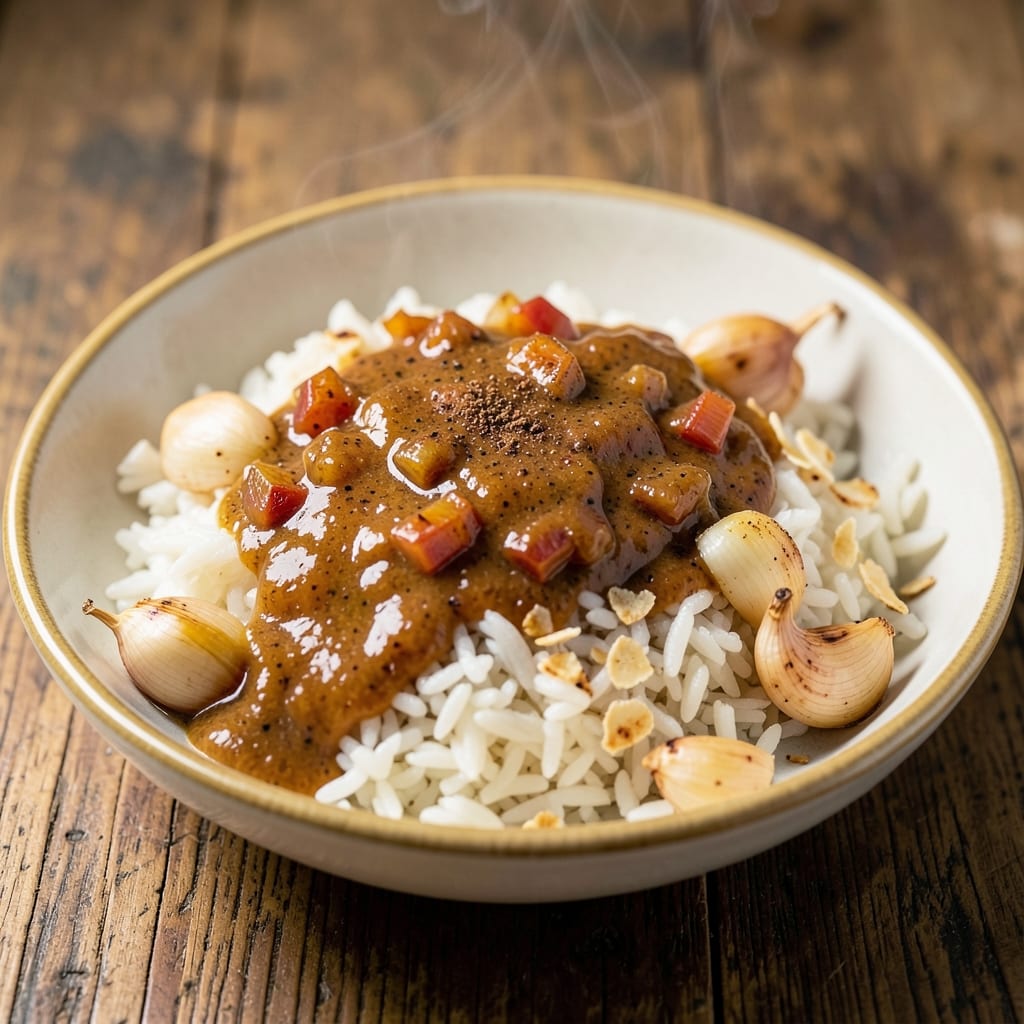
This African coconut rice recipe brings the rich, aromatic flavors of West African cuisine to your table with a perfect balance of toasted spices and velvety coconut milk. The key lies in slowly caramelizing onions and garlic until deep golden, then building layers of warmth with cinnamon, nutmeg, and a touch of ginger—all before the rice absorbs the creamy coconut milk. What makes this dish truly special is how the spices meld together over time, creating a fragrant, comforting base that pairs beautifully with grilled meats or fresh vegetables.
The process is straightforward but rewarding: start by sautéing onions and garlic until they're sweet and caramelized, then toast your spices just until fragrant—never let them burn. This step is where the magic happens, as the spices release their oils and infuse the rice with their distinct flavors. The rice itself cooks in a rich coconut milk broth, absorbing all the aromatic goodness while remaining tender and fluffy. For those watching their sodium intake, this recipe can easily be adapted by reducing or omitting added salt, making it a versatile option for modern diets.
What you'll end up with is a dish that's creamy yet light, fragrant with warm spices, and perfectly balanced in flavor. Each grain of rice is infused with the essence of toasted spices and coconut milk, creating a harmonious blend that's both comforting and sophisticated. The texture is ideal—tender rice with a slight bite from the spices, all wrapped in a luxurious coconut cream. This is the kind of dish that transforms a simple weeknight dinner into a celebration of African flavors.
Pair this coconut rice with grilled chicken, fish, or shrimp for a complete meal, or serve it alongside a fresh salad and steamed vegetables for a well-rounded, flavorful dish. The leftovers reheat beautifully, making it perfect for meal prep or feeding a crowd. Let's get started on creating this fragrant, creamy masterpiece that captures the heart of African cuisine.
Ingredients for african coconut rice
Toasted spices, creamy coconut milk, and tender rice—just these ingredients transform a simple meal into West African magic.
| Ingredient | Amount | Notes |
|---|---|---|
| Long-Grain White Rice 🍚 | 1 ½ cups | Uncooked, jasmine or basmati preferred |
| Yellow Onions 🧅 | 1 whole | Medium size, thinly sliced |
| Garlic Cloves 🧄 | 4 cloves | Fresh, minced for depth |
| Coconut Milk 🥥 | 1 ½ cups | Full-fat canned, no additives |
| Ground Cinnamon 🌿 | 1 tsp | Freshly ground for warmth |
| Ground Nutmeg 🌿 | ½ tsp | Freshly grated preferred |
| Ground Ginger 🌶️ | ½ tsp | Freshly ground for zing |
| Salt 🧂 | ½ tsp | Adjust to taste, optional |
| Vegetable Oil 🫒 | 2 tbsp | Light or canola preferred |
| Fresh Cilantro 🌿 | ¼ cup | Chopped, for garnish only |
| Lemon Juice 🍋 | 1 tbsp | Freshly squeezed for brightness |
| Black Pepper 🌶️ | ¼ tsp | Freshly ground for finish |
| Bay Leaves 🌿 | 1 whole | Dried, removed before serving |
The onions and garlic are where the flavor starts. Yellow onions work best here—they caramelize beautifully without turning bitter. Grab the biggest sweet yellow from the store, not the red or white. For garlic, fresh cloves are non-negotiable—jarred minced loses its punch. Toast the spices low and slow until fragrant, but never let them burn. That's when they turn bitter. The coconut milk? Full-fat canned is key—light versions won't give that creamy texture. I always buy Thai Kitchen brand when I'm doing a big batch, but any quality canned works.
No fresh ginger? Ground ginger at half the amount gets you close. Running low on nutmeg? Allspice works in a pinch. The bay leaves add depth but can be skipped if you're not a fan. For the rice, jasmine or basmati stays separate and fluffy—long-grain white is a must. Prefer brown rice? It'll take longer but works fine. The cilantro is purely for garnish—skip it if you hate the flavor. For extra richness, stir in 1 tbsp of unsalted butter at the end, but it's not required. The lemon juice brightens everything up—don't skip it.
This reheats beautifully—just add a splash of water or coconut milk to keep it moist. Keeps for 4-5 days in the fridge, freezes for 3 months. I always double the batch because it disappears fast. Store in an airtight container with the lid slightly loose so it doesn't steam. For meal prep, portion into containers with your protein of choice—grilled chicken or shrimp pair perfectly. The flavors actually get better the next day as everything melds together.
Why You'll Love This Recipe
- No-Sweat Simplicity: I swear by this one when I’m too tired for fancy cooking. Just sauté onions and garlic, add rice and spices, pour in coconut milk, and let it simmer—no stirring every five minutes like some rice recipes demand. The rice cooks itself while you handle the rest of dinner.
- Warm Spice Hug: That first whiff of cinnamon and coconut milk hitting the pot? Pure comfort. The garlic softens into a sweet, mellow richness while the cinnamon adds just enough warmth to make it taste like a hug from your favorite chef. It’s the kind of flavor that lingers long after you finish.
- Leftover Goldmine: This rice actually improves the next day—more tender, flavors melded deeper. I make double batches on Sundays because it’s perfect for lunches, wraps, or even stuffed into baked fish. No sad, dry rice here; just creamy, dreamy leftovers begging to be eaten.
- Budget Bright Spot: Coconut milk and spices might sound fancy, but a can of coconut milk and a tiny jar of cinnamon go far. A single batch feeds four, and the ingredients stretch across multiple meals. Honestly, it’s one of my go-to recipes when I’m pinching pennies but still want something special.
Step-by-step instructions for African coconut rice
Here's how to create fragrant, creamy coconut rice with warm African spices—simple steps for big flavor.
Toast the Spices and Sauté the Aromatics
Heat the 2 tablespoons vegetable oil in a medium saucepan over medium heat. Add the 1 whole yellow onions and cook for 5 minutes until softened and translucent. You'll smell the onions caramelizing slightly—that's when you know they're ready for the next step.
Add the 4 cloves garlic cloves, 1 teaspoon ground cinnamon, ½ teaspoon ground nutmeg, ½ teaspoon ground ginger, and ½ teaspoon salt. Stir constantly for 1-2 minutes until the spices release their aromatic oils and the mixture smells deeply fragrant. This toasting step builds the complex spice base that defines this dish. Don't rush it—the spices need time to bloom properly.
Add Rice and Coconut Milk
Stir in the 1½ cups long-grain white rice, coating each grain with the spiced oil mixture. You'll see the rice turn slightly translucent at the edges—that's your signal it's ready for liquid. Pour in the 1½ cups coconut milk and add the 1 whole bay leaves. Give everything a thorough stir to distribute the rice evenly.
Bring the mixture to a gentle boil, then immediately reduce heat to low. Cover the saucepan tightly with a lid and let it simmer for 20 minutes without disturbing it. This initial cooking period allows the rice to absorb the coconut milk while developing its foundational flavor. If you peek too early, you'll release steam and potentially dry out the rice.
Simmer Until Tender and Creamy
After 20 minutes, check the rice. If it's still slightly firm in the center, continue simmering for another 5-10 minutes on low heat. You're aiming for rice that's tender but still has a slight bite—this ensures it doesn't turn mushy. The coconut milk should be mostly absorbed, leaving you with a creamy, almost pudding-like texture.
Here's the thing—African coconut rice should be creamy but not soupy. If it looks too dry before the rice is fully cooked, add 2-3 tablespoons of water and continue simmering. The rice is done when it's tender and the mixture has a luxurious, velvety consistency. You'll know it's perfect when the rice grains are distinct but coated in that rich coconut cream.
Finish with Fresh Herbs and Brightness
Remove the saucepan from heat and let it sit covered for 5 minutes. This resting period allows the flavors to meld and the rice to finish absorbing any remaining liquid. Stir in the 1 tablespoon lemon juice and ¼ teaspoon black pepper, then fold in the ¼ cup fresh cilantro. The lemon juice brightens the dish, cutting through the richness of the coconut.
Gently fluff the rice with a fork, being careful not to mash the grains. Taste and adjust seasoning if needed—you might want to add a pinch more salt or a splash more lemon juice for balance. The final dish should be fragrant, creamy, and bursting with warm spice notes. Serve immediately while still warm, garnished with additional cilantro if desired.
Pro Tips For Making African Coconut Rice
- TOAST THE ONIONS FIRST: I used to skip this step, thinking it was optional, but toasting the onions in oil until they’re deep golden—almost caramelized—adds a rich, nutty depth that coconut milk alone can’t match. Use medium heat and give them 8-10 minutes; they’ll soften and sweeten the whole dish.
- USE FULL-FAT COCONUT MILK: Light coconut milk will make your rice clingy and watery. Splurge on the full-fat canned version—it’s thicker, creamier, and gives that luscious, restaurant-style texture. If you’re worried about cost, mix half full-fat with half light, but don’t skip it entirely.
- STIR THE RICE ONCE MIDWAY: After the initial 10 minutes of simmering, let the rice cook undisturbed for 5 minutes, then give it a single, gentle stir. This prevents the bottom from sticking while keeping the grains separate. Over-stirring turns coconut rice into glue—trust the process.
- SALT THE COCONUT MILK: Coconut milk tastes bland on its own, so season it with a pinch of salt before adding it to the rice. This balances the sweetness and ensures every grain absorbs flavor. I know it sounds odd, but your taste buds will notice the difference.
Dietary considerations for these flavors
Gluten-Free Friendly
This African coconut rice recipe is naturally gluten-free since it relies on rice, coconut milk, and fresh spices—no wheat or gluten-containing ingredients are involved. The base ingredients like jasmine rice, coconut milk, and vegetable oil are all gluten-free staples, making this dish safe for those with celiac disease or gluten sensitivity. Always double-check your coconut milk brand for hidden additives, as some may contain trace amounts of gluten. 🌱
Vegetarian and Vegan Adaptations
For a vegetarian version, simply follow the recipe as written—it’s already plant-based! The coconut milk, spices, and rice provide all the necessary components. If you're making it vegan, ensure your coconut milk is labeled vegan (most canned versions are) and skip any optional butter or dairy-based garnishes. The dish remains rich and satisfying without animal products. 🥥
Low-Sodium Options
To reduce sodium, omit the ½ teaspoon salt entirely or use a low-sodium broth (if adding extra liquid). The natural sweetness of caramelized onions and coconut milk balances the dish beautifully without added salt. For extra flavor, boost the garlic, ginger, and lemon juice—they add depth without relying on salt. Taste as you go and adjust gradually. 🧂
Nut-Free and Allergen-Friendly
This recipe is nut-free and safe for those with tree nut allergies, as it doesn’t include nuts or nut-based ingredients. However, always verify your coconut milk label, as some brands may process in facilities that handle nuts. For added safety, choose a certified nut-free coconut milk brand. The dish also avoids common allergens like dairy, eggs, and shellfish, making it a versatile option for many dietary restrictions. ✨
Protein Pairings for Balance
While this dish is delicious on its own, pairing it with plant-based proteins makes it a complete meal. Try grilled tofu, chickpeas, or lentils for a vegetarian/vegan option. For non-vegetarian versions, grilled chicken, fish, or shrimp complement the creamy rice perfectly. The coconut and spices in the rice enhance the protein’s flavors without overpowering them. 🍗
Nutrition facts
Frequently asked questions
Can I use brown rice instead of white rice?
Yes, but you'll need to adjust the cooking time. Brown rice takes longer to cook—simmer it for 40-45 minutes instead of 20-25 minutes and add 1 extra cup of coconut milk to prevent drying. The texture will be heartier and nuttier, which works beautifully with the toasted spices.
What if my coconut rice turns out too dry?
If your rice is dry, it likely didn't absorb enough liquid. Next time, add ¼ cup more coconut milk or ½ cup water when simmering. For immediate rescue, stir in 2-3 tablespoons of warm coconut milk or water, cover, and let it steam for 5 minutes off the heat. The rice should plump up nicely.
How can I make this recipe more flavorful?
Boost the depth by adding 1 tsp smoked paprika with the initial spices or stir in ½ cup diced tomatoes when adding the coconut milk. For extra richness, fold in 1 tbsp butter or 1 tbsp tahini at the end. A pinch of cayenne pepper adds subtle heat without overpowering.
Can I prepare this ahead of time?
This rice reheats beautifully. Cook it as directed, then store in an airtight container in the fridge for 4-5 days or freeze for 3 months. To reheat, add 2-3 tbsp water or coconut milk per cup of rice, cover, and microwave for 2-3 minutes or steam for 10 minutes. The flavors actually deepen over time.
What's the best way to serve this coconut rice?
Pair it with grilled proteins like chicken, fish, or shrimp for a complete meal. For vegetarian options, serve with black beans, roasted veggies, or avocado. The creamy coconut rice also makes an excellent side for curries or stews. Garnish with extra cilantro, lime wedges, or toasted coconut flakes for presentation.