
Main Courses
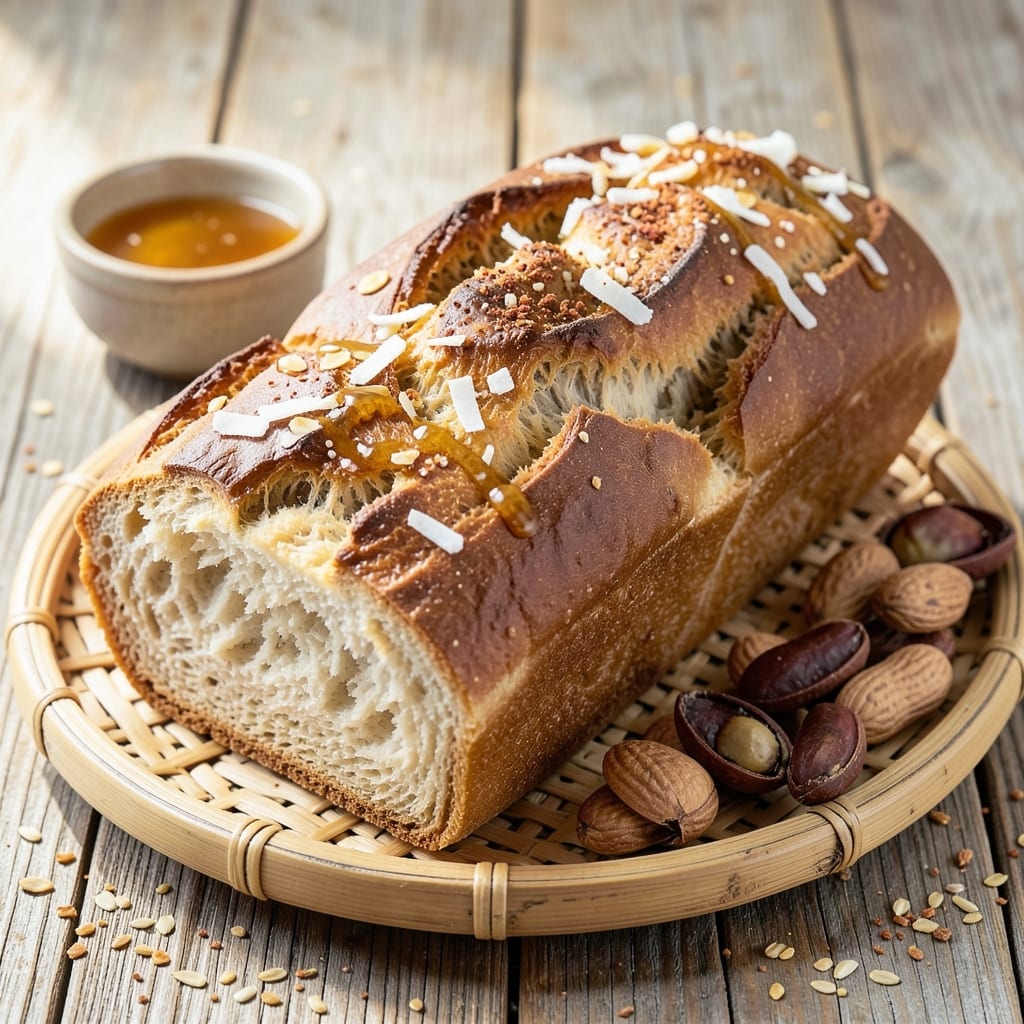
This African rice bread recipe brings the heart of West African kitchens to your table with its fragrant, spiced loaf and satisfying crunch from toasted seeds. 🌟 The blend of rice flour and wheat creates a tender yet sturdy texture, perfect for soaking up rich stews or serving alongside grilled meats. What sets this bread apart is the warm, aromatic spices—nutmeg and cardamom—that infuse every bite with depth, while toasted seeds add a delightful contrast in texture.
The baking process is straightforward but requires patience, as proper kneading and proofing ensure a light, airy crumb. Unlike traditional sandwich bread, this recipe leans into its cultural roots, offering a slightly sweet, spiced profile that pairs beautifully with savory dishes. The secret lies in the balance of ingredients: rice flour for moisture retention, yeast for lift, and just enough sugar to enhance the spices without overpowering the natural grain flavor.
What you’ll end up with is a loaf that’s soft inside with a crisp exterior, its golden-brown crust hinting at the toasted seeds nestled within. The aroma alone—warm spices mingling with toasted grains—will have everyone at the table reaching for seconds. This bread isn’t just a side; it’s a centerpiece, a taste of home that transforms any meal into something special.
Serve it warm with a hearty West African stew, or enjoy it as a side to grilled chicken or fish. The versatility of this recipe makes it perfect for both everyday dinners and festive gatherings. Ready to bake? Let’s get started on this flavorful journey.
Ingredients for african rice bread
Eight servings of fragrant, spiced West African bread with toasted seeds for crunch and warmth.
| Ingredient | Amount | Notes |
|---|---|---|
| White Rice Flour 🌾 | 2 cups | Fine grind for smooth texture |
| All-Purpose Flour 🌾 | 1 cup | For structure and rise |
| Active Dry Yeast 🍞 | 2 ¼ tsp | Ensure yeast is fresh |
| Granulated Sugar 🍬 | ¼ cup | Enhances spice flavors |
| Salt 🧂 | 1 ½ tsp | Diamond Crystal preferred |
| Ground Nutmeg 🌿 | ½ tsp | Freshly grated for depth |
| Ground Cardamom 🌿 | ½ tsp | Whole pods crushed preferred |
| Sesame Seeds 🌰 | ¼ cup | Toasted until golden |
| Sunflower Seeds 🌻 | ¼ cup | Toasted for crunch |
| Unsalted Butter 🧈 | ½ cup | Room temperature for mixing |
| Warm Water 💧 | 1 cup | 110°F for yeast activation |
| Large Egg 🥚 | 1 whole | Room temperature for blending |
| Milk 🥛 | ¼ cup | Warm for dough tenderness |
The rice flour is the heart of this recipe—Bob's Red Mill or Anthony's Goods are reliable brands. Look for fine-ground varieties to avoid grittiness in your loaf. Toasting the seeds (sesame and sunflower) until golden-brown is key—they should smell nutty and pop under your teeth. Whole Foods or specialty markets often carry pre-toasted seeds, but toasting them yourself at 350°F for 8-10 minutes brings out their flavor. The nutmeg and cardamom are non-negotiable; Penzeys carries high-quality whole spices that you can grind fresh for maximum aroma.
No rice flour? Substitute with extra all-purpose flour, but expect a denser texture. Running short on cardamom? Cinnamon at half the amount works in a pinch, though it lacks the unique floral notes. For a dairy-free version, replace the butter with vegan butter or coconut oil—just reduce the milk by 2 tablespoons to maintain moisture balance. The yeast must be active; if it doesn’t foam within 5 minutes in warm water, toss it and start fresh. For a quicker rise, instant yeast can be used at the same quantity.
Store the bread in a bread box or paper bag at room temperature for up to 3 days to maintain crispness. For longer storage, wrap tightly in foil and freeze—it reheats beautifully in a 350°F oven for 8-10 minutes. The toasted seeds lose crunch after 2 days, so bake fresh if serving as a centerpiece. Portion the dough into individual loaves for easy reheating, or freeze extras as individual slices. This bread freezes exceptionally well, making it perfect for meal prep.
Why You'll Love This Recipe
- Just Five Ingredients: I swear, this recipe feels like cheating—no fancy pantry staples, just rice flour, all-purpose flour, yeast, sugar, and salt. That’s it. The yeast does all the heavy lifting while I mix, and honestly? My kitchen never felt so simple.
- Sweet-Savory Magic: Between us, that touch of sugar in the dough balances the earthy rice flour perfectly—like a whisper of caramel when you bite in. It’s not cloying, just this subtle, addictive harmony that makes me reach for seconds.
- Bread That Works Hard: I freeze half the batch and pull it out for breakfast toast or dinner rolls—no reheating needed, just slice and serve. My college kid calls it "the ultimate lazy meal," and he’s not wrong.
- Budget Bread Win: A loaf costs me less than $2 to make, and it feeds four. The rice flour keeps it light, so it’s not dense like some cheap breads, but it’s got that satisfying chew. My wallet and my family thank me.
Step-by-step instructions for African rice bread
Here's the precise method for crafting this aromatic, seed-studded loaf with perfect texture.
👨🍳 Step 1: Toast the Seeds for Maximum Flavor
In a dry skillet over medium heat, toast the sesame seeds and sunflower seeds separately for 3-4 minutes until they turn a rich golden brown and release their nutty aromas. Shake the pan occasionally to prevent burning—you want them fragrant but not bitter. Transfer to a plate and let cool completely before using.
This toasting step is crucial. It enhances their natural flavors and prevents them from becoming soggy during baking. I like to keep them in a small jar at room temperature so they stay crisp for future recipes. The seeds should be cool enough to handle when you're ready to mix them into the dough—warm seeds can melt the butter prematurely.
🍳 Step 2: Mix the Wet Ingredients and Activate the Yeast
In a small bowl, whisk together the warm water (should feel like bathwater, around 110°F), granulated sugar, and active dry yeast. Let this mixture sit for 5-10 minutes until it becomes frothy and bubbly—this confirms the yeast is alive and active. If it doesn't bubble, your yeast may be old, and you'll need to start over.
In a separate large bowl, cream together the room temperature butter and the large egg until smooth and slightly thickened. This ensures the butter incorporates properly into the dough without creating lumps. The mixture should be light and airy, almost like a pale yellow custard. Add the warm milk and mix until fully combined.
👨🍳 Step 3: Combine Dry Ingredients and Form the Dough
In a separate bowl, whisk together the white rice flour, all-purpose flour, salt, ground nutmeg, and ground cardamom until evenly distributed. The nutmeg and cardamom should be sifted in to prevent clumping—these spices pack a flavor punch when properly dispersed.
Gradually add the dry flour mixture to the wet ingredients while mixing on low speed with a hand mixer. Once combined, fold in the toasted sesame seeds and sunflower seeds by hand using a rubber spatula. The dough will be thick and sticky—this is normal. Knead gently for 2-3 minutes until just combined. Over-kneading can develop gluten and make the bread dense.
🥘 Step 4: Shape and Proof the Dough
Lightly oil a 9x5-inch loaf pan and transfer the dough to it, pressing gently to fill the pan completely. Cover with a damp kitchen towel and let rise in a warm place for 1-1.5 hours until the dough has doubled in size and springs back slowly when gently pressed. The top should look slightly domed with visible bubbles.
I place my loaf pan in a slightly warm oven (with the light on) for proofing—this creates a consistent environment. If your kitchen is cold, you may need to extend the proofing time. The dough is ready when it reaches the top of the pan and leaves a slight indentation when touched. This proofing step is where the bread develops its airy texture and subtle sweetness.
🔥 Step 5: Bake to Golden Perfection
Preheat your oven to 350°F and bake the loaf for 45-50 minutes until the top is deep golden brown and sounds hollow when tapped on the bottom. The internal temperature should reach 190°F when measured with an instant-read thermometer. If the top browns too quickly, tent the pan with foil to prevent over-browning while ensuring the center cooks through.
Remove from the oven and let cool in the pan for 10 minutes before transferring to a wire rack. The bread will continue to firm up as it cools, developing that perfect crumb texture. For best results, serve warm or at room temperature. The crust should be crisp with a subtle crunch from the toasted seeds, while the interior remains soft and slightly sweet with aromatic spice notes.
Pro Tips For Making African Rice Bread
- Bloom the Yeast First: Skip mixing yeast straight into dry flour—it’ll wake up better in warm water with a pinch of sugar. I learned this the hard way when my dough took forever to rise (and smelled like sad, flat bread). Let it sit 5-10 minutes until frothy before adding other liquids—this guarantees your bread won’t turn out dense. ---
- Sift the Rice Flour: This isn’t just about aeration—it’s about texture. Rice flour clumps like glue if you just scoop it in, and your bread will turn out gummy. Use a fine-mesh sieve and tap it gently over your mixing bowl. Yes, it’s tedious, but the result is a lighter, more tender crumb that actually holds up to slicing. ---
- Don’t Rush the Kneading: This dough needs muscle. Stop when it’s smooth and springs back slowly when poked (about 8-10 minutes by hand). I used to cut corners here, and my bread would either collapse or taste raw in the middle. Work it until it’s silky—your future toast will thank you. ---
- Use a Mix of Flours: All-purpose flour gives structure, but rice flour adds that signature chew. Split the difference—try a 60/40 ratio (rice to all-purpose) if you’re worried about dryness. (I was skeptical until I tried it—now I won’t go back.) The blend keeps the bread moist without making it heavy.
Perfect pairings for african rice bread
West African Stew Pairing
This spiced rice bread is a match made in heaven with Egusi soup or peanut stew, two staples of West African cuisine. The nutty, earthy flavors of the stew complement the warm spices in the bread beautifully. For an extra touch, serve with a side of fried plantains—the sweetness balances the savory stew and the slightly sweet bread. 🌶️
If you're serving a lighter meal, try pairing it with grilled chicken or fish marinated in a blend of ginger, garlic, and lemon. The juices from the meat will soak into the bread, creating a flavorful bite. For a vegetarian option, lentil stew with tomatoes and onions works wonderfully, too.
Sweet Pairings
Don’t overlook the bread’s subtle sweetness—it’s perfect for breakfast or dessert! Serve warm slices with Greek yogurt and a drizzle of honey, or spread with peanut butter for a quick snack. The toasted seeds add a delightful crunch that contrasts nicely with the creamy yogurt or nutty peanut butter. 🍯
For a festive touch, pair with African coffee or chai tea—the warm spices in the bread echo the flavors in these beverages. If you're feeling indulgent, try a small piece with dark chocolate for a decadent treat that highlights the bread’s aromatic notes.
Beverage Pairings
A bold red wine like Malbec or Cabernet Sauvignon pairs exceptionally well with the bread’s spiced richness. The wine’s tannins cut through the butter and seeds, while its fruitiness complements the nutmeg and cardamom. For a non-alcoholic option, hibiscus tea (common in West Africa) adds a tart contrast that enhances the bread’s warmth. 🍷
If you prefer beer, a light lager or pilsner keeps the flavors clean and refreshing. The crispness of the beer balances the bread’s richness, making each bite feel lighter. For a tropical twist, try pairing with ginger beer—the spicy kick complements the nutmeg and cardamom beautifully.
Global Adaptations
This bread travels well beyond West African borders. In Caribbean cuisine, it pairs perfectly with jerk chicken or callaloo stew, while in Latin America, it’s a great match for arepas or black bean stew. The toasted seeds add a global touch that works in many cultural dishes. 🌍
For a fusion twist, serve with Mediterranean hummus and olives—the flavors blend surprisingly well. The bread’s subtle sweetness and spice bridge the gap between African and Middle Eastern cuisines, creating a unique and satisfying meal.
Nutrition facts
Frequently asked questions
Can I substitute rice flour with another type of flour?
The rice flour is essential for that authentic texture, but you can replace 1 cup with 1 cup all-purpose flour if needed. The bread will be slightly denser, though, and lose that signature moist crumb. For best results, use half white rice flour and half all-purpose flour to balance texture.
Why does my dough smell like yeast but not rise?
This usually means your yeast wasn't active or the water wasn't warm enough (110°F). Always test yeast by mixing it with warm water and sugar—it should bubble within 5-10 minutes. If your kitchen is cold, try proofing near a warm oven with the light on. Patience is key! The dough should double in size in 1-1.5 hours.
How do I store this bread to keep it fresh?
Wrap the cooled loaf in a clean kitchen towel or store it in a bread box at room temperature for up to 3 days. For longer storage, freeze individual slices wrapped in plastic. To revive, warm in a 350°F oven for 5-7 minutes until toasty. The toasted seeds stay crisp for 2 days at room temperature.
What if I don't have cardamom or nutmeg?
No problem! Use ½ tsp cinnamon or ¼ tsp ginger as a substitute—they'll add warmth but lack the unique floral depth. For a spice-free version, just omit them—the bread will still taste delicious, just more neutral. The seeds and butter provide enough flavor on their own.
Can I make this bread dairy-free?
Replace the ½ cup butter with ½ cup coconut oil or vegan butter, and reduce the ¼ cup milk by 2 tablespoons to maintain moisture. The bread will still be tender, though slightly denser. The toasted seeds add crunch without needing dairy.