
Main Courses
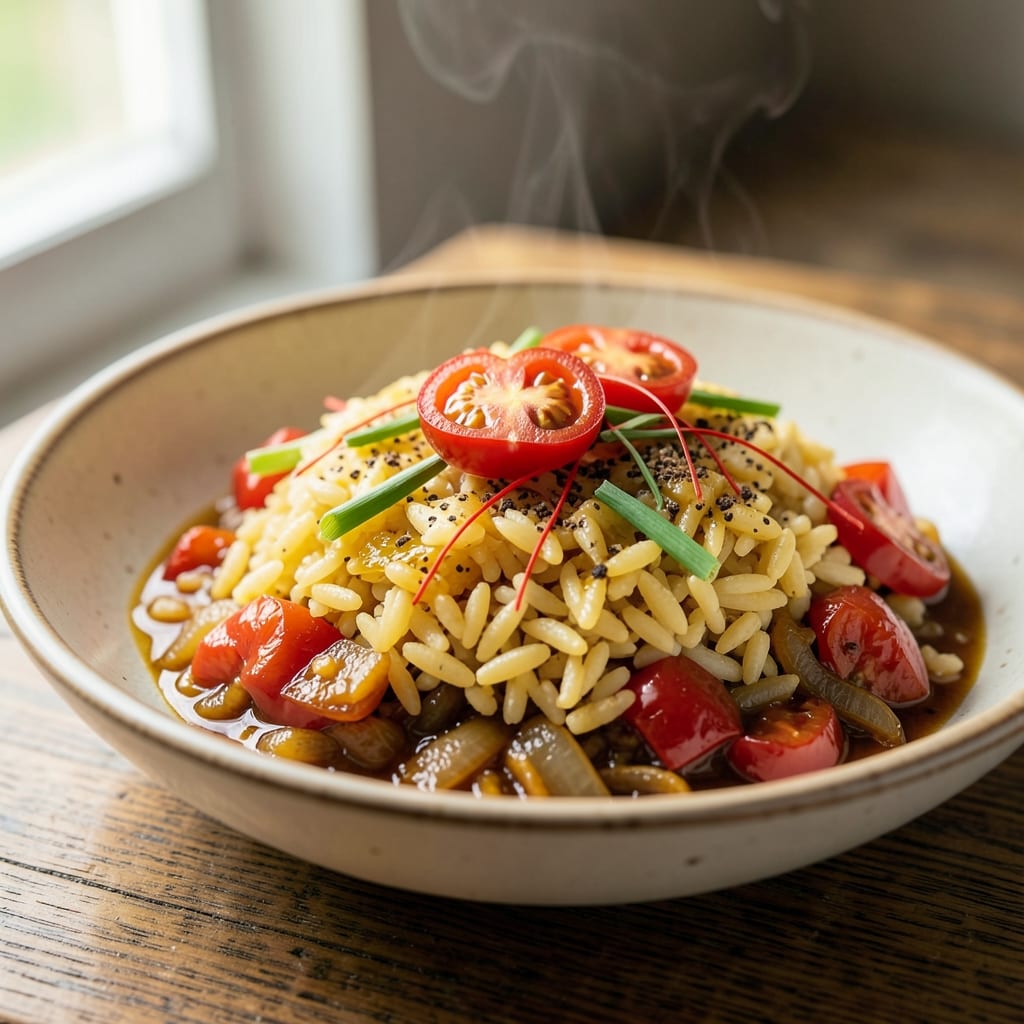
This African yellow rice recipe transforms simple grains into a vibrant, aromatic side dish that steals the show at every meal. The secret lies in toasting whole spices until they release their deep, nutty fragrance—then simmering them with tomatoes, peppers, and broth until the rice absorbs their golden hue and complex flavors. I first made this dish during a West African cooking class, where my instructor emphasized patience: letting the spices bloom and the rice cook slowly in rich, seasoned liquid. What sets this recipe apart is the tomato-pepper base, which builds layers of sweetness and heat before the rice even enters the pot. The spices—cumin, garlic, and thyme—are toasted until fragrant, then ground just enough to release their oils without losing texture. This creates a toasted spice crunch that adds depth to every bite, while the rice develops a tender, slightly sticky texture from the slow-cooked broth. By the time you serve it, you’ll have a bright yellow rice with pockets of flavorful broth and a subtle crunch from the toasted spices. It’s the perfect accompaniment to stews, grilled meats, or even as a standalone dish with a fried egg on top. The aroma alone will have everyone at the table asking for seconds. Ready in about 45 minutes, this recipe is simple but far from basic—it’s a celebration of West African cooking techniques that elevate rice from side dish to star. Let’s get started!
Ingredients for african yellow rice
Simple grains meet bold West African flavors—just 14 ingredients for vibrant yellow rice.
| Ingredient | Amount | Notes |
|---|---|---|
| Long-Grain White Rice 🍚 | 2 cups | Uncooked, rinsed before cooking |
| Yellow Onion 🧅 | 1 whole | Medium size, diced |
| Red Bell Pepper 🌶️ | 1 whole | Medium, diced |
| Roma Tomatoes 🍅 | 2 whole | Diced, or canned crushed tomatoes |
| Garlic Cloves 🧄 | 4 cloves | Fresh, minced |
| Ground Cumin 🌿 | 1 tbsp | Freshly toasted for depth |
| Dried Thyme 🍃 | 1 tsp | Or 1 tbsp fresh thyme leaves |
| Vegetable Broth 💧 | 2 ½ cups | Low-sodium preferred |
| Olive Oil 🫒 | ¼ cup | Extra-virgin for richness |
| Salt 🧂 | 1 tsp | Kosher or sea salt |
| Black Pepper 🌶️ | ½ tsp | Freshly ground |
| Bay Leaf 🌿 | 1 whole | For subtle aroma |
| Scotch Bonnet Pepper 🔥 | ½ whole | Optional, for heat |
| Fresh Parsley 🌿 | ¼ cup | Chopped, for garnish |
The spices are where the magic happens. Toast your ground cumin and whole spices in olive oil until fragrant—this step unlocks their deep, nutty aroma. I grab mine from Penzeys or the bulk section at Whole Foods for freshness. The Scotch bonnet pepper is optional but adds that signature West African heat; if you can't find it, red pepper flakes work in a pinch. For the tomatoes, fresh Roma is ideal, but canned crushed tomatoes save time. Just make sure to drain them well if using canned.
No thyme? Dried oregano at half the amount gets you close, though it won't be quite the same. Running low on vegetable broth? Water plus bouillon cubes works, but add a splash of tomato paste for depth. The rice should be long-grain white—jasmine or basmati won't give you that signature West African texture. For the bell pepper, red or yellow both work, but red adds a touch of sweetness that pairs perfectly with the tomatoes. And if you're feeling fancy, toast your garlic cloves with the spices—they'll add a smoky depth.
This rice tastes even better the next day, so make extra if you can. Store leftovers in an airtight container in the fridge for up to 4 days, or freeze portions for 3 months. The tomato-pepper base keeps for 5 days in the fridge too, so you can prep ahead. Garnish with fresh parsley right before serving—it brightens up the dish and adds a pop of color. Perfect for meal prep, as it reheats beautifully while keeping that toasted spice crunch intact.
Why You'll Love This Recipe
- One-Pot Magic: I swear by this recipe because it’s literally one pot—no fancy tools, no extra dishes. Just rice, onions, peppers, tomatoes, and garlic simmering together until the rice soaks up that rich, golden sauce. Honestly, I make this when I’m too tired to wash another pan.
- Golden Garlic Kiss: That deep, toasted garlic flavor? It’s the secret weapon. You sauté the whole cloves until they’re fragrant and soft, then mash them right into the rice. The result? A fragrant, aromatic bite that makes this rice taste like it’s been simmering for hours—not just 30 minutes.
- Meal Prep MVP: This rice keeps perfectly for days, which is why I double the batch every Sunday. It’s my go-to for lunches, potlucks, or even as a side for fried chicken. (Yes, even on a Tuesday night.) The flavors actually get better as it sits, so it’s always ready when you need it.
- Budget Stretch: Long-grain rice and basic veggies? This is the kind of recipe that won’t break the bank. I’ve made it for 10 people with just a few dollars’ worth of ingredients, and no one ever complains. It’s filling, flavorful, and leaves room in the budget for the good stuff—like extra tomatoes for the next batch.
Step-by-step instructions for African yellow rice
Here's how to build this vibrant tomato-pepper base with perfectly toasted spices and fluffy rice.
Toast the Spices and Build the Flavor Base
Heat the 0.25 cup olive oil in a medium saucepan over medium heat. Add the 1 whole yellow onion and 1 whole red bell pepper, both diced, and cook for 5-6 minutes until the vegetables soften and begin to caramelize. This step develops deep flavor - you'll know it's ready when the onion becomes translucent and the bell pepper loses its raw edge.
Add the 4 cloves garlic cloves, minced, along with the 1 tbsp ground cumin and 1 tsp dried thyme. Stir constantly for 1 minute until the garlic becomes fragrant. Here's the thing - don't let the spices burn. They should smell warm and earthy, not acrid. If you see any dark spots forming, reduce the heat slightly. This aromatic base is the foundation of your dish.
Cook the Tomato-Pepper Mixture
Add the 2 whole roma tomatoes, diced, to the pan along with the 1 tsp salt and 0.5 tsp black pepper. Cook for 8-10 minutes until the tomatoes break down and the mixture thickens. You're looking for a consistency similar to chunky tomato sauce - it should coat the back of a spoon but still have some texture. Stir occasionally to prevent sticking.
If you're using the 0.5 whole scotch bonnet pepper, remove the seeds and membranes first, then add it whole to the pan. Cook for an additional 2-3 minutes to infuse the heat without making the sauce too spicy. The scotch bonnet will soften and release its fiery essence into the mixture. For a milder version, you can remove it after infusing the flavor, or skip it entirely.
Add Broth and Prepare the Rice
Pour in the 2.5 cups vegetable broth and add the 1 whole bay leaf. Bring the mixture to a gentle simmer, then reduce heat to low. In a separate bowl, rinse the 2 cups long-grain white rice under cold water until the water runs clear. This removes excess starch that would make the rice mushy.
Add the rinsed rice to the tomato-pepper mixture along with an additional ½ tsp salt. Stir gently to combine, then spread the rice evenly in the pan. This helps the rice cook uniformly. Cover the pan tightly with a lid and cook for 15 minutes on low heat. Don't peek - every time you lift the lid, you release steam that's essential for cooking the rice properly.
Steam and Rest the Rice
After 15 minutes, check the rice. It should be tender but still have a slight bite in the center. If it's not quite done, cover and cook for another 5 minutes. The rice should absorb most of the liquid but still have a little moisture. If it's too dry, add 1-2 tablespoons of water and cover again for 2-3 minutes to steam.
Once the rice is perfectly tender, remove the pan from heat and let it sit covered for 10 minutes. This resting period allows the rice to finish cooking evenly and develop its characteristic yellow hue from the spices. The flavors will meld together beautifully during this time. Fluff the rice gently with a fork before serving, and garnish with the 0.25 cup fresh parsley for a pop of freshness.
Serve with Confidence
Your African yellow rice should have a vibrant yellow color from the spices, with tender grains that hold their shape. The tomato-pepper base should be flavorful and slightly thickened, not watery. Serve immediately as part of a larger meal - it pairs beautifully with grilled meats, fish, or even as a standalone dish with a dollop of yogurt or fried plantains.
The key to success here is patience. Rushing the cooking process can lead to mushy rice or underdeveloped flavors. But when you take your time with each step, you'll end up with a dish that's rich in flavor and texture, with that authentic African touch that makes it truly special.
Pro Tips For Making African Yellow Rice
- TOAST THE PEPPERS FIRST: Skip the raw bell pepper in the pot—char it whole over high heat until blackened in spots, then peel and chop. This smoky depth cuts through the rice’s starchiness and makes the yellow color pop brighter than store-bought seasoning ever could.
- CHOP ONIONS SMALLER THAN YOU THINK: I learned this the hard way—big onion chunks turn into mushy bits while the rice cooks. Dice them into 1/4-inch pieces so they soften without disappearing into the sauce. (Yes, even if you’re impatient like me.)
- DON’T STIR THE RICE AFTER WATER ADDS: Once you pour in the liquid, resist the urge to check on it for 10 minutes. Stirring too soon breaks the rice grains and turns your yellow rice into glue. Let it bloom undisturbed—this is the thing that matters most for fluffy texture.
- USE TOMATO PASTE, NOT FRESH TOMATOES: Roma tomatoes work, but tomato paste (just 1-2 tablespoons) thickens the sauce faster and keeps the rice from absorbing all the flavor. If you’re short on time, blend fresh tomatoes first, then simmer them down to a paste—it makes a real difference in color and consistency.
Regional styles of this dish
West African Tomato-Pepper Style
This is the classic approach you’ll find in countries like Ghana and Nigeria, where the tomato-pepper base is the star. The key is cooking the tomatoes until they break down into a thick, jammy consistency—almost like a chunky sauce. I like to add a pinch of sugar (½ tsp) here to balance the acidity, which helps deepen the flavor. The dish often includes a whole Scotch bonnet pepper (seeds removed) for heat, which you can adjust based on your tolerance. 🌶️
Senegalese Peanut Butter Twist
In Senegal, they take yellow rice to another level by adding 2 tablespoons of peanut butter to the tomato-pepper base. This creates a rich, nutty depth that pairs perfectly with grilled chicken or fish. I’ve found that using creamy peanut butter (not crunchy) blends smoothly into the sauce. For extra authenticity, finish with a sprinkle of toasted peanuts on top before serving.
Beninese Palm Oil Version
In Benin, palm oil is often used to give the rice its signature yellow hue and a distinct earthy flavor. Replace the olive oil with 2 tablespoons of palm oil (or red palm oil for a deeper color) and add ½ teaspoon of smoked paprika to the spice blend. The rice will have a richer, slightly smoky taste that’s totally unique. If you can’t find palm oil, a mix of ½ cup vegetable oil + 1 teaspoon turmeric works as a substitute.
Ghanaian "Jollof-Inspired" Rice
This variation leans into the bold flavors of Jollof rice by adding 1 teaspoon of thyme and ½ teaspoon of ginger powder to the spice mix. Cook the rice in a mix of 2 cups broth + ½ cup tomato paste for a deeper, saucier texture. The result is a rice that’s almost like a one-pot stew—perfect for serving with fried plantains or grilled shrimp. 🍛
Liberian "Palava Sauce" Style
Liberian yellow rice often incorporates palava sauce, a rich, peanut-based stew. Simmer the tomato-pepper base with 1 cup of blended peanuts (soaked and boiled first) for a creamy, nutty finish. Add a whole bay leaf and 1-inch piece of ginger (sliced) to the broth for extra depth. This version is heartier and pairs beautifully with smoked fish or stewed goat.
Modern Fusion Adaptations
For a contemporary twist, try adding 1 diced carrot and ½ cup frozen peas to the rice during the last 5 minutes of cooking. The sweetness of the carrots and crunch of the peas add a fun texture contrast. Another idea? Swap the vegetable broth for chicken broth and stir in ½ cup cooked quinoa for extra protein. These updates keep the dish traditional while making it more approachable for modern palates.
Nutrition facts
Frequently asked questions
Why does African yellow rice turn yellow?
The vibrant yellow color comes from a combination of turmeric (if used) and the natural pigments in the spices like cumin, garlic, and thyme. The real secret is toasting the spices until they release their oils—this deepens both the color and flavor. For an even brighter hue, add ½ teaspoon of turmeric when cooking the rice. The longer you simmer the tomato-pepper base, the more the spices infuse into the rice.
Can I make this recipe without Scotch bonnet pepper?
If you can't find Scotch bonnet, use red pepper flakes (½ teaspoon) or a mild jalapeño (seeds removed) for heat. For a completely mild version, skip it entirely—the tomato-pepper base will still be flavorful. The key is balancing the sweetness of the tomatoes with some acidity (like a squeeze of lemon at the end) to mimic the pepper's brightness.
What's the best way to store leftovers?
Store cooked African yellow rice in an airtight container in the fridge for up to 4 days. The flavors actually improve overnight! For longer storage, freeze portions for 3 months. When reheating, add 1-2 tablespoons of water or broth to prevent drying out. The tomato-pepper base keeps well too—store it separately for 5 days and mix with fresh rice when ready to serve.
How do I make this vegan?
Swap the vegetable broth for vegetable bouillon and water, and use olive oil instead of butter. For extra richness, stir in 1 tablespoon of peanut butter at the end (like the Senegalese twist). The dish stays hearty and flavorful without any animal products. Just check that your thyme and other spices are vegan-certified if needed.
Can I use brown rice instead of white?
Brown rice works but requires 25% more liquid and 10-15 extra minutes of cooking time. The texture will be nuttier and less tender, but the flavor will be even more robust. For best results, soak the brown rice for 30 minutes first to reduce cooking time. The yellow color will still develop, though it may be slightly muted.