
Main Courses
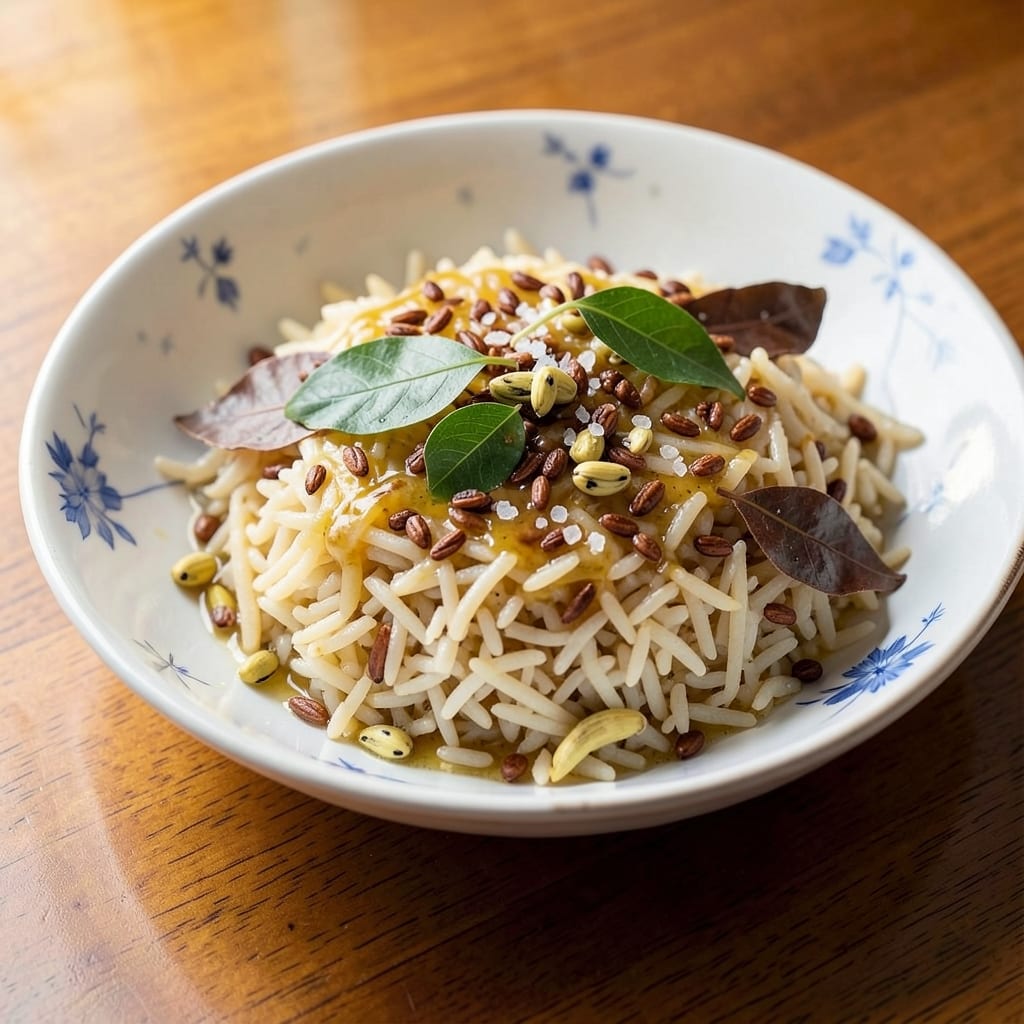
Ajwain leaves rice transforms simple basmati into a fragrant, digestive-friendly pilaf with just five key ingredients and a traditional tempering technique. 🌟 The earthy aroma of ajwain (carom seeds) infuses every grain, creating a dish that's both comforting and healthful—perfect for balancing heavy meals or soothing digestive discomfort after rich feasts.
This recipe preserves the natural nuttiness of basmati while adding ajwain's unique carminative properties through a simple ghee tempering step. Unlike heavily spiced biryanis, the flavors here remain delicate yet distinctive, with ajwain's subtle bitterness cutting through the rice's mild sweetness. The method requires just 30 minutes of active time and yields rice that stays separate yet fragrant.
What makes this dish special is its versatility—serve it as a standalone meal with yogurt and raita, or pair it with grilled chicken, paneer, or dal for a complete Indian-style spread. The ajwain tempering not only enhances digestion but also adds a layer of complexity that elevates simple rice into something truly memorable.
The secret lies in proper tempering: toast the ajwain in ghee until fragrant, then pour over hot rice to infuse every grain. This technique ensures maximum flavor extraction while maintaining the rice's signature texture. Ready to transform your weeknight dinners?
Ingredients for ajwain leaves rice
Five aromatic ingredients transform basmati rice into a digestive-friendly pilaf with earthy ajwain depth.
| Ingredient | Amount | Notes |
|---|---|---|
| Basmati Rice 🍚 | 1 ½ cups | Uncooked, long-grain preferred |
| Ajwain Seeds (Carom Seeds) 🌿 | 1 tbsp | Whole, lightly crushed |
| Clarified Butter (Ghee) 🧈 | 3 tbsp | Unsalted, for tempering |
| Bay Leaves 🍃 | 2 whole | Fresh or dried |
| Green Cardamom Pods 🌿 | 4 whole | Lightly crushed |
| Salt 🧂 | ½ tsp | Kosher or sea salt |
| Fresh Cilantro Leaves 🌿 | ¼ cup | Chopped, for garnish |
| Plain Yogurt 🥛 | ½ cup | Unflavored, for serving |
| Lemon Juice 🍋 | 1 tbsp | Freshly squeezed |
| Water 💧 | 3 cups | Filtered preferred |
Ajwain seeds are the heart of this dish—buy whole seeds from Indian specialty stores like Patel Brothers or Patel Brothers Spices for authentic quality. The seeds should smell warm and nutty, not bitter or stale. Whole Foods Market often carries them in their international aisle, though bulk bins at local Indian grocers offer the freshest stock. For the ghee, Gujarat or Amul brands are excellent choices, available at most Indian markets or online retailers like Spicewalla. Bay leaves and cardamom should be vibrant green and fragrant; discard any that smell musty or appear discolored. The basmati rice should be plump and separate, with a slight sheen—Tilda or India Gate brands are reliable for consistent texture.
No ajwain seeds? Cumin seeds at half the amount offer a similar earthy note, though less potent. Substitute dried thyme for bay leaves, but reduce to one teaspoon to avoid overpowering. Cardamom pods can be replaced with ground cardamom at one-fourth teaspoon**, though whole pods release flavor more gradually during cooking. For a dairy-free option, omit yogurt and serve with coconut yogurt or a drizzle of lemon juice. The lemon juice can be swapped for lime juice if preferred, though it has a slightly sharper bite. If you're short on time, pre-soaked basmati rice (30 minutes in cold water) ensures even cooking without altering flavor.
Store uncooked basmati rice in an airtight container in a cool, dark place for up to 6 months. Ajwain seeds last even longer—up to 1 year in a sealed container away from light. Once cooked, this rice keeps for 3-4 days in the refrigerator, though the ajwain's digestive benefits are best enjoyed fresh. For longer storage, portion into airtight containers and freeze for up to 3 months. The yogurt and lemon juice should be added just before serving to maintain freshness. This dish reheats beautifully—simmer with a splash of water for 2-3 minutes to restore moisture, then garnish with fresh cilantro for a vibrant finish.
Why You'll Love This Recipe
- Few-Step Magic: I swear by this—just soak the rice, toast the ajwain seeds in ghee until they pop, and let the bay leaves and cardamom work their aroma spell. No chopping, no fuss, just hands-off flavor while you sip your chai.
- Earthy Crunch Surprise: That first bite of ajwain-infused rice? It’s like a warm, toasty hug—crunchy seeds with a whisper of warmth from the ghee, balanced by the subtle sweetness of cardamom. Honestly, it’s the kind of flavor that makes you pause mid-bite.
- Lunchbox Hero: Pack this the next day and watch it stay fluffy for hours—no soggy rice here. The ajwain’s natural preservative qualities keep it fresh, and the ghee adds that rich, buttery note even after reheating. (Yes, even on a Tuesday night.)
- Pantry Staple Power: You already have the ingredients—basmati rice, carom seeds, a few cardamom pods—and they’re all budget-friendly. Swap in whatever veggies you’re craving, and boom: a meal that costs pennies but feels like a restaurant dish. My secret weapon for lazy Sundays.
Step-by-step instructions for ajwain leaves rice pilaf
This aromatic pilaf delivers digestive benefits and fragrant complexity through precise spice tempering.
👨🍳 Step 1: Prepare the Spice Infusion
In a heavy-bottomed pot, combine the 1.5 cups Basmati Rice with the 3 cups Water and bring to a rolling boil over medium-high heat. Once boiling vigorously, reduce heat to medium-low and let it simmer uncovered for 5 minutes—this initial cooking softens the grains before we add the aromatic elements.
While the rice simmers, lightly crush the 4 whole Green Cardamom Pods and 1 tbsp Ajwain Seeds (Carom Seeds) between your palms using a mortar and pestle or rolling pin. This releases their essential oils and maximizes their digestive benefits. Keep these crushed spices separate for now.
🔥 Step 2: Temper the Ghee with Whole Spices
In a small separate saucepan, melt the 3 tbsp Clarified Butter (Ghee) over low heat until it just begins to shimmer. Add the 2 whole Bay Leaves and let them infuse for 30 seconds—you'll notice the ghee develop a subtle herbal aroma. Remove from heat and immediately stir in the crushed cardamom and ajwain seeds, allowing them to steep in the warm ghee for 2 minutes. This creates a fragrant, digestive-friendly oil.
Strain the spiced ghee through a fine-mesh sieve into a small bowl, pressing gently on the spices to extract all their aromatic oils. The resulting infusion should have a vibrant golden color and carry the distinct scent of warm cardamom and ajwain.
🥘 Step 3: Layer Flavors and Complete Cooking
Carefully pour the strained spiced ghee over the simmering rice, stirring gently to distribute it evenly. Add the 0.5 tsp Salt and continue cooking uncovered for 10 minutes on medium-low heat. The rice should absorb the liquid gradually, with the ghee creating a delicate sheen on the surface.
After 10 minutes, check the rice—it should be 80% cooked with a slight bite remaining. If the bottom begins to brown too quickly, add 1-2 tablespoons of water to prevent burning. The key is maintaining even heat distribution to develop the rice's nutty aroma while preserving its texture.
⏰ Step 4: Rest and Finish with Fresh Elements
Once the rice reaches 80% doneness, remove it from heat and let it rest covered for 5 minutes. This resting period allows the grains to absorb any remaining moisture and develop their final texture. During this time, prepare the finishing elements by combining the 0.5 cup Plain Yogurt with 1 tbsp Lemon Juice in a small bowl, whisking until smooth.
After resting, gently fluff the rice with a fork and stir in the yogurt-lemon mixture until evenly distributed. The acidity brightens the dish while the yogurt adds creaminess. Finally, fold in the 0.25 cup Fresh Cilantro Leaves, reserving a small amount for garnish. The fresh herbs provide a vibrant contrast to the warm spices.
🍽️ Step 5: Serve with Garnish and Digestive Benefits
Transfer the ajwain rice to a serving platter and garnish with the reserved cilantro leaves. The dish should have a golden hue with visible specks of cardamom and ajwain, indicating proper spice infusion. Serve immediately while still warm, as the flavors continue to meld during the first few minutes.
This pilaf delivers both culinary satisfaction and digestive benefits through the ajwain seeds, which have been traditionally used to aid digestion and reduce bloating. The cardamom adds warmth, while the yogurt-lemon finishing touch balances the dish with tangy freshness.
Pro Tips For Making Ajwain Leaves Rice
- TOAST THE AJWAIN FIRST: I learned this the hard way—raw ajwain seeds taste bitter and overpower the dish. Lightly dry-toast them in a separate pan for 30 seconds until they smell aromatic, then grind them fresh. This brings out their warm, earthy flavor without dominating the rice.
- USE HALF THE BAY LEAVES: Whole bay leaves can turn to mush and make the rice bitter if left in too long. Tear them into small pieces first, then remove them after 5 minutes of cooking—they’ll still infuse flavor without turning the rice into a leafy mess.
- COOK RICE IN TWO STEPS: Start with high heat to blanch the rice for 2 minutes, then reduce to low and simmer uncovered. This prevents gummy rice and ensures even cooking. Skipping the initial high heat leads to uneven grains, and I’ve done it enough times to know.
- GHEE TEMPERATURE MATTERS: Heat the ghee until it shimmers but doesn’t smoke—around 120°C (250°F). Too hot, and the ajwain burns; too cool, and the flavors won’t meld. Test with a pinch of rice: if it sizzles but doesn’t brown instantly, you’re golden.
Dietary considerations for ajwain leaves rice
Digestive Benefits
The star of this dish is ajwain (carom seeds), which have been used for centuries in Ayurvedic medicine to support digestion. These tiny seeds contain thymol, a compound that stimulates digestive enzymes and helps reduce bloating. Just 1 tablespoon of ajwain provides significant carminative properties—perfect for balancing heavy meals or soothing post-feast discomfort. 💪
Gluten-Free Naturally
This recipe is inherently gluten-free since it relies solely on basmati rice, ghee, and natural spices. Always verify your ghee brand to ensure it's processed in a gluten-free facility—most Indian brands like Amul are safe, but check labels if you have celiac concerns. The dish remains safe for gluten-sensitive individuals while delivering all its digestive benefits.
Dairy-Free Adaptation
For a dairy-free version, simply omit the yogurt and lemon juice finishing step. Instead, drizzle with 1 tablespoon extra-virgin olive oil and ½ teaspoon lemon zest for brightness. The ajwain's flavor still shines through while maintaining the dish's digestive properties. This makes it perfect for vegan diets while keeping all the traditional benefits intact.
Low-FODMAP Options
If you're following a low-FODMAP diet, reduce the ajwain to ½ teaspoon (lightly crushed) and omit the cardamom, which contains higher FODMAP levels. The remaining ingredients—basmati rice, ghee, and bay leaves—are all low-FODMAP friendly. This modified version still delivers gentle digestive support while avoiding trigger foods.
Protein Pairing
For added nutrition, pair this rice with grilled chicken breast or paneer cubes—both complement the ajwain's flavors without overpowering them. The protein helps balance blood sugar levels, making this a complete meal. I often serve it with a side of cucumber raita for extra cooling benefits during warm weather.
Meal Prep Tips
Cooked ajwain rice stores beautifully for 3-4 days in the refrigerator, making it ideal for meal prep. Portion into airtight containers and reheat with 1 tablespoon water per serving to restore moisture. The ajwain's digestive benefits are best enjoyed fresh, but the rice remains flavorful when reheated properly. For longer storage, freeze portions for up to 3 months.
Nutrition facts
Frequently asked questions
Can I substitute ajwain seeds with another spice?
Yes, but with adjustments. For a similar earthy flavor, use ½ teaspoon cumin seeds or ¼ teaspoon ground ajwain. However, these won't replicate ajwain's digestive benefits. If you're avoiding ajwain due to allergies, fennel seeds (lightly toasted) offer a milder alternative, though the flavor profile differs.
Why does my ajwain rice turn out mushy?
Mushy rice usually happens from overcooking or insufficient resting time. Always cook to 80% doneness (about 15 minutes total) and let it rest 5 minutes covered. Use a heavy-bottomed pot to prevent burning, and never stir the rice while cooking—this breaks the grains. For extra fluffiness, spread the rice on a tray after cooking to cool.
How do I make this recipe without ghee?
Use 3 tablespoons neutral oil (like avocado or refined coconut oil) for tempering. Heat it until shimmering, then add bay leaves and crushed spices as directed. For a dairy-free finish, skip the yogurt and instead drizzle with 1 tablespoon lemon juice mixed with ½ teaspoon honey to balance flavors.
Can I use brown rice instead of basmati?
Brown rice works but requires adjustments. Use 1.75 cups uncooked brown rice (soaked 30 minutes) and 3.5 cups water. Cook for 30 minutes total, checking at 20 minutes to add more water if needed. The ajwain tempering remains the same, but brown rice will have a nuttier texture and longer cooking time.
What's the best way to reheat ajwain rice?
Reheat gently in a microwave with 1 tablespoon water per serving, covered for 1-2 minutes. For stovetop reheating, simmer with 2 tablespoons water over low heat for 3-4 minutes, stirring occasionally. Avoid high heat to prevent drying. Garnish with fresh cilantro after reheating to restore brightness.