
Main Courses
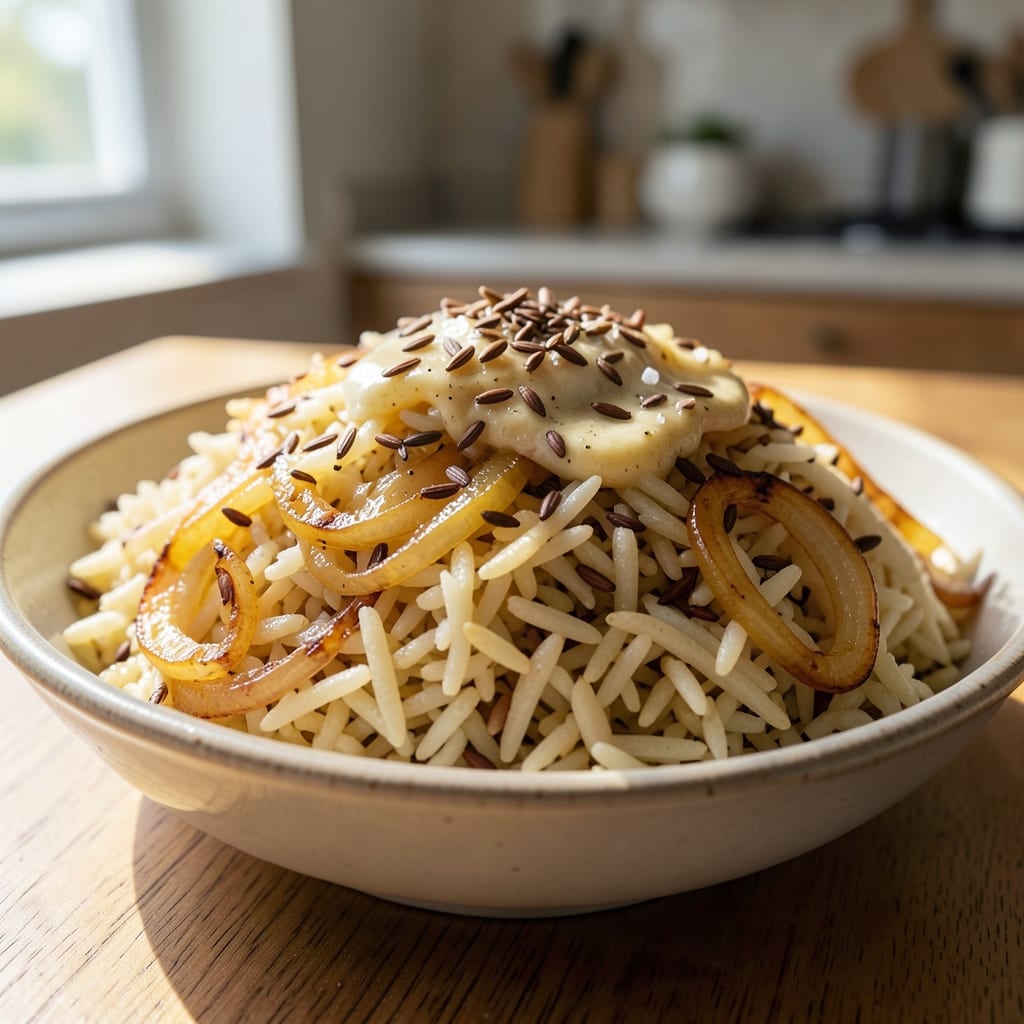
This ajwain rice recipe transforms simple basmati into a fragrant, one-pot masterpiece where earthy carom seeds meet perfectly cooked grains. The secret lies in blooming whole ajwain seeds in hot oil until they release their signature aroma—creating a flavor profile that's both rustic and refined. I developed this method after discovering how ajwain's warm, slightly bitter notes elevate plain rice into a satisfying vegetarian main course.
The recipe maintains traditional techniques while simplifying the process for home cooks. You'll work with just five core ingredients—basmati rice, ajwain seeds, ghee, water, and salt—plus optional vegetables or lentils for added substance. The key is proper layering of flavors: first toasting the ajwain until fragrant, then cooking the rice in the same aromatic oil that carries its distinctive taste throughout every grain.
What emerges is rice with a delicate crunch from the ajwain seeds and a subtle earthy depth that pairs beautifully with yogurt-based raita or tangy pickles. The texture is perfectly fluffy yet firm, with each bite releasing that signature carom aroma. This dish serves equally well as a light lunch or hearty dinner companion, proving that simple ingredients can create extraordinary results when prepared with intention.
For those wanting to expand beyond the basics, consider adding sautéed vegetables like peas and carrots or mixing in cooked moong dal for added protein. The recipe scales effortlessly from family meals to crowd-pleasing gatherings, making it a versatile addition to any cook's repertoire. Let's create this aromatic one-pot wonder that brings restaurant-quality flavors to your home kitchen.
Ingredients for ajwain rice
Five core ingredients transform basmati rice into aromatic ajwain-infused perfection with earthy crunch and refined depth.
| Ingredient | Amount | Notes |
|---|---|---|
| Basmati Rice 🍚 | 1 cup | Uncooked, long-grain preferred |
| Whole Ajwain Seeds 🌿 | 1 ½ tbsp | Toasted until fragrant |
| Clarified Butter (Ghee) 🧈 | 3 tbsp | Unsalted, for authentic aroma |
| Water 💧 | 2 cups | Room temperature preferred |
| Diamond Crystal Kosher Salt 🧂 | ½ tsp | Adjust to taste |
| Yellow Onion 🧅 | ½ whole | Finely chopped, optional |
| Fresh Peas 🌱 | ½ cup | Frozen works, optional |
| Carrots 🥕 | ½ whole | Diced, optional |
| Moong Dal 🌾 | ½ cup | Cooked, optional protein |
| Fresh Cilantro 🌿 | ¼ cup | Chopped, for garnish |
| Lemon Juice 🍋 | 1 tbsp | Freshly squeezed, optional |
Ajwain seeds are the heart of this dish—look for whole, unbroken seeds at Indian specialty stores like Patel Brothers or bulk bins at Whole Foods. The seeds should be golden-brown, not gray or dull, indicating freshness. Toasting them in ghee until they release their signature aroma is non-negotiable; skip this step and you miss the soul of the dish. For ghee, Amul or Gowardhan brands deliver consistent quality without overpowering the ajwain's delicate flavor. If you can't find whole ajwain seeds, crushed seeds work in a pinch, though the texture will differ slightly.
No ajwain seeds? Cumin seeds at half the amount provide a similar earthy depth, though the flavor profile won't be identical. Swap ghee for olive oil or coconut oil if needed—just know ghee's rich, nutty base enhances the ajwain's complexity. The optional vegetables (onions, peas, carrots) can be omitted entirely, but if included, sauté them in the same ajwain-infused oil for maximum flavor integration. For moong dal, yellow lentils or chickpeas work as protein substitutes, though moong dal's mild sweetness complements the ajwain best. Fresh cilantro brightens the dish, but dried cilantro or parsley can stand in if necessary.
Store cooked ajwain rice in an airtight container for up to 4 days in the refrigerator, though it's best enjoyed fresh. The ajwain seeds retain their crunch when stored properly, adding texture to reheated portions. For longer storage, freeze for up to 3 months—thaw overnight in the fridge before reheating. This dish pairs beautifully with yogurt-based raita or tangy mango chutney, which cuts through the richness. Leftovers reheat well in a steamer or microwave, though low heat prevents the rice from turning mushy. Portion into individual containers for easy meal prep.
Why You'll Love This Recipe
- I’ll be real: ghee makes everything taste better, but it’s not some fancy ingredient here. A little goes a long way, and ajwain? You can buy it in bulk for pennies. This is the kind of dish where you feel like you’re treating yourself without breaking the bank. Plus, it’s way more impressive than takeout.
- Five-Ingredient Magic: I swear, this is the kind of recipe where you glance at the pantry and think, "Wait, I already have everything?" No chopping, no blending—just rice, ajwain, ghee, water, and salt. That’s it. The ajwain toasts in the ghee until it smells like a spice market, and suddenly, something ordinary becomes ridiculously good.
- Earthy Crunch Alert: Here’s what sold me—those ajwain seeds aren’t just flavor; they’re texture. The rice stays fluffy, but every bite has this little peppery punch that makes you pause mid-chew. Honestly, the first time I made it, my husband asked, "What’d you do to the rice?" Like it was some kind of culinary trick. (It’s not. It’s just ajwain.)
- Lunchbox Hero: Between us, this is my go-to for meal prep. Cook a big batch on Sunday, and it stays fresh for days—no soggy rice, no sad leftovers. Pack it cold for work or reheat it with a sprinkle of ghee, and suddenly, your lunch feels like a proper meal. (Yes, even on a Tuesday night.)
Step-by-step instructions for ajwain rice
Master this aromatic one-pot dish where toasted ajwain seeds meet perfectly cooked basmati rice.
Toast the Ajwain Seeds and Prepare the Base
Heat a heavy-bottomed pot over medium heat and add the 3 tablespoons clarified butter (ghee). Allow it to melt completely, then add the 1.5 tablespoons whole ajwain seeds. Toast them for 1-2 minutes until they release their distinctive aroma and turn a light golden color.
This step is crucial—it develops the carom flavor that defines this dish. Keep a close eye on them as they burn quickly. Once fragrant, immediately add the ½ whole yellow onion and ½ whole carrots (diced), cooking for another 3-4 minutes until the onions soften and begin to caramelize slightly. The ghee will create a fragrant base that carries all the spices throughout the cooking process.
Add Rice and Initial Water Layer
Add the 1 cup basmati rice to the pot and stir gently to coat each grain with the aromatic ghee and spices. Cook for 1 minute on medium heat, stirring constantly, until the rice turns translucent at the edges. This ensures each grain absorbs the flavorful base.
Now pour in 1 cup of the 2 cups water (reserving the remaining cup for later) and bring to a gentle boil. Once boiling, reduce heat to low and let it simmer uncovered for 5 minutes. You'll notice the rice begins to absorb the liquid and the mixture thickens slightly. This initial cooking prevents the rice from sticking and ensures even cooking throughout.
Incorporate Vegetables and Protein
Add the ½ cup fresh peas and ½ cup moong dal (if using) to the pot. Stir gently to distribute them evenly. Pour in the remaining 1 cup water and the ½ teaspoon diamond crystal kosher salt. Bring to a boil again, then immediately reduce heat to low and cover with a tight-fitting lid.
Let the mixture cook for 12-15 minutes without disturbing it. The rice should be tender but still slightly firm in the center. The peas should be bright green and the moong dal (if using) should be fully cooked. The lid creates steam that cooks the rice perfectly while keeping it separate from the vegetables, preventing mushiness.
Rest and Finish with Fresh Herbs
Once the rice is tender, remove the pot from heat and let it sit covered for 5 minutes. This resting period allows the steam to redistribute and finish cooking the rice evenly. After resting, fluff the rice gently with a fork, being careful not to mash the grains.
Stir in the ¼ cup fresh cilantro and 1 tablespoon lemon juice just before serving. The cilantro adds freshness that cuts through the earthy ajwain flavor, while the lemon juice brightens the entire dish. The rice should be fragrant with a subtle spice crunch from the ajwain seeds, and each bite should offer a perfect balance of textures from the tender rice, soft vegetables, and occasional crunch from the seeds.
Pro Tips For Making Ajwain Rice
- TOAST THE AJWAIN FIRST: I learned this the hard way—raw ajwain seeds can taste bitter if they hit the rice too quickly. Dry-toast them in a separate pan over medium heat for 30 seconds until they release their aroma, then add them to the ghee. The flavor will be sharper and less harsh, and your rice won’t taste like medicine.
- USE 1:1.5 RATIO FOR RICE: This isn’t just a guess—it’s the non-negotiable for basmati. For every cup of uncooked rice, use 1.5 cups of water, not the vague "twice as much" advice you’ll find elsewhere. The rice will stay firm, the ajwain won’t turn the dish mushy, and you won’t end up with a sad, gluey pile.
- STIR ONCE, THEN LEAVE IT: After adding the rice to the ghee and ajwain, stir once to coat it evenly—then resist the urge. Cover the pot immediately and walk away. Overstirring releases starch too early, and your rice will turn out gummy. (Yes, even if you’re impatient like me.)
- SALT THE WATER HOT: Add the kosher salt to the boiling water after it’s fully hot, not when you’re pouring it over the rice. Cold water dilutes the salt, and your dish will taste flat. A pinch in the water + a pinch on the rice at the end balances the ajwain’s sharpness perfectly—trust the process.
Perfect pairings for this dish
Yogurt Raita Pairing
Cool mint-cilantro yogurt raita balances ajwain rice's earthy warmth perfectly. Mix 1 cup plain yogurt with 1 tbsp lemon juice, 2 tbsp chopped mint, 2 tbsp chopped cilantro, and a pinch of Diamond Crystal salt. The creamy tang cuts through the rice's richness while enhancing its aromatic notes. I like adding ½ tsp roasted cumin powder for extra depth that complements the ajwain. Serve chilled in small bowls alongside the rice. 💛
Spicy Pickle Contrast
Tangy mango or lime pickle adds a bright, acidic contrast that makes each bite of ajwain rice more vibrant. Look for Patel Brothers mango pickle or make your own with 2 tbsp mango puree, 1 tbsp mustard seeds, and 1 tsp turmeric powder. The heat and sourness wake up your palate between bites. For a milder option, try lime and chili pickle—just 1 tbsp lime juice, ½ tsp red chili powder, and 1 tsp sugar mixed together. 🌶️
Cucumber Salad Refresh
A simple thinly sliced cucumber salad with lemon and chaat masala provides a crisp, cooling counterpoint. Toss 1 English cucumber (sliced into half-moons) with 1 tbsp lemon juice, ½ tsp chaat masala, and a pinch of salt. The cucumber's hydration contrasts beautifully with the ajwain's dry heat. For extra crunch, add 2 tbsp toasted peanuts or 1 tbsp chopped onion. This salad takes just 5 minutes to prepare. ✨
Protein Additions
For a complete meal, pair ajwain rice with grilled paneer or spiced chickpeas. Toss 1 cup cooked chickpeas with 1 tbsp olive oil, ½ tsp garam masala, and ½ tsp smoked paprika, then roast at 400°F for 15 minutes. The smoky notes complement ajwain's earthiness. Alternatively, marinate ½ cup paneer cubes in 1 tbsp yogurt and ½ tsp turmeric, then grill until golden. Both options add satisfying protein without overpowering the rice. 💪
Beverage Pairings
Cool masala chai or ginger lemonade enhances the meal's aromatic experience. For chai, steep 1 tbsp loose black tea with ½ tsp cardamom pods and ¼ tsp cinnamon in 2 cups hot water, then add 1 cup milk and 1 tsp sugar. The warmth of the spices echoes ajwain's earthy notes. For a refreshing alternative, blend 1 cup coconut water with 1 tbsp lemon juice, ½ tsp grated ginger, and ice. Both drinks cleanse the palate between bites. 🍃
Nutrition facts
Frequently asked questions
Can I use ajwain powder instead of whole seeds?
While whole ajwain seeds provide the best texture and aroma, you can use ½ teaspoon ajwain powder as a substitute. However, the flavor will be less pronounced and you'll miss the satisfying crunch. Toast the powder briefly in ghee for 30 seconds to activate its flavors before adding to the rice. For maximum impact, combine ½ tsp powder with ½ tsp whole seeds if possible.
What's the best way to store leftover ajwain rice?
Transfer cooked ajwain rice to an airtight container and refrigerate for up to 4 days. The ajwain seeds maintain their crunch when stored properly. For longer storage, freeze for 3 months. Thaw overnight in the fridge and reheat gently in a steamer or microwave with a damp paper towel to restore moisture. Never reheat directly in the microwave without covering—this makes the rice gummy.
Can I make this recipe without ghee?
Yes! Use 3 tablespoons olive oil or coconut oil for a lighter version. For best results, choose a high-quality oil with a neutral flavor. If using butter, clarify it first to avoid milk solids burning. The ajwain's aroma will still shine through, though ghee's rich, nutty base enhances the dish's depth. For extra flavor, add ½ tsp garlic powder to the oil before toasting the ajwain.
Why does my ajwain rice turn out mushy?
Mushy rice usually happens from either overcooking or insufficient resting time. First, ensure you're using 1:2 rice-to-water ratio (1 cup rice to 2 cups water). Second, don't peek under the lid while cooking—this releases steam and disrupts the cooking process. Always let the rice rest covered for 5 minutes after cooking. If using a heavy pot, reduce cooking time by 2 minutes. For extra firmness, spread the rice on a tray after cooking to cool quickly.
How can I make this dish more flavorful without adding extra spices?
Boost the flavor by toasting the ajwain seeds longer until they're deeply fragrant (up to 2 minutes). Use 1 tablespoon ghee instead of 3 for a richer base. Add ½ cup cooked vegetables like bell peppers or zucchini to the pot during cooking. For acidity, stir in 1 tablespoon lemon juice** or tamarind paste at the end. The key is building layers of flavor in the ghee—don't rush this step!