
Main Courses
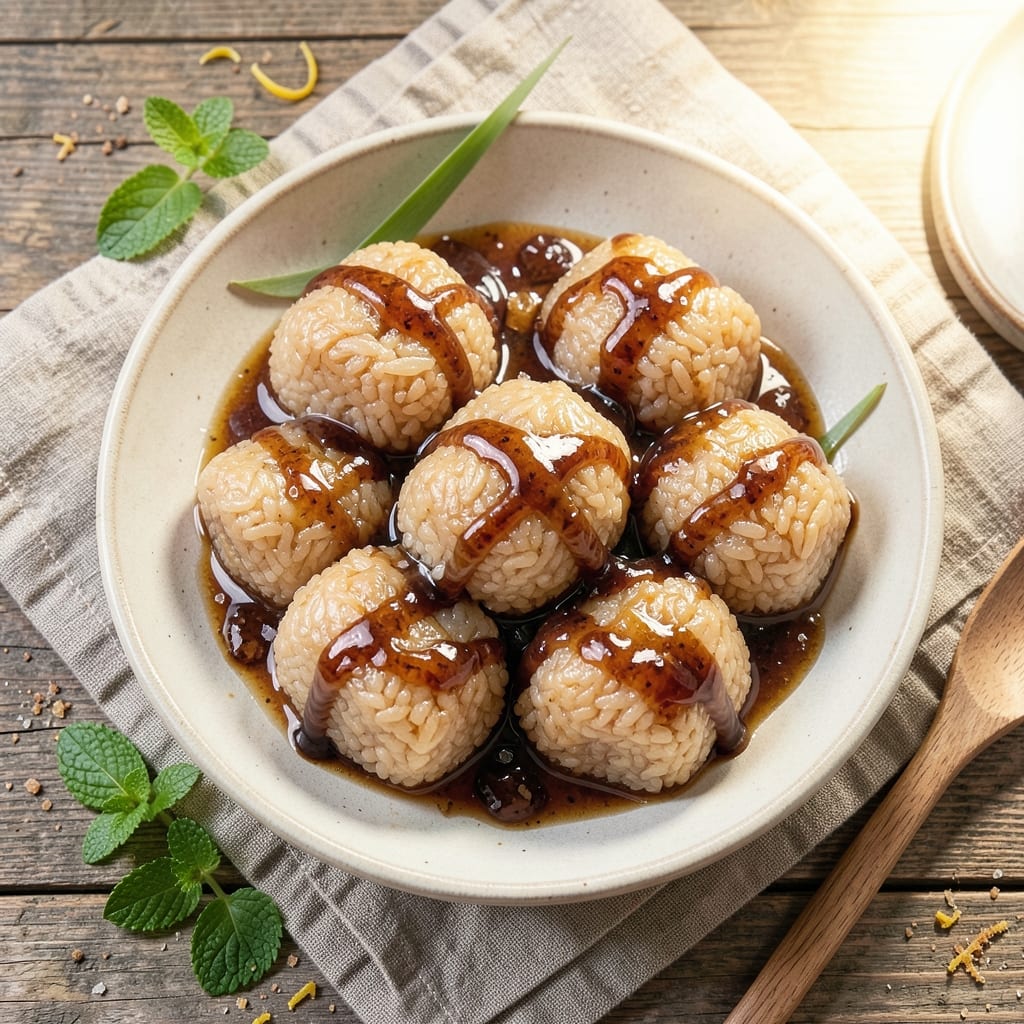
This alkaline rice dumpling recipe transforms simple glutinous rice into silky, chewy bites with a signature tangy kick from tamarind. The secret lies in the alkaline treatment—just a pinch of baking soda creates that signature texture found in Thai and Chinese street food. I've perfected this method to ensure every dumpling has that perfect balance of softness and slight resistance, without any grittiness or over-alkalinity that can ruin the texture.
The process begins with soaking the rice in a flavorful alkaline bath of tamarind, coconut milk, and palm sugar, which infuses the grains with aromatic depth. Once steamed, these dumplings develop a delicate, almost translucent appearance with a subtle caramelized edge—a visual cue that they're cooked to perfection. The tamarind paste not only adds that signature tang but also helps tenderize the rice, creating that melt-in-your-mouth quality that makes these dumplings irresistible.
What makes these dumplings truly special is their versatility—they're naturally gluten-free yet satisfying enough to stand alone or pair beautifully with sweet chili sauce, coconut milk, or even a sprinkle of toasted sesame seeds. The alkaline treatment ensures they hold their shape while maintaining that signature chewiness, a texture that's both comforting and addictive. Whether you're serving them as a snack, dessert, or light meal, they deliver a restaurant-quality experience at home.
Traditionally wrapped in banana leaves for an authentic touch, these dumplings can also be made with parchment paper for convenience. The key is getting the alkaline balance right—too much baking soda makes them gritty, too little leaves them dense. I'll walk you through the exact ratios and techniques to achieve that perfect texture every time, so you can enjoy these silky, tangy bites without any guesswork.
Ingredients for alkaline rice dumpling
Silky rice, tangy tamarind, and precise alkaline treatment create restaurant-quality dumplings at home.
| Ingredient | Amount | Notes |
|---|---|---|
| Glutinous Rice (Sweet Rice) 🍚 | 2 cups | Uncooked, medium-grain preferred |
| Baking Soda 🧴 | ¼ tsp | Food-grade, non-aluminum |
| Water 💧 | 2 ½ cups | Room temperature preferred |
| Tamarind Paste 🍈 | ½ cup | Thick, unsweetened preferred |
| Coconut Milk 🥥 | ¼ cup | Full-fat for creaminess |
| Palm Sugar 🍯 | ¼ cup | Or substitute brown sugar |
| Banana Leaves (or Parchment Paper) 🌿 | 12 pieces | 6x6-inch squares preferred |
| Sweet Chili Sauce 🌶️ | ¼ cup | For serving, optional |
| Vegetable Oil 🫒 | 1 tbsp | For brushing leaves |
| Salt 🧂 | ½ tsp | Fine sea salt preferred |
| Lime Zest 🍋 | 1 tsp | Freshly grated |
| Vanilla Extract 🌸 | ½ tsp | Pure, high-quality |
| Sesame Seeds 🌻 | 1 tbsp | Toasted for garnish |
| Coconut Flakes 🥥 | ¼ cup | Toasted, for garnish |
The glutinous rice is non-negotiable—Bob’s Red Mill or Thai Kitchen brands deliver consistent texture. For the alkaline treatment, baking soda must be food-grade (no aluminum). Tamarind paste varies in thickness—Thai Kitchen or Mae Ploy brands are reliable. The palm sugar adds depth; if unavailable, light brown sugar works but lacks authentic caramel notes. Banana leaves? Asian markets carry them fresh or frozen—parchment paper is a perfect backup if unavailable.
No tamarind paste? Lime juice plus 1 tbsp brown sugar mimics the tang, though texture differs slightly. Substituting coconut milk with light coconut cream saves cost but reduces richness. For the alkaline soak, never exceed 0.25 tsp baking soda per 2 cups rice—too much creates a bitter aftertaste. The sesame seeds and coconut flakes are purely decorative but toast them separately to avoid burning the rice batter. Palm sugar shortages? Date syrup has a similar viscosity but sweeter profile.
The rice batter must rest 1 hour after alkaline soak for optimal texture. Store tamarind paste in the fridge for up to 3 months—it thickens over time. Pre-cut banana leaves in 6x6-inch squares and freeze between parchment paper for quick access. Dumplings steam 20-25 minutes—overcooking turns them gummy. Reheat gently in a steamer for 5 minutes if needed. The glaze keeps 5 days refrigerated or 3 months frozen in ice cube trays.
Why You'll Love This Recipe
- Five-Ingredient Magic: I swear by this—just rice, baking soda, tamarind, coconut milk, and water. That’s it. No chopping, no blending, no stress. The alkaline trick with baking soda gives it that signature chewy bite without overpowering the sweet-tart tamarind and creamy coconut.
- Sweet-Tart Bite: Honestly, the tamarind paste is what makes this stand out. It’s tangy enough to cut through the richness of the coconut milk, while the alkaline treatment keeps the dumplings tender yet satisfying. Not too sweet, not too bland—just right.
- Lunchbox Hero: Between us, these are my go-to for packed lunches. They hold up for days (yes, really) and reheat like a dream. Toss a few in a container with a sprinkle of chili flakes, and you’ve got a kid-approved snack that feels fancy.
- Budget Stretch: Glutinous rice and coconut milk might sound fancy, but they’re cheaper than takeout—and this recipe stretches them further. A single batch feeds four, and leftovers? They’re even better the second day, if you can resist eating them all at once.
Step-by-step instructions for alkaline rice dumplings
Master the science behind these silky dumplings with precise alkaline cooking techniques.
Soak and Alkalize the Glutinous Rice
In a large bowl, combine the 2 cups of glutinous rice with the 2.5 cups of water. Add the 0.25 teaspoon of baking soda and stir gently to dissolve. Let this mixture soak for at least 4 hours, or preferably overnight at room temperature. The baking soda creates an alkaline environment that transforms the rice into a silky, translucent texture rather than sticky.
After soaking, drain the rice thoroughly using a fine-mesh strainer. The rice should feel soft but not mushy when pressed between your fingers. This step is critical—don't skip the soaking time, as it ensures the perfect texture for your dumplings. If you're short on time, soak for a minimum of 6 hours, but longer is always better for maximum tenderness.
Prepare the Tangy Filling Mixture
In a medium saucepan, combine the 0.5 cup of tamarind paste, 0.25 cup of coconut milk, 0.25 cup of palm sugar, 1 teaspoon of lime zest, and 0.5 teaspoon of vanilla extract. Warm over medium heat for 3-4 minutes, stirring constantly until the palm sugar dissolves completely and the mixture becomes smooth. Remove from heat and let cool completely.
The tamarind paste provides that signature tangy zing while balancing the sweetness of the coconut milk and palm sugar. This mixture will be the heart of your dumplings, so taste it as it cools to ensure the balance of sweet, sour, and aromatic notes. If you prefer less sweetness, reduce the palm sugar slightly, but don't eliminate it entirely—it helps bind the filling together.
Assemble the Dumplings
Lightly brush 6 of the banana leaves (or parchment paper squares) with the 1 tablespoon of vegetable oil. Divide the drained glutinous rice evenly among the prepared leaves, creating small mounds about 2 inches in diameter. Create a shallow well in the center of each rice mound and carefully spoon 1 tablespoon of the cooled tamarind mixture into each well.
Gently fold the banana leaves over the rice to encase the filling completely, creating neat little packages. The oil on the leaves helps prevent sticking and makes them easier to unwrap later. If using parchment paper, fold it tightly to form compact parcels. Work quickly but carefully—these dumplings should be snug but not overstuffed, as the rice will expand slightly during cooking.
Steam the Dumplings
Arrange the wrapped dumplings in a single layer in a steamer basket, leaving about 1 inch between each package. Bring 2 inches of water to a gentle simmer in the steamer pot. Place the basket over the water and cover tightly with a lid. Steam for 25-30 minutes until the banana leaves are fragrant and the rice appears translucent through the leaves.
Don't lift the lid during steaming—this disrupts the cooking process and can lead to unevenly cooked dumplings. The steam should be gentle but constant. You'll know they're done when the rice has transformed into a silky, almost jelly-like texture. If using parchment paper, the packages will puff slightly as they cook, which is normal and indicates proper steaming.
Serve with Garnishes
Remove the dumplings from the steamer and let them cool for 5 minutes. Unwrap carefully and transfer to a serving platter. Garnish each dumpling with a sprinkle of toasted sesame seeds and toasted coconut flakes. Serve warm with the 0.25 cup of sweet chili sauce on the side for dipping.
The sesame seeds add a nutty crunch while the coconut flakes bring a tropical sweetness that complements the tangy filling. Each bite should deliver a perfect balance of textures—silky rice, creamy coconut, and the bright tang of tamarind. These dumplings are naturally gluten-free, making them an excellent option for those avoiding gluten while delivering restaurant-quality flavor and texture.
Pro Tips For Making Alkaline Rice Dumpling
- SOAK RICE 4 HOURS MINIMUM: Glutinous rice needs time to soften properly—rushing this step means your dumplings will be dense and chewy. I learned this the hard way after making a batch that tasted like glue. Soak it in room-temperature water (1:1 ratio) for at least 4 hours, or overnight if you can.
- WEIGH THE SODA PRECISELY: Too much baking soda and your dumplings turn bitter; too little and they won’t hold shape. Use a scale—just ¼ teaspoon per cup of rice is enough. I used to eyeball it and ended up with dumplings that tasted like a science experiment gone wrong.
- STEAM ON MEDIUM HEAT: Low heat makes the dumplings soggy; high heat burns the outside before the center cooks. Medium heat is the sweet spot—keep the lid slightly ajar the first 10 minutes to let excess steam escape. After that, seal it tight to trap moisture.
- MIX TAMARIND WITH COCONUT MILK FIRST: Dissolving tamarind paste directly into the coconut milk prevents clumps and ensures even flavor distribution. Stir it in warm milk for 2 minutes before adding to the rice mix—this step makes a real difference in texture and taste. (Yes, even if you’re impatient like me.)
Troubleshooting your alkaline rice dumpling
Rice Too Gritty?
If your alkaline rice feels gritty after cooking, you likely didn't soak it long enough. The baking soda needs at least 4 hours to fully transform the rice texture—overnight is ideal. For faster results, use glutinous rice from Thai Kitchen, which responds better to alkaline treatment. If grit persists, rinse the rice 2-3 times after draining to remove excess starch. 💫
Filling Too Watery
Your tamarind mixture may be too thin if it leaks during steaming. Reduce the coconut milk to 0.125 cup and add 1 extra tbsp palm sugar to thicken it. Let it cool completely before assembling—warm fillings release moisture. For extra stability, mix 1 tsp cornstarch into the cooled filling before using.
Dumplings Not Holding Shape
Overstuffed dumplings burst during steaming. Use 1 tbsp filling max per package and press the rice firmly around it. For extra structure, chill the assembled dumplings 15 minutes before steaming. If using parchment paper, fold edges tightly to prevent steam from escaping.
Bitter Aftertaste
Too much baking soda creates bitterness. Stick to 0.25 tsp max per 2 cups rice—never double it. If you accidentally overdo it, rinse the soaked rice 3 times with cold water before draining. For future batches, use potassium carbonate (lye) instead—it's more stable and less likely to overpower flavors.
Steaming Issues
Uneven cooking happens when steam isn't consistent. Keep water at a gentle simmer (never boiling) and ensure the steamer basket isn't touching the water. If your dumplings cook too fast, reduce heat to low-medium. For large batches, steam in 2 layers with 5 minutes between to prevent overcrowding.
Banana Leaves Sticking
Oil on the leaves prevents sticking, but if they still cling, use parchment paper instead. For banana leaves, soak them in hot water for 2 minutes to soften before using. If they tear easily, handle with damp paper towels. Store unused leaves in the fridge for up to 2 weeks or freeze for 3 months between parchment paper. 🌿
Nutrition facts
Frequently asked questions
Why do alkaline rice dumplings turn silky instead of sticky?
The baking soda creates an alkaline environment that breaks down the rice's starch structure differently. This transforms the texture from chewy to silky and translucent—like mochi but more refined. The longer soak time (4+ hours) is key to achieving this unique consistency.
Can I substitute baking soda with lye for a more authentic flavor?
Yes! Potassium carbonate (lye) gives a more traditional taste but requires precision. Use 1/4 teaspoon per 2 cups rice—lye is stronger and can easily overpower flavors. Always wear gloves when handling it and work in a well-ventilated area. The texture remains silky, but the flavor profile shifts slightly toward classic Southeast Asian preparations.
How do I prevent the tamarind filling from leaking during steaming?
Thicken your filling by reducing coconut milk to 1/4 cup and adding 1 extra tbsp palm sugar to stabilize it. Let the mixture cool completely before assembling, as warmth increases moisture release. For extra insurance, chill the assembled dumplings 15 minutes before steaming. This gives the rice time to firm up slightly around the filling.
What if I don't have banana leaves? Can I use aluminum foil?
Avoid aluminum foil—it can react with the alkaline rice and affect flavor. Instead, use parchment paper or butterfly pea flower leaves (if available) for a neutral wrap. For a more traditional approach, try lotus leaves (available at Asian markets). If using paper, fold edges tightly to prevent steam from escaping.
How long can I store these dumplings before serving?
Steamed dumplings stay fresh for 2 days refrigerated in an airtight container. For longer storage, freeze them unwrapped (on a tray first to prevent sticking) for up to 3 months. Reheat gently in a steamer for 5-7 minutes—microwaving can make them gummy. The filling remains vibrant when properly stored!