
Main Courses
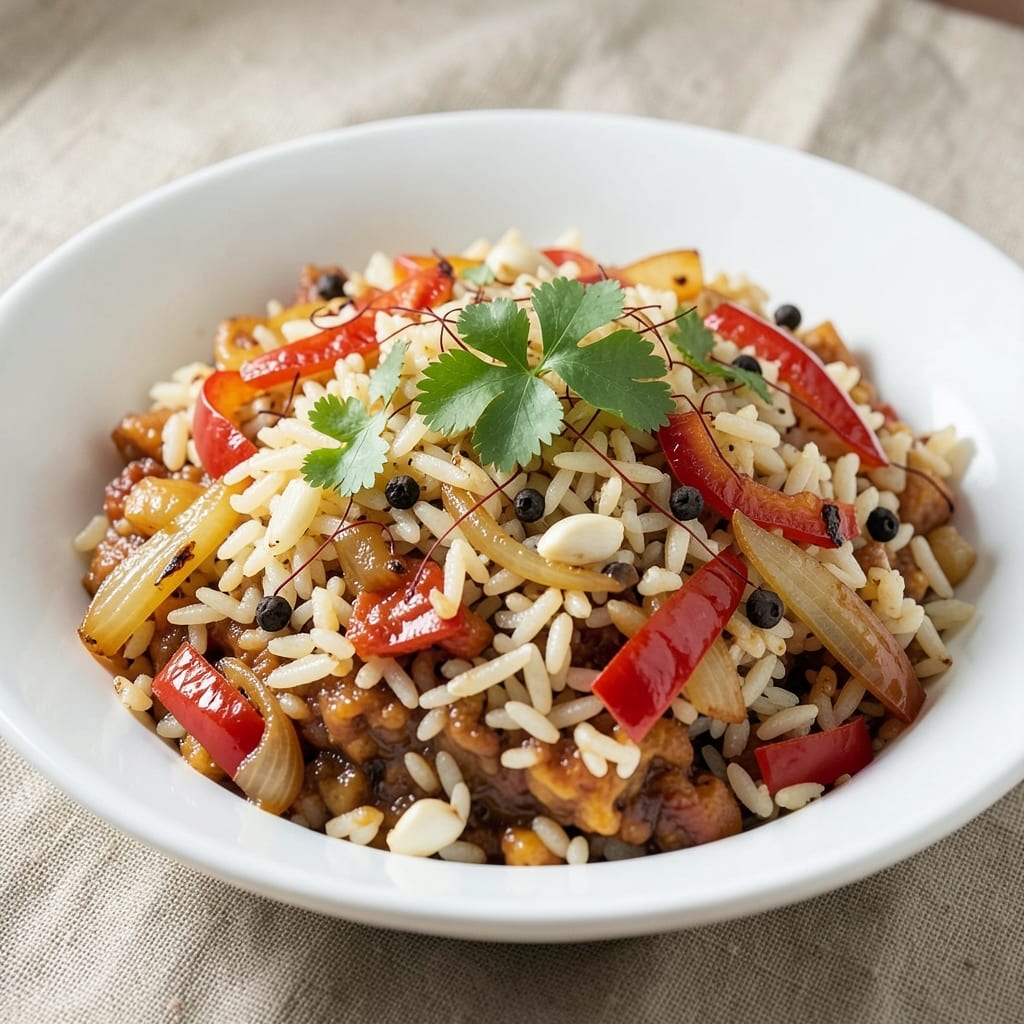
Alton Brown’s Spanish rice recipe transforms a simple side into a vibrant, aromatic centerpiece that rivals any restaurant dish. 🌟 The secret lies in proper rice-to-liquid ratios, slow simmering, and a pinch of saffron that infuses the grains with golden hue and delicate floral notes. Unlike traditional recipes, Brown’s method ensures each kernel stays separate yet tender, absorbing all the smoky, savory flavors of the sofrito base.
This one-pan wonder requires just 30 minutes of active time but delivers restaurant-quality results with minimal effort. The key steps—sautéing onions and peppers until deeply caramelized, toasting the rice to enhance its nutty depth, and simmering in broth—create a dish that’s both elegant and foolproof. Even beginners can achieve perfectly fluffy, flavorful rice without burning a single grain.
What sets this recipe apart is the balance of textures and aromas: crisp edges on the rice, tender vegetables, and a subtle saffron aroma that lingers with every bite. The sofrito base—tomatoes, bell peppers, and onions—builds layers of flavor that transform ordinary rice into a dish worthy of a fiesta. Serve alongside grilled meats or on its own for a satisfying, aromatic meal.
The beauty of Brown’s approach is its versatility—use it as a side for tacos, a base for burrito bowls, or even a standalone dish. The technique scales effortlessly, making it perfect for weeknight dinners or special occasions. Let’s get started on this authentic, one-pan masterpiece that’s as impressive as it is delicious.
Ingredients for alton brown spanish rice
Fifteen ingredients, one pan, and saffron's golden magic transform simple rice into a restaurant-worthy centerpiece.
| Ingredient | Amount | Notes |
|---|---|---|
| Long-Grain White Rice 🍚 | 1 ½ cups | Uncooked, preferably medium-grain |
| Saffron Threads 🌼 | ¼ tsp | High-quality, culinary-grade |
| Yellow Onion 🧅 | 1 whole | Medium size, finely diced |
| Red Bell Pepper 🌶️ | 1 whole | Medium size, diced |
| Garlic Cloves 🧄 | 4 cloves | Fresh, minced |
| Canned Diced Tomatoes 🍅 | 1 can | 14.5 oz, fire-roasted preferred |
| Chicken Broth 💧 | 2 cups | Low-sodium, homemade or high-quality |
| Extra-Virgin Olive Oil 🫒 | ¼ cup | For sautéing, fruity variety |
| Ground Cumin 🌿 | ½ tsp | Freshly toasted for depth |
| Smoked Paprika 🌶️ | ½ tsp | For smoky complexity |
| Bay Leaves 🍃 | 2 whole | Fresh preferred, dried acceptable |
| Salt 🧂 | 1 ½ tsp | Diamond Crystal preferred |
| Black Pepper 🌶️ | ½ tsp | Freshly ground |
| Fresh Cilantro 🌿 | ¼ cup | Chopped, for garnish |
| Lime 🍋 | 1 whole | Juiced, for finishing |
The saffron is non-negotiable here—look for high-quality threads from specialty stores like Penzeys or Whole Foods. A single pinch can cost a fortune, so buy small amounts and keep it in an airtight container away from light. For the rice, medium-grain varieties like Bomba or Calasparra absorb flavors beautifully, though long-grain white rice works in a pinch. The sofrito base—onions, bell peppers, and tomatoes—should be sautéed until deeply caramelized, which takes time but builds layers of flavor. Fresh garlic and bell peppers from the farmers market elevate this dish above canned versions.
No saffron? Turmeric at one-third the amount adds color but lacks floral depth. Substitute fire-roasted diced tomatoes with San Marzano crushed tomatoes for superior flavor. The chicken broth can be swapped for vegetable broth for a vegetarian version, though the smoky depth differs. For extra richness, add 1 tbsp tomato paste to the sofrito. The bay leaves should be removed before serving—dried bay leaves are fine, but fresh impart a more nuanced aroma. Toasting the spices (cumin and paprika) in the olive oil before adding rice enhances their flavor—don’t skip this step.
This dish reheats beautifully—cover with a damp paper towel to retain moisture. Store in an airtight container for 4-5 days in the fridge or freeze for up to 3 months. The saffron-infused rice tastes even better the next day as flavors meld. For meal prep, portion into individual containers with a sprinkle of lime juice to preserve freshness. Garnish with cilantro just before serving—it wilts quickly, so add it last. The lime juice brightens the dish and balances the richness of the saffron and olive oil.
Why You'll Love This Recipe
- One-Pot Magic: I swear by this recipe because it’s literally one pan—no rice cooker, no extra bowls. Just toast the onions and peppers, add the rice and broth, and let it simmer. The saffron steeps right in, so no fancy infusions or straining.
- Saffron Secret Weapon: That tiny pinch of saffron threads? Everything. It turns ordinary rice into something golden and aromatic—like a warm hug in every bite. Honestly, I keep a jar just for this, and it’s worth every penny.
- Weeknight Workhorse: This rice pairs with everything—grilled chicken, black beans, even just eggs and avocado for breakfast. I make a big batch on Sundays, and it disappears faster than my willpower on a Monday morning.
- Budget-Friendly Luxury: Long-grain rice and a few pantry staples are all you need, but it tastes like you slaved over it. Between us, I’ve served this to guests who assumed I’d hired a chef. (Nope, just Alton’s method.)
Step-by-step instructions for saffron-infused Spanish rice
This one-pan technique transforms simple ingredients into restaurant-quality Spanish rice.
🍳 Step 1: Bloom the Saffron in Warm Broth
Measure 2 cups of the chicken broth into a small bowl and warm it in the microwave for 30 seconds. Add the 0.25 tsp saffron threads and let steep for 10 minutes—this releases the full floral aroma and vibrant color. The liquid should turn a rich golden hue. Don't skip this step; it's what makes this Spanish rice truly special.
While the saffron infuses, heat the 0.25 cup extra-virgin olive oil in a large, heavy-bottomed skillet over medium heat. The oil should shimmer but not smoke—this ensures your vegetables get properly browned without burning. I use a 12-inch cast-iron skillet for even heat distribution, but any oven-safe skillet will work.
👨🍳 Step 2: Sauté the Aromatic Vegetables
Add the finely diced yellow onion and diced red bell pepper to the skillet. Cook for 5-6 minutes until the onions become translucent and the peppers begin to soften. Stir occasionally to prevent browning. You'll notice the peppers release their sweet aroma—this is when the flavors really start developing.
Add the minced garlic cloves and continue cooking for another 1 minute until fragrant. Be careful not to let the garlic burn—it should smell sweet and nutty, not bitter. At this point, stir in the 0.5 tsp ground cumin and 0.5 tsp smoked paprika, cooking for 30 seconds to toast the spices and deepen their flavors. This step builds the aromatic base that carries through the entire dish.
🍳 Step 3: Toast the Rice and Add Tomatoes
Add the 1.5 cups long-grain white rice to the skillet and stir to coat it evenly in the oil and spices. Toast the rice for 2-3 minutes until it becomes translucent at the edges and you can smell the nutty aroma developing. This step is crucial—it prevents mushy rice and adds depth of flavor.
Pour in the canned diced tomatoes (with their juices) and the saffron-infused broth. Stir well to combine, then add the 2 whole bay leaves, 1.5 tsp salt, and 0.5 tsp black pepper. Bring to a gentle boil, then immediately reduce heat to low. The mixture should simmer gently—you'll see small bubbles forming at the edges but not a full rolling boil.
⏰ Step 4: Simmer and Cover for Perfect Texture
Cover the skillet tightly with a lid and simmer for 15 minutes without stirring. This undisturbed cooking allows the rice to absorb liquid evenly and develop its characteristic texture. After 15 minutes, fluff the rice gently with a fork—you should see it's still slightly underdone in the center, with some liquid remaining.
If you notice the rice is absorbing liquid too quickly, add 2-3 tablespoons of water through a small gap in the lid. The rice should be tender but still have a slight bite—this is the perfect al dente texture. Real talk: don't peek too often during this time, as each time you lift the lid, you lose heat and moisture.
🍽️ Step 5: Finish and Garnish Like a Pro
Remove the skillet from heat and let it sit covered for 5 minutes. This resting period allows the rice to finish steaming and the flavors to meld. Discard the bay leaves and fluff the rice one final time. The grains should be separate and tender with just a hint of resistance when pressed with a fork.
Transfer the rice to a serving dish and garnish with the chopped fresh cilantro and juice of the whole lime. The bright acidity of the lime cuts through the richness of the saffron and spices, while the cilantro adds a fresh herbal note. Serve immediately with grilled meats or as a side dish—each bite should deliver perfectly balanced flavors and textures.
Pro Tips For Making Alton Brown Spanish Rice
- TOAST THE RICE FIRST: I learned this the hard way—skipping the initial toast in oil leads to gummy rice. Use medium-high heat and stir constantly for 2-3 minutes until the grains turn opaque and smell nutty. This step builds flavor and prevents mushiness later.
- STEAM THE SAFFRON: Crush the saffron threads between your fingers before steeping them in warm water—this releases more color and aroma. Let them sit for 10 minutes while you prep the rest; cold water just won’t cut it. (Yes, even if you’re impatient like me.)
- DON’T OVERCROWD THE PAN: If your bell pepper and onion mixture looks like a soup instead of a sizzling base, you’re doing it wrong. Cook them in batches if needed—crowding steams instead of caramelizes, and you’ll end up with bland, watery rice. A hot pan and 5-7 minutes of direct contact make all the difference.
- USE THE SOFTOUCH METHOD: After adding rice, stir just once—then stop. Resist the urge to check or stir again; the grains need space to absorb the liquid evenly. Cover and cook undisturbed for 18 minutes, then fluff with a fork. (Your future self will thank you.)
Regional styles of this alton brown spanish rice
Spanish Sofrito Roots
This dish traces its origins to Spain’s paella traditions, where rice was cooked in a single pan with vegetables, broth, and saffron. The sofrito base—onions, peppers, and tomatoes—is a staple in Spanish cuisine, often used as a flavor foundation. In Andalusia, this technique became a standalone dish called arroz con sofrito, later adapted into arroz a banda when served alongside grilled fish. 🌍
Caribbean Fusion Twist
The Spanish rice we know today gained popularity in Cuban and Puerto Rican cuisine through the Spanish-American War (1898), when soldiers brought the recipe home. In Cuba, it evolved with extra cumin and bell peppers, while Puerto Rico added sofrito (a blend of peppers, onions, and garlic) for deeper flavor. Today, it’s a cornerstone of mofongo and arroz con pollo across Latin America.
Texas-Style Adaptation
In the Lone Star State, Spanish rice became a taco night staple, often cooked with ground beef or chorizo for a heartier version. Tex-Mex chefs like Chef John Besh emphasize smoked paprika and chicken broth for a richer profile. The dish pairs perfectly with grilled fajita meats or shredded chicken, making it a weeknight favorite in Texas kitchens. 🌶️
Modern One-Pan Magic
Alton Brown’s version streamlines the classic technique by simplifying the sofrito into a single pan. His saffron infusion method ensures vibrant color and aroma without overcomplicating the process. The toasted rice step adds nutty depth, while the gentle simmer guarantees perfect texture—key adaptations for home cooks who want restaurant-quality results with minimal effort.
Fiesta-Worthy Garnishes
In Spain, the dish is often finished with lemon zest and parsley, while Latin American versions favor cilantro and lime. Brown’s lime-cilantro combo bridges both traditions, adding brightness to balance the smoky, savory base. For an extra touch, sprinkle toasted pepitas or crumbled cotija cheese—popular in Mexican adaptations—just before serving. ✨
Nutrition facts
Frequently asked questions
Can I substitute saffron with turmeric in this recipe?
You can use turmeric as a color substitute, but it won't provide the same delicate floral aroma. For every 0.25 tsp saffron, use just 0.08 tsp turmeric—it's much more potent. The flavor difference is noticeable, but the golden hue will still be beautiful. For best results, combine 0.1 tsp turmeric with 0.1 tsp paprika to mimic both color and slight earthiness.
Why does my Spanish rice turn out mushy? Mushy rice usually happens from overcooking or stirring too much. The key is to simmer gently without lifting the lid during the 15-minute cooking time. Also,
Can I make this recipe vegetarian?
Simply swap the chicken broth for vegetable broth and omit any meat-based garnishes. For extra depth, add 1 tbsp soy sauce or 1 tsp miso paste to the sofrito. The smoky paprika and cumin will still provide rich flavor, and the saffron keeps it vibrant. This version works perfectly with grilled vegetables or as a side for veggie tacos.
How do I store and reheat this Spanish rice?
Store leftovers in an airtight container in the fridge for 4-5 days or freeze for up to 3 months. To reheat, sprinkle 1 tsp water over the rice and cover with a damp paper towel. Microwave on 50% power for 1-2 minutes, then fluff with a fork. For best texture, avoid reheating more than once. The flavors actually improve after the first day as the saffron and spices meld further!
What's the best way to serve this Spanish rice?
This versatile dish works as a side or main course! Pair it with grilled chicken, steak, or fish for a complete meal. For Tex-Mex style, serve with tacos, fajitas, or burrito bowls. The lime-cilantro garnish adds freshness, but you can also try avocado slices, black beans, or pickled onions for extra texture. In Spain, it's often served with grilled seafood—try it with shrimp or scallops for a seafood fiesta!