
Main Courses
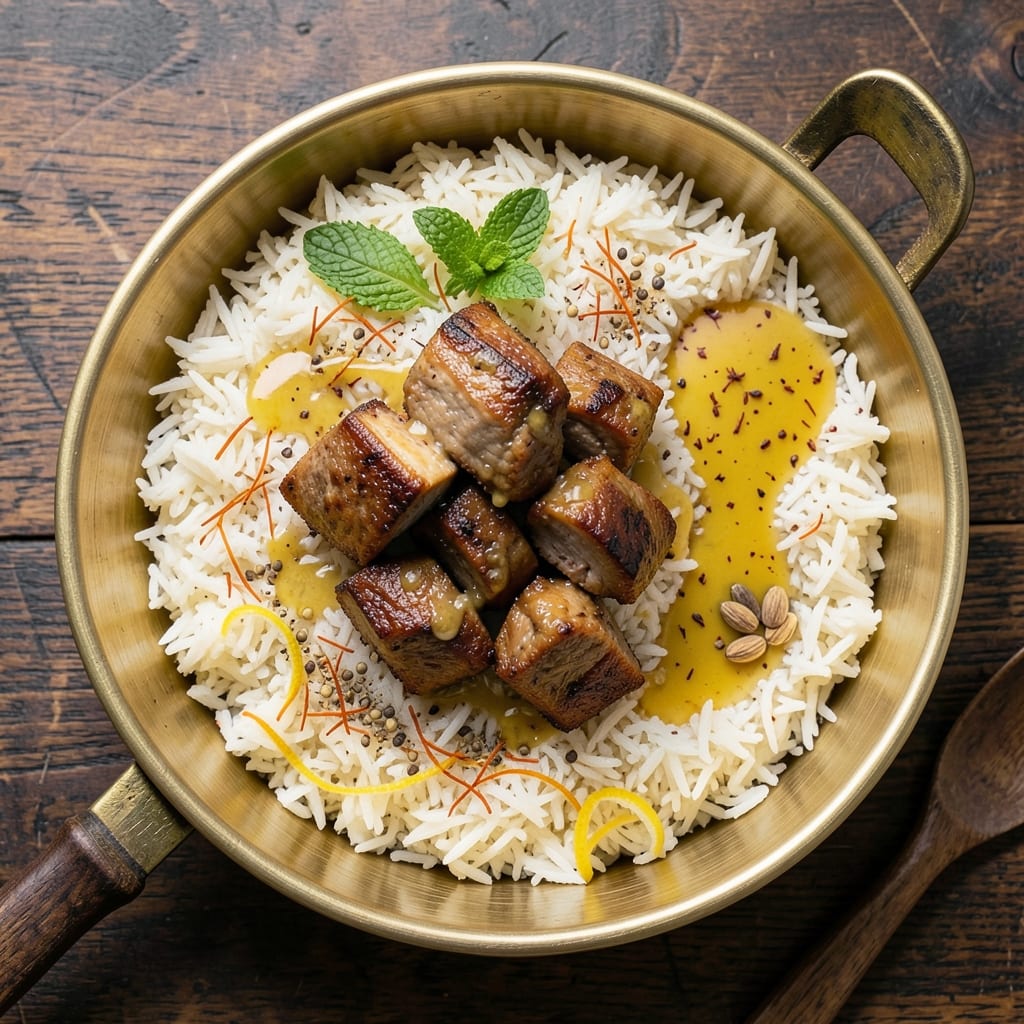
This Ambemohar rice recipe delivers a symphony of flavors—fragrant basmati rice infused with saffron, tender lamb slow-cooked in aromatic spices, and a crunchy almond topping that elevates every bite. The dish originates from the Malabar coast of Kerala, where it’s traditionally prepared for special occasions, blending rich lamb with coconut and mustard seeds for depth. What sets this apart is the delicate balance of spice tempering, where curry leaves and mustard seeds sizzle in ghee, releasing their signature aroma that lingers long after the first bite.
The secret to authentic Ambemohar rice lies in the layered flavors: the rice must cook to perfect fluffiness, absorbing the saffron-infused milk, while the lamb simmers until fall-apart tender. Toasted almonds add a satisfying crunch that contrasts beautifully with the soft rice and meat. This dish is a labor of love, but the result—a harmonious blend of textures and tastes—makes every step worthwhile. The slow cooking process ensures the lamb stays juicy, and the coconut milk adds a subtle sweetness that rounds out the spices.
What makes this recipe truly special is its versatility. While the traditional version includes lamb, a vegetarian adaptation swaps in paneer or mushrooms for a plant-based twist. The spice blend—mustard seeds, curry leaves, and black pepper—creates a fragrant base that ties everything together. Whether served at a festive gathering or a quiet family dinner, this dish promises a taste of Kerala’s culinary heritage. Each component—rice, lamb, and almonds—works in perfect harmony, delivering a meal that’s both comforting and sophisticated.
For those new to this dish, the key is patience. The lamb needs time to tenderize, and the rice must absorb the flavors gradually. The final touch—sprinkling toasted almonds—adds not just crunch but a nutty richness that enhances the overall experience. This recipe isn’t just about following steps; it’s about embracing the tradition and savoring the process. Ready to bring a taste of Kerala to your table?
Ingredients for ambemohar rice
Authentic Kerala flavors meet tender lamb and fragrant basmati in this traditional dish.
| Ingredient | Amount | Notes |
|---|---|---|
| Basmati Rice 🍚 | 2 cups | Uncooked, long-grain preferred |
| Lamb Leg 🥩 | 2 lb | Bone-in, cut into 1.5-inch cubes |
| Ghee 🧈 | ½ cup | Clarified butter for authentic flavor |
| Saffron Strands 🌼 | ¼ tsp | High-quality, soaked in 2 tbsp warm milk |
| Whole Milk 🥛 | 1 cup | Full-fat for best texture |
| Coconut Milk 🥥 | 1 can (13.5 oz) | Full-fat, for richness |
| Mustard Seeds 🌱 | 1 tbsp | Whole, for tempering |
| Curry Leaves 🌿 | ¼ cup | Fresh, dried as substitute |
| Black Peppercorns 🌶️ | 1 tsp | Crushed, for heat |
| Fresh Ginger 🧅 | 2 tbsp | Finely grated, aromatic |
| Green Cardamom Pods 🌿 | 6 whole | Lightly crushed, for fragrance |
| Cinnamon Sticks 🌳 | 2 whole | For gentle spicing |
| Almonds 🥜 | ½ cup | Whole, skinless, toasted |
| Salt 🧂 | 1 ½ tsp | Diamond Crystal preferred |
| Ground Cumin 🌿 | 1 tsp | Toasted for depth |
The lamb selection is critical—look for well-marbled cuts from specialty butchers or Indian grocery stores like Patel Brothers. Bone-in pieces stay juicier during slow cooking, and the Kerala-style lamb from ethnic markets often has superior tenderness. For ghee, Amul or Nira Giri brands deliver authentic richness, though any high-quality clarified butter works. Saffron quality varies dramatically—Kashmiri saffron is ideal, but even budget strands will work if soaked properly. The coconut milk should be full-fat; Thai Kitchen or Aroy-D brand cans provide consistent quality. Mustard seeds and curry leaves are best sourced from bulk bins at Whole Foods or Indian markets, where they retain freshness longer.
Substitutions can preserve authenticity while adapting to what you have. No lamb? Paneer or mushrooms work beautifully for a vegetarian version, though cooking times will differ. Fresh curry leaves unavailable? Dried leaves at half the amount suffice, though texture differs. Mustard seeds too strong? Swap for 1 tsp cumin seeds toasted in ghee. For ginger, ginger powder at half the amount works in a pinch, though fresh is preferred. The almonds can be cashews or pistachios if needed, though almonds provide the traditional crunch. Coconut milk too expensive? Substitute with equal parts evaporated milk and water, though flavor will be milder. Always toast spices in ghee—the aroma alone transforms the dish.
Prep ahead to maximize flavor development. The lamb can marinate for up to 12 hours in the spice blend, though 2 hours suffices. Rice should soak for 30 minutes before cooking, ensuring even absorption of the saffron milk. Toasted almonds keep for 2 weeks in an airtight container, making them ideal for garnishing multiple servings. Store cooked lamb and rice separately in the fridge for up to 3 days, reheating gently with a splash of water to restore moisture. The dish reheats beautifully—oven at 325°F for 20 minutes preserves texture better than microwave. For special occasions, prepare components ahead and assemble just before serving to maintain that restaurant-quality crunch.
Why You'll Love This Recipe
- One-Pot Magic: I swear by this—just the lamb, rice, and a splash of milk simmering together until the rice soaks up all that rich flavor. No separate pots, no fuss, and honestly? It’s the kind of meal where you can chat with guests (or binge a show) without hovering over the stove.
- Saffron Luxury: That first pinch of saffron in warm ghee? Pure indulgence. It turns this into something special without requiring a Michelin-star budget. I’ll be real: my kids don’t even notice the cost, but I do—and it’s worth every strand.
- Leftover Gold: This dish begs to be made extra. The lamb gets more tender the next day, and the rice stays fluffy if you reheat it gently with a drizzle of ghee. Pack it for lunches or freeze portions—it’s my go-to for lazy Sundays when I’d rather nap than cook.
- Weeknight Hero: Between us, this is how I feed my family on nights when I’m exhausted but still want to feel like I’ve done something nice. Slow-cooked lamb means minimal effort, and the milk at the end? That creamy finish makes it taste like you spent hours. (Spoiler: you didn’t.)
Step-by-step instructions for saffron-spiced lamb and toasted almond crunch
Master this traditional Goan dish with its signature aromatic lamb and delicate rice layers.
Marinate and Cook the Lamb
In a large bowl, combine the 2 lb lamb leg cut into 1.5-inch cubes with 2 tbsp fresh ginger, 1 tsp crushed black peppercorns, 1 tsp ground cumin, 1.5 tsp salt, and 6 whole green cardamom pods lightly crushed. Mix thoroughly to coat evenly. Cover and refrigerate for at least 4 hours or overnight for maximum flavor penetration.
Heat 0.25 cup ghee in a heavy pot over medium-high heat. Add the marinated lamb and sear until deep golden brown on all sides, about 8-10 minutes. This step develops the rich, caramelized flavor that defines ambemohar. Remove the lamb and set aside, reserving the ghee in the pot.
Temper the Spiced Coconut Milk
In the same pot with the reserved ghee, add 1 tbsp mustard seeds and let them sizzle for 30 seconds until they pop. Add 2 whole cinnamon sticks and 0.25 cup curry leaves, stirring for 1 minute until fragrant. Pour in the 1 can (13.5 oz) coconut milk and bring to a gentle simmer over medium heat. Cook uncovered for 10 minutes to reduce slightly and intensify the flavors.
In a small bowl, soak the 0.25 tsp saffron strands in 2 tbsp warm milk from the 1 cup whole milk for 10 minutes to release their vibrant color and aroma. Stir this saffron milk into the coconut mixture and keep warm over low heat. This creates the signature golden hue and delicate floral notes that distinguish ambemohar.
Prepare the Rice
Rinse the 2 cups basmati rice under cold water until the water runs clear, then drain well. In a separate pot, bring 3 cups water to a rolling boil. Add the rice and cook for 10 minutes until 80% tender. Drain immediately and spread the rice on a clean kitchen towel to stop cooking and remove excess moisture.
In the same pot used for the lamb, combine the partially cooked rice with the coconut milk mixture. Stir gently to combine, then cover and cook over low heat for 10 minutes. The residual heat will finish cooking the rice while absorbing the rich coconut-lamb flavors. Remove from heat and let sit covered for 5 minutes to steam.
Toast the Almonds and Assemble
While the rice cooks, dry-toast the 0.5 cup almonds in a separate skillet over medium heat for 3-4 minutes, stirring constantly, until golden brown and fragrant. Set aside to cool slightly. This adds the signature crunch that balances the creamy rice.
To serve, layer the saffron rice in a deep serving dish. Spoon the cooked lamb and its rich sauce over the top, then sprinkle with the toasted almonds. The contrast of textures and temperatures makes each bite memorable. Serve immediately while the lamb is still warm and the almonds maintain their crispness.
Pro Tips For Making Ambemohar Rice
- Parboil Rice Twice: Soak basmati for 30 minutes first, then parboil in salted water for 5 minutes before adding to the lamb gravy. I learned this the hard way—skipping the second boil leaves rice mushy when it absorbs all that rich milk and ghee later. ---
- Bloom Saffron Fast: Crush saffron strands with a pinch of sugar, then steep in 2 tablespoons warm milk for 10 minutes while you cook the lamb. Sounds weird, but it works—you’ll get that vibrant color and aroma without waiting hours for strands to "open" properly. ---
- Brown Lamb Slowly: Start lamb on medium-low heat with ghee—don’t rush the sear. After 10 minutes, add onions and spices, then let the meat render fat for 20 minutes before adding water. This isn’t the prettiest method, but it’s the tastiest, guaranteeing tender meat that falls apart. ---
- Strain Milk First: Heat whole milk to 180°F (82°C), then strain through cheesecloth to remove any impurities before mixing with rice. I skip this when I’m lazy, but the dish is noticeably better when I don’t—milk burns faster and ruins the texture if you don’t.
Best sauces and condiments for this dish
Coconut Milk Gravy
The heart of ambemohar lies in its coconut milk gravy, where 1 can (13.5 oz) full-fat coconut milk simmers with 1 tbsp mustard seeds, 0.25 cup curry leaves, and 2 cinnamon sticks in ghee. This creates a velvety base that carries the lamb's rich flavors. For extra depth, reduce the mixture uncovered for 10 minutes—this intensifies the nutty aroma and balances the dish's creaminess. 🥥
Ghee-Tempered Spices
Toast 1 tbsp mustard seeds and 0.25 cup curry leaves in 0.25 cup ghee until they sizzle and release their signature aroma. This tadka (tempering) is non-negotiable—it unlocks the dish's complexity. For a smoky twist, add 1 tsp black peppercorns at the same time. The ghee's nutty richness binds the spices, creating a fragrant layer that coats every grain of rice.
Saffron Milk Infusion
Soak 0.25 tsp saffron strands in 2 tbsp warm milk for 10 minutes before folding it into the coconut gravy. This step adds the dish's signature golden hue and floral notes. For a budget-friendly alternative, use pinch of turmeric (but skip if you want authentic saffron flavor). The saffron milk should be fully dissolved—strain if needed to avoid gritty texture.
Toasted Almond Crunch
Dry-toast 0.5 cup almonds in a skillet over medium heat for 3-4 minutes until golden. Their nutty crunch contrasts perfectly with the creamy rice and tender lamb. For variety, swap almonds for cashews or pistachios, but almonds provide the traditional texture. Toast them just before serving to maintain crispness—this garnish isn't just decorative; it's essential for that satisfying bite. 🥜
Spiced Yogurt Dip
Mix 1 cup plain yogurt with 1 tsp ground cumin, 0.5 tsp black pepper, and 1 tbsp chopped mint for a cooling accompaniment. This raita cuts through the richness of the lamb and rice. For extra tang, add 1 tsp lemon juice or 0.5 tsp chaat masala. Serve chilled alongside the main dish to balance flavors and add freshness.
Mango Chutney Pairing
Combine 1 ripe mango, 1 tbsp tamarind paste, 1 tsp jaggery, and 0.5 tsp red chili powder for a sweet-tangy contrast. Blend until smooth and serve as a side. The mango's sweetness complements the lamb's richness, while the tamarind adds depth. For a quicker version, use store-bought mango pulp and adjust sweetness to taste. This chutney elevates the dish to festive-level sophistication. 🍈
Nutrition facts
Frequently asked questions
What makes Ambemohar rice different from other Kerala rice dishes?
Ambemohar rice stands out for its three distinct layers: the fragrant saffron-infused basmati rice, tender spiced lamb slow-cooked in coconut milk, and the signature toasted almond crunch. Unlike simpler rice dishes, it combines creamy textures (coconut milk), meaty richness (lamb), and nutty contrast (almonds) in one dish. The spice tempering with mustard seeds and curry leaves also creates a unique aromatic profile that sets it apart.
Can I make this recipe vegetarian?
Simply replace the lamb with 1.5 lbs firm paneer cubes or 2 cups sliced mushrooms. For paneer, marinate it in the same spice blend for 1 hour before cooking. Mushrooms work well too—sauté them until golden before adding to the coconut gravy. The cooking time will be shorter (15-20 minutes instead of 2+ hours), but the flavor profile remains rich and satisfying.
How do I prevent the rice from becoming mushy?
Rinse the basmati rice thoroughly until the water runs clear, then drain well. Cook it only until 80% tender (about 10 minutes in boiling water), then drain immediately. Spread the rice on a kitchen towel to stop cooking and remove excess moisture. When combining with the coconut mixture, use low heat and minimal liquid—this keeps the grains separate and fluffy.
What's the best way to reheat leftover Ambemohar rice?
Reheat the rice and lamb separately in a skillet over low heat with a splash of water or coconut milk to restore moisture. For best results, cover and warm for 5-7 minutes. Avoid microwaving—it can make the almonds soggy. If the sauce thickens too much, add 1-2 tbsp warm water and stir gently. The dish reheats beautifully and tastes even better the next day!
Can I use store-bought ghee instead of fresh?
Yes, store-bought ghee works perfectly! Brands like Amul or Nira Giri are excellent choices. For the best flavor, use 100% pure ghee without additives. If your ghee has a strong smell, heat it briefly in a pan to burn off any impurities before using. The key is to use enough ghee for proper tempering—don't skimp, as it carries the spices' aroma throughout the dish.