
Main Courses
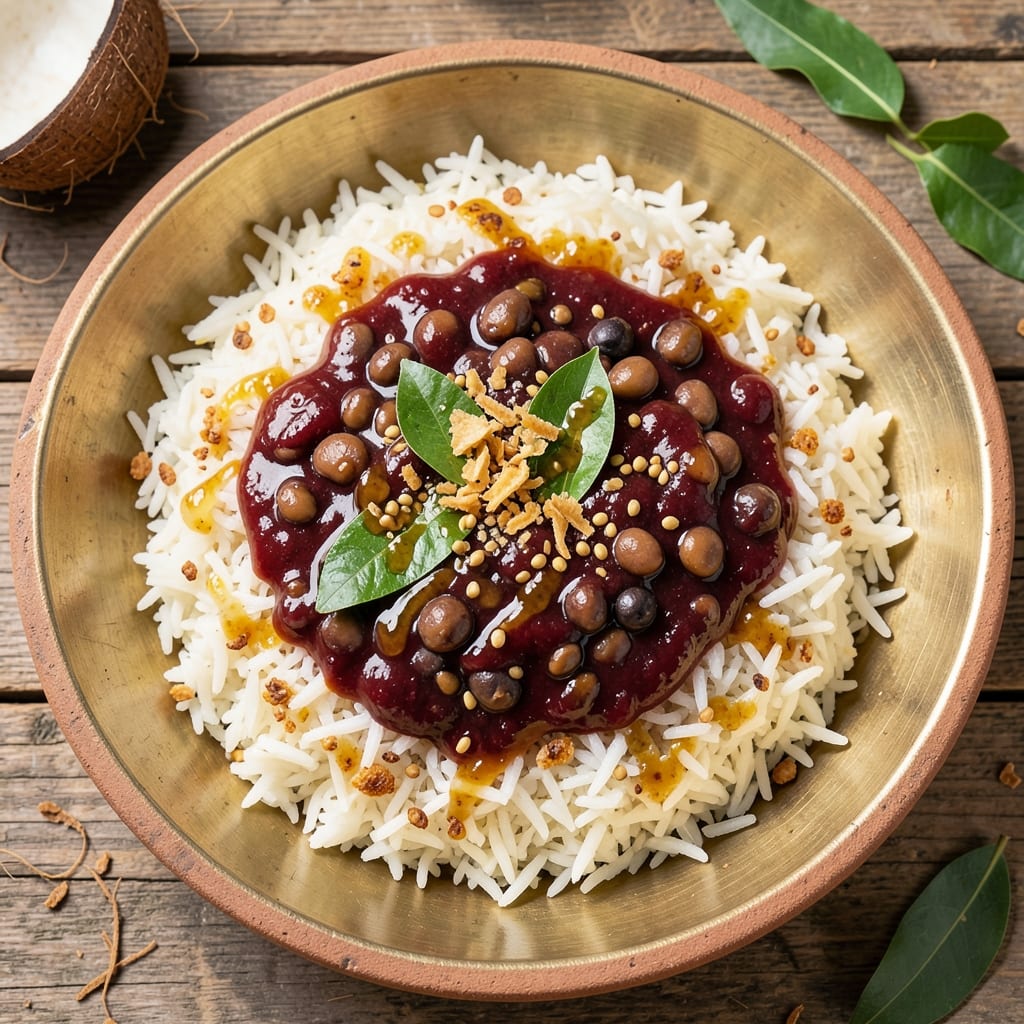
This Andhra tamarind rice recipe delivers the bold, tangy-sour symphony that defines South Indian cuisine—where crispy rice meets fiery spices and tart tamarind in perfect harmony. The secret lies in the layered tempering: mustard seeds sizzling in hot oil, curry leaves releasing their earthy aroma, and red chilies adding just the right heat. I first tasted this dish at a bustling Hyderabad street stall, where the combination of toasted rice and tangy tamarind sauce transformed an ordinary meal into something unforgettable.
The foundation begins with toor dal and black gram, cooked until tender to form the base of the rice, while tamarind pulp provides that signature sour kick that cuts through the richness. Traditional Andhra cooking relies on balancing flavors—spicy, tangy, and aromatic—without any single element overpowering the others. What makes this recipe special is the two-step cooking process: first, the rice is parboiled and then shallow-fried to achieve that signature crunch, while the tamarind sauce simmers to develop depth.
By the end, you'll have crispy-edged rice infused with dal flavors, topped with a vibrant tamarind sauce that's both tangy and subtly sweet. The dish is complete with a final tempering of mustard seeds and curry leaves, adding a fragrant finish. This is the kind of meal that brings people together—whether served with a cooling bowl of curd or a hearty sambar on the side.
Perfect for weekend feasts or weeknight dinners, this recipe captures the essence of Andhra cuisine in one satisfying bowl. Let's get started on creating this flavorful masterpiece.
Ingredients for andhra tamarind rice
Authentic Andhra flavors start with these carefully chosen ingredients—where tangy tamarind meets aromatic spices and crispy rice.
| Ingredient | Amount | Notes |
|---|---|---|
| Long-Grain Basmati Rice 🍚 | 1 ½ cups | Uncooked, rinsed thoroughly |
| Toor Dal (Split Pigeon Peas) 🌾 | ½ cup | Rinsed, skin removed preferred |
| Black Gram (Urad Dal) 🌾 | ¼ cup | Whole, rinsed thoroughly |
| Tamarind Pulp 🍈 | ½ cup | Fresh or high-quality paste |
| Mustard Seeds 🌿 | 1 tbsp | Whole, light brown preferred |
| Curry Leaves 🌿 | ¼ cup | Fresh, packed tightly |
| Red Chilies 🌶️ | 3 whole | Dried, whole, not powdered |
| Asafoetida (Hing) 🌿 | ¼ tsp | Pure, high-quality powder |
| Ghee or Coconut Oil 🫒 | ½ cup | For frying, ghee preferred |
| Cumin Seeds 🌿 | 1 tsp | Toasted lightly for aroma |
| Fennel Seeds 🌿 | ½ tsp | Whole, lightly crushed |
| Sugar 🍯 | 1 tbsp | White or jaggery preferred |
| Salt 🧂 | 1 tsp | Adjust to taste, kosher preferred |
| Fresh Coriander Leaves 🌿 | ¼ cup | Chopped, for garnish |
| Yogurt (Dahi) 🥛 | ¼ cup | Plain, unsweetened |
The foundation begins with toor dal and black gram, where the earthy flavors of these lentils create the signature base for the rice. For the best quality, source these from Indian grocery stores—brands like Patel Brothers or Saffron Road carry premium varieties. Tamarind pulp is non-negotiable for authenticity; fresh pulp from local markets delivers the most vibrant sourness, though high-quality pastes like Mamee work well too. Mustard seeds should be light brown and whole for that signature sizzle—avoid pre-ground versions, which lose potency quickly. Curry leaves are best purchased fresh from Indian specialty shops, where they're often sold in small bundles.
No tamarind pulp? Lemon juice with a pinch of sugar can approximate the tang, though it won't replicate the complex depth. Running short on black gram? Substitute with equal parts toor dal, though the texture will differ slightly. For heat control, adjust red chilies—deseed and crush slightly for milder flavor. The yogurt serves as a cooling counterpoint; if you prefer a tangier finish, add an extra 1/2 teaspoon lemon juice. Ghee is traditional, but coconut oil works equally well for frying, especially if you're avoiding dairy. Toast your cumin and fennel seeds in a dry pan for 30 seconds before adding to oil—their aroma will elevate the entire dish.
Store tamarind pulp in the freezer for up to 6 months to preserve its vibrant flavor. Curry leaves keep for 2 weeks in the fridge if wrapped in damp paper towels, while mustard seeds and other whole spices last 6-12 months in a cool, dark place. The cooked rice mixture can be refrigerated for 2 days, though it's best enjoyed fresh. For meal prep, cook the dal mixture ahead and store separately from the rice—reheat gently before combining. Garnish with fresh coriander just before serving to maintain its vibrant color and aroma.
Why You'll Love This Recipe
- One-Pot Magic: I swear by this recipe for lazy days—just rice, dal, and tamarind simmering together in one pot. No chopping, no fussing with multiple pans, and that tangy tamarind pulp does all the flavor work while you sip your chai.
- Tamarind Tang Alert: The moment that sour-sweet tamarind hits your tongue? Chef’s kiss. It cuts through the richness of the urad dal and toor dal, leaving you with that signature Andhra punch—bright, bold, and impossible to resist without a second helping.
- Lunchbox Hero: Between us, this is my go-to for meal prep. The rice stays fluffy for days, and the dal-tamarind mix keeps it exciting—pack it for work or school, and you’ll be the office favorite. (Yes, even on a Tuesday.)
- Budget Powerhouse: Toor dal and urad dal are my wallet’s best friends—cheap, protein-packed, and they stretch into a full meal. A single batch feeds four for under $3, and leftovers? They taste just as good reheated as they do fresh.
Step-by-step instructions for Andhra tamarind rice
Master this authentic Andhra specialty with perfectly tempered spices and tangy tamarind essence.
Prepare the Rice and Lentil Base
Rinse the 1.5 cups long-grain basmati rice thoroughly until the water runs clear, then soak in cold water for 30 minutes. Meanwhile, combine the 0.5 cup toor dal and 0.25 cup black gram in a separate bowl and rinse until water is clear. Drain both thoroughly before proceeding.
In a heavy-bottomed pot, combine the drained rice, toor dal, and black gram with 6 cups water. Bring to a boil, then reduce heat to medium-low and simmer uncovered for 15 minutes, stirring occasionally to prevent sticking. The rice should absorb most of the water but remain slightly firm—this ensures the characteristic crunchy texture. Keep the lid slightly ajar during cooking to allow excess steam to escape.
Create the Tamarind Gravy
In a separate saucepan, dissolve the 0.5 cup tamarind pulp in 2 cups hot water, stirring until fully incorporated. Add 1 tbsp sugar and 1 tsp salt, then simmer for 5 minutes until slightly thickened. The mixture should have a vibrant, tangy aroma with a deep reddish hue—this is your base for the gravy.
While the tamarind mixture simmers, lightly toast the 1 tsp cumin seeds and 0.5 tsp fennel seeds in a dry skillet for 30 seconds until fragrant. Add these toasted seeds to the tamarind mixture and simmer for another 2 minutes. This step enhances the aromatic profile of the dish, creating that signature Andhra spice complexity.
Temper the Spices
Heat 0.5 cup ghee or coconut oil in a heavy pan over medium heat until shimmering. Add the 1 tbsp mustard seeds and let them splutter for 30 seconds until they begin to pop. Add the 3 whole red chilies and 0.25 cup curry leaves, cooking for 1 minute until the chilies darken slightly and the curry leaves turn crisp.
Immediately add the 0.25 tsp asafoetida (hing) and stir for 10 seconds—this releases its distinctive aroma that forms the backbone of Andhra cuisine. Pour this tempering mixture into the tamarind gravy while stirring continuously. The mixture should bubble gently and develop a rich, aromatic steam. Remove from heat and let it rest for 2 minutes to allow flavors to meld.
Combine and Finish
Gently fold the partially cooked rice and lentil mixture into the tamarind gravy using a wooden spoon. The rice should absorb the tangy, spiced liquid while maintaining its slight firmness. Stir in the 0.25 cup yogurt (dahi) and cook for 3-4 minutes on low heat until the yogurt is fully incorporated and the mixture reaches a thick, spoonable consistency.
Finally, garnish with the 0.25 cup fresh coriander leaves, chopped finely. The dish should have a vibrant green contrast against the reddish tamarind gravy. Serve immediately while still warm, as the flavors continue to develop as it sits.
Pro Tips For Making Andhra Tamarind Rice
- SOAK THE DALS SEPARATELY: I learned this the hard way—mixing toor dal and urad dal before cooking leads to uneven texture. Soak them in separate bowls for 30 minutes first, then combine. The urad dal stays creamier and the toor dal holds its shape better when they cook together.
- TEMPER THE MUSTARD LOW: Mustard seeds burn faster than you’d think. Start them in a dry pan over medium-low heat, then add oil—this gives them time to pop without turning bitter. If your kitchen’s hot, go even lower. Trust me, no one wants that acrid aftertaste.
- STRAIN THE TAMARIND WELL: Tamarind pulp has seeds and fibers that turn your rice soup into a mushy mess. Strain it through a fine sieve or cheesecloth, then rinse the pulp with warm water to remove lingering grit. Your gravy will be silky, not slimy.
- COOK RICE JUST SHORT OF DONE: Andhra tamarind rice needs that slight bite. Boil the rice for 2 minutes less than usual, then finish it in the tempering liquid. The residual heat will plump it up perfectly—no mushy grains, just fluffy texture with every bite. (Yes, even if you’re impatient like me.)
Wine and beer pairings for this dish
Tangy Tamarind Wine
Andhra tamarind rice's bold sourness pairs beautifully with a crisp, dry Chenin Blanc from India’s Karnataka region—its citrusy acidity mirrors the tamarind’s tang while the mineral notes complement the dish’s spice complexity. Look for Sula Chenin Blanc or Grover Vineyards Chenin Blanc for authentic Indian terroir. Serve slightly chilled (45-50°F) to enhance the wine’s refreshing contrast against the dish’s warmth. 🍷
Spiced Beer Harmony
A German-style Hefeweizen with its banana and clove notes bridges the gap between the tamarind’s sourness and the dish’s earthy spices. I recommend Weihenstephaner Hefeweizen—its effervescence cuts through the richness while the subtle spice echoes the curry leaves. For a local twist, try an Indian craft lager like Kingfisher Ultra (if available) to keep the pairing regionally grounded.
Cool Yogurt Balance
Serve alongside a small bowl of plain yogurt (dahi) mixed with ½ teaspoon roasted cumin powder and a pinch of salt. The cooling dairy contrasts the dish’s heat and tang, while the cumin deepens the spice profile. For extra freshness, chill the yogurt for 30 minutes before serving—it should be thick but not strained. 🥛
Herbal Tea Pairing
Finish the meal with a mint-lemon tea—steep 1 tbsp fresh mint leaves and 1 tbsp lemon slices in hot water for 5 minutes. The mint’s coolness soothes the palate after the spicy tamarind, while the lemon reinforces the dish’s tangy notes. Add a touch of honey if you prefer sweetness, but keep it minimal to avoid overwhelming the dish’s bold flavors.
Regional Beer Twist
For adventurous drinkers, try a Belgian Witbier like Hoegaarden—its coriander and orange peel notes create an unexpected but harmonious contrast with the tamarind’s sourness. The beer’s slight sweetness balances the dish’s spice, while its effervescence cleanses the palate. Serve at 40-45°F to preserve its crispness. 🍺
Nutrition facts
Frequently asked questions
Why does Andhra tamarind rice need partially cooked rice?
The signature crunch comes from cooking the rice only 75% of the way—this creates firm grains that stay distinct when fried later. Overcooked rice would turn mushy and lose the textural contrast that makes this dish special. Think of it like al dente pasta—just enough bite to keep the structure intact!
Can I make this recipe without tamarind pulp?
Yes, but the flavor will differ! Substitute with 3 tablespoons lemon juice + 1 teaspoon sugar for tartness. For depth, add ½ teaspoon amchur (dried mango powder)—this mimics tamarind's complex sour-sweet balance. The dish will still be delicious but won't have the same authentic tang.
How do I adjust the spice level?
Remove seeds from red chilies for mild heat, or use 1 chili instead of 3. For extra kick, add ¼ teaspoon cayenne powder—but taste first! The mustard seeds and curry leaves already provide aromatic heat without overwhelming spiciness. Always adjust gradually in the tempering stage.
What's the best way to serve this dish?
Pair with sambar or rasam—**the mildness of these soups balances the tamarind's acidity. For a complete meal, add boiled eggplant or potato curry—the starchiness soaks up the tangy sauce. Serve with warm papadums—their crispness contrasts perfectly with the soft, spiced rice.
Can I make this ahead of time?
Cook the dal-rice mixture and tamarind gravy separately, then refrigerate for up to 2 days. Reheat gently on low heat, adding 1-2 tablespoons water—**to prevent drying. The tempering should be added fresh right before serving to preserve its aroma and crispness.